

Strengthening Municipal Resilience
Regional Learning Process Continues in Leipzig
From 24 to 26 November 2026, municipalities from South-East Europe, the South Caucasus and Germany will come together in Leipzig to further develop their projects to protect critical infrastructure. The focus will be on practical municipal solutions, exchange with experts and insights into the City of Leipzig’s experience.
How can municipalities better protect their critical infrastructure against crises, extreme weather events and other threats? How can essential services for residents be maintained even under challenging conditions?
These are the questions being addressed by participants in the Connective Cities learning process “Safeguarding Critical Infrastructure through Risk-Informed Urban Development”. Following the first in-person workshop in Tirana in June 2026, the participating municipalities have further developed their project ideas—some with input and advice from technical experts—and translated them into updated action plans.
The learning process will continue with a follow-up event in Leipzig from 24 to 26 November 2026. The aim is to advance the municipal initiatives, address outstanding technical questions and identify the next steps towards implementation.
Different Challenges – Shared Goals
Municipalities and municipal institutions from Albania, Armenia, Georgia, Germany, Kosovo, Montenegro, Serbia, Türkiye and Ukraine are taking part in the learning process. They include Tirana, Gavar, Noyemberyan, Gori, Cologne, Leipzig, Drenas, Cetinje, Kraljevo, Priboj, İznik, Dnipro and Drohobych. Not all municipalities will attend in person in Leipzig; opportunities for virtual participation and further advisory formats will complement the exchange.
The municipal initiatives address a wide range of challenges and approaches:
- Energy supply and security of supply: Developing decentralised energy solutions, safeguarding heating supplies during power outages, and improving the energy efficiency of public buildings and other critical infrastructure.
- Municipal crisis management and digital solutions: Improving institutional coordination during crises, developing integrated resilience and crisis management structures, and using digital information systems to map and monitor critical infrastructure.
- Climate-resilient infrastructure and mobility: Protecting key transport links, developing alternative evacuation routes, and taking measures to prevent flooding and strengthen resilience to extreme weather events.
- Risk monitoring and forward-looking urban development: Using digital monitoring and early warning systems, systematically assessing climate and infrastructure risks, and integrating these risks into municipal planning and decision-making.
The initiatives demonstrate that protecting critical infrastructure involves far more than individual technical measures. Forward-looking municipal planning, cooperation among different stakeholders and the ability to remain operational during crises are equally important.
Leipzig Shares Insights into Municipal Practice and Crisis Preparedness
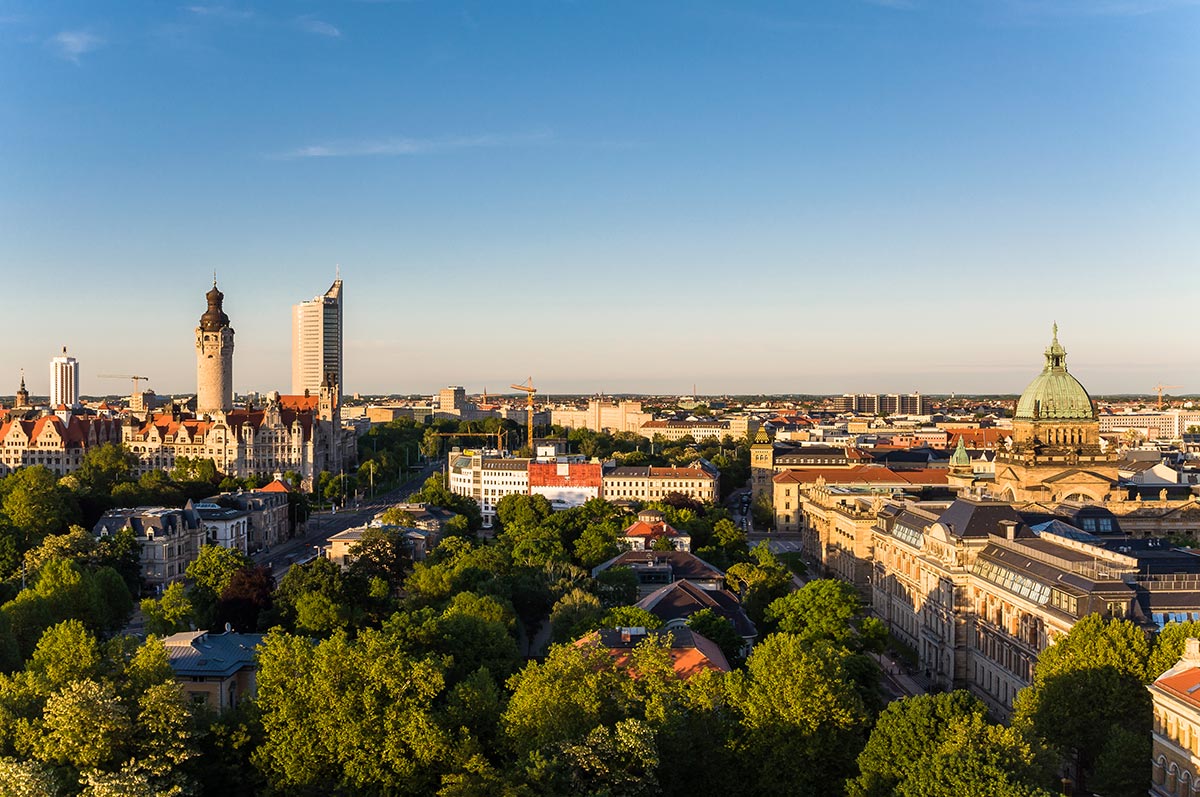
Alongside joint project work, the follow-up event will provide an opportunity to learn from the experience of the City of Leipzig and its municipal utilities.
Water and wastewater infrastructure will be a particular focus. During a visit to the Rosental wastewater treatment plant, participants will gain insights into the operation of a key municipal infrastructure facility. Discussions with Leipzig’s water utility will address risk management, crisis resilience and ways to maintain essential services.
Municipal crisis communication will be another focus. The City of Leipzig will present experiences and tools for informing and reaching residents during crises, including when regular communication channels are disrupted. This includes the concept of the so-called “emergency box” (Notfallbox).
Blue-green infrastructure and water-sensitive urban development will also feature on the agenda. Drawing on Leipzig’s experience, participants will discuss how nature-based solutions and adapted stormwater management can make municipal infrastructure more resilient to heavy rainfall, heat and other climate risks.
Working Together Towards Implementation
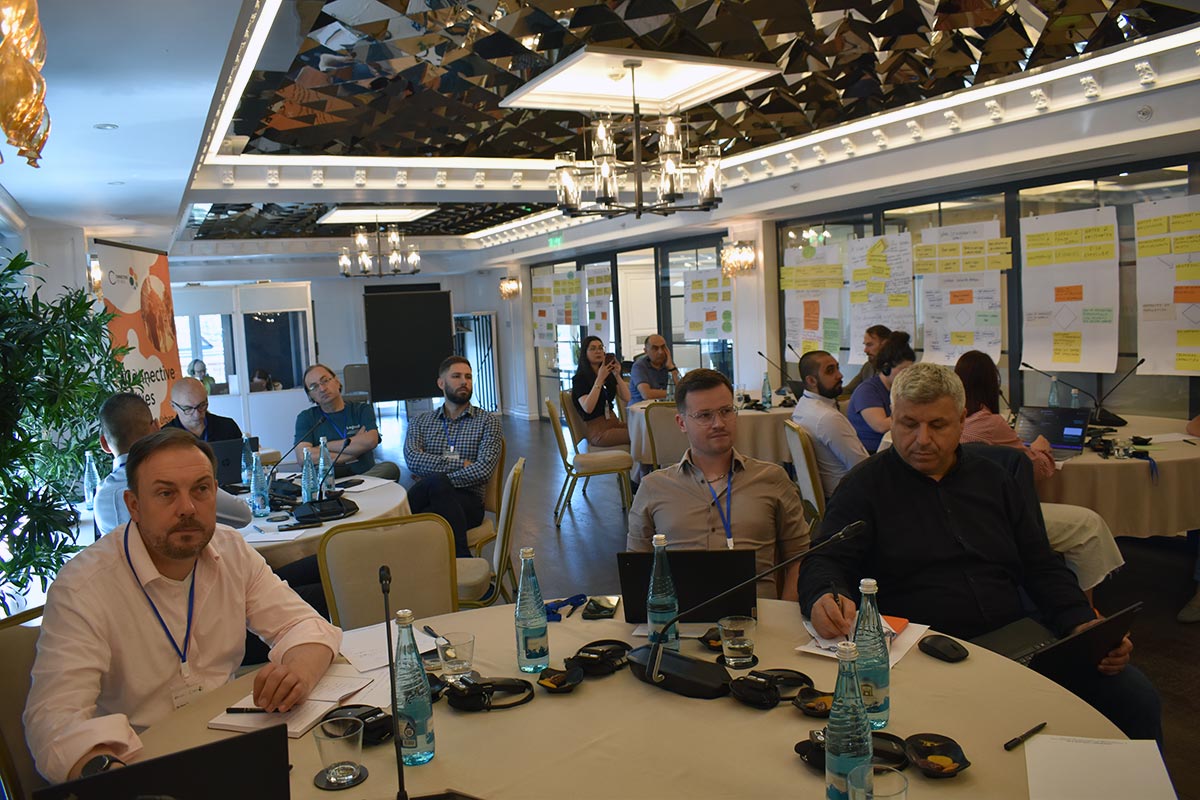
A central element of the event will be the further development of municipal action plans. Participants will present their progress to date, exchange experiences and work with other municipalities and experts to address outstanding questions.
Particular attention will be paid to the technical and institutional feasibility of the initiatives, potential financing options and the planning of concrete next steps towards implementation. Additional expert advice is planned on topics including energy supply and energy security, water infrastructure and resilient mobility.
The follow-up event builds directly on the outcomes of the Tirana workshop. While the initial workshop focused on jointly analysing risks and developing initial project ideas, Leipzig will place greater emphasis on refining these ideas and preparing for their implementation.
Connective Cities will continue to facilitate exchange among municipalities after the workshop and create opportunities for further technical advice and cooperation. The aim is to turn international peer learning into concrete measures that strengthen the resilience of municipal infrastructure.
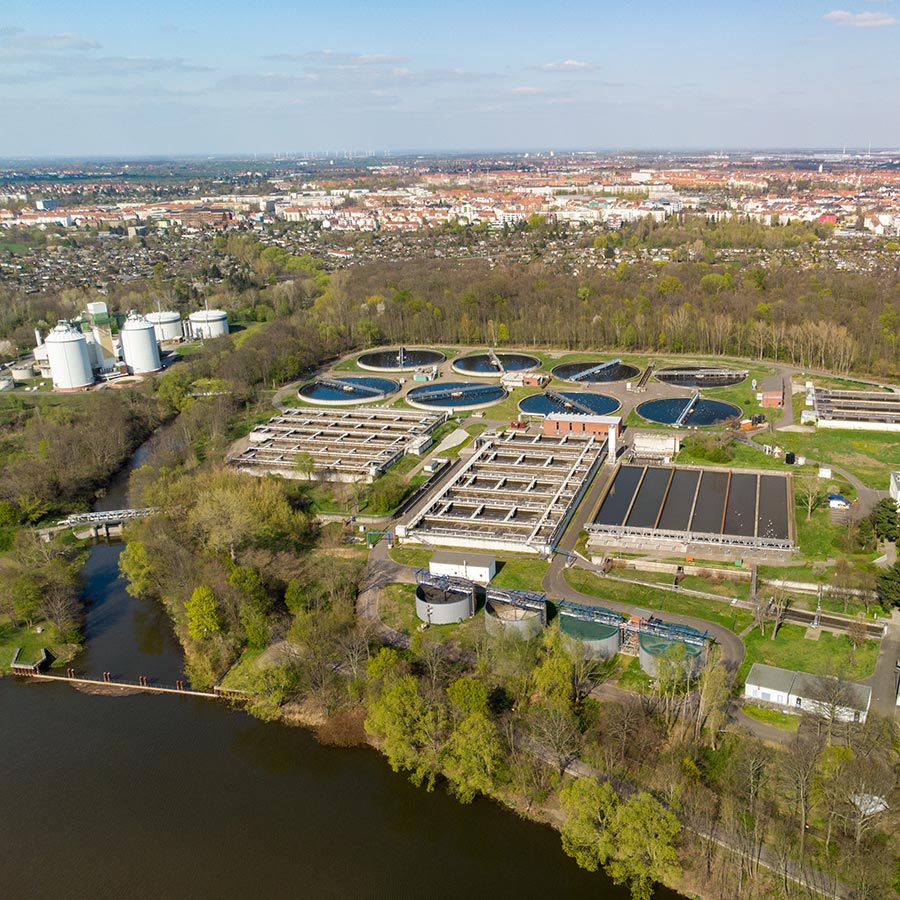
© Stefan Aue, iStock | Aerial view of the Rosental wastewater treatment plant in Leipzig