

Start-ups and Innovation: Labour Market Opportunities and Prospects for Young People
International Municipalities Exchange Ideas in Bremen, Germany
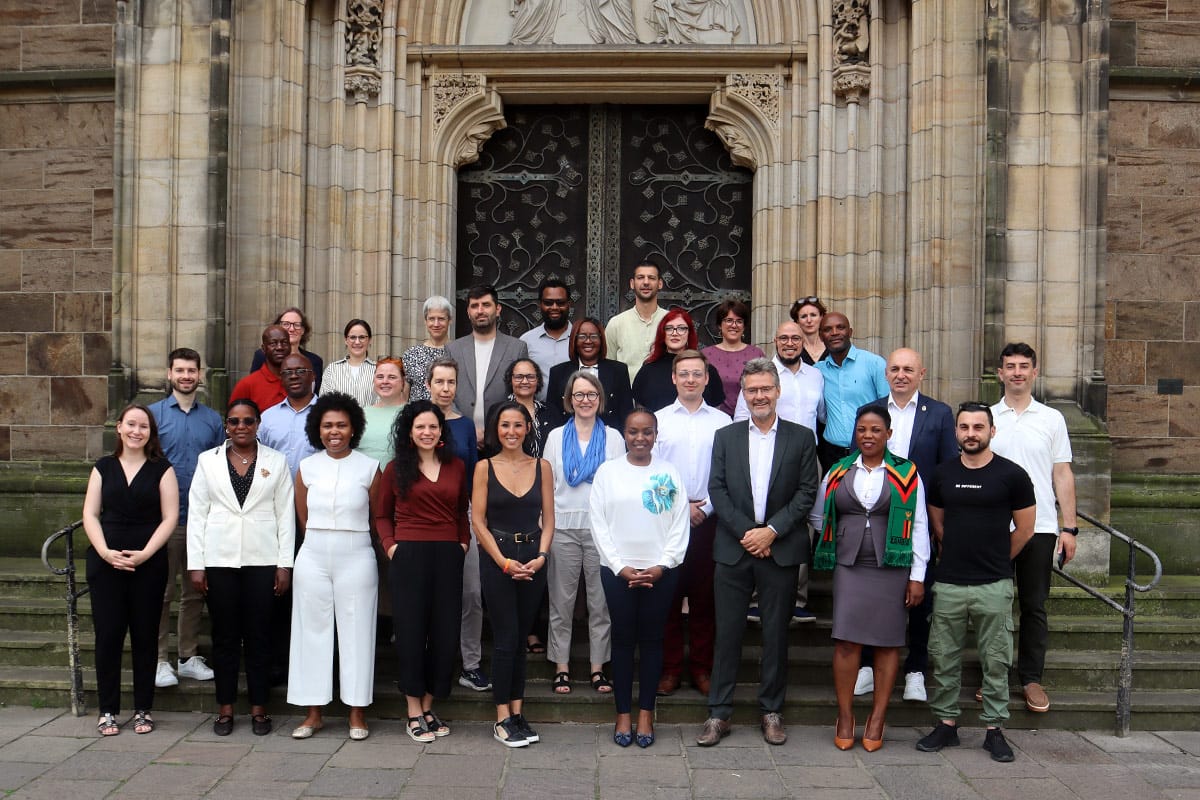
How can municipalities help young people successfully start businesses while also driving local development? This question was at the heart of the international Connective Cities dialogue event “Start-ups and Innovation: Labour Market Opportunities and Prospects for Young People”, held in Bremen from 30 June to 2 July 2026. Around 35 experts from 11 municipalities and seven countries came together to exchange experiences, learn from one another, and jointly develop new solutions.
The event focused on the opportunities that start-ups and entrepreneurship create for employment, economic development, and social participation among young people. A key finding was that, despite differing local conditions, municipalities around the world face many similar challenges. Young entrepreneurs need access to advisory services, networks, financing, suitable infrastructure, and practical education. Municipalities play a crucial role as facilitators, supporters, and enablers of thriving local entrepreneurial ecosystems.
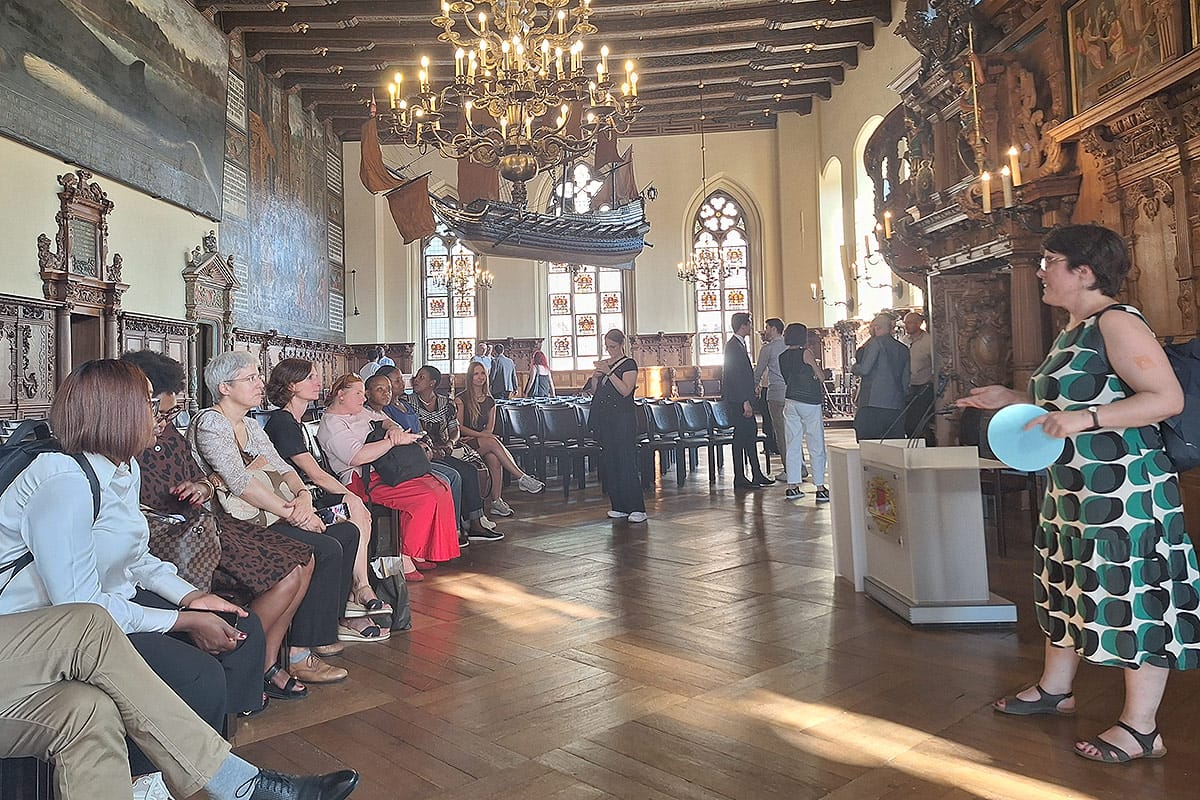
Participants gained insights into successful municipal approaches from Germany, Namibia, North Macedonia, Rwanda, Serbia, South Africa, and Zambia. Examples included business incubators, one-stop shops for advisory services, digital platforms, mentoring programmes, and initiatives supporting women, migrants, and young people in rural areas. Particularly impressive was the diversity of solutions tailored to local challenges.
“We use storytelling and share the stories of start-ups so that others can see: this could be my story as well.”
Oliver Götz, Gründungswerft e.V., Germany
One example from the Global South came from Windhoek, Namibia. The Bokamoso Entrepreneurial Centre supports young businesses with affordable infrastructure and training opportunities to help them enter national and international markets. The centre has successfully assisted companies in sectors such as crafts, the creative industries, and food production. It also specifically promotes business concepts focused on resource efficiency and recycling, thereby strengthening the circular economy in Windhoek.
From Germany, Bremen presented its closely connected start-up ecosystem, which brings together stakeholders from business, academia, and public administration. Through Starthaus Bremen & Bremerhaven, the city offers a central point of contact supporting aspiring entrepreneurs with advice, networking, financing, and funding opportunities. Bremen also promotes entrepreneurship awareness among young people through partnerships with schools and universities.
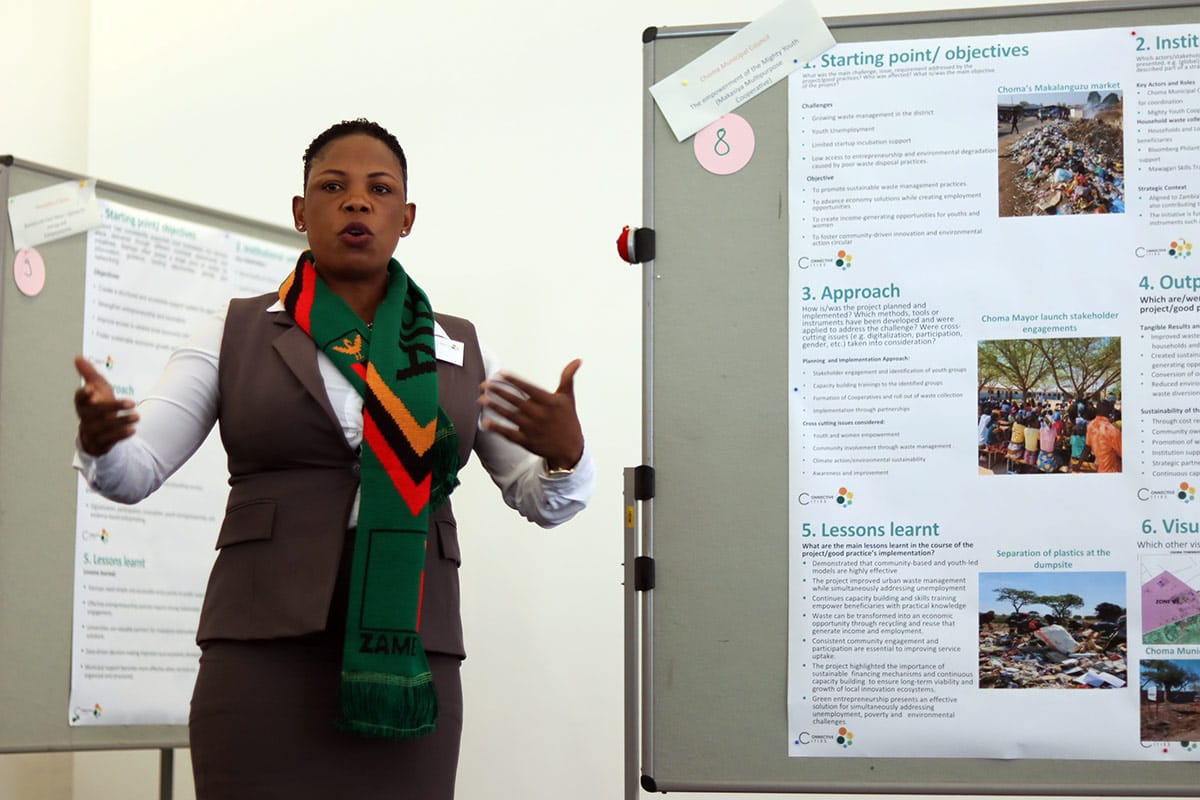
The connection between education and entrepreneurship was a central theme throughout the event. Professor Dr. Jörg Freiling of the University of Bremen emphasized that young people today need skills such as creativity, initiative, problem-solving abilities, and entrepreneurial thinking to succeed in an increasingly complex world. Universities, schools, and companies must therefore work more closely together and expose young people to real-world challenges and innovation processes at an early stage.
“I often tell my students: you are the innovators in our society.”
Professor Dr. Jörg Freiling, University of Bremen
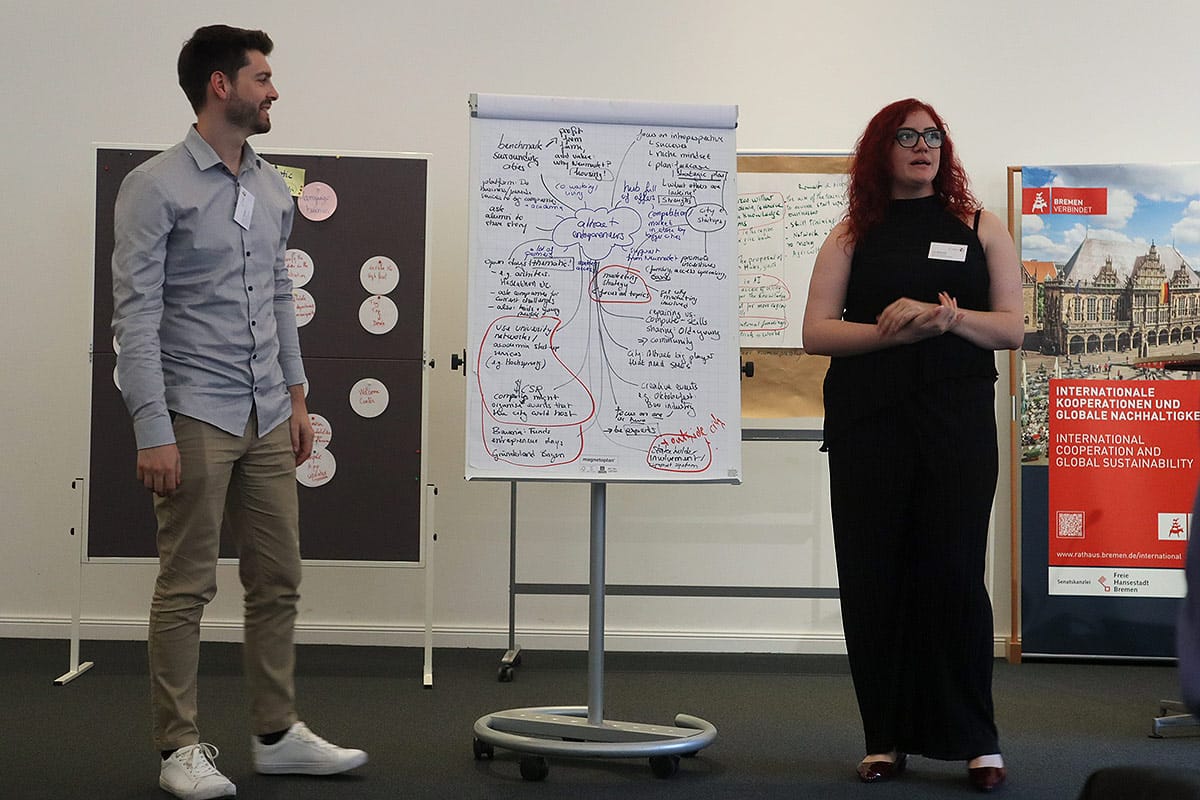
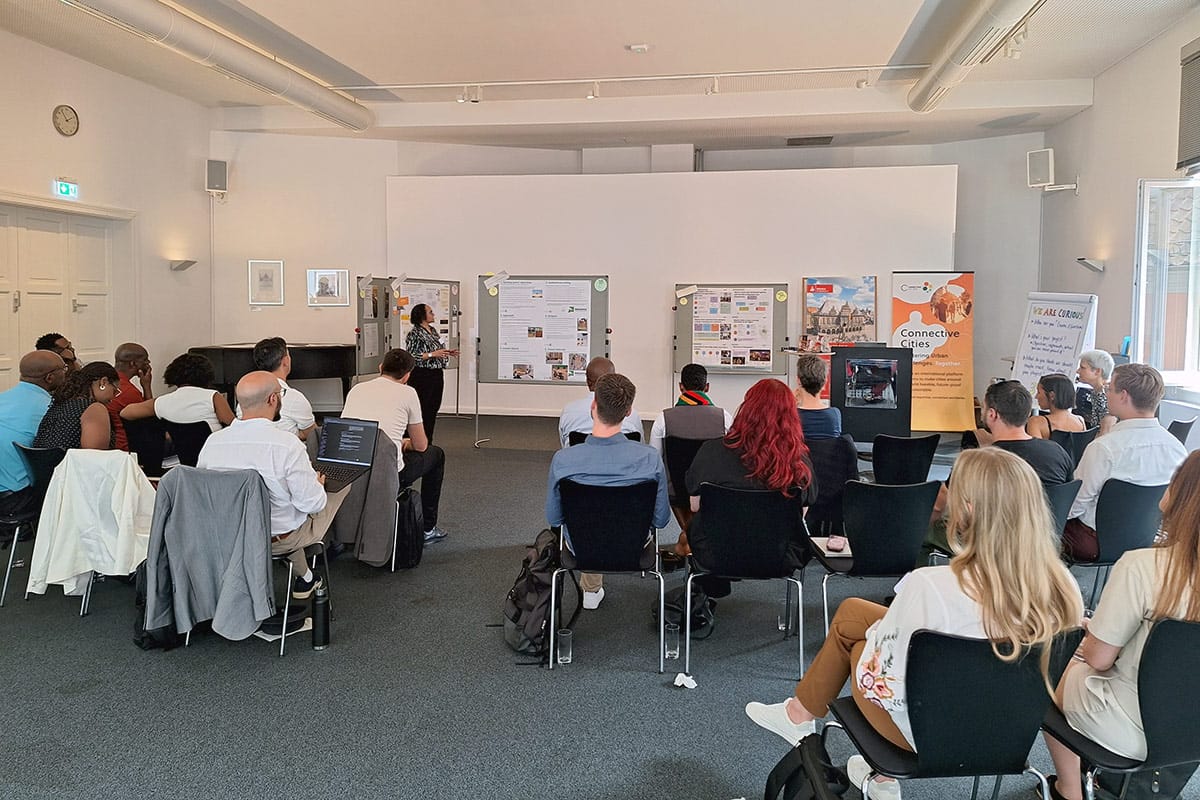
During the working groups and peer-to-peer consultations, participants developed numerous practical solutions. Topics included strengthening the links between education and business, creating new training and mentoring formats, introducing mobile advisory services for remote regions, and reducing bureaucratic barriers for entrepreneurs.
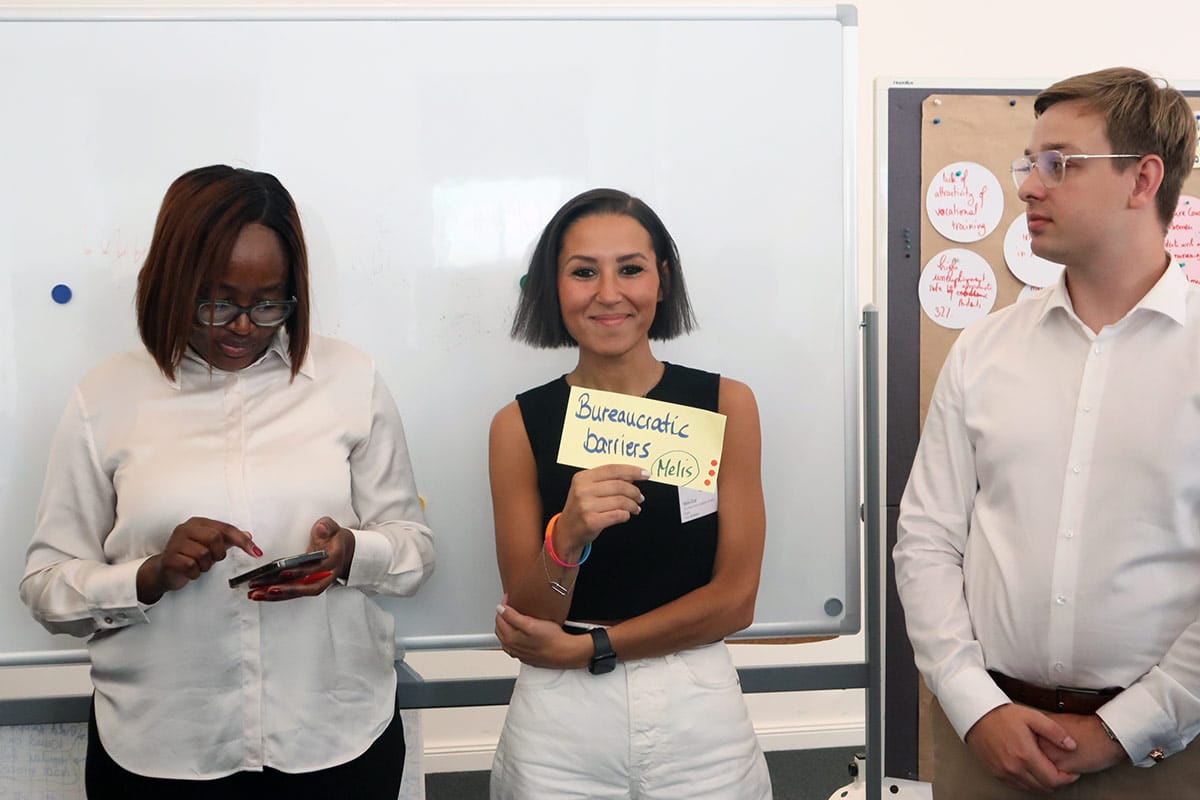
Representatives from Munich contributed ideas on how to better support entrepreneurs with migration backgrounds. Proposed measures included multilingual information services, mentoring programmes to help navigate administrative procedures, and closer cooperation with Welcome Centres and other advisory institutions.
Another widely discussed solution came from eThekwini, South Africa, addressing the challenges faced by remote and rural communities. Participants explored the concept of mobile hubs—vehicles that regularly deliver advisory services, training, digital infrastructure, and information on funding opportunities directly to hard-to-reach communities. This approach would allow young people outside major urban centres to access essential support services.
We need to encourage young people to not just work for self-sustenance, but to create jobs to the local communities as well.“
Dumisani Nhlengethwa, eThekwini Municipality, South Africa
The dialogue programme was complemented by study visits to Bremen and Bremerhaven’s start-up ecosystem. Visits to Starthaus Bremen & Bremerhaven, the hoi startup factory, and other local initiatives demonstrated how a well-connected innovation ecosystem can support entrepreneurs throughout their journey.
The event marked the beginning of a new Connective Cities learning process. Additional online formats, expert exchange visits, and a closing online event will continue the collaboration among municipalities in the coming months. The strong interest and vibrant discussions highlighted that supporting youth entrepreneurship is increasingly seen worldwide as a key driver of sustainable economic and social development.
“This event gave me a bird’s-eye view. It is often difficult to see what is truly important when you are deeply involved in projects.”
Era Bektashi, Neumarkt in der Oberpfalz, Germany
Further Impressions:
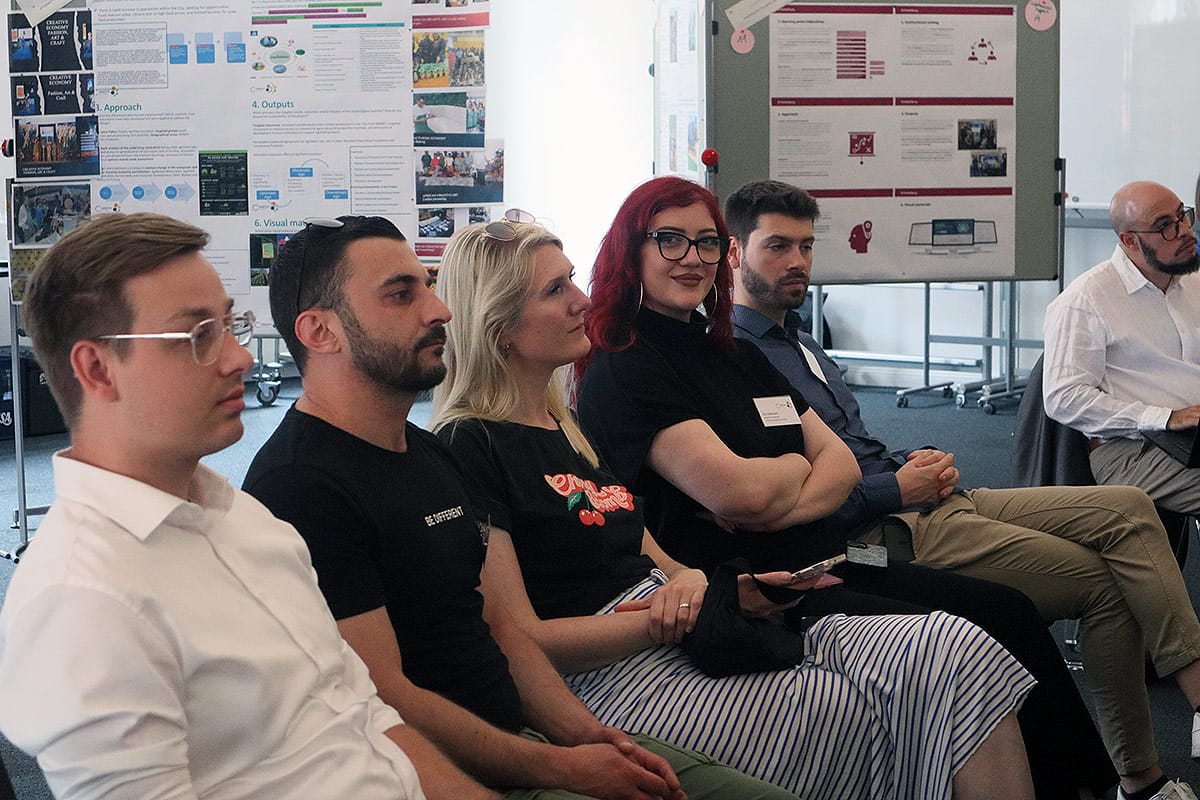
Photos: Connective Cities
Author: Katrin Riß, text+welt

© Connective Cities | Group discussions on municipal support schemes for start-ups