

Green Corridors in Egypt: From Urban Challenges to Practical Solutions
Connective Cities brings together Egyptian municipalities and international experts to explore innovative approaches to greener, more resilient urban spaces.
Connective Cities brings together Egyptian municipalities and international experts to explore innovative approaches to greener, more resilient urban spaces.
On 28–29 September 2026, Connective Cities organised a two-day hybrid peer-learning workshop in cooperation with the Urban Development Fund (UDF) and GIZ Egypt. Representatives from Aswan, Port Said and Alexandria worked with international experts to develop practical solutions for urban greening and climate-resilient public spaces.
The workshop focused on a central question: How can cities transform existing streets and underused urban spaces into green corridors that improve urban liveability and strengthen climate resilience?
Three cities, three urban challenges
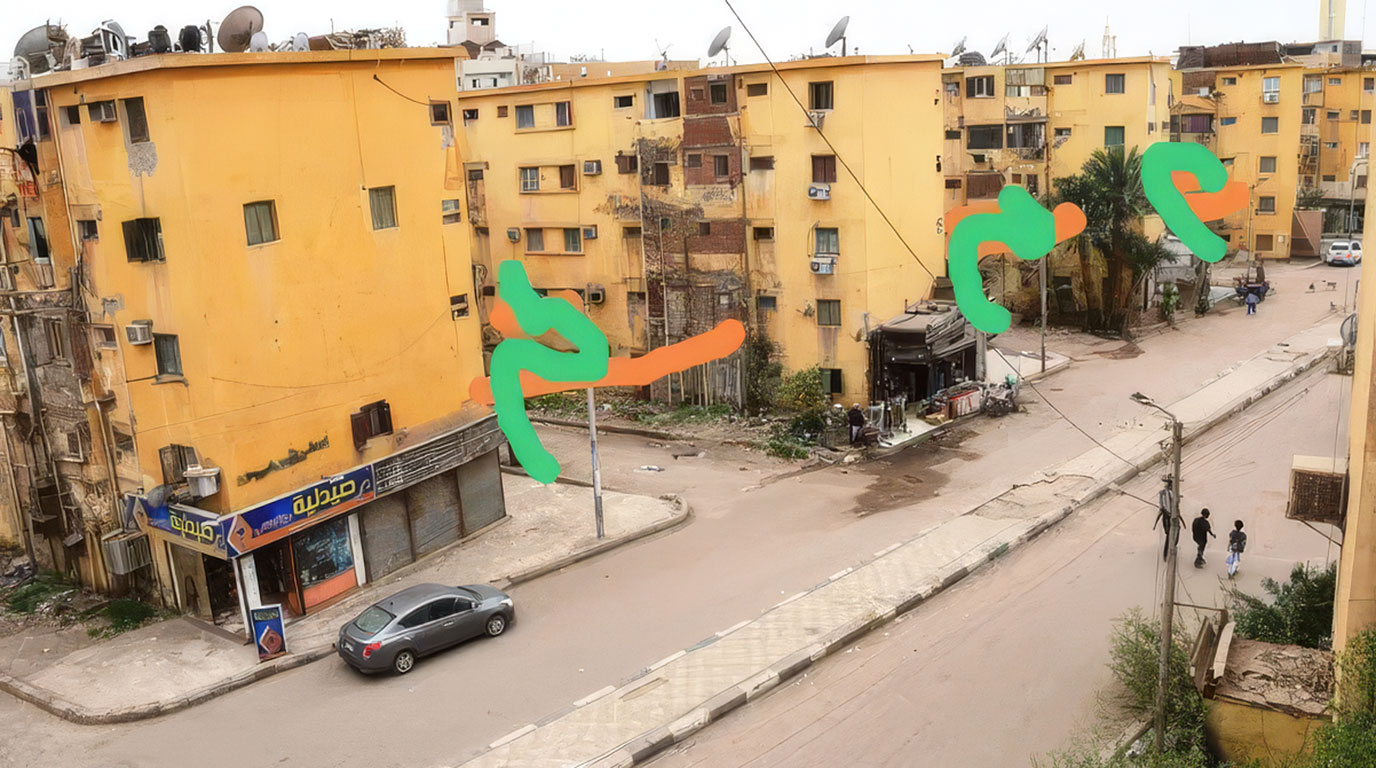
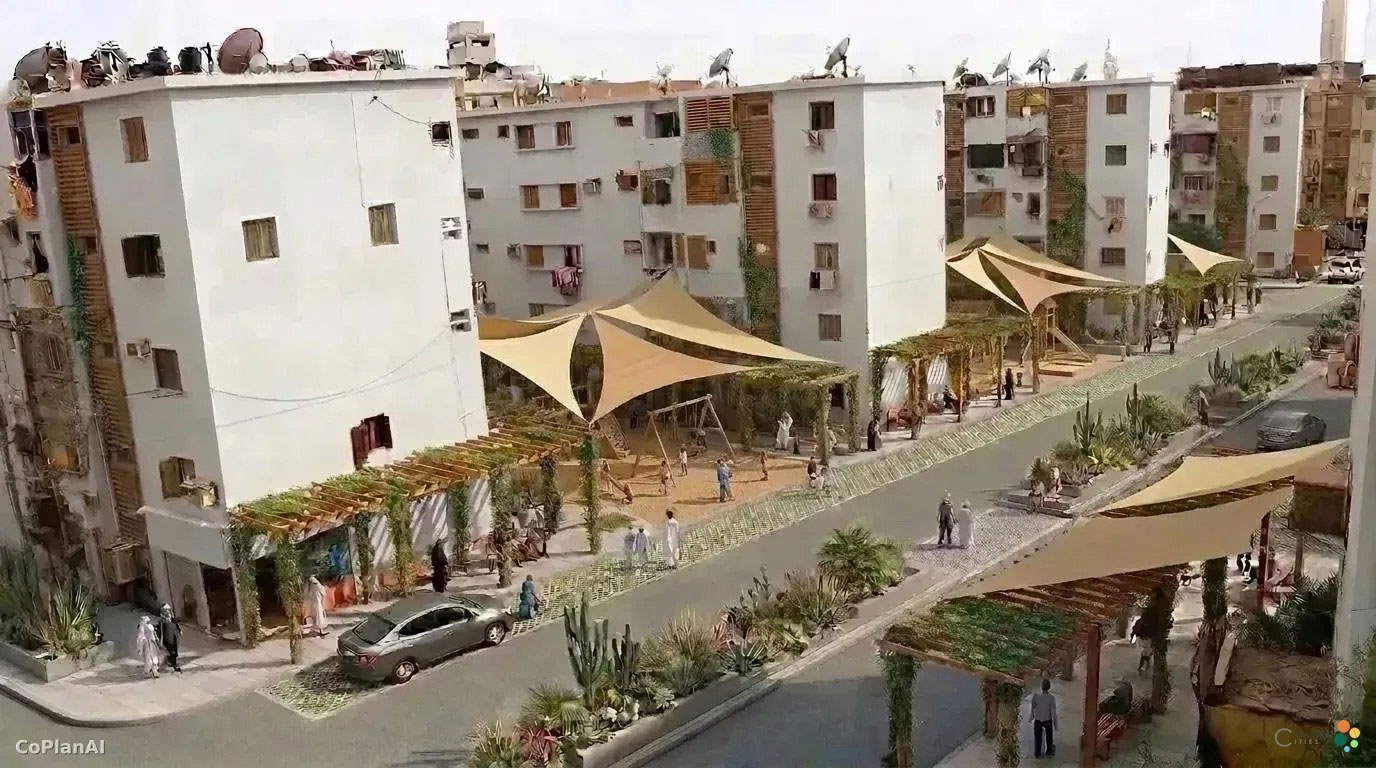
Aswan explored opportunities to introduce shade, greenery and pedestrian-friendly spaces in a residential area affected by high temperatures and limited vegetation.
Port Said focused on greening public spaces despite saline soils, water scarcity and limited financial resources.
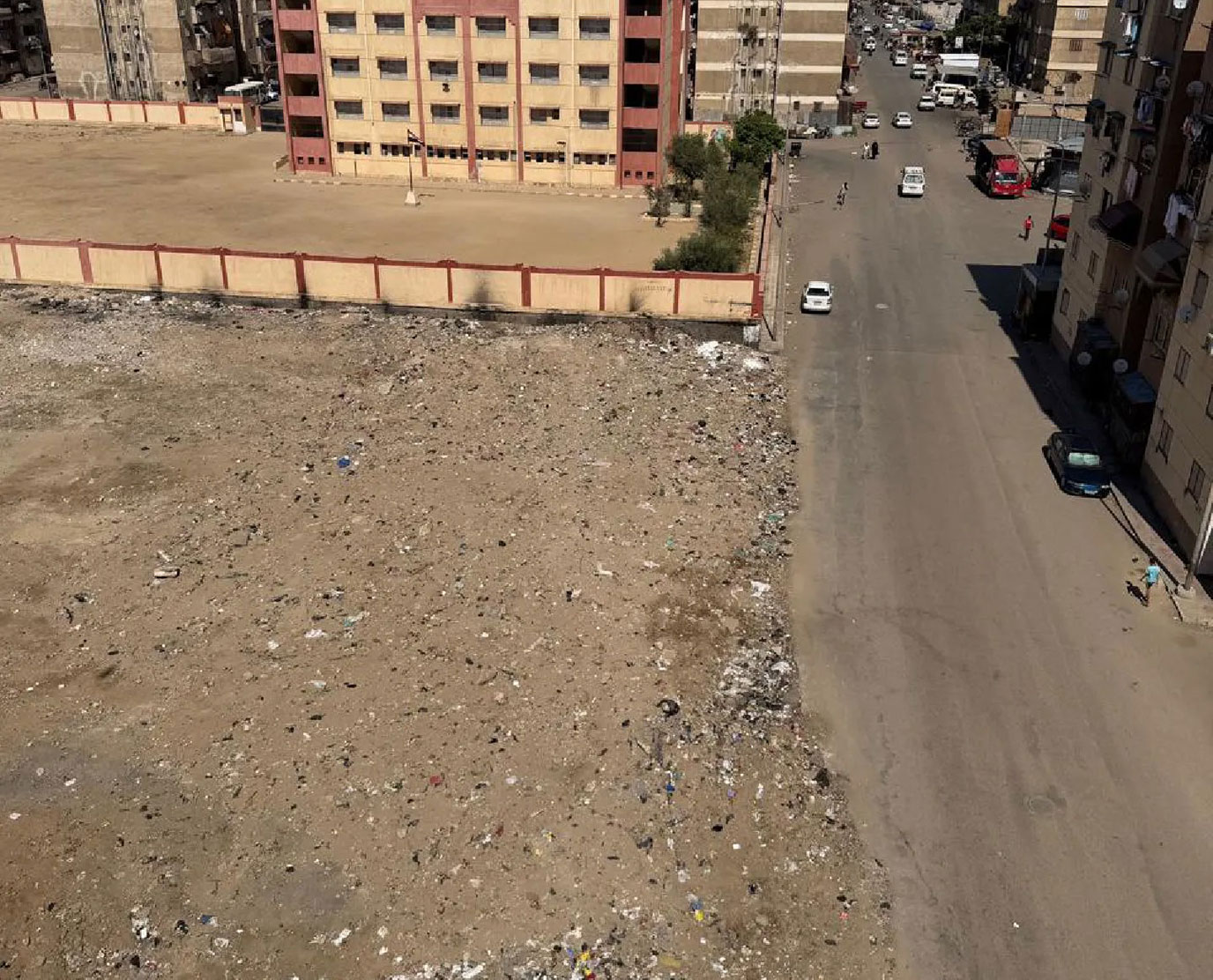
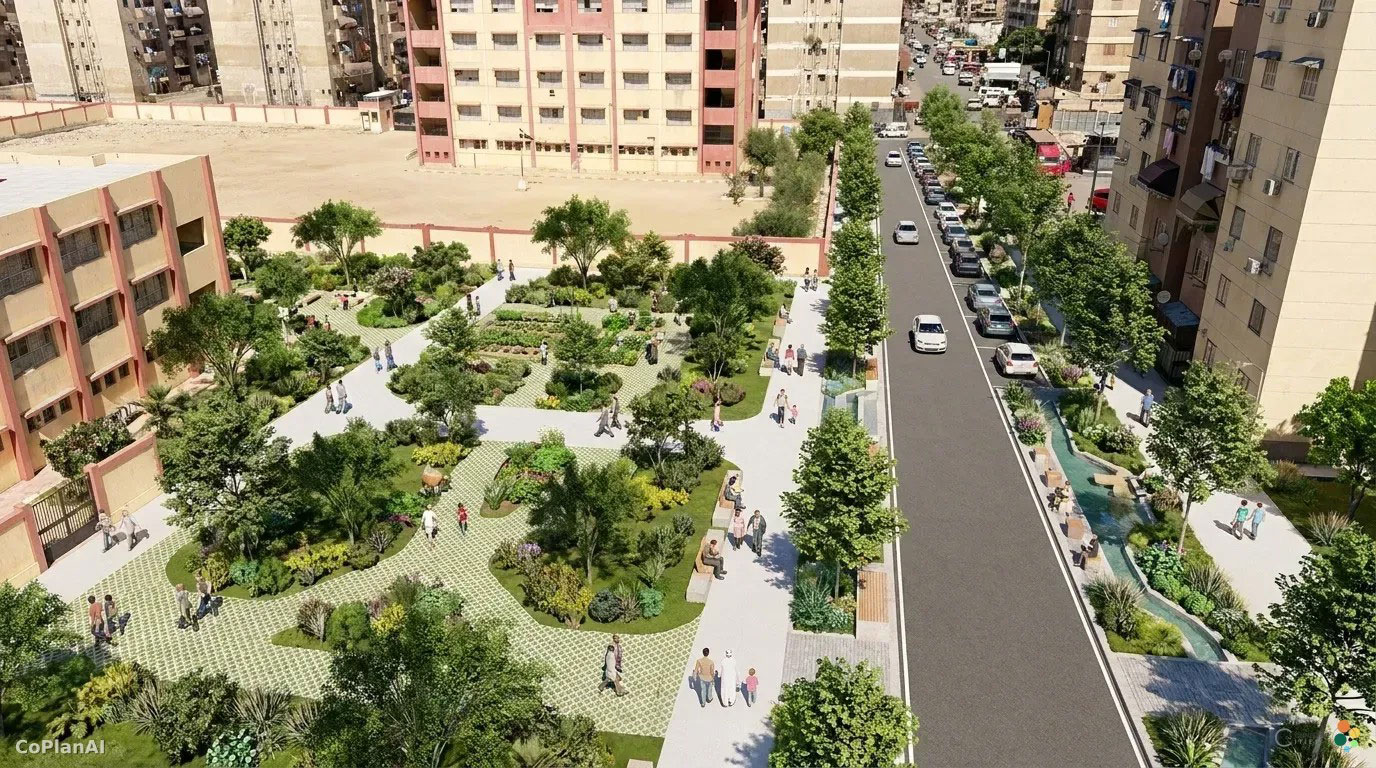
Alexandria examined ways to improve streetscapes and introduce appropriate vegetation while addressing poor soil conditions, water availability and maintenance challenges.
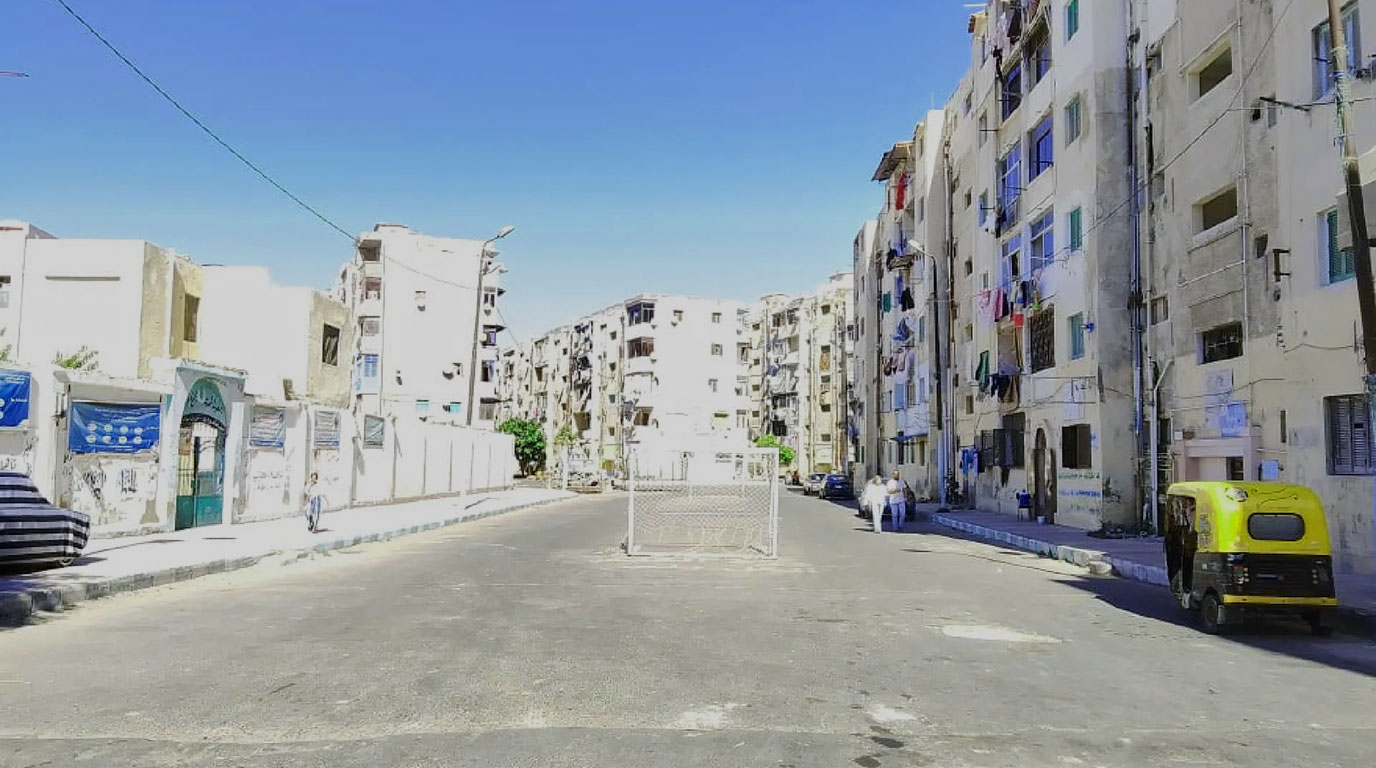
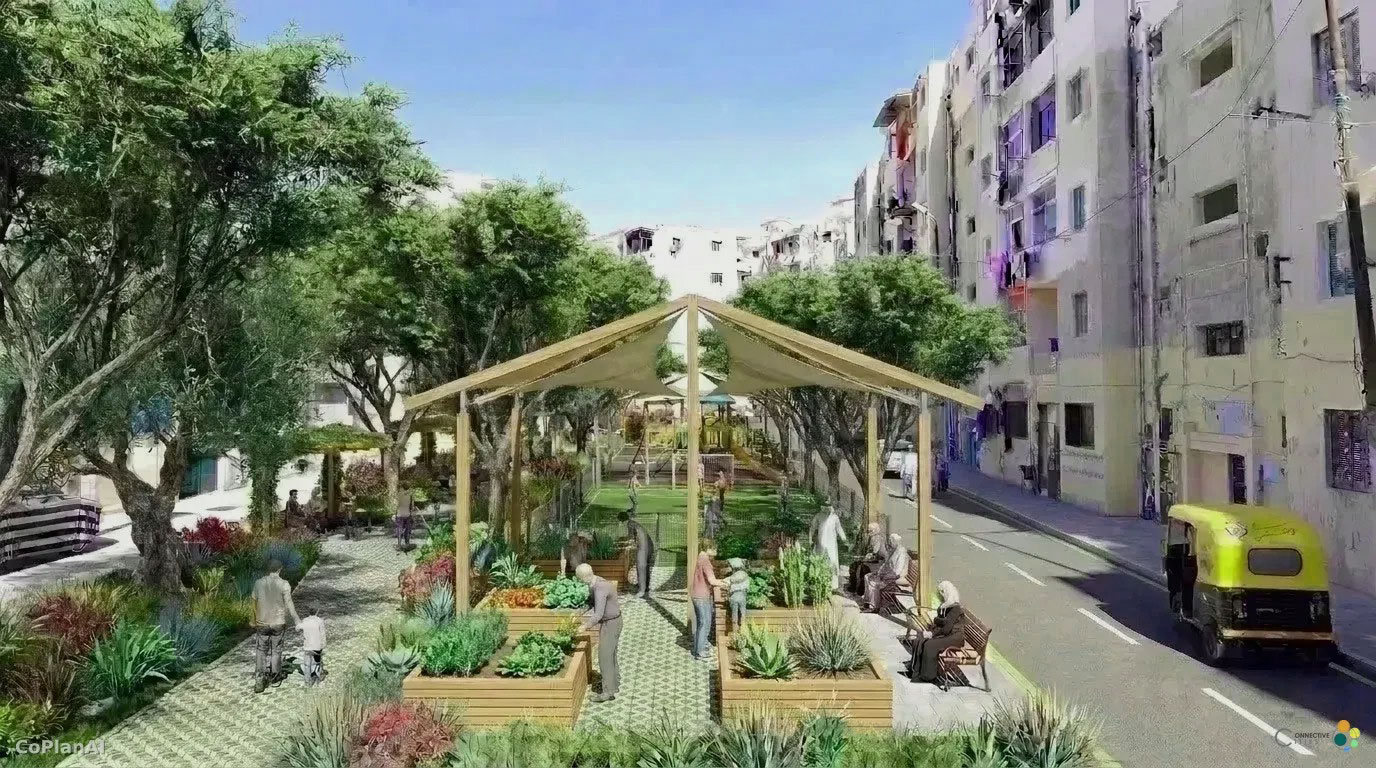
Through structured Peer Advice, municipal representatives and experts jointly identified feasible interventions adapted to local conditions. Proposed solutions ranged from shaded pedestrian routes and small green pockets to soil improvement, locally adapted tree species and partnerships with schools, communities and local organisations.
Combining peer learning with AI-supported visualisation
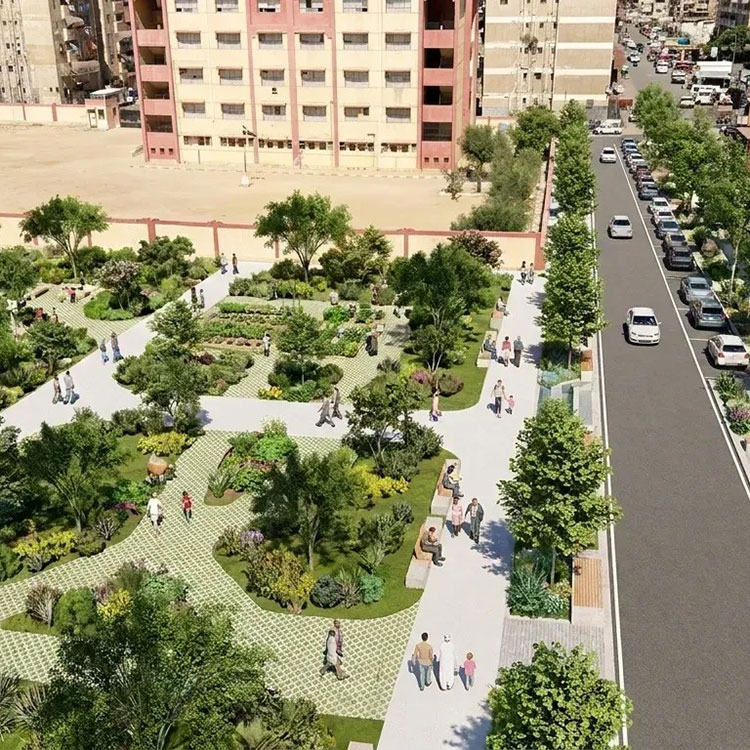
A distinctive feature of the workshop was the integration of AI-supported visualisations into the peer-learning process. Based on photographs of existing urban spaces, alternative future scenarios were developed to illustrate how proposed interventions could transform the selected sites.
These visualisations helped translate technical recommendations into tangible spatial concepts, supporting discussion, comparison and refinement of different options. Rather than presenting predetermined designs, the AI-generated images served as a collaborative tool, enabling participants to explore possibilities and assess their feasibility against local realities.
From ideas to action: Backcasting—back from the future
The workshop also introduced Backcasting, a planning approach that starts with a desired future and works backwards to identify the steps needed to achieve it. Building on the Peer Advice and AI-supported scenarios, participants explored how long-term visions for greener urban spaces could be translated into practical priorities, partnerships and implementation steps. The backcasting method thus enriched the planning activities.
The combination of Peer Advice, AI-supported visualisation and Backcasting demonstrated how digital tools and structured international exchange can complement one another, helping cities move from shared challenges towards locally adapted solutions.
International expertise and regional exchange
The learning process benefited from contributions by Prof. Dr. Heba Khalil and Stefan Scharfe, who shared international experiences and technical perspectives on sustainable urban development, green infrastructure and climate resilience.
The workshop was conceived and led by Jelena Karamatijevic (Connective Cities) and facilitated by Aida Tarhouni. It was organised in close cooperation with Dr Marwa Ahmed of the Urban Development Fund (UDF) and GIZ Egypt. Special thanks go to Dr Marwa Ahmed for her collaboration with the Egyptian partners and to colleagues from the Connective Cities project (CBUID) for their valuable support in preparing and delivering the workshop. Positive feedback from the participating institutions highlighted the value of combining municipal experience, international expertise and innovative digital approaches.
What’s next?
The workshop in Egypt forms part of the broader Connective Cities regional learning process on Green Corridors in the MENA region. Further exchanges with municipalities across the region will build on the results, promote cross-border knowledge sharing and support the development of practical approaches to climate-resilient urban development.
The experience from Egypt illustrates how peer learning can evolve: from exchanging ideas to jointly visualising solutions and identifying pathways towards implementation.
Further Information:
Jelena Karamatijevic | Advisor on Sustainable Urban Development
Connective Cities · GIZ | jelena.karamatijevic@giz.de
© Connective Cities
Regions: