

Learning Processes
We foster global exchange and collaboration to enable cities to develop sustainable, innovative solutions through hands-on formats and networks.


International learning process
Deep Dive

Heat in the City
Six cities – Lüdenscheid and Heidelberg (Germany), Aswan (Egypt), Nairobi and Mombasa (Kenya), and Lviv (Ukraine) – are collaborating from mid-2023 to 2025 as part of the "Heat in the City" learning process. They are analyzing the effects of heatwaves and urban heat islands in their cities and developing tailored solutions for their local contexts. The goal is to promote urban adaptation to the challenges of climate change. At a third in-person workshop in Heidelberg from 3 to 6 June 2024 they expanded on their pilot projects and drafted action plans for implementing the projects.
Interim Report
International municipal cooperation to mitigate heat in cities
On 12 June 2025, the working group of the Deep Dive “Heat in the City” gathered online to wrap up their two years long collaboration on the topic of heat islands in the cities. Each city presented their pilot projects in depth to an audience of experts from Germany and the Global South.
Summary and Insights
Municipal Peer learning & transfer of knowledge for locally-adapted urban solutions
Medium-term cooperation for an in-depth exchange of experience and concrete planning processes – a Deep Dive Guide
Download, pdf, 174,kb, 5 pp.Learning Process
in Germany

Sustainable mobility – Combining future-proof mobility forms
In a world increasingly affected by climate change and resource scarcity, a corresponding transport revolution is becoming increasingly important. The goal is to reduce emissions and energy consumption while improving quality of life for users, by combining various forms of sustainable mobility. These include electric vehicles, car sharing, bicycles, public transport and walking. The Connective Cities dialogue event, which took place from 25 to 27 November 2025 in Bonn, marked the beginning of a new learning process.
Learn more
Reuse Instead of Demolition: 2nd Hands on Public Buildings
From September 2024 to September 2025, more than 30 experts from six countries worked as part of Connective Cities‘ learning process ‘2nd Hands on Public Buildings. Repurposing Modernist Public Buildings from the 1960s and 1970s ’ on solutions for aging public buildings from the 1960s and 1970s. How can they be sustainably reused or repurposed instead of being demolished? At four events and two working meetings between September 2024 and September 2025, they learned about current trends in this area, deepened their knowledge, heard details about possible solutions from external experts, and inspired each other with their respective experiences, approaches, and ideas.
Learn more
Strengthening the voice of cities and accelerating the implementation of the SDGs
On a voluntary basis, more and more municipalities are reporting on the implementation status of the 2030 Agenda‘s Sustainable Development Goals (SDGs) at the local level in so-called Voluntary Local Reviews (VLR) or Voluntary Sub-National Reviews (VSR) at the regional level. However, in many countries, there is more talk about local governments at the national level than with them when it comes to developing national sustainability strategies. Yet it is at the local level that over 65% of the SDGs are implemented (or not). From December 2024 to September 2025, Connective Cities therefore ran a learning process on sustainable reporting at the local and regional levels.
Learn more
Accommodation for evacuees and the use of volunteers
What happens when evacuees are unable to return to their homes for weeks or months? In many places, there are no plans in place for such situations. The city of Cologne wondered how other municipalities around the world deal with this problem. Connective Cities took up this question and organised an international learning process on disaster management from March 2023 to March 2024, focusing on the accommodation of evacuees and the involvement of volunteers.
Learn more
Climate-positive construction with circular materials
In Potsdam, the focus in 2023 was on climate-friendly construction using bio-based and recyclable materials. Demand for housing is growing worldwide, especially in cities. This makes the construction industry an important sector in every economy. However, the extraction and processing of raw materials for the construction industry contribute significantly to environmental degradation and CO2 emissions. Bio-based materials such as wood or bamboo can play a central role in the decarbonisation of the construction sector.
Learn more
Water-sensitive urban planning – How can heavy rain and storm water be better managed?
Heavy rain and storm water events can cause streams to swell into raging torrents, destroying houses and vital infrastructure and causing billions in damage and loss of life. In December 2022, 41 experts from 16 cities and eight countries accepted a joint invitation from Conective Cities, Stadtentwässerungsbetriebe Köln (StEB Köln) and United Cities and Local Governments (UCLG) to attend this dialogue event. Twelve practical examples from five countries formed the starting point for an in-depth collegial discussion on approaches to minimising the risks of heavy rainfall and storm water events for people and municipal infrastructure.
Learn moreLearning Process
in Sub-Saharan Afrika
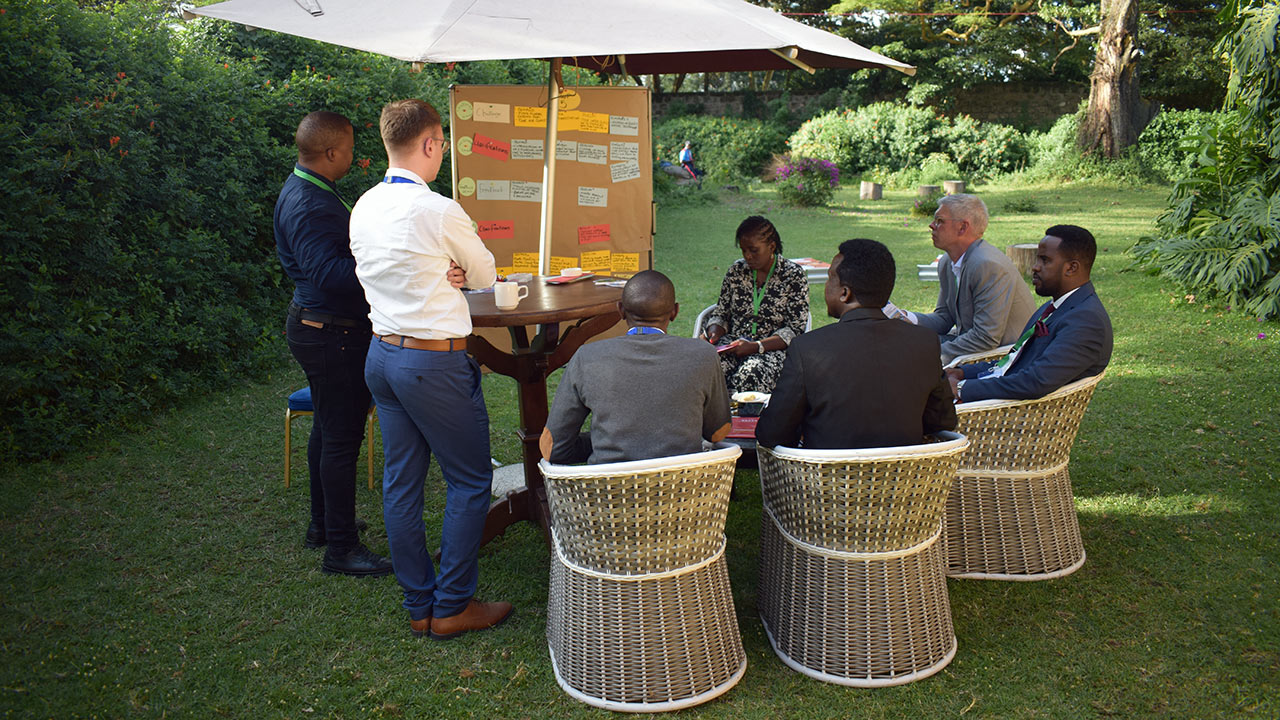
Nature-Based Solutions for Resilient Cities
How can cities use nature to become more resilient to climate change? The Learning Process brings together 26 municipalities and regional authorities from Germany and Sub-Saharan Africa to develop Nature-Based Solutions (NbS) for climate adaptation and sustainable urban development. Through workshops and continuous peer exchange, participants turn local challenges into practical solutions.
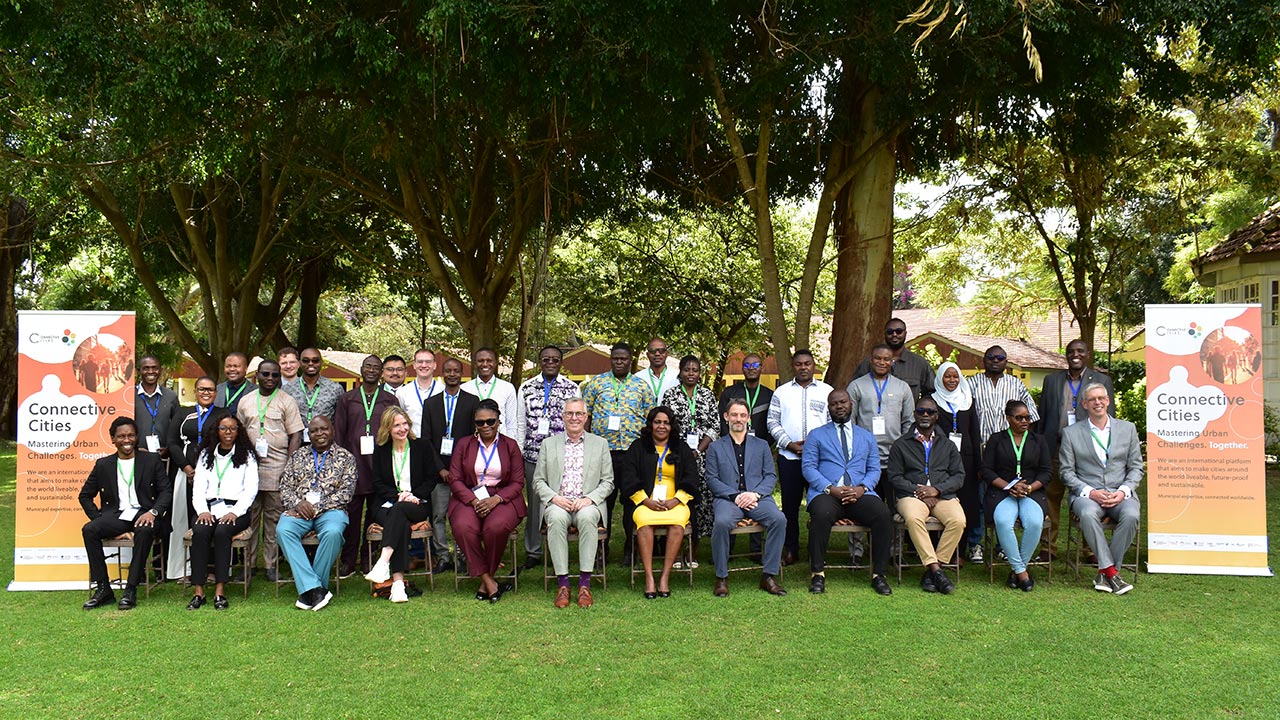
From Challenges to Solutions
The first workshop in Naivasha, Kenya, in April 2026 brought together more than 40 municipal practitioners, experts and decision-makers. Participants identified shared challenges, exchanged experiences and started developing locally adapted Nature-Based Solutions – from urban greening to ecosystem restoration and improved water management.
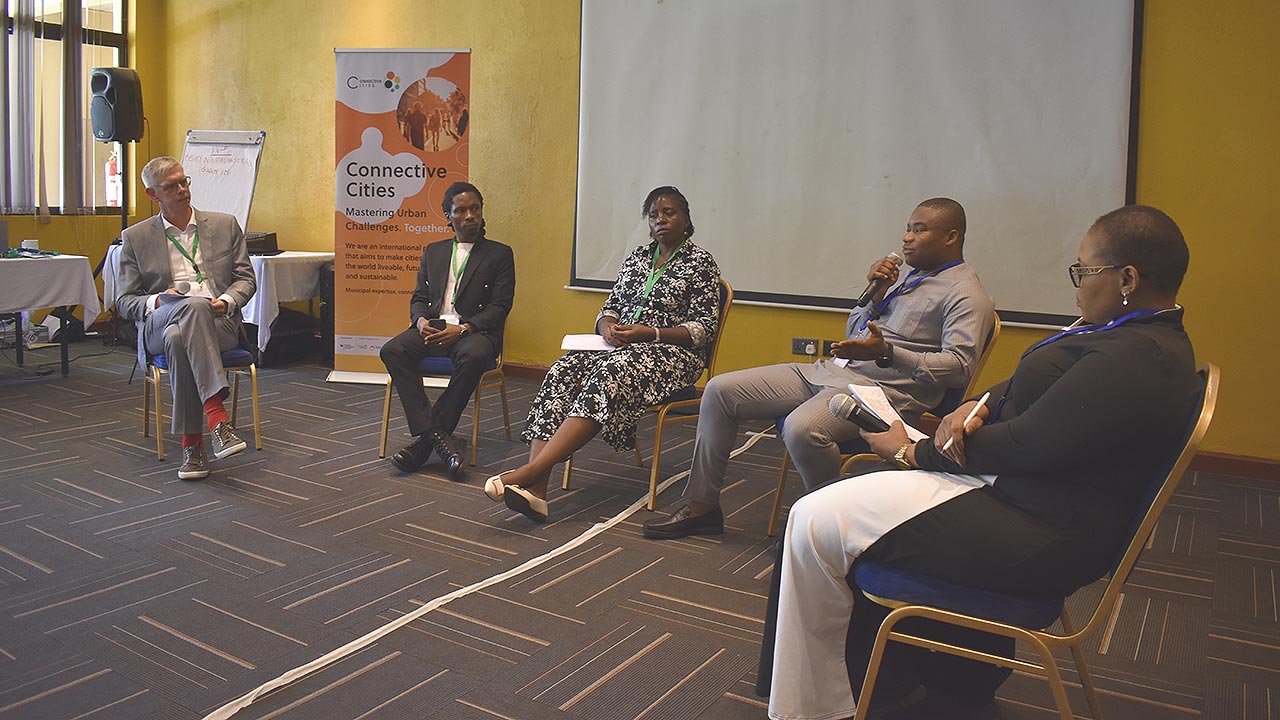
Turning Ideas into Local Action
The ideas are already becoming concrete: Méagui is planning a new public park, Cape Coast is restoring mangroves to strengthen coastal resilience, and Nakuru is rehabilitating part of the Njoro River. These and other initiatives will now be refined with peers and experts and moved towards implementation.
More about the Learning Process
Past Learning Process: Flood Risk Management for Risk-Informed Urban Development
As part of the learning process "Flood Risk Management for Risk-Informed Urban Development," 52 professionals from 26 cities in the SSA region collaborated to develop innovative solutions for risk management in urban systems. In cooperation with the Cologne City Drainage Department and the city of Cologne, the focus was on strengthening risk-conscious urban development and promoting a systemic, multi-hazard approach to disaster risk management. The learning process was implemented in collaboration with the "Resilience Initiative Africa" project.
Learn moreLearning Process
in the Middle East and North Africa
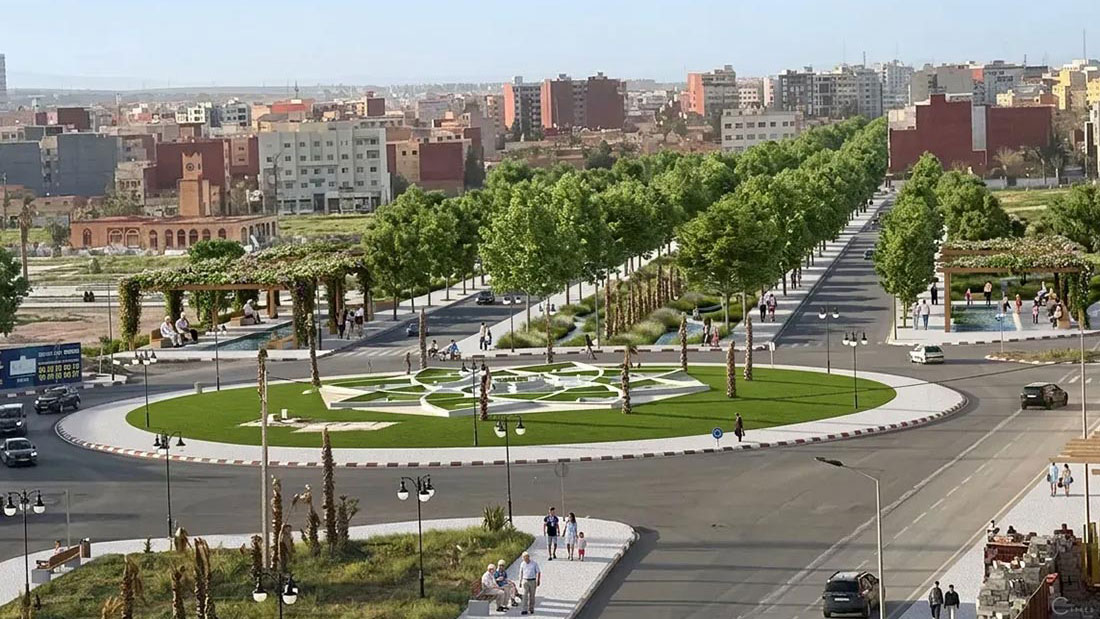
Green Corridors for Climate-Resilient Cities
How can cities become greener, cooler and more liveable as temperatures and climate risks rise? The Learning Process brings together municipalities and partner institutions from the MENA region and Germany to explore how green corridors can combine climate adaptation, sustainable mobility and attractive public spaces – particularly in densely used urban areas.
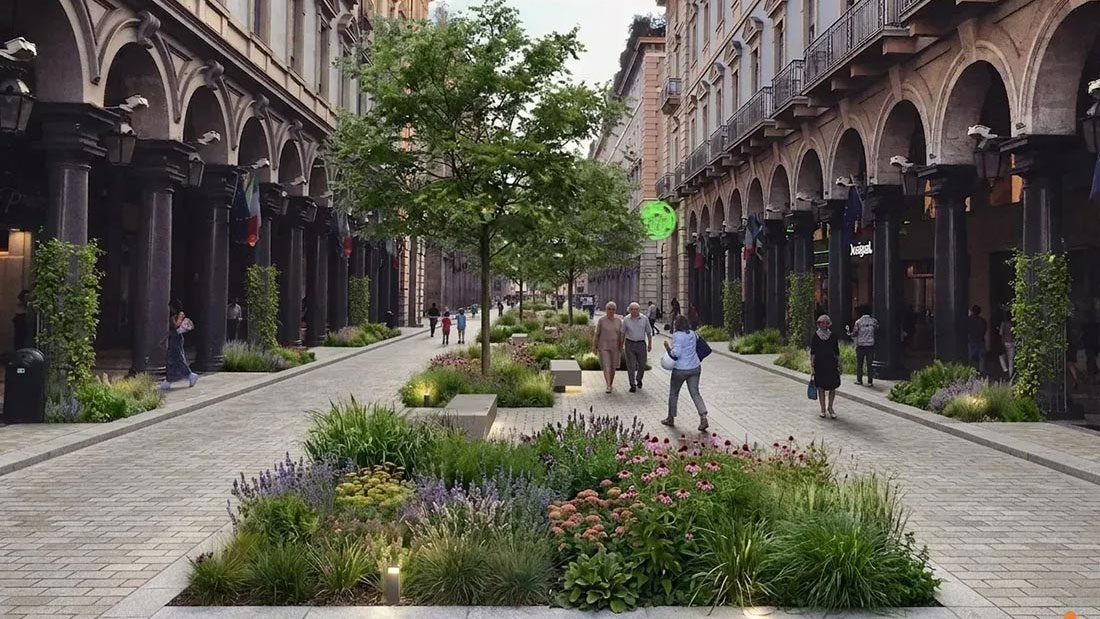
Reimagining Spaces
The Learning Process started with an online kick-off on 7 April 2026, involving around 70 participants from eight countries. Examples from Egypt and Germany showed how green corridors can provide shade and cooling, improve water absorption, support walking and cycling and create better public spaces. Using AI-supported visualisation, participants generated around 550 images of possible greener urban futures.
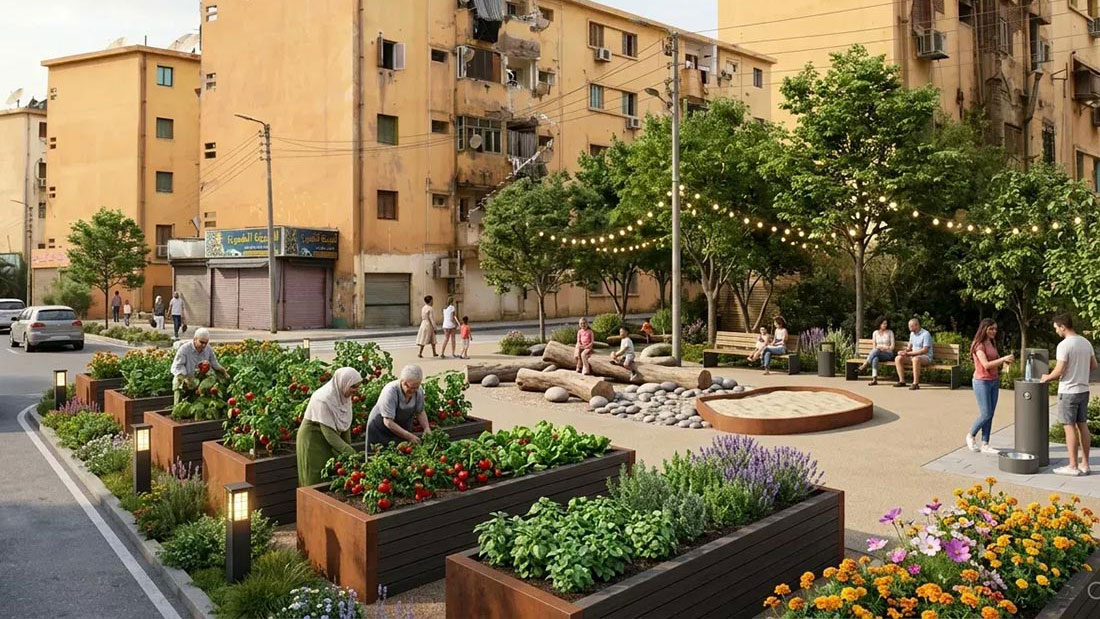
From Vision to Local Action
The next step is to turn these visions into concrete municipal approaches. Through peer exchange, expert support and an in-person workshop in Egypt in autumn 2026, municipalities will further develop their ideas and explore how green corridors can work in their local contexts – creating transferable solutions for more climate-resilient and liveable cities across the region.
More about the Learning Prozess
Past Learning Process: Measures for Cooler Cities
As part of the "Action for Cool Cities" learning process, municipalities participated in various modules to develop solutions for climate-friendly urban design. The first step was a virtual kickoff event where good practices for reducing CO2 emissions and improving outdoor comfort were presented. In a subsequent workshop in Amman, participants developed ideas and prototypes for creating climate-friendly public spaces, improving communication between urban departments, and optimizing building regulations. The municipalities developed actionable concepts and tested them in an iteractive process.
Learn moreLearning Process
in Southeastern Europe and the Caucasus
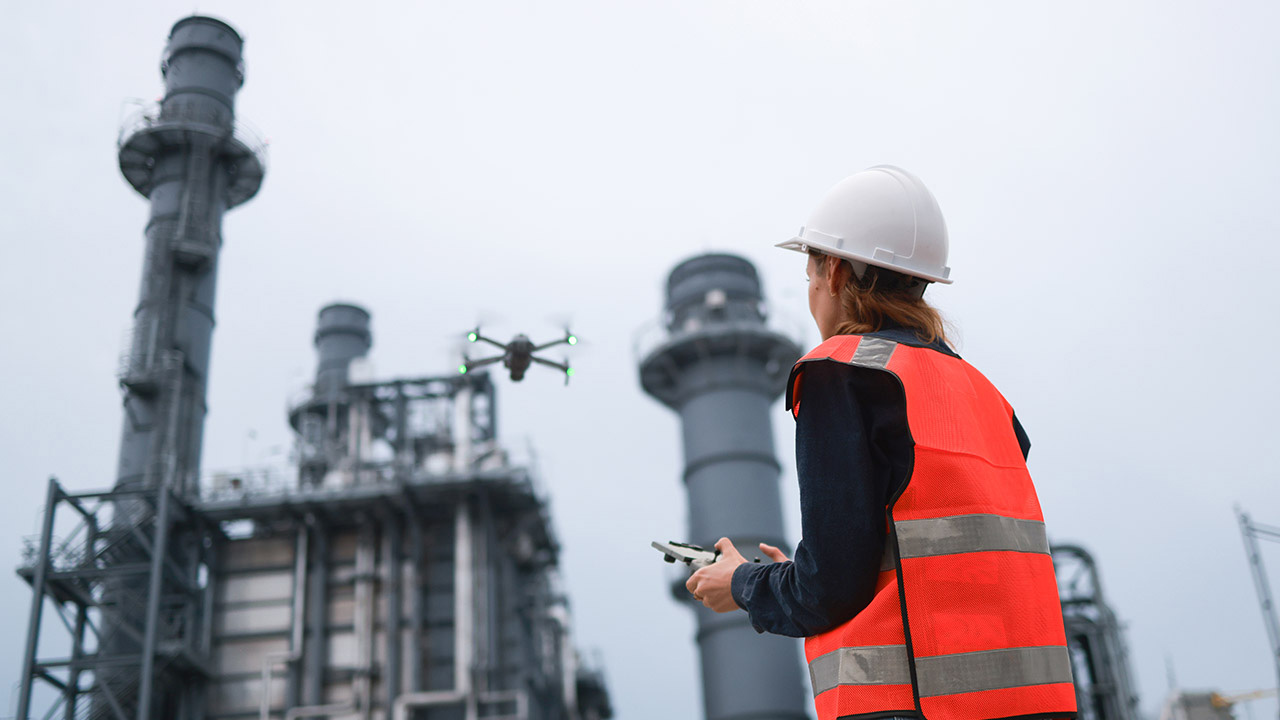
Safeguarding Critical Infrastructure
Safeguarding Critical Infrastructure English What happens when a power outage also disrupts water supply, communications or emergency services? The Learning Process brings together 30 municipal practitioners from 13 municipalities in nine countries across Southeast Europe, the South Caucasus and Germany. Together, they explore the interdependencies between essential services – and practical ways to make critical infrastructure more resilient.(Photo: onuma Inthapong | istock)
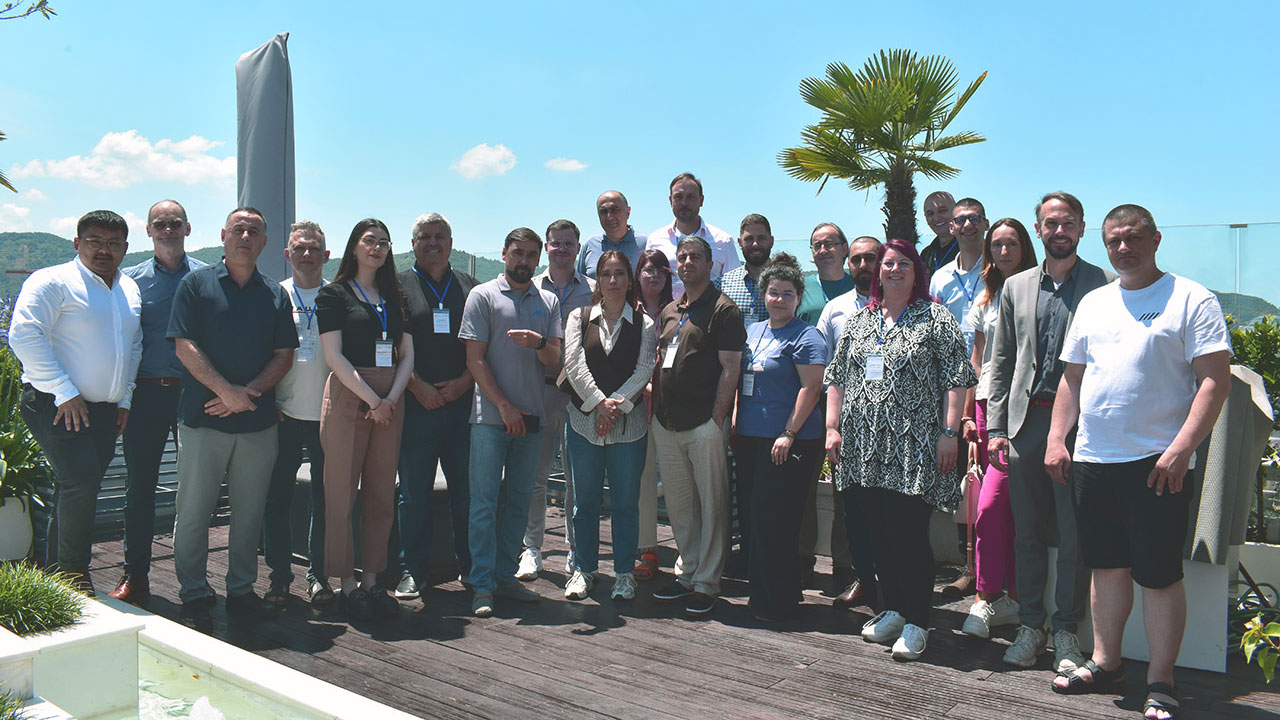
From Vulnerabilities to Local Action
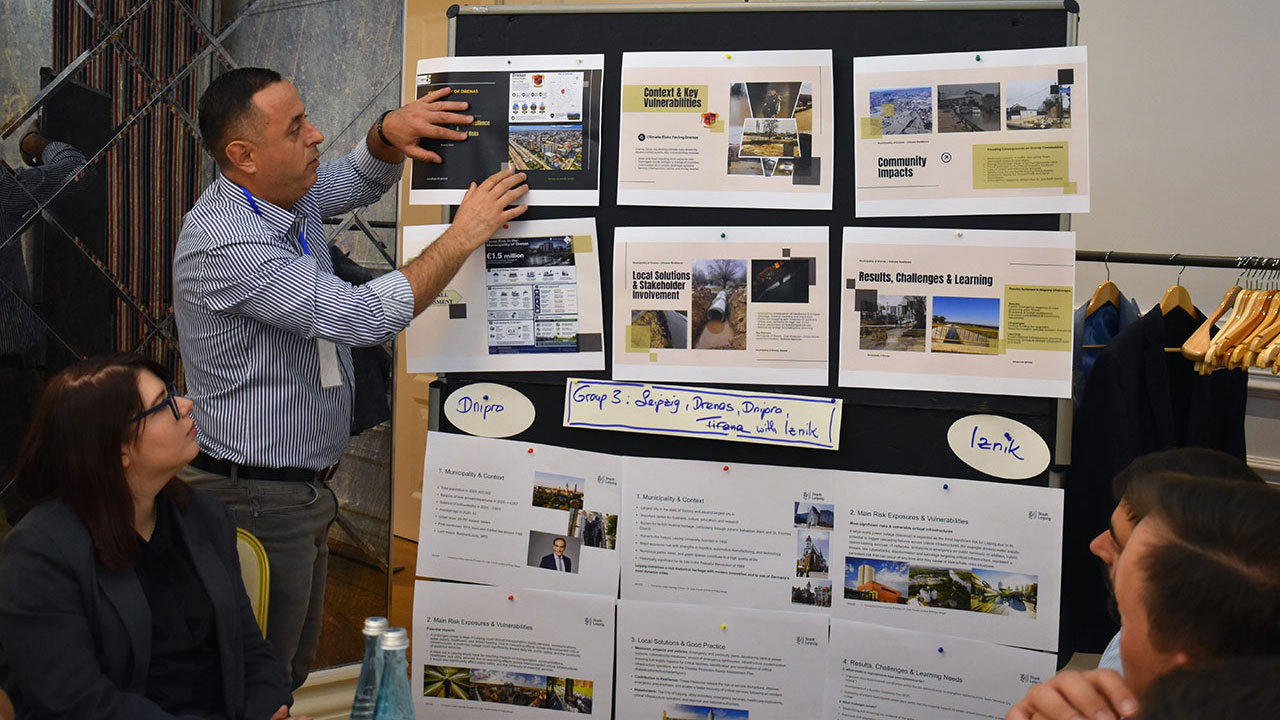
At the first in-person workshop in Tirana in June 2026, participants analysed vulnerabilities and cascading risks across critical infrastructure. Shared challenges included ageing infrastructure, insufficient backup systems, limited data and fragmented responsibilities. Municipal experiences from Germany, Albania, Ukraine and across the region provided practical approaches for strengthening resilience.
Eleven Municipal Action Plans: From Planning to Implementation
The workshop resulted in eleven municipal action plans: from backup power for district heating in Drohobych and digital infrastructure mapping in Kraljevo to crisis communication in Leipzig, flood prevention in Drenas and a municipal resilience centre in Priboj. Each turns an identified vulnerability into concrete steps towards implementation. The Learning Process now moves towards implementation. Through peer exchange, expert support and follow-up workshops, municipalities will refine their initiatives, test practical measures and share lessons from implementation. The aim is to turn local solutions into transferable approaches for strengthening critical infrastructure resilience across the region.
Documentation of the Kick-off Workshop in Tirana
Past Learning Process: Renewable Energy Options at the Municipal Level
The learning process on "Renewable Energy Options at the Municipal Level" in Southeastern Europe, which started in October 2023 in Tbilisi, continued in June 2024 with a workshop in Sarajevo. 19 municipalities from seven countries engaged in intensive peer-to-peer exchanges to refine their projects. Through workshops and feedback sessions, concrete, actionable solutions were developed, including sustainable financing concepts and energy-efficient technologies for public buildings. The proceedings were concluded in March 2025.
Learn moreDiscover exciting events and in-depth insights
