

Highlights of the 2026 UCLG World Congress
Public service delivery, local gender equality policy and the start of a new governance cycle
From 22 to 25 June 2026, the World Organisation of Local Authorities (UCLG) held its World Congress in Tangier, Morocco. With the theme of ‘A New Generation of Universal Local Public Services’, over 3,000 delegates from around the world gathered.
The organisation brings together national associations of local authorities, as well as over 1,000 local authorities from seven regions of the world: Africa, the Asia-Pacific region, Europe, Eurasia, the Middle East and West Asia, and Latin America and North America. The UCLG therefore represents around five billion people, accounting for 70 per cent of the world’s population.
The UCLG World Congress is held every three years. Alongside the technical discussions held in numerous Barcamps and side events, and the many networking opportunities, the Congress marked the start of a new governance cycle for the international local government movement. The Presidium, which consists of a President and six Co-Presidents representing different regions, was re-elected. The delegates elected Uğur İbrahim Altay, Mayor of Konya, Turkey, as the new UCLG President for the 2026–2029 term.
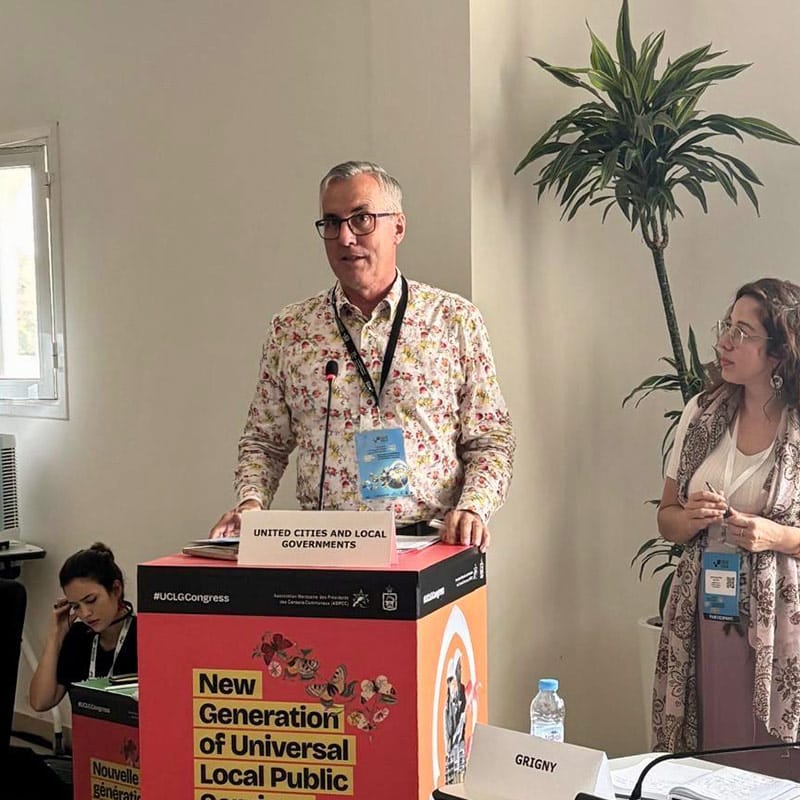
The Congress also renewed UCLG’s governing bodies, including the World Council and the Executive Bureau. Representing Germany on the new World Council are Dr Ursula Sautter (Mayor of Bonn), Jörk Cardeneo (City Councillor, Düsseldorf) and Andreas Wolter (City Councillor, Cologne). The election process reflects UCLG’s commitment to balanced regional representation and shared political leadership within the global municipal movement.
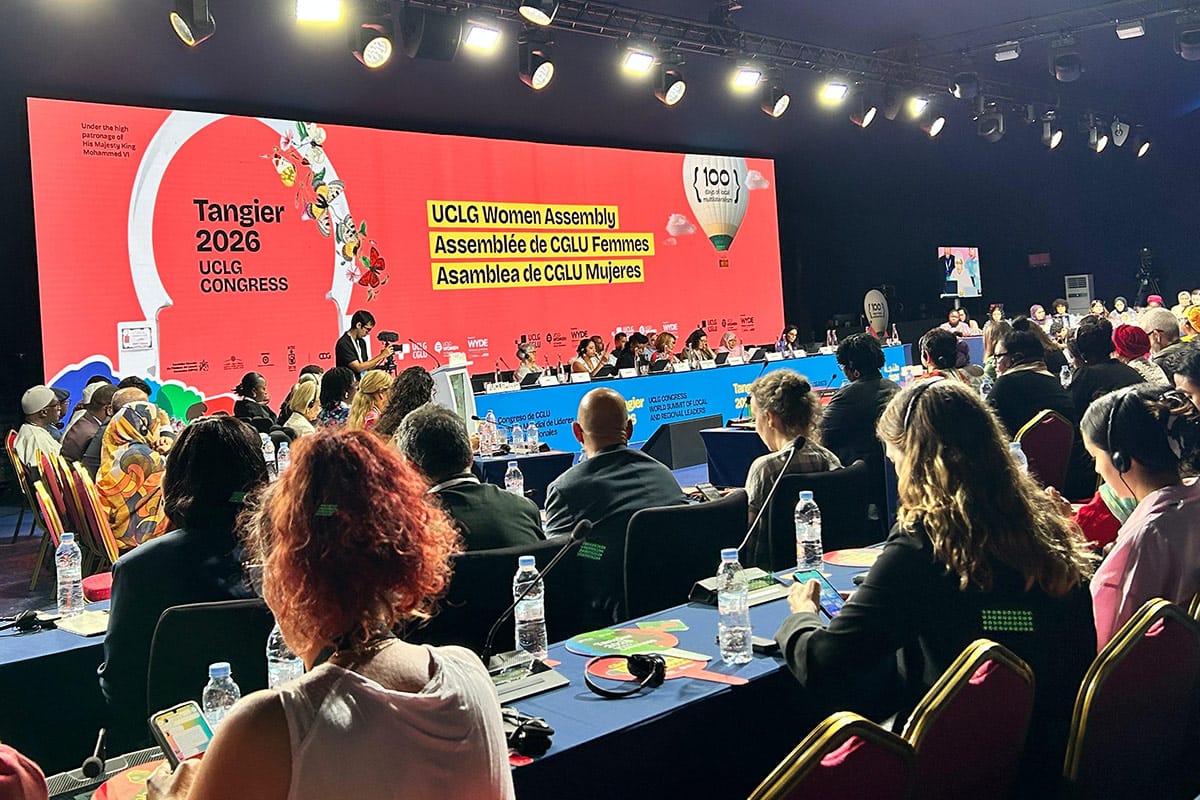
Another milestone was the first-ever UCLG Women’s Assembly, which brought together women mayors, governors and local leaders from around the world. Discussions focused on advancing gender equality in local governance, strengthening women’s political leadership and further developing the Feminist Municipal Movement within UCLG. The Assembly reaffirmed that gender equality is a fundamental component of resilient, inclusive and future-oriented local governance. During the Assembly, Mayor Dr Ursula Sautter also proposed introducing a gender-balanced co-presidency model for the next UCLG mandate.
In the ‘Tangier Outcome Document – A New Generation of Universal Local Public Services’, the delegates also reaffirmed the central role of local and regional governments in providing inclusive, accessible and resilient public services. The focus was on issues such as affordable housing, climate resilience, digital transformation, social inclusion and international municipal cooperation.
In this context, the Connective Cities Lab ‘From Challenge to Practice: How Municipalities Turn Local Plans into Public Services’ demonstrated how how structured peer learning can support municipalities in bridging the gap between planning and implementation and in developing practical solutions to shared urban challenges.

© Connective Cities