Strengthening the voice of cities and accelerating the implementation of the SDGs

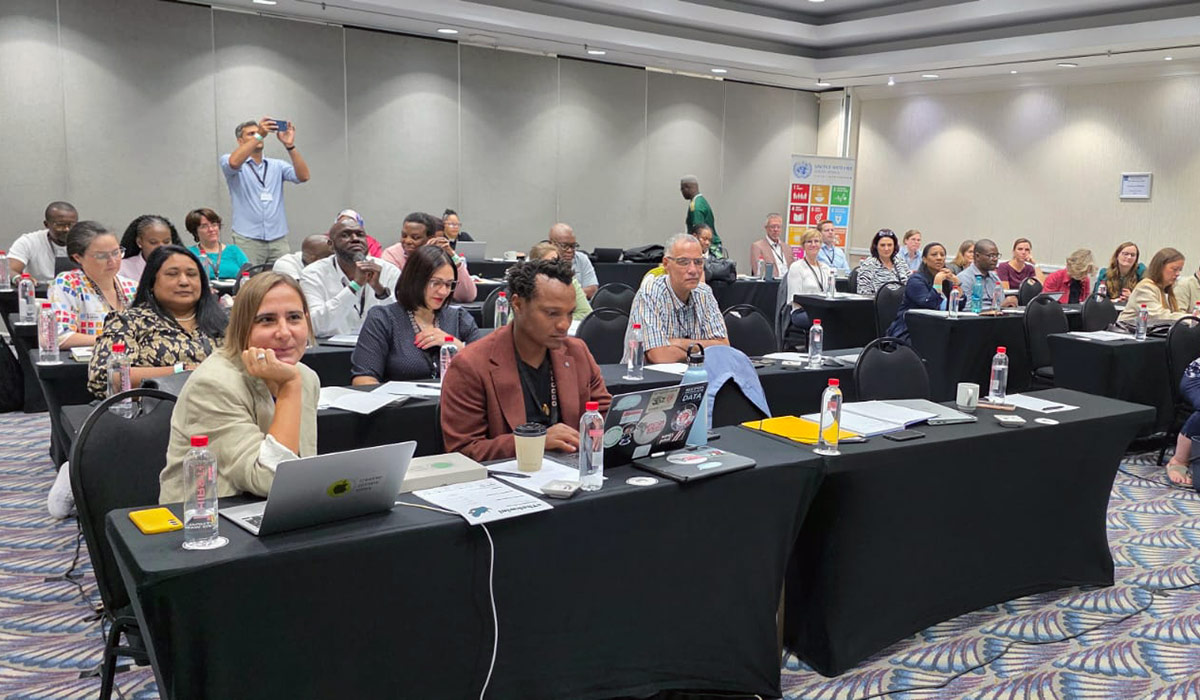
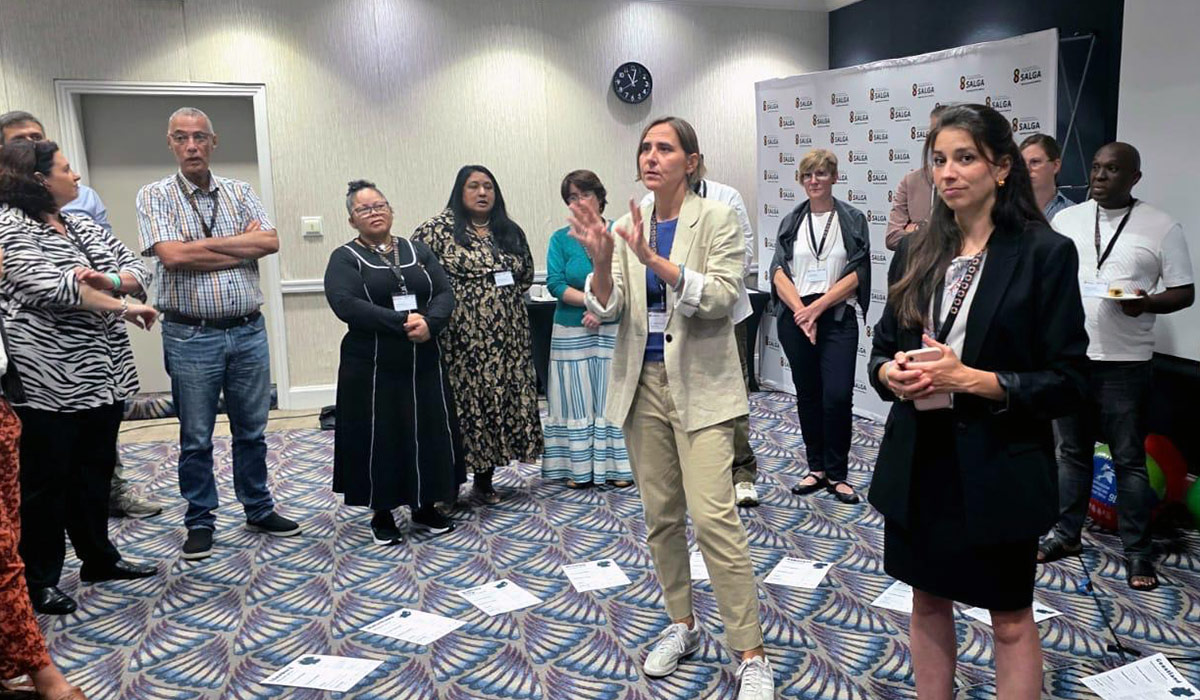
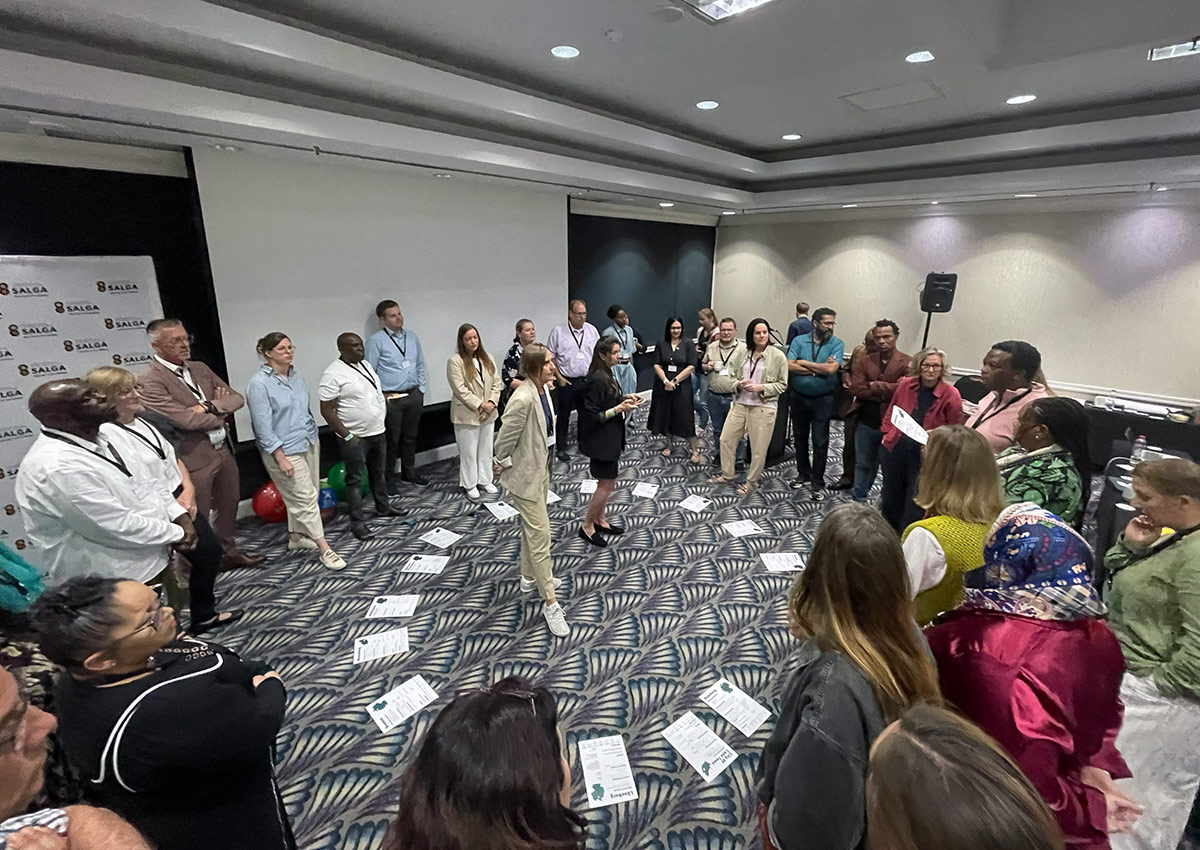
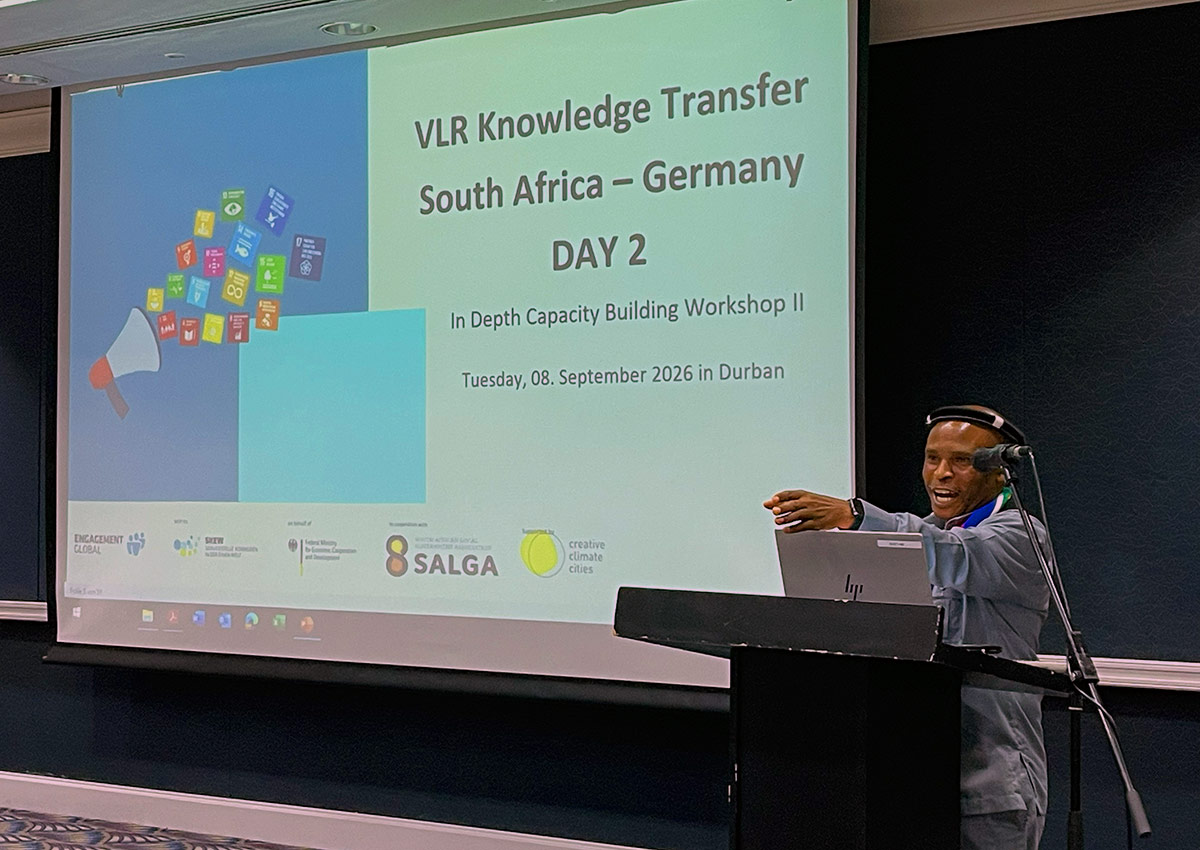
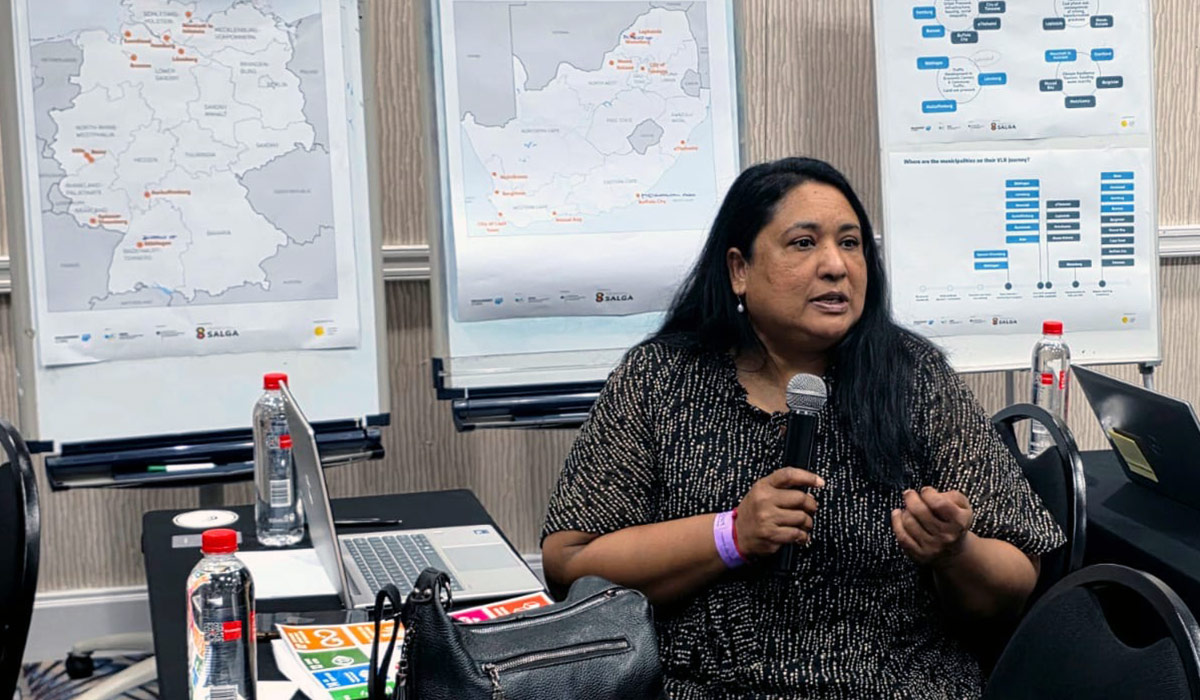
On a voluntary basis, more and more municipalities are reporting on the implementation status of the 2030 Agenda‘s Sustainable Development Goals (SDGs) at the local level in so-called Voluntary Local Reviews (VLR) or Voluntary Sub-National  Reviews (VSR) at the regional level. These serve as a supplement to the national reports (VNRs) of governments and are presented each year at the United Nations High-Level Political Forum (HLPF) in New York. This leads to greater visibility for the local level regarding the international level and highlights its central role in implementing the SDGs. However, in many countries, there is more talk about local governments at the national level than with them when it comes to developing national sustainability strategies. Yet it is at the local level that over 65% of the SDGs are implemented (or not).

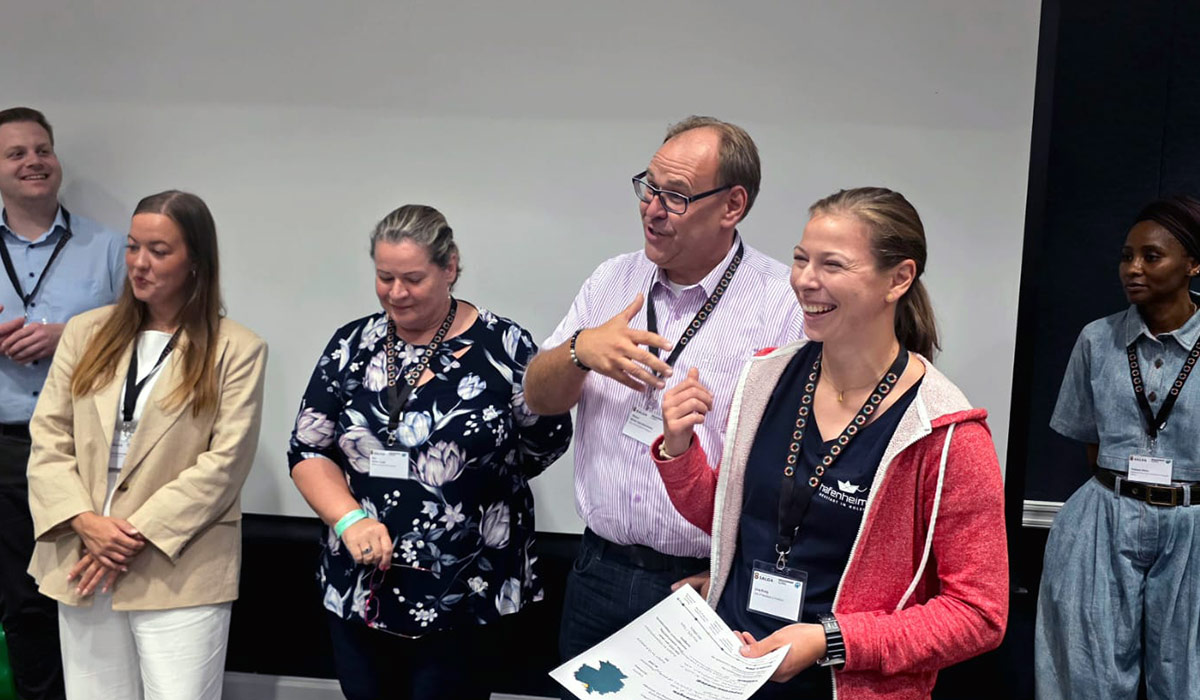
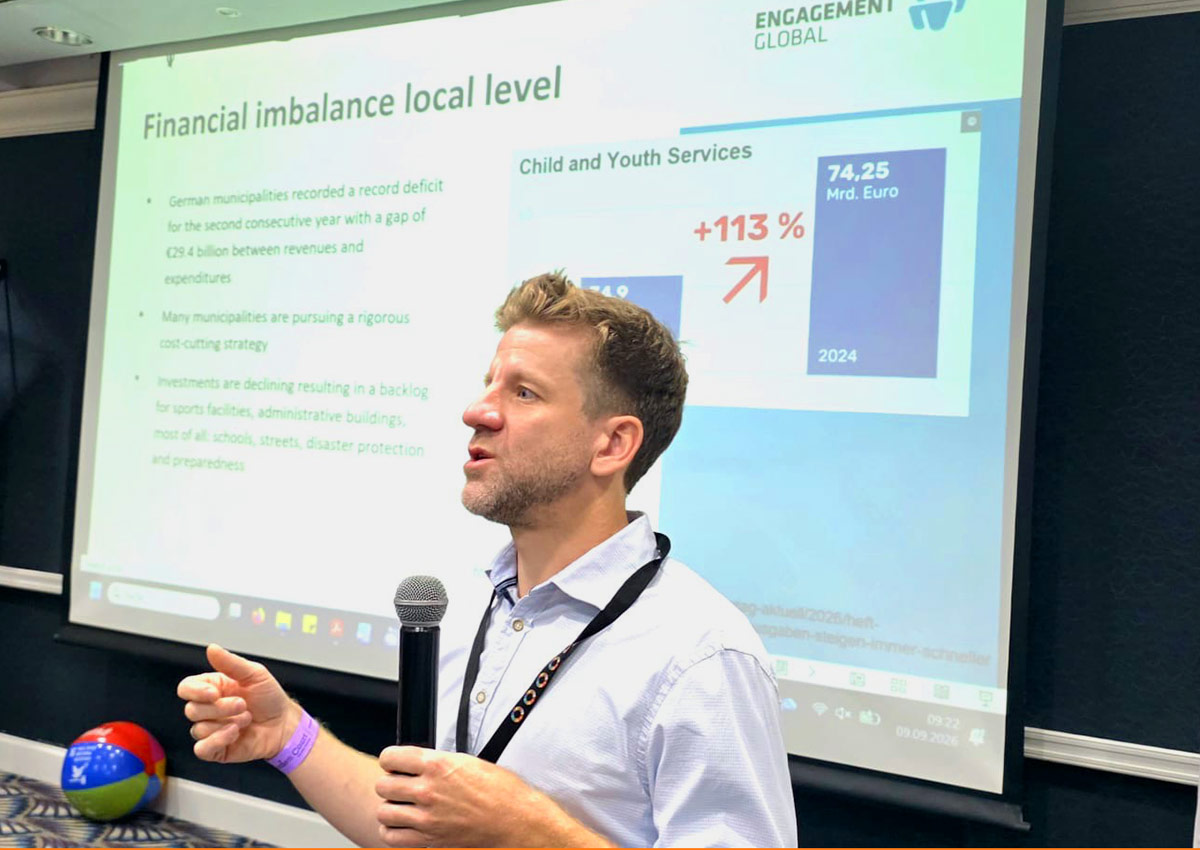
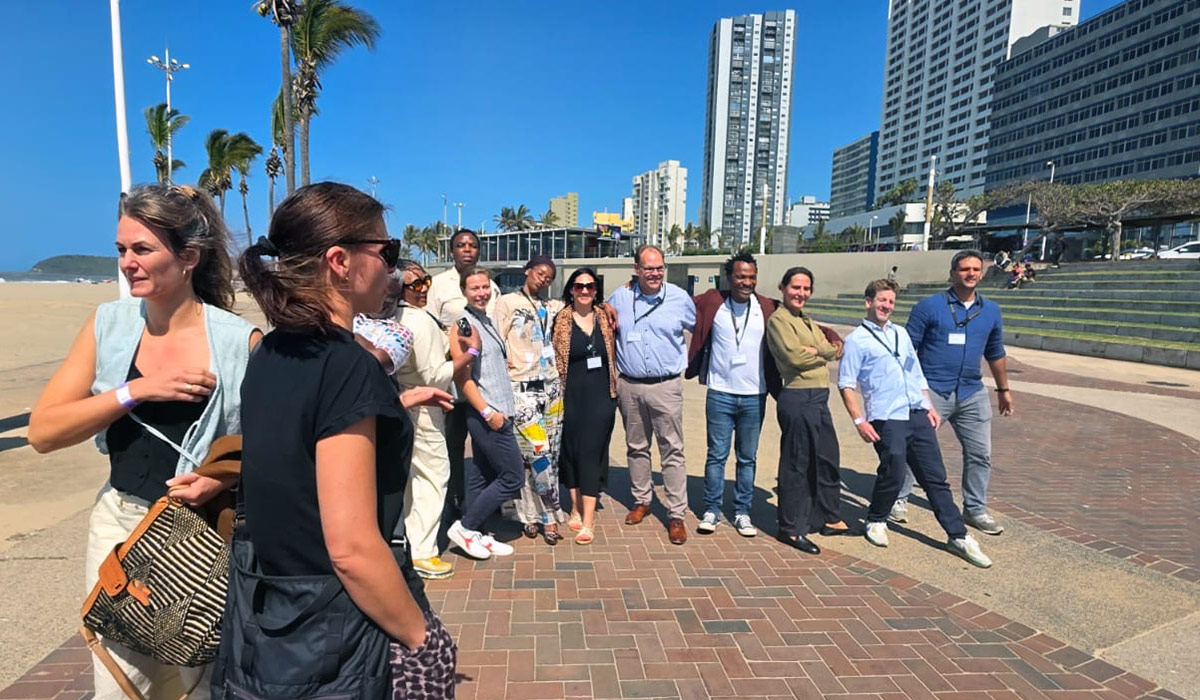
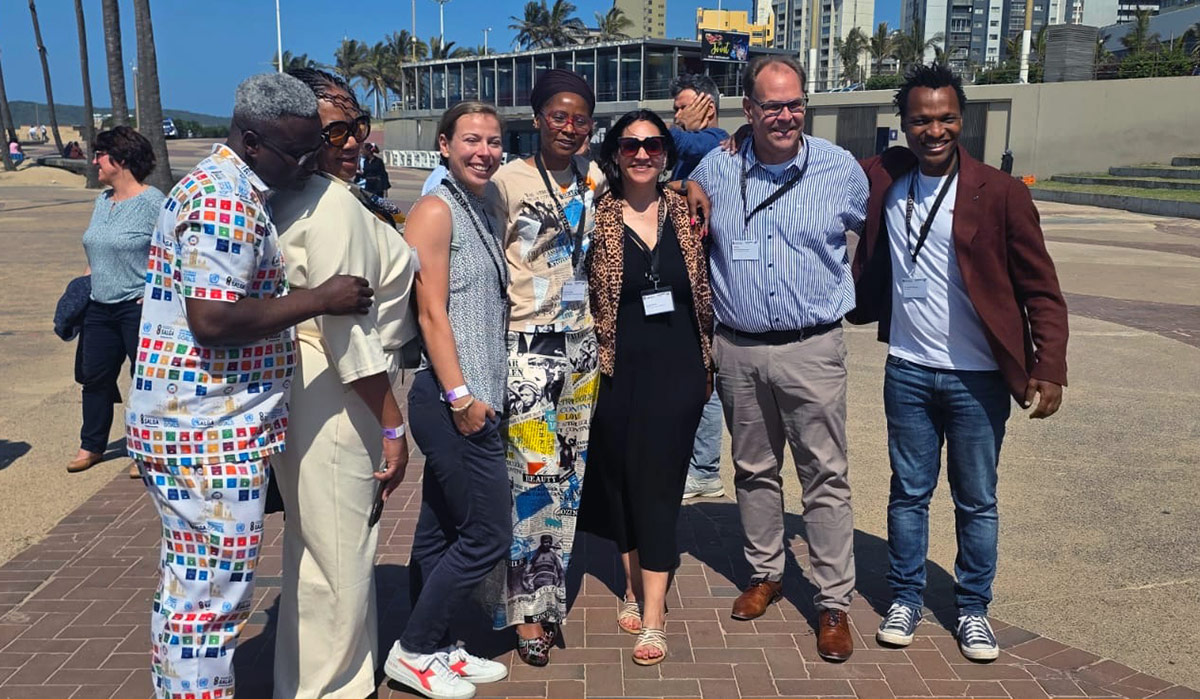
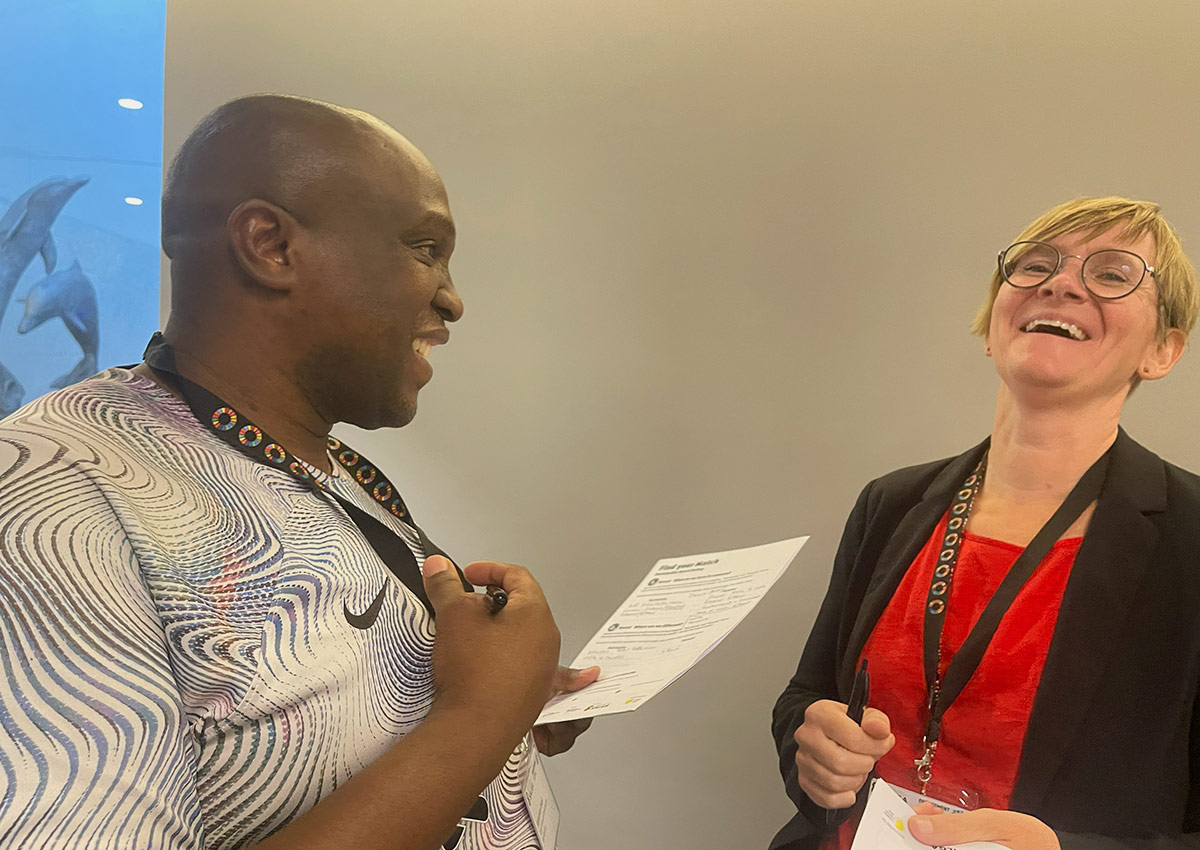
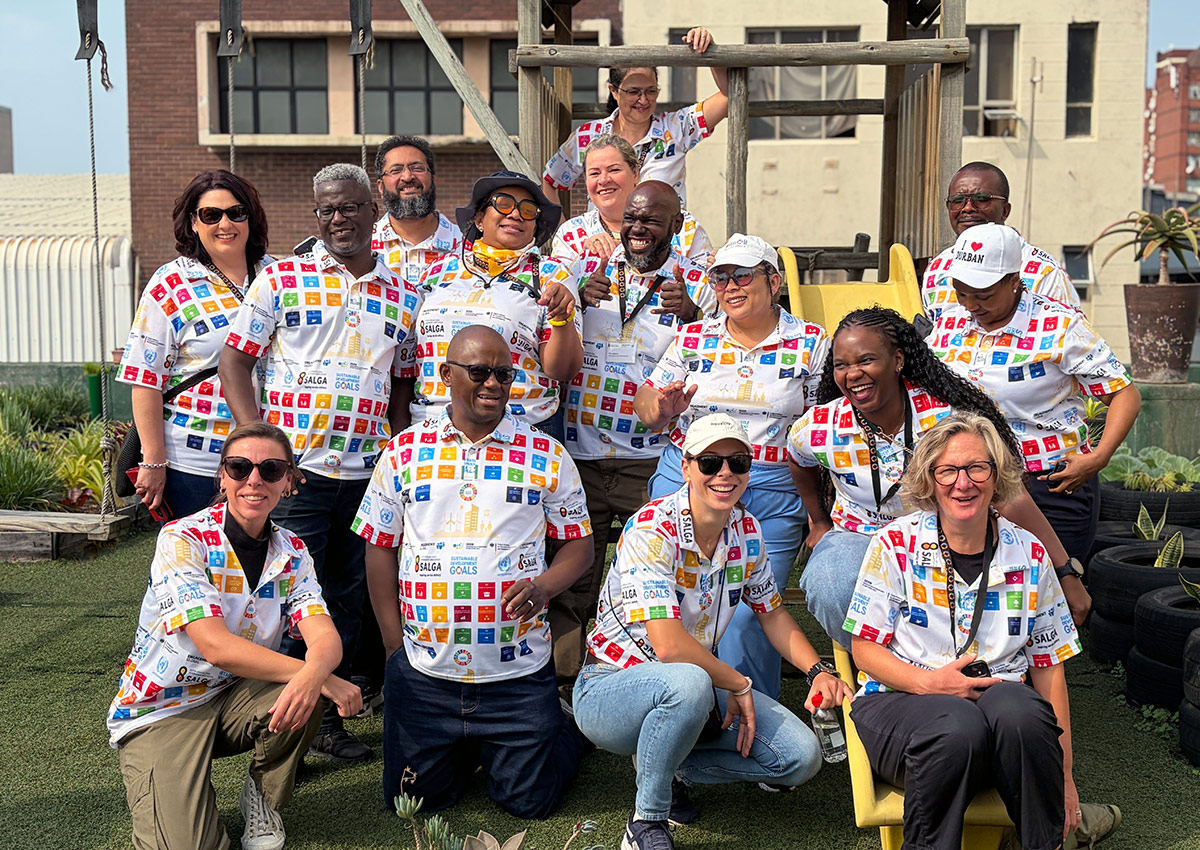
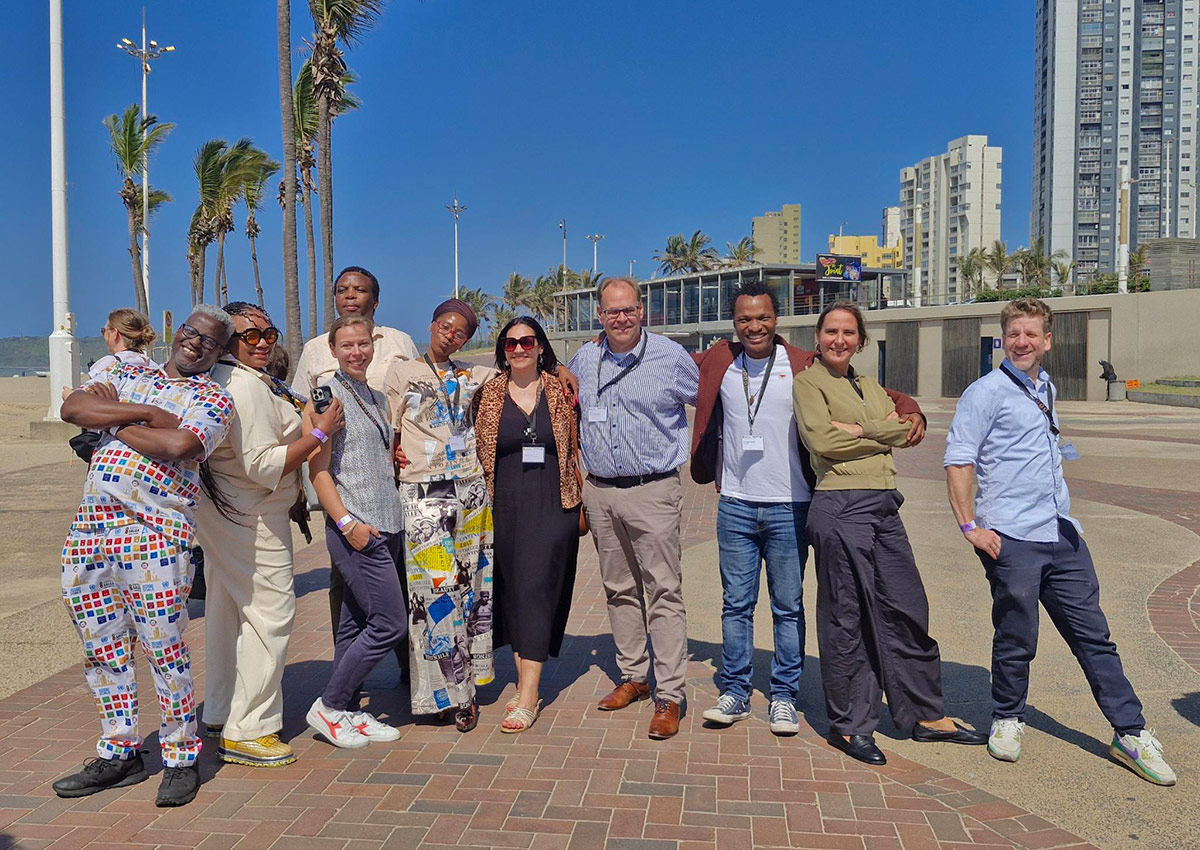
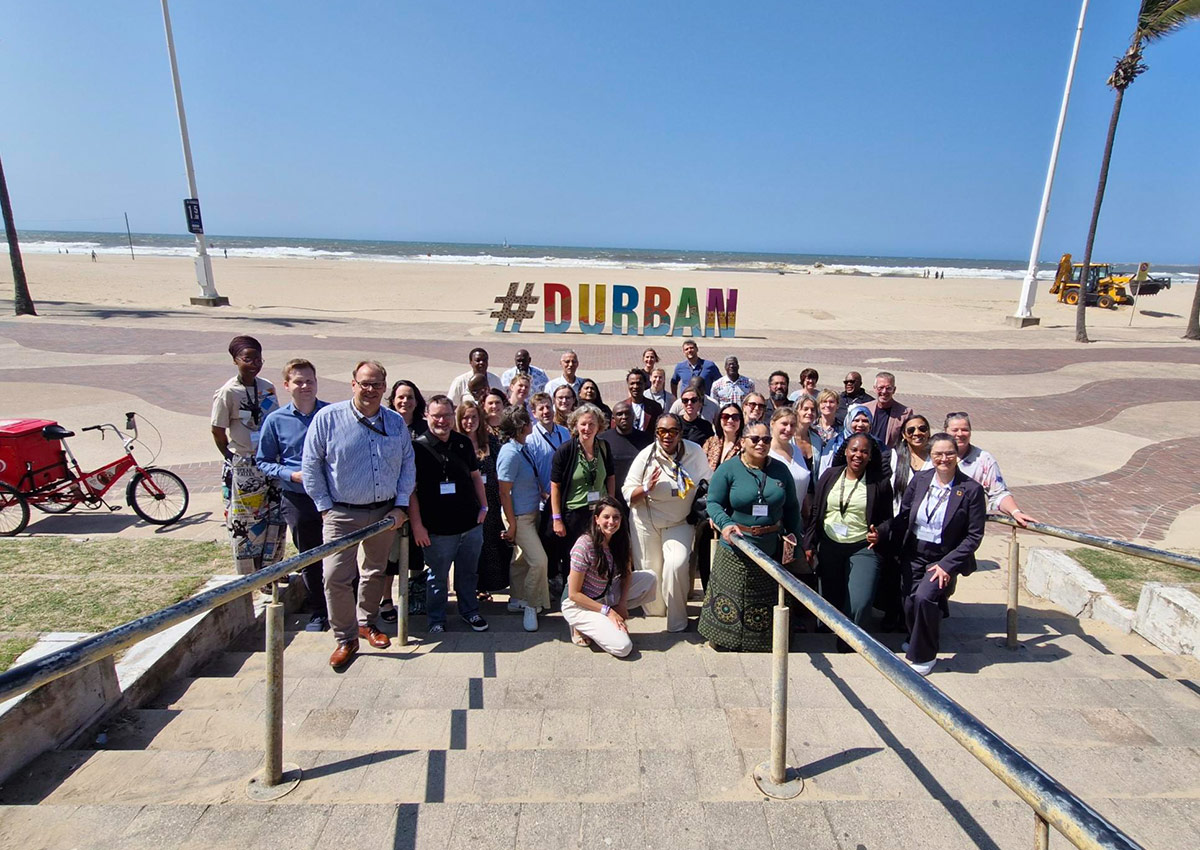
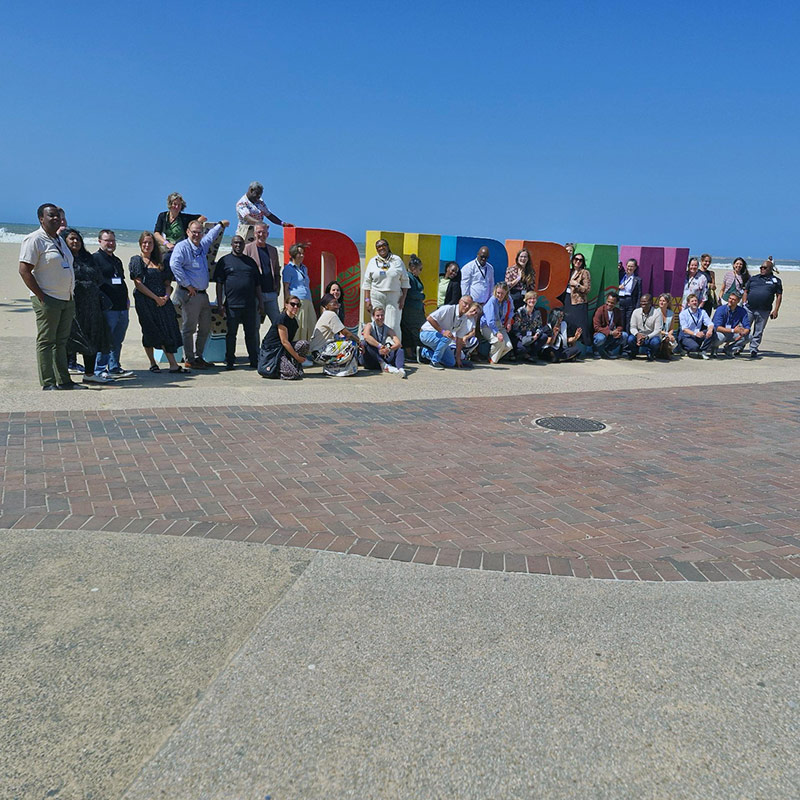
At the beginning of December 2024, Connective Cities therefore launched a learning process on sustainable reporting at the local and regional level. The aim was to improve the preparation of VLRs and VSRs through an international exchange of experiences, accelerate the implementation of the SDGs, and ultimately promote dialogue between the local, regional, and national levels. For the first time,  representatives of municipal associations consulted with their colleagues from city administrations in a dialogue event organized by Connective Cities. Regional diversity, with perspectives and practical examples from South America, sub-Saharan Africa, Germany, Southeast Europe, and Asia, vividly fuelled the discussion and contributed to the success of the process.

Autor: Burkhard Vielhaber

Connective Cities Summary & Outlook Event “2nd Hands on Public Buildings. Reuse of modernist buildings”

Building and demolition account for about 60% of carbon emissions and for more than 30% of waste generation. The reuse of buildings is an essential strategy towards a more sustainable building sector. Plus, the decision to reuse an existing building can save municipalities up to 15% of construction and demolition costs. We would therefore like to invite you to join our 2,5h online-event in September and learn more about the successful reuse of public buildings – maybe this insights will come in handy in your work environment?

Please register here and confirm. You will receive the meeting link via email.

Last September, a Connective Cities dialog event in cooperation with the Berlin Senate Department for Urban Development, Building and Housing was dedicated to this paradigm shift. Around 30 municipal experts from Germany, Kenya, Montenegro, the Palestinian Territories, Zambia and Ukraine exchanged ideas on solutions and challenges for the sustainable reuse of modernist buildings and worked together on individual project ideas.

On September 22, 2025, the Connectve Cities Summary and Outlook Event will allow participants and further municipal experts from Germany and worldwide to:

  • Look back on the one year long learning process and the projects’ advances
  • See examples for the revitalization of public buildings from a donors’ perspective
  • Get input on the importance of reuse projects for the global SDGs
  • Get input on the reuse of building parts by practitioners
  • Learn about your opportunities to engage in German development cooperation


The working language of the event is English. Please find the agenda attached. Contact us regarding any questions you might have: connective-cities@engagement-global.de.


Building New Bridges: Integration of Syrian cities in Connective Cities regional network

This workshop contributed to strengthening the exchange of municipal experiences and paved the way for Syrian cities to be integrated in the network and become active members. Representatives from Damascus and Reef Damascus Governorates shared the current state of comprehensive planning, highlighting the challenges of pursuing a long-term vision for sustainable development while aiming to turn the complexities of post-war reconstruction into an opportunity to build back better.

The participants sit at two round tables and listen to the lecture on Damascus.
Participants during the lecture on planning in Damascus | Photo: Muna Shalan, Connective Cities
A colleague from Amman during the PowerPoint presentation on the digitisation process in his city.
Presentation of the digitisation process in Amman | Photo: Muna Shalan, Connective Cities

They also discussed their aspirations for digital transformation in their city administration. Their counterparts from Greater Amman municipality delved into practical experiences in these thematic fields, sharing a wealth of knowledge and lessons learned grounded in the local context of implementation.

Collage of three photos showing students discussing in small groups.
Peer consultation and presentation of good practices | Photo: Muna Shalan, Connective Cities

Through interactive peer learning activities, the participants showcased good practice examples and fleshed out success factors and impediments faced by municipal workers in the process of city planning, municipal service delivery, and digital transformation. The discussions created an open and honest exchange, allowing both sides to learn from each other’s successes and obstacles.

Two photographs showing the participants standing in a semicircle on the grounds of the Al-Zuhour Green Triangle while the project is being explained to them
Field visit to Al-Zuhour Green Triangle – a model for green infrastructure | Photo: Muna Shalan, Connective Cities

A site visit to a good practice example was also organized as part of the workshop namely to  Al-Zuhour Green Triangle – a model for green infrastructure. On an area of 2300 sq. m, this pilot project that was implemented by Greater Amman municipality and UN-Habitat Jordan demonstrates two concepts of green stormwater management; stormwater bioretention and stormwater detention.

The workshop resulted in a roadmap for future cooperation and institutionalization of knowledge exchange, which outlined priority action areas. Key focus areas include legislation and governance, with an emphasis on fast-tracking a fair reconstruction law in Syria, adopting standardized tendering and contracting procedures, and activating public-private partnership (PPP) frameworks where appropriate. In terms of decentralization, participants agreed on the need to delegate selected powers—particularly in transport and traffic management—to municipalities, supported by technical committees to ensure that master plans align with sectoral strategies. Strengthening resources and capacities was also identified as critical, including securing adequate human and financial resources, and investing in in-house expertise and ongoing training.

The participants, some standing and some seated in the conference room, with a screen displaying the Connective Cities logo in the background.
Group photo of participants | Photo: Muna Shalan, Connective Cities

Placing the community at the center of urban planning emerged as another key principle, with commitments to maintain public participation through Citizen Hubs and feedback mechanisms that reflect both the social and economic dimensions of urban life. Finally, under the banner of “Build Back Better,” participants called for addressing data gaps, improving cross-sectoral coordination, and using reconstruction as a platform for long-term, sustainable development.

Further information about the presentations can be found on Connective Cities platform.

Call for participants: Urban Labs – Tried and Trusted

Urban Labs have emerged globally as a valuable public policy tool, enabling regular collaboration among diverse stakeholders to co-create innovative solutions for complex urban challenges. These platforms emphasize participatory, cross-sectoral, and inclusive approaches. However, the implementation and experiences of Urban Labs vary significantly from city to city.

This event aims to bring together urban practitioners and city representatives from Southeast Europe and Germany, along with experts from multiple sectors, to explore and discuss the transformative role of Urban Labs in shaping sustainable and resilient cities.

The gathering will promote knowledge exchange, foster new partnerships, and inspire actionable strategies among key stakeholders in urban planning, sustainability, and innovation.

In addition, the GIZ Georgia bilateral project Sustainable Urban Development (SUD) has produced a publication titled “Urban Labs: Tried and Trusted”. This publication offers an in-depth overview of the Urban Lab concept, highlighting their practical impact across different cities. It outlines how Urban Labs operate, showcases real-world examples, and explores the key phases, internal processes, and external factors critical to their success.

Target Audience

  • City representatives and urban practitioners  

from Southeast Europe, Germany and other European countries engaged in urban transformation and policy development.

  • Non-Governmental Organizations:  

Organizations involved in urban development, community engagement, climate action, sustainability, and social innovation.

  • Academic Institutions 

Researchers, scholars, and students focusing on urban studies, innovation, sustainability, and public policy.

  • Urban Planning and development Experts:

Urban planners, and municipal representatives from Georgia and other SEE countries with an interest in urban innovation and sustainable city development.

  • International Experts:  

Representatives from international organizations and professionals with practical experience in designing, implementing, or supporting Urban Labs around the world.

Participation and contact

We herewith kindly invite you to participate in the upcoming Insight Session taking place on Thursday, 17th July 2025, 13:30 – 15:30 CEST. The event is addressed to urban practitioners from local governments as well as from academia, the private sector and civil society. The conference language is English with simultaneous translation in Georgian.

Further information and enrolment here: https://community.connective-cities.net/en/insightsession-urbanlabs

If you have any further questions about the programme or your participation, please do not hesitate to contact us:

Ketevan Papashvili – Regional Coordinator in Southeast European Region: Ketevan.papashvili@giz.de

Jimmy Yoedsel – Junior Advisor Connective Cities: jimmy.yoedsel@giz.de

Date:    Thursday, 17th July 2025, 13:30 – 15:30 (CEST, Berlin time)
Location:    Virtual Event on Connective Cities Community
Enrolment: https://community.connective-cities.net/en/insightsession-urbanlabs

Conference Tool:            Big Blue Button (best operated with Chrome or Firefox)
Conference language:    English/Georgian

Results of the Connective Cities Deep Dive process ‘Heat in the city’

How does your city deal with increasing heat? What can you do to protect the urban population from the impacts of heat burden in cities?

We would like to invite you to learn from the intensive exchange of expertise between the cities of Aswan in Egypt, Heidelberg and Lüdenscheid in Germany, Mombasa and Nairobi in Kenya and Lviv in Ukraine. The experts jointly identified and analysed challenges and developed locally-adapted solutions in the form of pilots that were implemented in their respective cities. We would like to present and discuss the results of the two-year deep dive process ‘Heat in the city’ on 12 June 2025, from 9:00 – 12:00 am:

You will have the opportunity to ‘dive’ into the projects and understand which key elements are important for successful implementation and upscaling in the future. In Lüdenscheid, efforts began with forming a multi-departmental core team to guide the development of a comprehensive heat action plan tailored to the city’s needs. Meanwhile, in Aswan, an integrated heat action framework was developed to address the unique challenges of the region’s hot climate. In Mombasa, initiatives focused on raising awareness and mapping urban heat island hotspots to inform better both stakeholders and citizens. Similarly, in Nairobi, schools became the focus of heat mitigation efforts, using temperature data to guide the strategic planting of shade-providing fruit trees, complemented by awareness programs aimed at students and educators. Meanwhile in Lviv, the participatory initiative of pocket parks was successfully launched in three different sites. Heidelberg is planning both to create a climatological database for all public spaces and outdoor areas and to develop up to three best practice examples for urban heat mitigation in public spaces.

The event is aimed at municipal experts from Germany and around the world as well as at potential donors and financial institutions who may be interested in supporting the projects. We look forward to welcoming you!

The working language of the event is English. In order to attend the meeting, subscribe here.

For more information, please contact Sibylle Loyeau sibylle.loyeau@engagement-global.de

The Voluntary Local Review (VLR) of Amman: Accelerating the implementation of the Sustainable Development Goals

With four million inhabitants, the Jordanian capital is home to around 40 per cent of the country’s total population. In 2021, Amman’s city administration, the Greater Amman Municipality (GAM), decided to create a VLR – the first in the Arab region. In the summer of 2022, the VLR was finalised and presented together with the Voluntary National Review (VNR) at the UN High-Level Political Forum in New York.

The VLR has proven to be a complete success – both as an analytical tool and as a process:

  • An ‘ecosystem’ for collecting validated data has been developed.
  • Sustainability goals (SDGs) were integrated into various areas of policy, strategy development and administrative action.
  • New formats for citizen participation were trialled.
  • New projects and partnerships were initiated and ongoing ones strategically interlinked;
  • The digitalisation of the administration is very advanced.

The simultaneous creation of VNR and VLR ensured policy coherence and mutual support between the two levels.

Expert exchange on the interim use of public buildings

Are you an expert in the interim use of buildings? If so, we would be delighted to welcome you to a Connective Cities expert meeting, where participants in the Connective Cities learning process ‘2nd Hands on Public Buildings’ will learn about the work of ZwischenZeitZentrale Bremen and Transiträume Berlin e.V. and discuss examples of their projects with experts in this field. The exchange of expertise will take place online on March 12, 2025, from 9:00 a.m. to 10:30 a.m. via WebEx (alternative date as the meeting in February was cancelled).

For ecological and, increasingly, economic reasons, the reuse or conversion of buildings from the 1960s and 1970s is of interest to municipalities and their building stock. The Connective Cities dialogue event in cooperation with the Berlin Senate Department for Urban Development, Building and Housing from 24 to 27 September 2024 was dedicated to this paradigm shift. Around 30 municipal experts from Germany, Kenya, Montenegro, the Palestinian Territories, Zambia and Ukraine exchanged views on solutions and challenges for the sustainable reuse of public buildings and jointly developed project ideas. The ongoing one-year learning process of Connective Cities on the reuse and repurposing of modernist buildings offers further insights into the topics discussed in Berlin and the opportunity to develop concrete solutions through exchange and study tours. On March 12, 2025, we will focus on the topic of ‘interim use’, which arose during the event, particularly for participants from Nairobi. All objects and project examples provided by the participants can be found in this publication.

Please feel free to contact me if you are interested: marcella.sobisch@engagement-global.de.

Towards a more sustainable building sector

The building sector must become more sustainable: It is responsible for up to 40 per cent of all CO2 emissions worldwide. The construction industry also consumes many resources, as valuable building materials are rarely recycled. Moreover, it’s not just about the construction phase: the way a building is constructed plays a decisive role in how much energy is used for heating or cooling throughout the entire life cycle of the building.

In order to fight climate change and protect the environment, the construction sector urgently needs to be decarbonized. There are many innovative ways to do this, for example with bio-based materials such as wood, clay and bricks or by recycling used materials.

Local authorities play a key role in making the construction sector more sustainable: as innovation drivers in their own buildings and in the design of building regulations.

As part of a yearlong learning process organized by Connective Cities, representatives from local authorities and research institutions as well as planners and architects shared their experiences and knowledge of climate-friendly constructions and inspired each other’s work.

Dialogue event: What must be done and what can we do?

The learning process began with a dialogue event in Potsdam from 13 to 15 November 2023, at which participants from Bhutan, Indonesia, Nepal, South Africa, Berlin, Heidelberg, Lörrach, Munich, Stuttgart and Potsdam reported on how they are shaping the green transformation in the building sector. In Heidelberg and Munich, the aim is to reuse as much existing building material as possible when constructing new urban neighborhoods on former military sites. Architect Nyoman Popo Priyatna Danes explained how traditional and modern technologies were combined in the construction of a hotel complex in Bali. It was important to sensitize the population to the fragility of the landscape and to ecological economic activity.

According to Dr. Susanne Winter from the World Wide Fund For Nature (WWF) Germany and Peter Heuer, Chairman of the Potsdam City Council, it is important to find a sustainable balance between the protection and use of forests when building with wood. Wood for the construction industry must come from sustainably managed forests. Prof Dr. Jürgen Kropp from Bauhaus Erde and the Potsdam Institute for Climate Impact Research (PIK) pointed out that bio-based building materials could mitigate the dangerous heating of cities and that, contrary to some opinions, wood is a stable and durable building material.

The dialogue took place in cooperation with the City of Potsdam, Bauhaus Erde and PIK.

-> Good practice I: Lörrach plans Germany’s first industrial estate in timber construction
-> Good practice II: Banepa preserves traditional building methods using bio-based materials

Experiences with the restoration of buildings and the construction of new buildings by reusing existing materials

As part of the learning process “Towards a Climate Positive Built Environment Using Bio-based and Re-used Materials”, experts from the City of Munich, the Technical University of Munich and the City of Heidelberg travelled to Nepal in October 2024 to learn about Nepal’s long-standing practices in the field of sustainable construction and the reuse of building materials during a week-long delegation trip.

The German delegation met the R.P. Foundation and the international organisation ICIMOD in addition to Banepa’s municipal stakeholders and learned about the architectural landscape and circular building techniques in Nepal. The aim of the German delegation was to explore possibilities for applying such Nepalese approaches in Munich and Heidelberg. The delegation was also interested in discussing building in mountainous regions and resilient construction with regard to increasing extreme weather events.