Resilient Cities in Times of Multiple Crises – Strategies for Resilient Municipalities

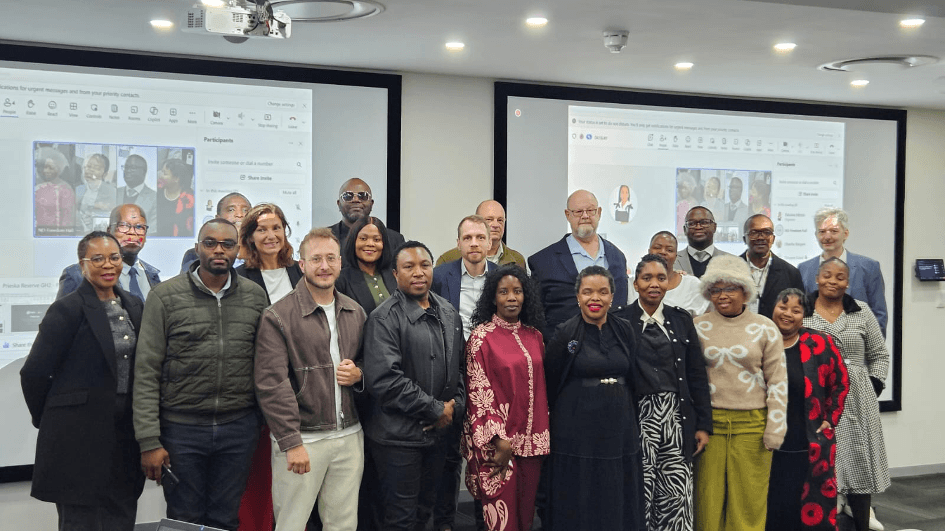
In times of multiple crises, cities must become increasingly resilient. They are increasingly under pressure due to war, the climate crisis, and economic uncertainties. At the seventh German-Ukrainian Municipal Partnership Conference on 18 June 2025, Connective Cities will host an expert forum on the topic of ‘Resilient cities in times of multiple crises – strategies for resilient municipalities’.

The expert forum will examine and classify aspects of resilient urban development in Ukrainian and German municipalities. Christian Rauch from the Federal Institute for Research on Building, Urban Affairs and Spatial Development (BBSR) will present the concept of urban resilience and report on the ‘city stress test’ with German municipalities. How does urban resilience manifest itself in practice? Invited panelists from German and Ukrainian municipalities will use visual material to present their strategies for sustainable urban development on a wide range of aspects of urban resilience. Led by the moderator, the audience will also be involved in the subsequent panel discussion.

The seventh German-Ukrainian municipal partnership conference will take place in Münster from 16 to 18 June 2025. It is directed at local government representatives and other committed individuals from the German-Ukrainian municipal partnership network and offers space for professional and personal exchange, insights into support services, as well as expert forums and panel discussions on pressing current issues. More information on the partnership conference can be found here.

For more information, please contact Sibylle Loyeau sibylle.loyeau@engagement.global.de


Green Hydrogen for Local Development

Naivasha, Kenya | 14–17 April 2025 – Green hydrogen is gaining global attention as a key energy carrier for the future. While much of the discussion centres on export potential, green hydrogen production also holds significant potential for local development—boosting municipal infrastructure and stimulating local economies, especially in Africa, where the continent’s high potential for solar and wind energy brings African cities in a unique position to become innovation hubs and key drivers in the global energy transition.

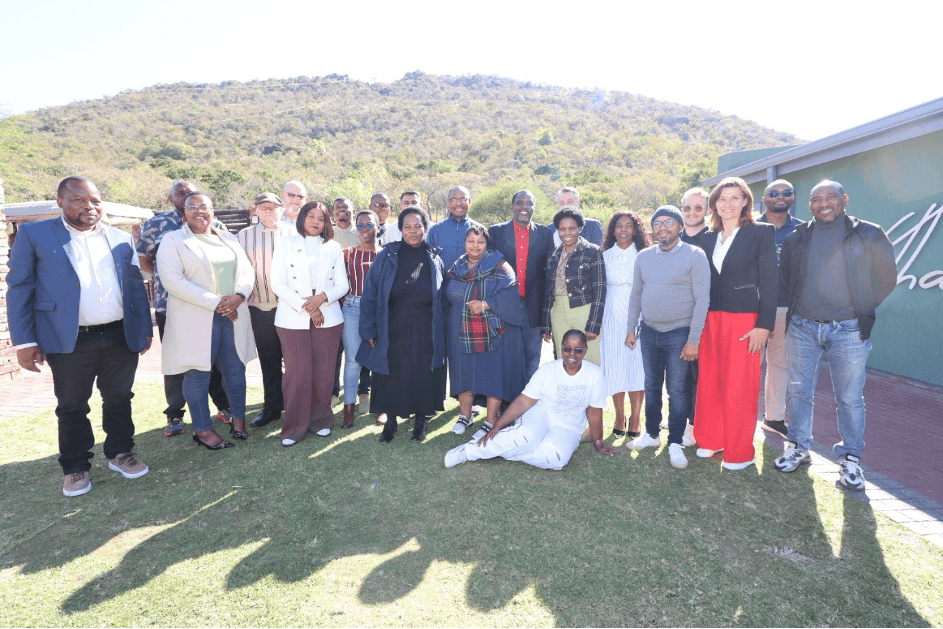
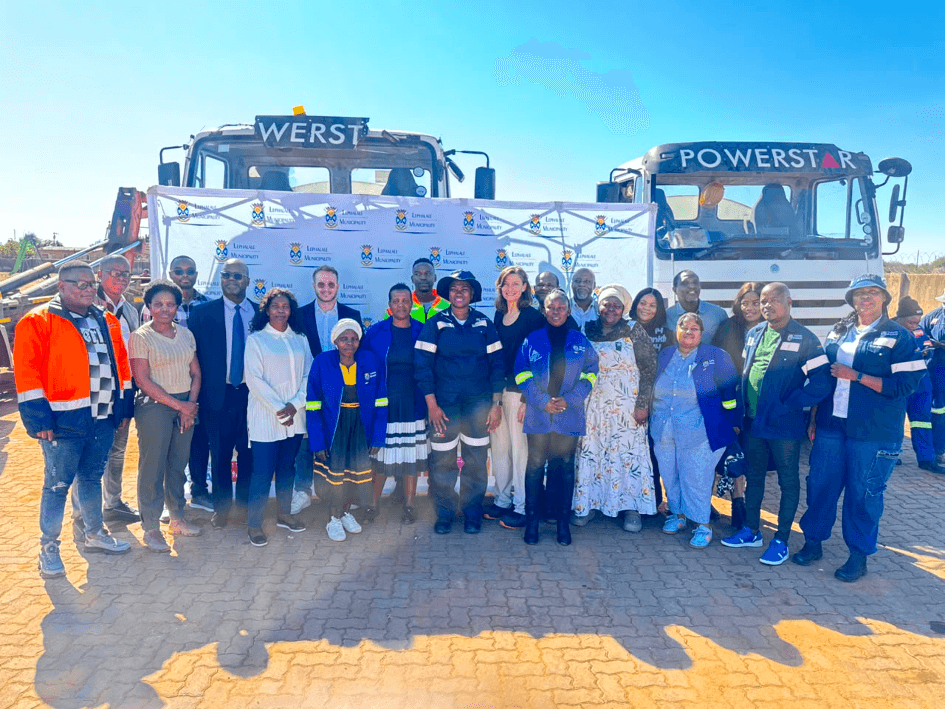
To foster exchange of experiences and best practices between African and German cities, Connective Cities organised the workshop “Exploring the Potential of Green Transition for Local Economic Development”, bringing together over 30 municipal professionals from both regions.

The role of cities in promoting green hydrogen

The workshop, which focused on the role of cities in advancing green hydrogen as a lever for sustainable economic growth, facilitated a peer-to-peer learning space for municipal actors to exchange experiences, address challenges, and explore pathways for green hydrogen adoption at the local level.

Municipal strategies and shared challenges

Konferenzraum: Teilnehmende sitzen gruppiert an runden Tischen. Auf dem Plenum sitzen fünf Personen und diskutieren.
Photo: Connective Cities

A central focus of the exchange was how technological innovation can align with local development needs. Discussions ranged from decentralised hydrogen production systems and seawater electrolysis to the use of organic waste as a renewable source. Especially for coastal or water-scarce cities in Africa, such technologies were seen as promising solutions to local resource constraints.

However, participants agreed that technology alone is not enough. Effective local hydrogen strategies require strategic urban planning, transparent land management, and strong community engagement. Several municipalities shared examples of inclusive planning processes, involving traditional authorities and local universities in shaping future-oriented land use plans and infrastructure projects.

Eine Gruppe von zehn Personen sitzen um einen runden tisch und diskutieren intensiv. Im Hintergrund steht eine Metaplan-Tafel.
Peer Learning Session | Photo: Connective Cities

Participants from countries including Namibia, South Africa, Mauritania, Kenya, and Germany presented concrete initiatives demonstrating how hydrogen projects can generate local value. The example of Arandis (Namibia) illustrated how targeted investment and strategic partnerships are enabling the town to position itself as a production hub for green hydrogen. In contrast, the Heilbronn region (Germany) focuses on the application and industrial use of hydrogen, building a regional value chain by attracting user industries and technology providers.

Furthermore, Karlsruhe (Germany) showcased a successful ecosystem for start-ups working in hydrogen technologies, supported by research institutions and public-private partnerships. Across all cases, one message became clear: municipal masterplans and coordinated strategic planning are essential for cities to fully benefit from the emerging hydrogen economy.
The discussions underscored the growing role of cities not only as implementers of national energy goals, but as active shapers of the green transition. The workshop aimed to empower municipalities to position themselves as testing grounds, innovation platforms, and investment destinations within a future green hydrogen economy.

Outlook and next steps

The workshop concluded with a strong call for municipal leadership in developing local hydrogen strategies that reflect both environmental ambitions and socio-economic priorities. Participants identified three key areas for action:

  1. Local value creation: Prioritising domestic use of hydrogen for local industries – such as fertiliser or building materials – rather than relying solely on export models.
  2. Education and skills development: Aligning vocational training and higher education programmes with future labour market needs in the hydrogen sector.
  3. Partnerships and knowledge exchange: Strengthening peer-to-peer learning and cooperation among municipalities through platforms such as Connective Cities.

Participants also highlighted that green hydrogen offers more than energy solutions – it can help create future-oriented jobs, stimulate innovation, and improve urban living conditions. By linking clean energy production with economic development, municipalities can promote both resilience and inclusivity.
The workshop in Naivasha confirmed that green hydrogen can become a key pillar of sustainable urban development – provided that cities take a proactive role. Where political commitment, technical capacity and community participation come together, green hydrogen has the potential to drive long-term prosperity and shared growth.

Gruppenbild mit sechs Teilnehmenden aus Deutschland und Kenia
Photo: Export-Akademie Baden-Württemberg


“Whether peer learning sessions, inspiring impulses or practical insights into hydrogen strategies, sustainable mobility and local project development – the variety of formats impressively demonstrated how much potential there is in partnership-based cooperation.“

– Felix Sossalla, Wirtschaftsförderung Raum Heilbronn GmbH (LinkedIn, translated)


“We’re looking forward to partnering with more cities, industries, and changemakers who share our vision for a greener, more inclusive future. Let’s create the green cities of tomorrow — together.”

– Export-Akademie Baden-Württemberg (LinkedIn)

The Haus der Statistik

A new district for administration, housing, social affairs and culture is being built on the large site of the former administrative building for the Federal Statistical Office – Haus der Statistik – in the center of Berlin. A civil society initiative had prevented the demolition of the existing building from the 1960s and, together with the administration and other stakeholders, developed the concept for the conversion – a beacon for alternative approaches to urban development.

Celebrating Decentralized Cooperation and Heritage-Driven Tourism

On 20 March 2025, in honor of the International Day of Happiness, Connective Cities hosted an insightful session highlighting the transformative power of decentralized cooperation in advancing sustainable development. This session aligned with the global theme of happiness by fostering collaboration, cultural exchange, and community engagement—key pillars of thriving and cohesive societies.

The session explored how decentralized cooperation empowers municipalities to tackle shared challenges, drive innovation, and promote inclusive growth. Participants gained valuable insights from successful heritage-driven tourism strategies implemented in various municipalities, inspiring them to leverage partnerships for meaningful local and global impact.

The session opened with a heartfelt address by Ms. Barbara Baumbach (BMZ), who emphasized Connective Cities’ success in facilitating global exchanges of municipal expertise and supporting the development of locally-adapted solutions to urban challenges. This was followed by three engaging panel discussions featuring representatives from Battir and Brühl, Bethlehem and Madaba, and Nablus. These discussions showcased how municipalities and civil society effectively utilize local and international collaborations to create opportunities for societal, economic, and environmental progress.


Panel discussion of the partnership Brühl-Battir | Photo: Connective Cities

The panels addressed key topics such as:

  • Bridging communities through cooperation – success factors and challenges in decentralized cooperation
  • Revitalizing decentralized cooperation
  • Harnessing local stakeholder collaboration for sustainable tourism development

By drawing on international, regional, and local examples, the session demonstrated how municipalities can harness decentralized cooperation to foster sustainable tourism while balancing cultural preservation and economic growth. The discussions underscored the importance of engaging local communities and stakeholders, integrating academic contributions, and strengthening international partnerships to address global challenges effectively.

Master Presentation of the Insight Session on Connective Cities platform including the recording of the session for registered users (Arabic and German).

Author: Muna Shalan | Connective Cities

Impressions

Input from the Nablus Chamber of Commerce
nput from the Ministry of Tourism of Palestine
Input from media representatives from Nablus
Input from the academic community of Nablus
Twinning agreement between Bethlehem and Madaba
Commonalities between Bethlehem and Madaba

Avoiding vacancy by opening buildings to interim use

During the process of redefining a building’s purpose and outlining the procedure and financing of the venture, constructions might fall vacant. A vacant building is wasted potential in many ways, for both the community and the cities’ urban development.

Moreover, an unused building often leads to an increase in visual and atmospheric pollution due to the accumulation of waste, water infiltration and possible growth of mold or toxic materials. Besides these ecological consequences, vandalism may increase as well as insecurity in the surroundings. Hence, the revitalisation of vacant buildings can come costly to municipalities and possible investors.

How can vacancy be avoided? Opening public buildings to interim use was one of the topics that participants of the learning process “2nd Hands on Public Buildings” wanted to focus on during the one-year-long learning process on reusing public buildings from the 1960s and 1970s. Therefore, experts from Germany, Kenya, Palestine and Montenegro came together virtually on March 12, 2025.

During the meeting, the German guests Oliver Hasemann, ZwischenZeitZentrale Bremen, and Moritz Tonn, Transiträume e.V., elaborated on the facilitation of interim use in Bremen and Berlin. With years of experience and quite some examples of moderating agreements between the buildings’ owners and users, the inputs allowed for a general understanding of the opportunities and challenges related to intermediate tenants. Given the vibrant cultural scene in Berlin, Transiträume e.V. has successfully allowed artist to transform vacant halls to impressive exhibition spaces, attracting large numbers of visitors. Among other, ZZZBremen showcased its “Wurst Case” (translates into “Sausage Case”), in which a sausage factory was reused involving the public in an extended participation process. The factory was then rented in a small scale to local entrepreneurs, artists, and for social initiatives and artisans testing of various kinds of use (offices, workshops, studios).

Giving the buildings a temporary use helps their protection, reduce the operational and maintenance costs for public vacancy and can support the cultural and creative industry. Through the participation of neighbourhoods, the interim use of vacant buildings also helps revitalizing disadvantaged areas. The main challenges consisted in setting a frame for interested users, which means to create the basic infrastructure and the legal framework for working in the abandoned buildings as well as finding sponsorships and raising awareness for the new project.

Based on these inputs, the group of experts discussed their project examples and ideas regarding a possible temporary use. Twenty floors of the former Hilton Hotel in Nairobi are currently vacant and the participants were interested in how interim use might lead to the attraction of possible investors. Although in one case an investor who had visited an exhibition in Berlin had finally bought the complex, the guests stated that this was not the main objective of interim utilisation. Financing was also a concern of a participants from Montenegro and Regensburg.

The consense was that those who profit most from the interim use should also be hold financially responsible. In most cases, tenants only pay a symbolic rent, but their conservation of the building presents an economic advantage for the owner. Cases are very individual. In Regensburg, the activation of central heating in the concerned building would have caused high costs. While the guest suggested house in house solutions, Regensburg had yet found creative forms of interim use and offered the fireguard and police to use the building for training purposes. Asked from Hebron, questions concerned the public participation process and best practices. The ongoing Connective Cities learning process will offer another follow-up activity on the involvement of the public, soon.

„Think about your interim project from the end. How is it guaranteed that the project ends in everybody’s consent?” Oliver Hasemann, ZweischenZeitZentrale Bremen

Together for a cleaner city: improvements in waste management

Dabola is a dynamic city in Guinea, with a population of 47,200. Located approximately 430 km from the capital Conakry, it is a vibrant hub for traditional agricultural activities, trade, and craftsmanship. However, the city faces significant challenges due to rapid population growth and inadequate waste management, which negatively impact public health and the environment. Insufficient infrastructure and the accumulation of waste in public spaces threaten the well-being of residents and the local ecosystem.

In response to these challenges, a partnership between Dabola and Dortmund was established in 2019, focusing on solid waste collection and treatment as well as environmental education.

Since August 2022, a local expert has been assisting the municipality of Dabola in developing a sustainable waste management system and strengthening the capacities of local actors.

The implementation of a waste management plan, developed in consultation with all relevant stakeholders, marked a significant turning point in Dabola. This initiative not only strengthened cooperation between the municipal administration and external actors but also established fruitful partnerships with private companies specializing in the field. As a result of these collaborative efforts, Dabola has seen a notable decrease in street waste.

Version française: Ensemble pour une ville plus propre: améliorations dans la gestion des déchets

Action planning for sustainability reporting

The member states of the United Nations (UN) committed to work closely with local and regional governments to implement the Sustainable Development Goals (SDGs).

From 2 to 4 December 2024, Connective Cities organized in collaboration with the Association of German Cities a Dialogue Event in Berlin, in which 37 practitioners from 25 institutions and 15 countries met in order to exchange their experiences in the field of the Voluntary Local and Sub-National Review.
The focus of the dialogue event was on exchanging experiences and providing mutual peer-to-peer advice. The regional diversity, with perspectives and practical examples from South America, Sub-Saharan Africa, Germany, Southeast Europe and Asia, invigorated the discussion and contributed to the success of the event.

Short summary and a photo gallery on our microsite ‘Action planning for sustainability reporting

From pilot project to real-world laboratory for municipalities

When Connective Cities organised its inaugural event in Leipzig in 2014, it was not yet clear that this new approach to international exchange between municipal practitioners would be accepted and deliver concrete results. In the meantime, a network of around 3,500 experts in over 700 cities and 100 countries has formed. Many project ideas have been developed and worked out in detail. Working groups have become think tanks and municipalities have become living laboratories for the realisation of innovative projects.

Reason enough to celebrate! 65 municipal experts from 15 countries came together at the Connective Cities anniversary celebration, which took place on 4 December 2024 at the offices of the Association of German Cities in Berlin.

Jerash in Jordan: Incremental steps towards success

Known as “Pompeii of the Middle East”, Jerash in Jordan is a tourist destination due to its well-preserved Greco-Roman ruins. It is a rapidly urbanizing city that is experiencing population growth, accompanied by challenges such as housing shortages, traffic congestion, environmental degradation, and the integration of refugee population. As the city struggles with these complex issues, the municipality has been pursuing innovative and sustainable solutions that prioritize the well-being of its residents while fostering environmental stewardship and economic prosperity. Represented by the local development unit, the municipality has actively participated in many of Connective Cities regional and global activities, enabling it to take away ideas for  local projects in the areas of gender-sensitive local economic development, waste management and plastic recycling, paving the way towards becoming a zero-waste municipality. In 2021, the municipality established a sorting station with financial and technical support from the GIZ to construct a waste sorting facility. The municipal waste management team has successfully managed the segregated waste operation during the past years. The operation is sustainable and the revenue from selling the segregated products is covering the operational costs.

Inclusive nature tourism trails for the deaf, disabled and blind

In recent years, the tourism industry has been expanding its offerings by providing more inclusive and sustainable options. However, access to tourist attractions is still a major challenge for the deaf, visually impaired and people with disabilities. Even people with temporary injuries or mild sensory impairments often find it difficult to relax and fully enjoy their vacation experiences. This guide aims to address these challenges by updating currently available tourism guidelines and incorporating contemporary design standards for inclusivity. It is one of the outputs of the working group ‘Destination management organisation in tourism in the MENA region’.

Arabic version:
مسارات سياحية طبيعية شاملة للصم والمعاقين والمكفوفين