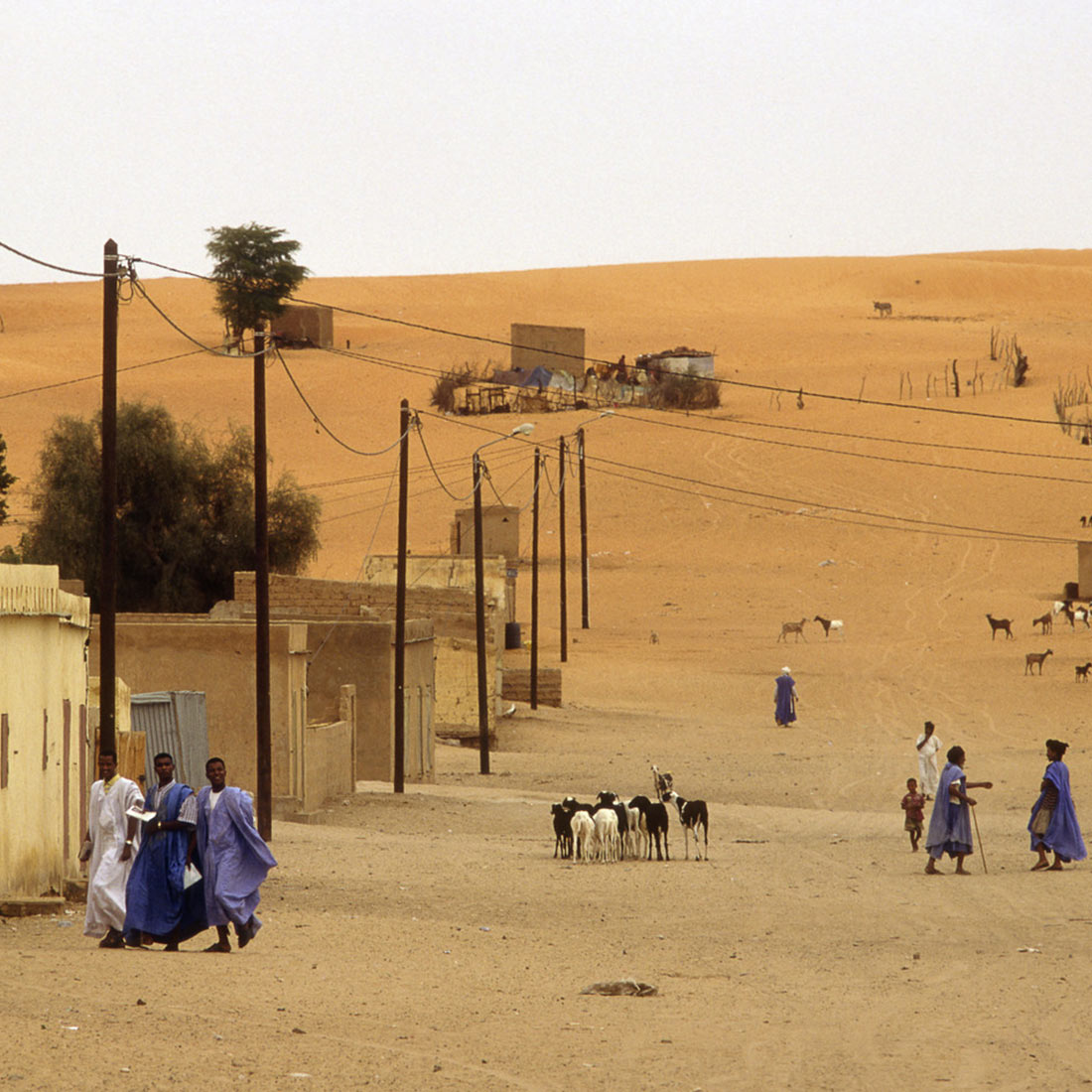
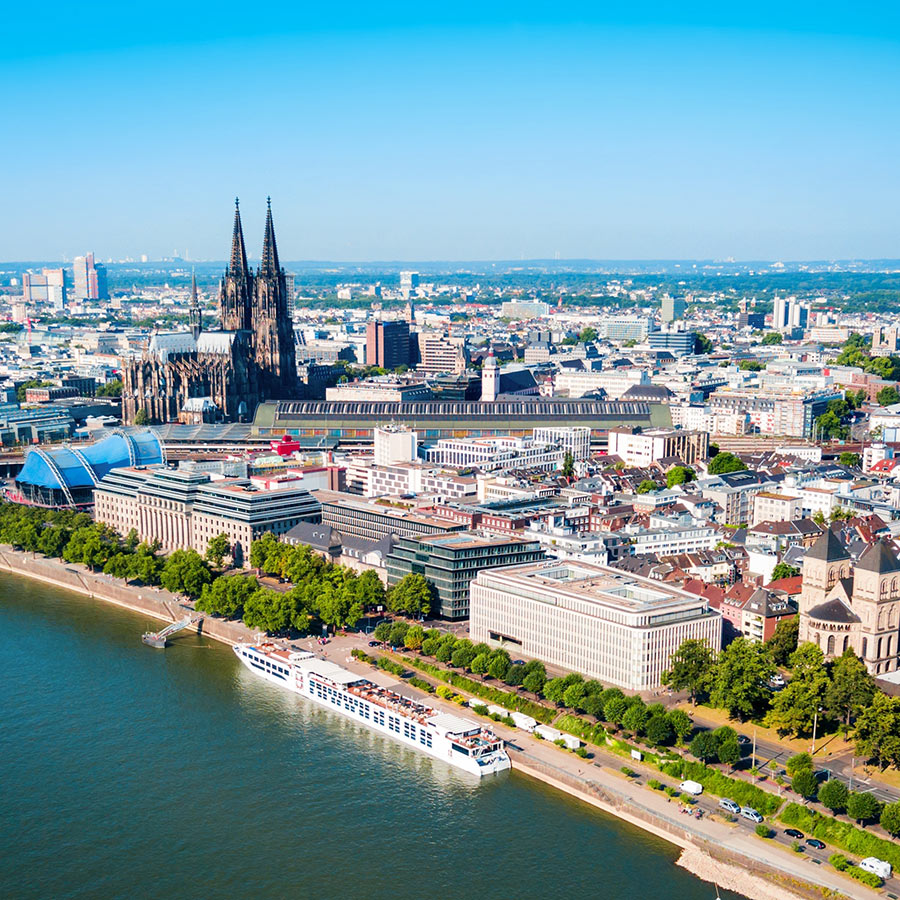
Kick-off Event: 7th – 9th April 2026 (TBC) in Egypt
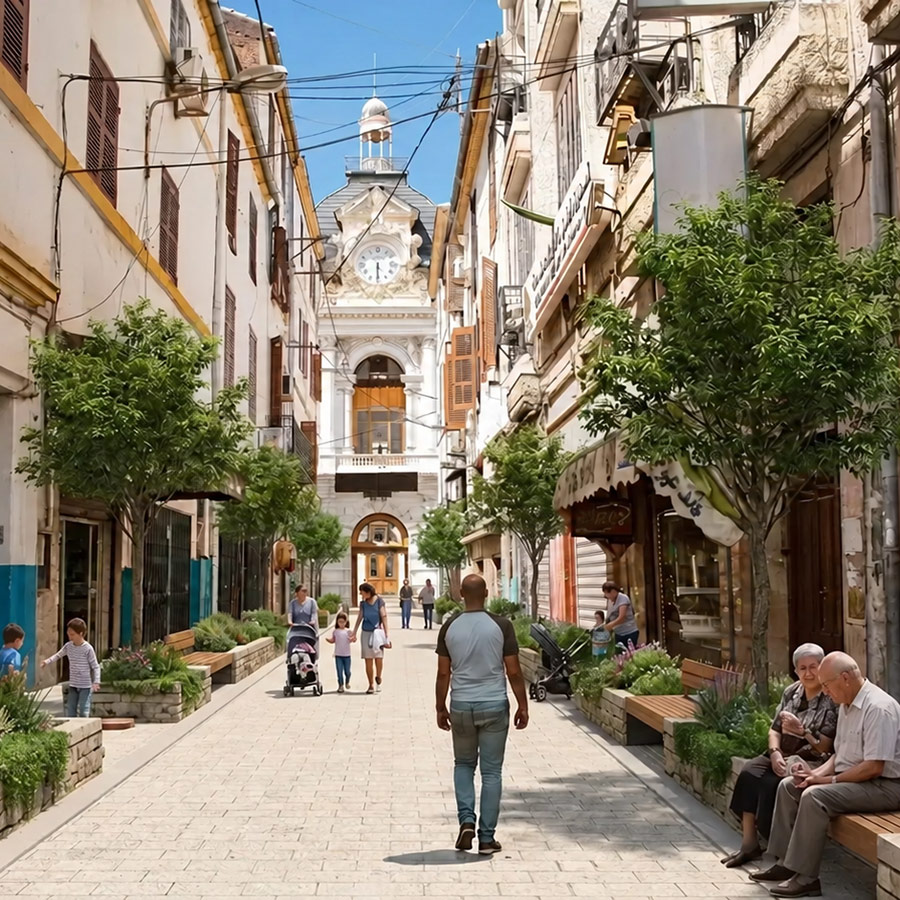
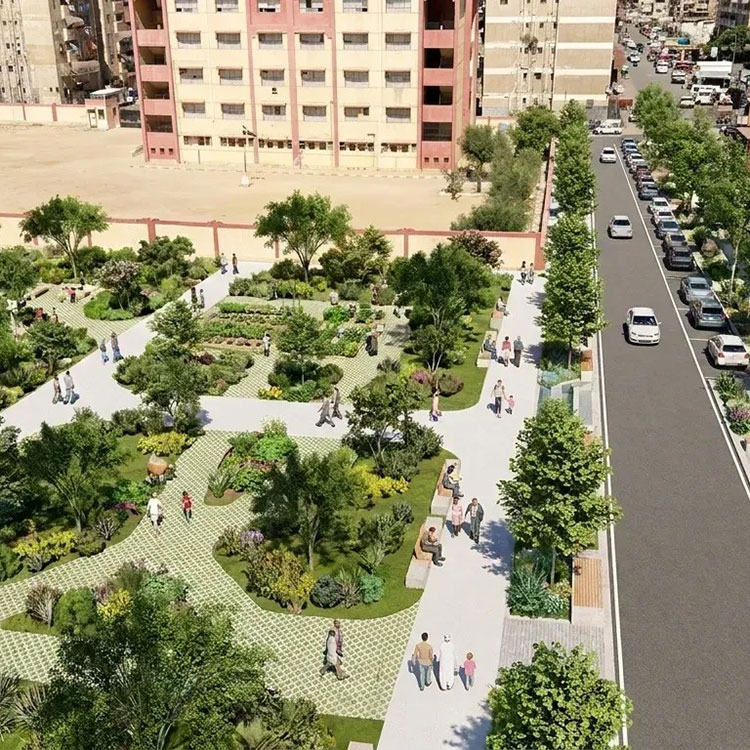
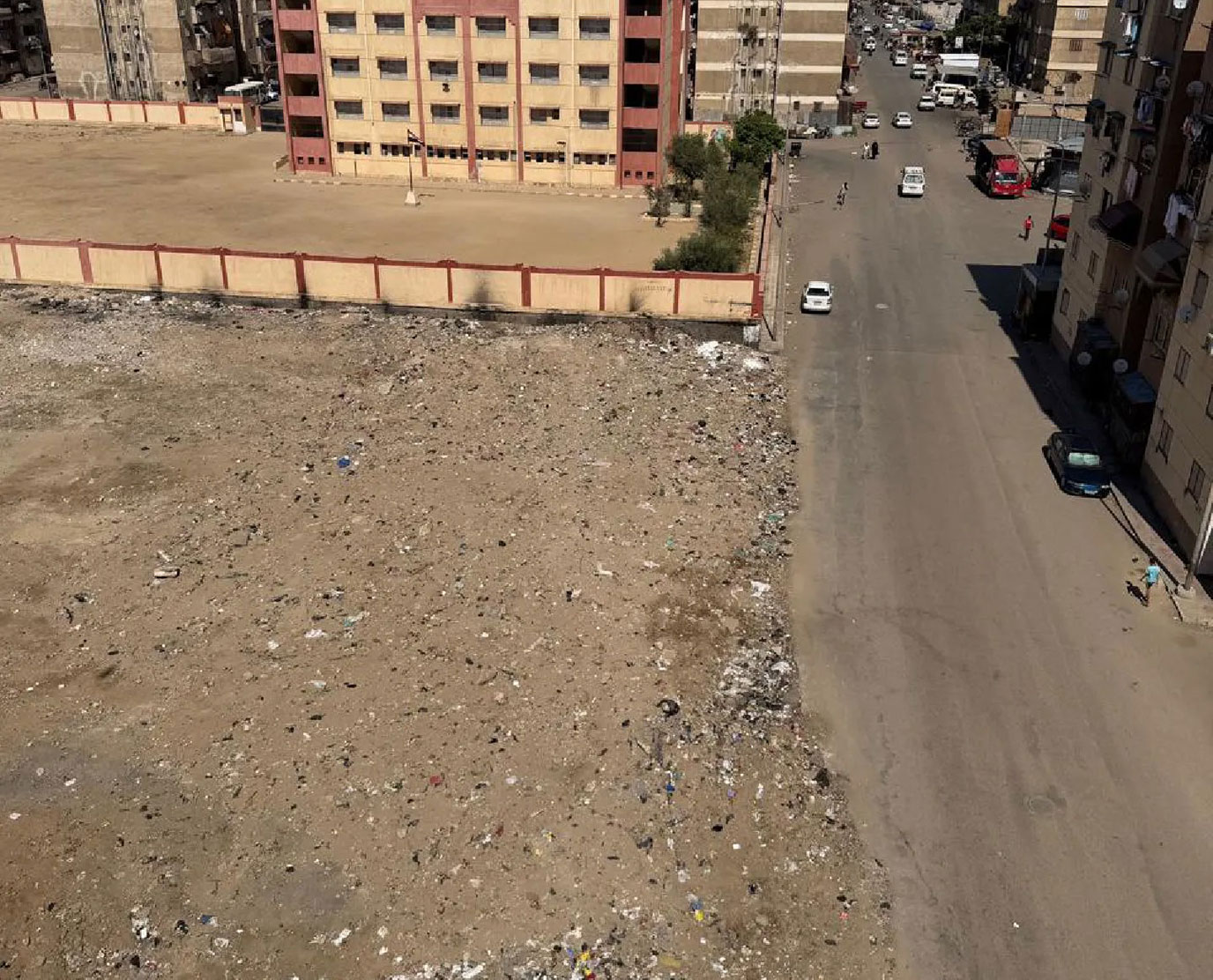
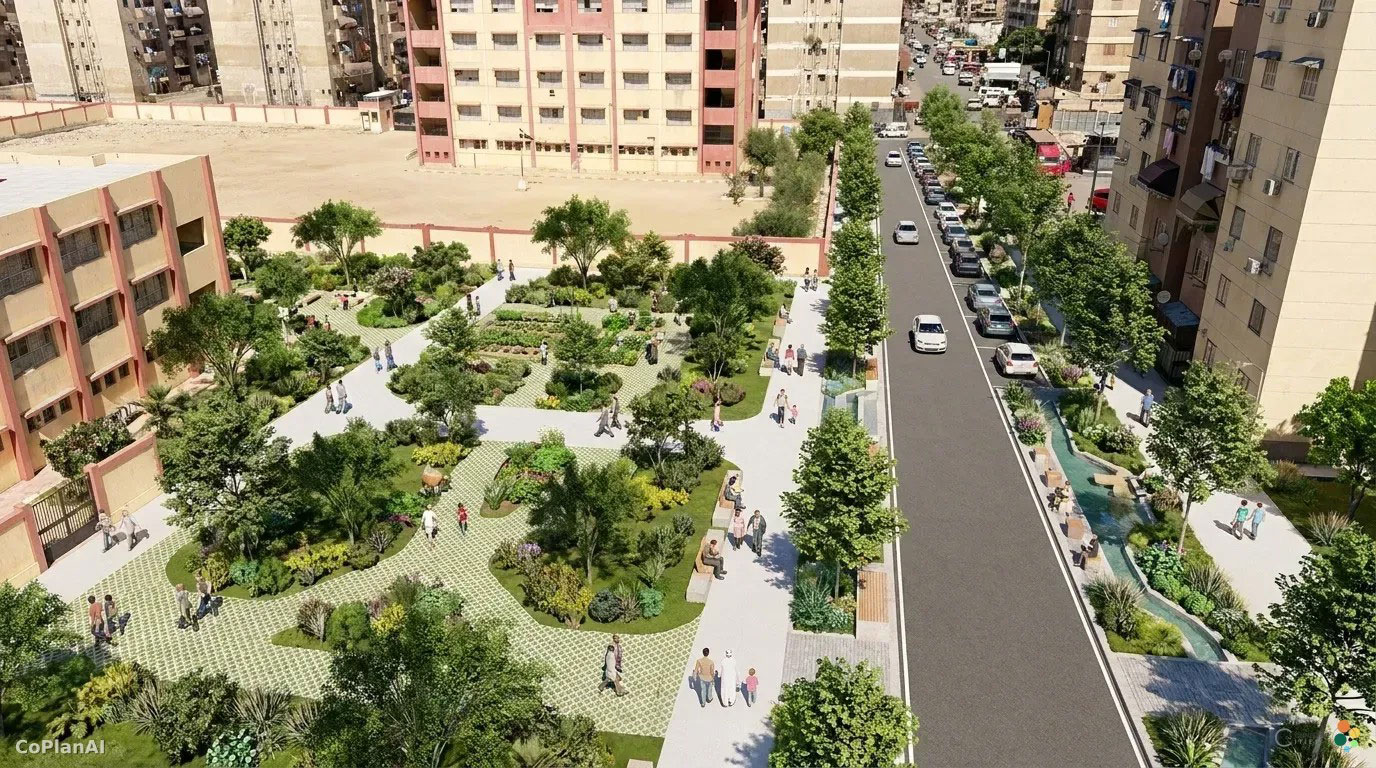
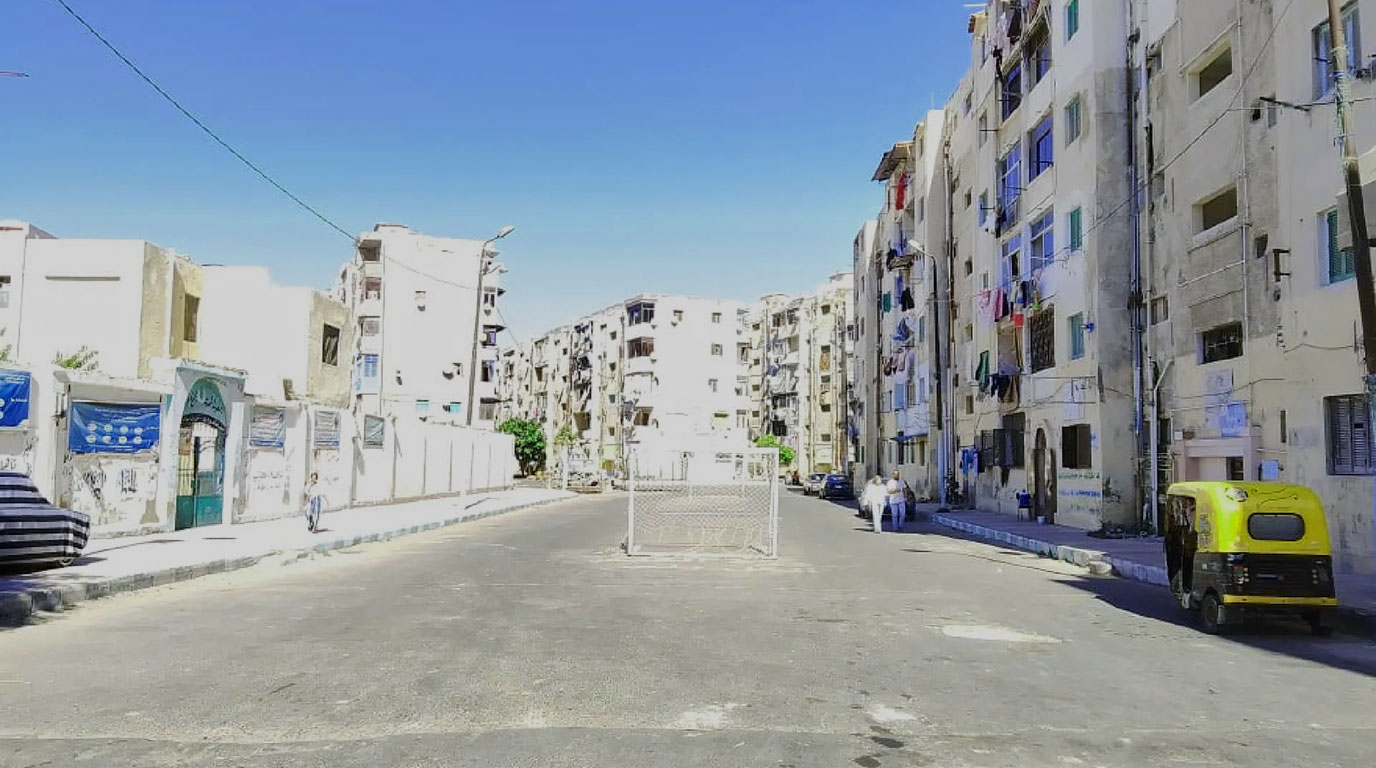
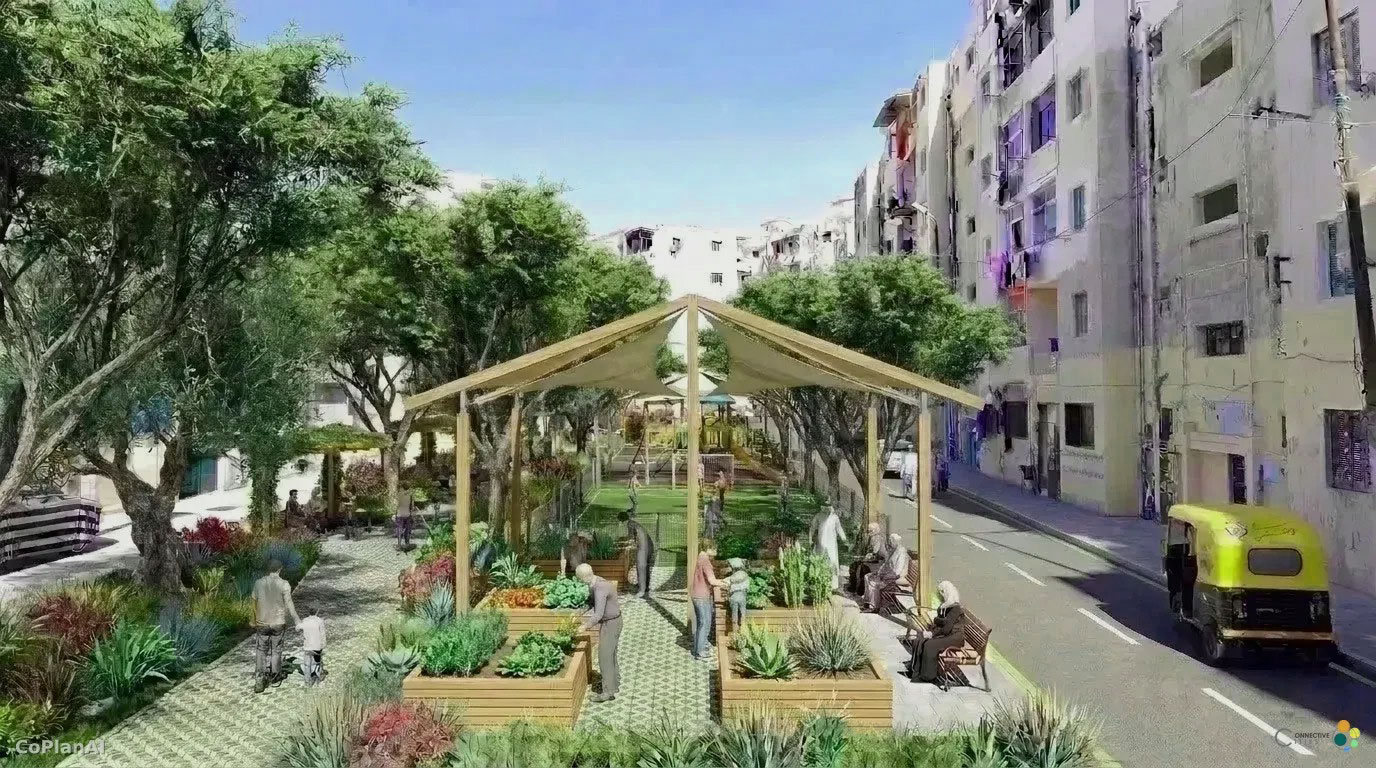
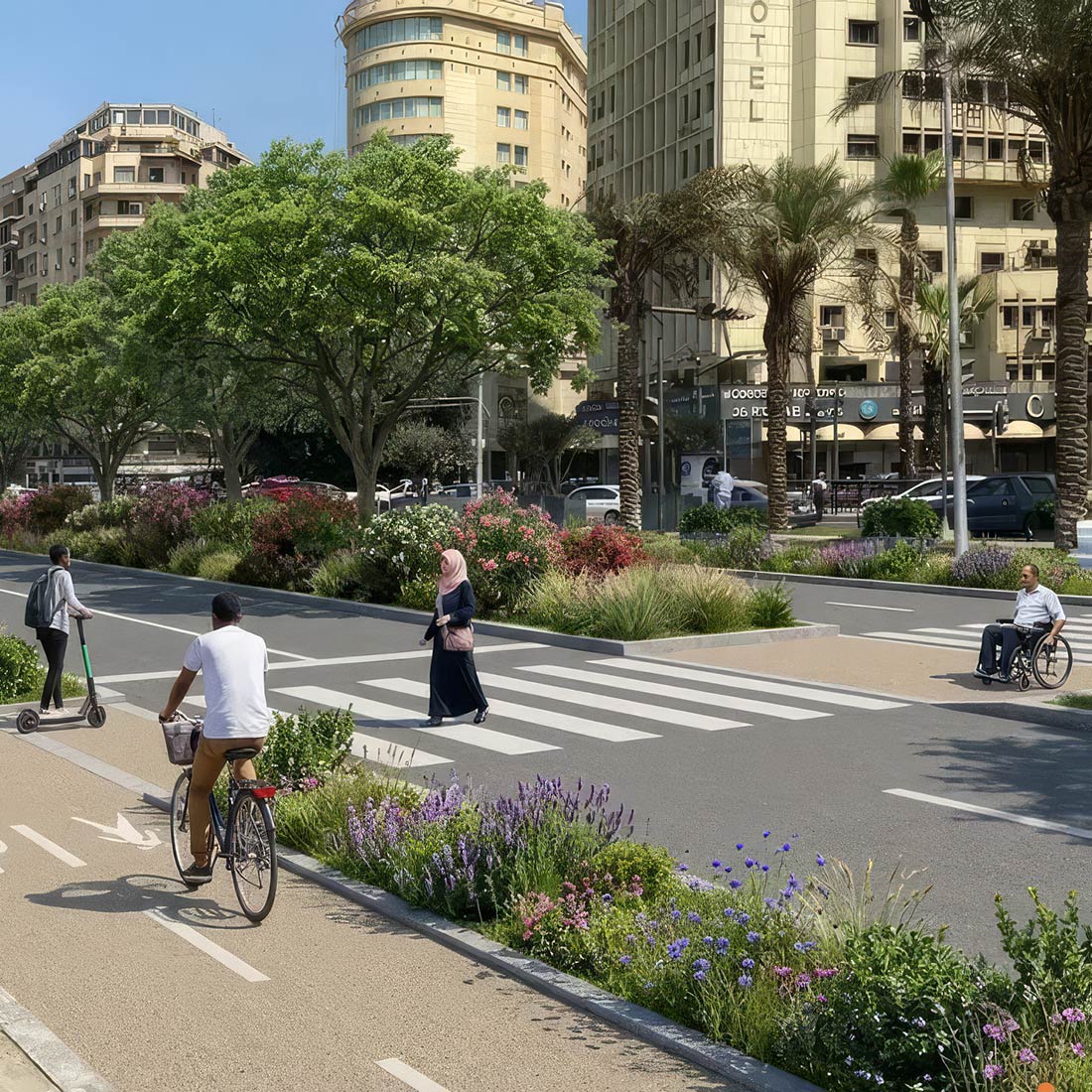
Local authorities in Germany, North Africa, and the Middle East face similar challenges in the face of climate change. They are called upon to translate general strategies for climate change adaptation and climate protection into concrete local measures. One option is to develop green corridors – e.g., as green walkways in city centers or as green corridors in the surrounding areas and new neighborhoods. These enable improved fresh air supply, quality of life, and more efficient water management. Green corridors can also be used for local recreation and heat protection in municipalities.
Against this backdrop, Connective Cities offers experts from German and Arab local governments the opportunity to develop concrete solutions for their own contexts and exchange ideas with each other as part of a one-year learning process.
Main areas of Work
The structured learning process will focus on:
Green corridors as fresh air corridors between cities and their surrounding areas
Green paths in cities and old city centers
Green new and existing neighborhoods
The methodology
The learning process follows a modular approach with the following objectives:
Supporting participating municipalities in developing solutions through peer learning and tailored technical advice to promote green corridor solutions.
Developing the participants’ skills so that they are better able to implement organizational changes and improve procedures and methods in their own municipalities.
Supporting participating municipalities in their methodological approach and the development of financially viable solutions.
As part of the learning process, best practices for green corridors and climate-friendly urban planning will be presented. Participating municipalities will engage in peer learning with others to develop concrete solutions for their individual contexts. These solutions can bring about organizational changes to improve procedures, methods, and data availability, as well as the concrete implementation of pilot measures.
Using a co-creative approach, participants will be involved in a structured creative problem-solving process. This includes
observing and understanding current municipal practices to identify challenges and gaps,
brainstorming and developing concrete solutions, and
testing the solutions with a group of stakeholders, including citizens and experts, to obtain feedback.
Duration
The learning process will span a period of one year, beginning with a kick-off workshop in Egypt in March 2026. A total of two German and approximately 10 municipalities from the MENA region will participate in the learning process.
Participation and contact
We are looking for German and Arab experts from municipalities (district offices, city administrations, municipal companies, etc.) who can contribute a project or idea for a solution for green corridors to the learning process. Ideally, two experts from one municipality will apply and be able to anchor the change process in the administration in the long term. The participation costs (accommodation and board) are covered. The conference language is English and French.
Working Group: Sustainable & Affordable Housing – Connective Cities
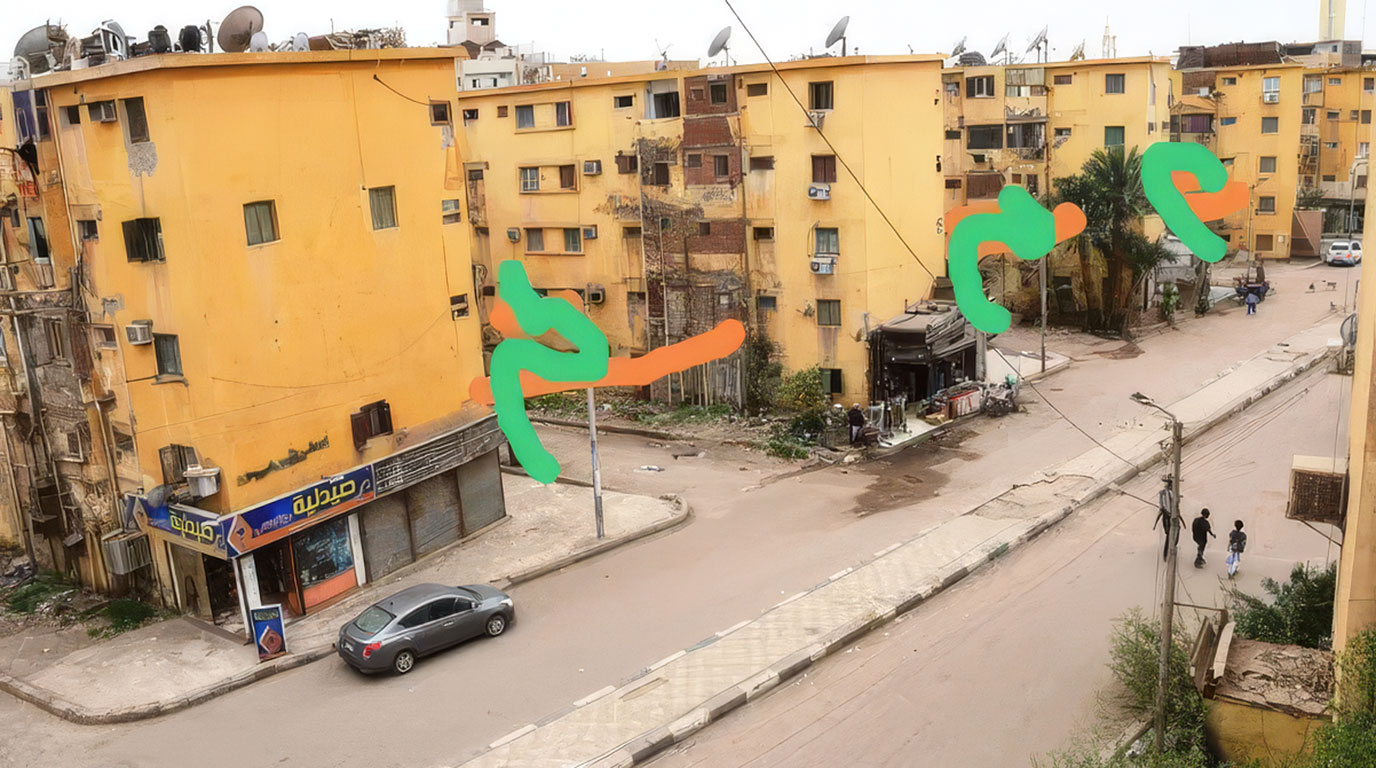
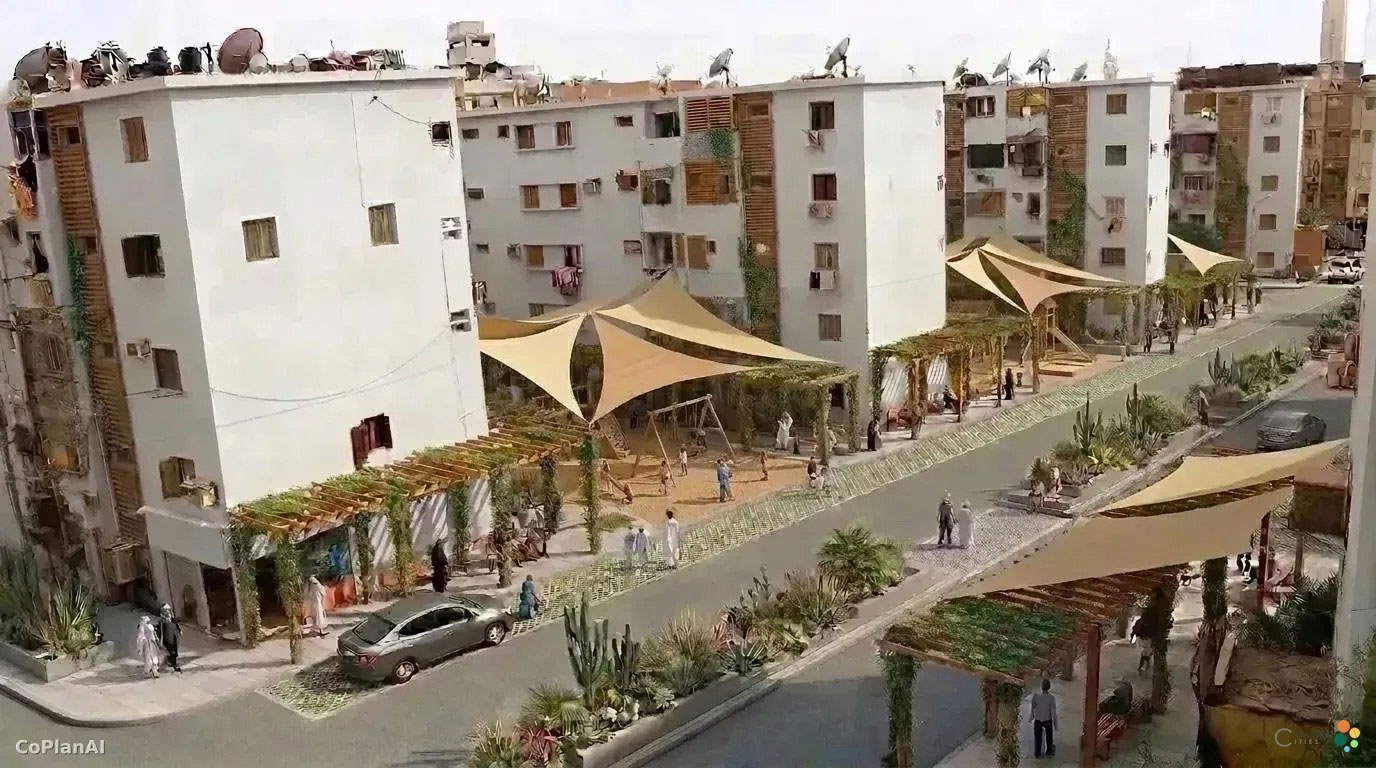
Affordable and sustainable housing remains one of the most pressing challenges for cities worldwide. In the next phase of the Connective Cities Sustainable & Affordable Housing Working Group, this online workshop introduces visualisation methods as a practical tool to support planning, communication, and peer learning among cities.
Building on previous working group exchanges, the session integrates principles of the New European Bauhaus and explores how AI-based visualisation can help cities translate strategic housing goals into tangible spatial concepts.
Photo: Connective CitiesSquare in Bucharest redesigned with the help of AI
The workshop combines hands-on visualisation with a mini peer-learning format, allowing participating cities to reflect on concrete cases related to building rehabilitation, public spaces, infill development, and neighbourhood upgrading.
Objectives
Introduce AI-supported visualisation approaches for affordable and sustainable housing
Apply NEB principles (sustainability, inclusion, aesthetics) to real city cases
Strengthen peer consultation and collective learning among Connective Cities alumni
Bridge the gap between visual concepts and implementation planning
Format
Short expert inputs
Live AI-based visualisation session using selected city cases
City-led peer consultation with feedback from peers, experts, and the Connective Cities team
The workshop is open to the public. Active participation in the AI-based visualisation (including uploading own photos) is reserved for members of the Connective Cities Sustainable & Low-Cost Housing Alumni Group.
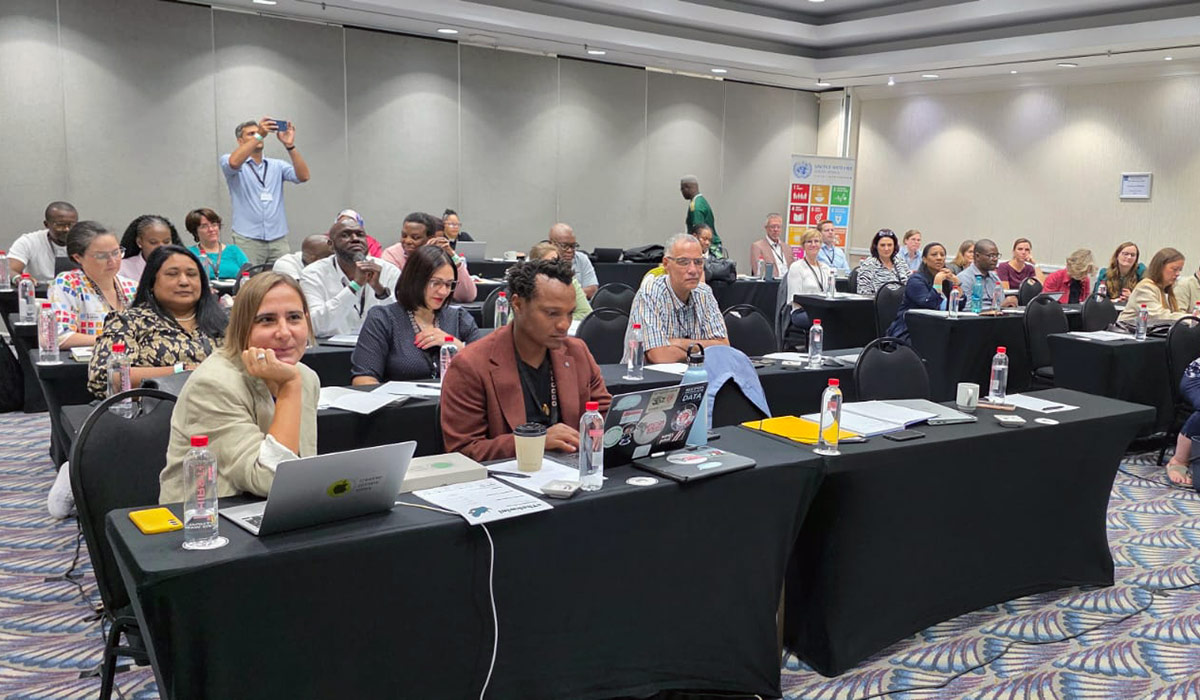
Getting updated, sharing insights into the topics that are relevant on the local level, and fostering exchange—that it what the annual Connective Cities network meeting for active German stakeholders is all about. This year, around 30 participants made their way to Bonn to discuss achievements and visions for the future.
The group of participants was very diverse. Among them were Connective Cities veterans such as Lidia Perico, head of the Education for Sustainable Development staff unit in Berlin’s Charlottenburg-Wilmersdorf district, who arrived with a very specific idea for a thematic focus. There was also Michael Leischner from Dortmund, who participated as a member of the steering committee with an eye on the entire program. “I’ve been with Connective Cities for what feels like 100 years and am now on the steering committee. For me, it’s important to see what’s happening in the municipalities and what the situation is like with regard to international cooperation” – that was his motivation for investing two days shortly before the end of the year. Others came to the network meeting to familiarize themselves with what Connective Cities has to offer.
Photo: Connective Cities
A broad program was designed to address these diverse expectations:
The initial focus was on exploring and introducing topics, giving participants the opportunity to highlight issues that are relevant to their local government work.
To this end, the teams of Engagement Global/the Service Agency Communities in One World and GIZ first presented their plans for the coming year, which were already well advanced: On the part of GIZ, the renaturation of urban spaces and the strengthening of local economic development are among the important thematic priorities being pursued in the partner regions, alongside other areas of content. For the focus region of Sub-Sahara Africa, the focus is on nature-based solutions and the economic potential of green hydrogen. Work is being done with municipalities in the Southeast Europe and South Caucasus region on urban resilience and securing critical infrastructure, as well as on business-friendly regional development. In the Middle East and North Africa focus region, green corridors between cities and their surrounding areas and the topic of building back better – especially with regard to Syria and Gaza – are on the agenda. In addition, topics from past learning processes are being continued in alumni groups in order to anchor the knowledge generated in the network and maintain a sustainable exchange of expertise. The alumni groups are working on topics such as heat in cities, risk-informed urban development, energy efficiency, and renewable energies. For its part, Engagement Global will focus on sustainable mobility and water resilience, among other topics, for learning processes in Germany. Suggestions for topics for two additional learning processes in Germany can be submitted in the upcoming weeks.
Some of the corresponding calls for participation have already been published, while others will appear in the newsletter, on the website, and on LinkedIn and Facebook in early 2026. The learning formats will remain the same: one-year learning processes with dialogue events as a kick-off, expert exchange trips, and digital exchange; deep dives in small groups over two years; and various agile formats open to all and tailored to acute needs (ad hoc sessions, insight sessions).
Focal topis of Connective Cities
In a second step, topics on which the municipalities and municipal companies would like further exchange were collected, and the topics from Connective Cities’ current topic pool were also weighted. The resulting pinboard makes for exciting and varied reading: disaster preparedness, (cyber) security and resilience, (legal) migration and integration, urban development and new urban districts, energy parks, energy from biomass, drainage, sustainability reporting, sustainability concepts for major events, start-ups and local economic development, education and educational materials on sustainable development, demographic change, inclusive cities, environmental protection in cities, digital public services, attractive city centers, and other topics were also discussed there. Lidia Perico’s idea can also be read there. Whether this will become a topic for Connective Cities is, of course, not clear at this point in time. But: “We wanted to take advantage of the opportunity shortly before the end of the year to get our planning for 2026 on track, regardless of whether it works out in the Connective Cities format or not. When you talk about your own ideas, you develop them further in your mind, and that’s always an added value,” Perico sums up.
Two examples from past Connective Cities learning cycles showed what learning processes within the framework of Connective Cities can look like in concrete terms.
Angelika Schweimnitz from the Institute for Protection and Rescue of the Cologne Fire Department presented the learning cycle of fire departments on the topics of “Accommodation for evacuees and the deployment of volunteers.” For the Cologne Fire Department, this led to a more intensive exchange with the fire departments in Makati and Quezon City in the Philippines, which, according to Schweimnitz, have a much higher frequency of operations due to the large number of climatic events there. Schweimnitz’s assessment was thoroughly positive: she was impressed by the proximity between the city hall and the population, as well as the overview of the city provided by camera surveillance. The Philippine partners were particularly interested in the model of the volunteer fire department, which makes up a significant proportion of the emergency services in Germany. The exchange also produced a wealth of concrete ideas for high-quality accommodation for evacuees – from pop-up tents to privacy rooms. “It was simply a matter of speaking the language of the tools,” she described. And: “We have brought international and networked thinking in disaster preparedness to our fire department.”
Sven Robert Ganschow from Stadtreinigung Hamburg painted a similarly positive picture of a Connective Cities exchange. Despite hurdles such as the coronavirus pandemic, personnel changes, and fundamentally changed conditions such as the start of the war in Ukraine, the international exchange on the topics of integrated waste management and plastics recycling was highly beneficial and valued. He also noted that he always felt political support from his own city: “I always felt that there was an understanding that the problems do not end in our own country, but that it is important for us to pass on our knowledge,” he said, reflecting on his experience.
Participants at the network meeting | Photo: Connective Cities
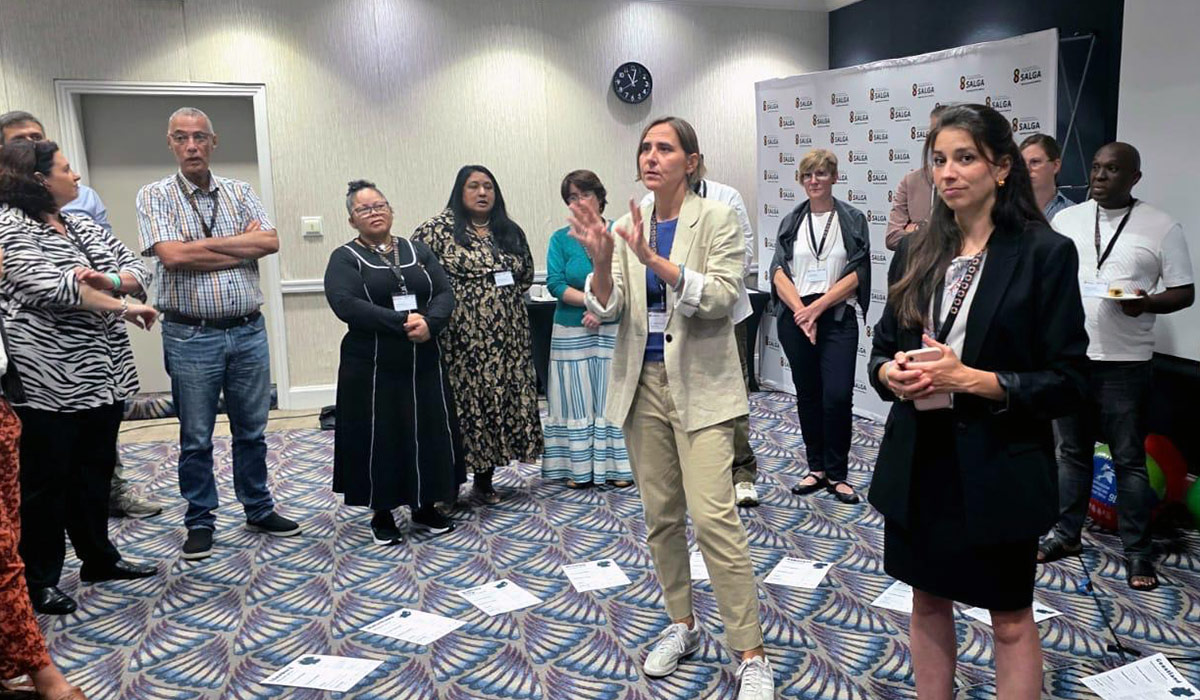
A third focus of the network meeting was peer consultation – on the one hand, to present this core method of Connective Cities, and on the other hand, to take advantage of the luxury of the assembled expertise. Some participants brainstormed on the question of how colleagues in their own municipalities or municipal companies could be persuaded to participate in Connective Cities activities. A second group looked at how a project can be successfully implemented even if the framework conditions have changed dramatically since approval. The Connective Cities team itself also took the opportunity to ask about strategies for successfully approaching municipal experts for the project’s activities. All groups proved to be extremely productive and made the idea of Connective Cities tangible: bringing expertise together – leveraging the diversity of perspectives – generating solutions together. Or, in the words of one participant: “It’s good to see that other municipalities face similar challenges and that solutions often already exist. You don’t have to start everything from scratch.”
Ultimately, the networking event was about what the title suggests: establishing contacts, discussing joint topics of interest —in other words, networking. The lively discussions from the first coffee break onwards indicated that this goal had been satisfactorily achieved. “My impulse for the way home is definitely to participate in such networking meetings more often in 2026. Get out of Berlin and engage in exchange,” said Lidia Perico from Berlin once again.
“I’m really excited about the network meeting because I gained a deeper understanding of the whole system behind Connective Cities, even though we’ve already worked together. And I think it’s great that you can contribute your own topics to the program so strongly.”
(Daniela Wiedenhaupt, Senate Department for Urban Development, Construction, and Housing, Berlin)
Connective Cities invites municipal and regional authorities from Sub-Saharan Africa and Germany to participate in a new international Learning Process on Nature-Based Solutions (NbS).
Local and regional governments are increasingly at the forefront of addressing climate change, biodiversity loss, and environmental degradation. Intensifying floods, droughts, heatwaves, and land sealing are placing growing pressure on urban systems and governance capacities. Against this backdrop, Nature-Based Solutions offer a cost-effective, multi-benefit pathway to strengthen climate adaptation while also delivering mitigation co-benefits such as carbon sequestration, stormwater management, and urban heating and cooling regulation.
About the Learning Process
The one-year Learning Process will convene municipal practitioners, technical experts, and policymakers through three in-person workshops and continuous virtual collaboration. Participants will progress from problem identification to solution co-development and implementation readiness, supported by peer learning, technical input, and targeted coaching.
The process aims to:
Strengthen municipal and regional capacities to plan and implement NbS
Facilitate structured peer-to-peer learning between Sub-Saharan African and German authorities
Co-create actionable NbS project concepts ready for piloting, financing, or integration into planning frameworks
Generate knowledge products to support replication and scaling across city networks
Thematic Focus Areas
Participants will collaborate within demand-driven thematic working groups, including:
International Community of Practice for Sustainable Municipal Development
NEWSLETTER – ISSUE NO. 90, December 2025
Dear readers,
‘Only nature can teach us creation, can teach us creativity. Our true illiteracy is the inability to be creative,’ wrote artist, painter and architect Friedensreich Hundertwasser in 1983 in his manuscript ‘Concrete Utopias for the Green City’.
Inspired by this quote, in this issue we look back at a dialogue event in Bonn, where creative minds came together to innovatively combine various forms of CO₂-free mobility. It also marks the start of a new learning process on the topic, which we will continue in 2026.
We provide insights into how cities in Germany and sub-Saharan Africa are converting and expanding their infrastructure for green hydrogen, thereby boosting the local economy.
Taking nature as our model, we invite your municipality to participate in our two-year learning process, exploring the most creative options for protection against drought and heavy rainfall. We would also like to cordially invite you to join our learning process on ‘Green Corridors in Germany and the MENA Region’.
Connective Cities is also starting the new year with three additional strong partners. We will briefly introduce them and outline the topics that we would like to explore in greater depth together with you.
We wish you happy holidays and a good start to the new year.
Sincerely Your Connective Cities Team
REVIEW
Combination of future-proof mobility forms
Kick-Off of the New Learning Process on Sustainable Mobility in Bonn
From 25 to 27 November, Connective Cities hosted a dialogue event in Bonn. 38 experts from 20 municipalities in 11 countries followed the invitation to share their innovative project approaches with colleagues and collaborate on new implementation ideas. Small municipalities such as Schlangen in the Teutoburg Forest, with a population of around 9,000, were represented, as well as metropolises with millions of inhabitants, such as Rio de Janeiro and Munich. The innovative approaches were equally diverse.
Unlocking the potential of new technologies at the local level
Green hydrogen is rapidly gaining global prominence as a crucial energy carrier for the future. For many African countries, abundant solar and wind resources give cities a unique advantage, positioning them not only as innovation hubs but also as centers for technology transfer, workforce training, and industrial diversification. By integrating sustainable use of green hydrogen into urban planning, municipalities can enhance energy security, attract long-term investment, and build more resilient, climate-friendly local economies—ultimately becoming key drivers in the global clean-energy transition.
Water resilience – Municipalities strengthen themselves against drought and heavy rainfall events
Call for participants: Connective Cities Deep Dive – a two-year learning process with a kick-off event in Germany in March 2026
Local authorities are facing challenges due to climate change and soil sealing, with more frequent droughts, heavy rainfall and flooding. In Germany and the Global South, innovative solutions are currently being promoted and rapidly tested. Connective Cities is therefore offering an in-depth learning process on this topical and highly relevant issue, and we warmly invite interested local authorities to participate.
Invitation to the Kickoff Workshop, 7–9 April 2026 (TBC), Egypt
Green corridors improve urban microclimates, enhance public spaces, and support municipalities in adapting to climate change. In the new one-year Connective Cities Learning Process MENA, professionals from Germany and the MENA region will jointly develop practical, co-creative and actionable solutions for green corridors in their local contexts. We warmly invite you to join the kickoff workshop and contribute your project idea or challenge to the learning process.
Stronger Together: The New Partners of Connective Cities
The German County Association, the German Association of Towns and Municipalities and the Association of Public Utilities are now part of the Steering Committee
More municipal voices, more exchange, more joint creative power – Connective Cities is entering the next phase with an expanded group of partners. We introduce our partners and outline the thematic priorities for the coming year. Take a look!
Engagement Global gGmbH
Service Agency Communities in One World
Friedrich-Ebert-Allee 40, 53113 Bonn | Deutschland
Kontakt: Sibylle Loyeau
Email: sibylle.loyeau@engagement-global.de
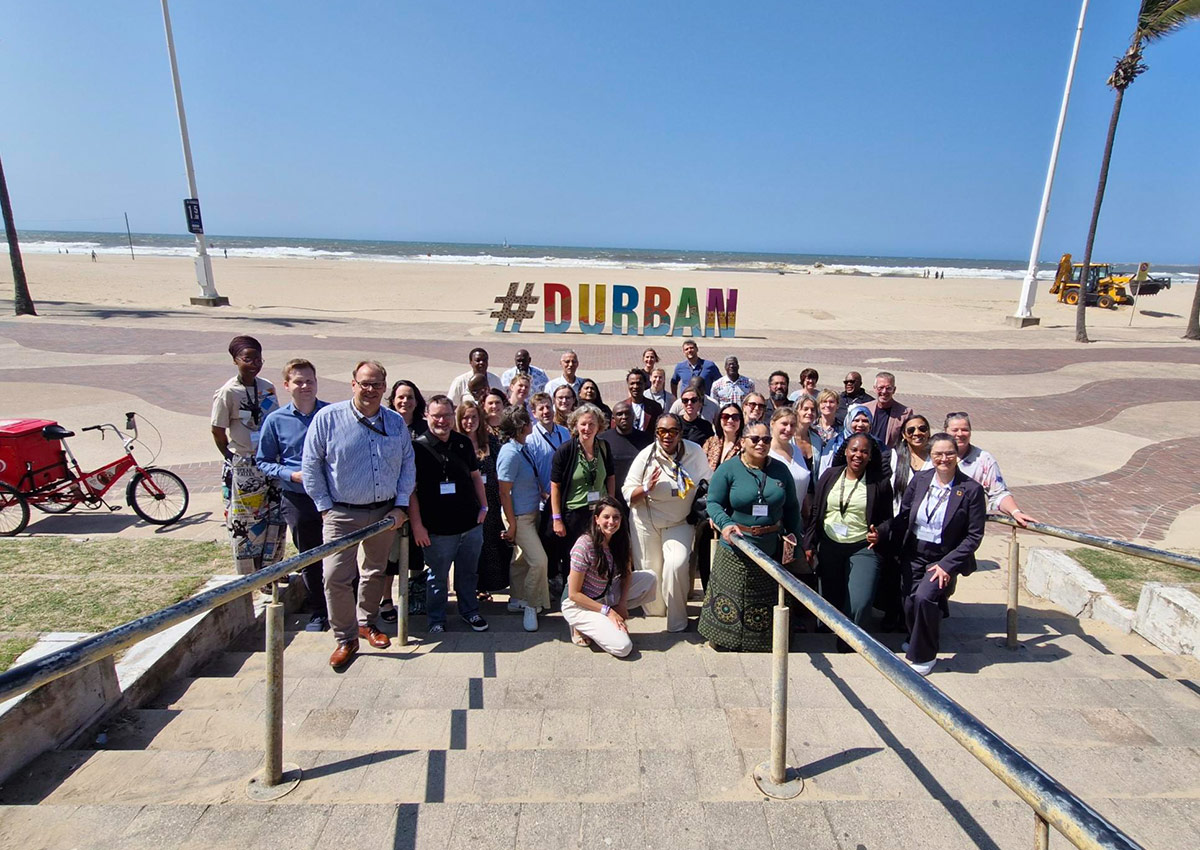
Deutsche Gesellschaft für Internationale Zusammenarbeit (GIZ) GmbH
Friedrich-Ebert-Allee 32 + 36, 53113 Bonn | Deutschland
Kontakt: Ricarda Meissner
Email: ricarda.meissner@giz.de
Green hydrogen is rapidly gaining global prominence as a crucial energy carrier for the future. Although much of today’s discussion focuses on hydrogen production and its export potential, domestic consumption of green hydrogen offers equally significant opportunities for local economic development—strengthening municipal infrastructure, creating skilled jobs, and stimulating new economic activities along various value chains. For many African countries, abundant solar and wind resources give cities a unique advantage, positioning them not only as innovation hubs but also as centers for technology transfer, workforce training, and industrial diversification. By integrating sustainable use of green hydrogen into urban planning, municipalities can enhance energy security, attract long-term investment, and build more resilient, climate-friendly local economies—ultimately becoming key drivers in the global clean-energy transition.
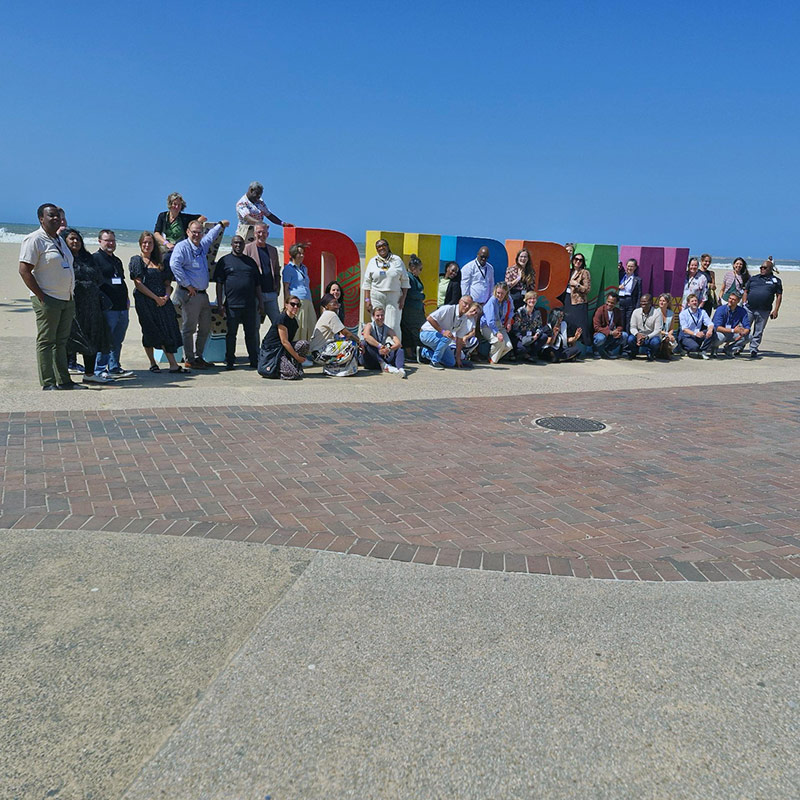
To advance the exchange of best practices and accelerate strategy development between African and German cities, Connective Cities hosted its second workshop on “Exploring the Potential of the Green Transition for Local Economic Development” held on 25–27 November 2025 in Mombasa. Representatives from Mauritania, Kenya, South Africa, and Germany participated. This edition focused on improving technological readiness for green hydrogen production, addressing local implementation challenges andstrengthening regional competitiveness among other readiness issues. The discussions further emphasized the importance of involving , and integrating universities, research institutions and start-ups as key drivers of job creation and innovation.
The City of Nakuru, Kenya presented its benchmark strategy to position itself as a model green city and a leading hub for green fertiliser production within is floriculture sector, reducing import dependency and supporting the emergence of new green industries. With its proximity to the rift valley geothermal vents, Nakuru is well positioned for cost- competitive green hydrogen production. The city aims to attract pilot projects, applied research initiatives, and local and international start-ups working along the green hydrogen value chain., reinforcing its long-term vision as a regional clean-energy and innovation hub.
Field visit to the port of Mombasa | Photo: Connective Cities
Kenya has adopted a national Green Hydrogen Strategy and participates in regional African hydrogen initiatives. Mombasa, as a major port city, holds strategic significance for export logistics and coastal project siting. While early national activities have focused on potential assessments and pilot sites, coastal locations like Mombasa are increasingly viewed as gateways for logistics, export-oriented hydrogen production, and coastal renewable-energy projects. The city now seeks to leverage its strategic location to establish itself as a global player in hydrogen-powered logistics and to develop the port into a logistics cluster that attracts innovative local and international investment supported by a skilled workforce.
In South Africa, the Waterberg region in Limpopo forms part of the national “Hydrogen Valley,” stretching across Limpopo, Gauteng, and KwaZulu-Natal. Mining and industrial operations in the Waterberg–Mokopane corridor are being integrated into hydrogen and platinum-group-metal value chains. Recent feasibility studies and national green hydrogen planning have made the region increasingly attractive to investors. The local development vision is to integrate renewable energy generation with mining operations and downstream green hydrogen and green ammonia applications. This approach aims to link industrial decarbonisation and new export opportunities with local job creation and investment. Waterberg is also seeking to strengthen collaboration with universities by fostering local and international research partnerships to spur pilot projects and nurture green start-ups across emerging value chains.
Mauritania has become a high-potential green hydrogen country due to its exceptional wind and solar resources and favourable export position toward Europe. Several large-scale, export-oriented hydrogen and ammonia projects have been announced or are under development. While the national strategy prioritises export-driven green hydrogen production, it also emphasises renewable energy use to support domestic power grids and industry. However, as national projects advance, municipalities within Nouakchott—particularly Sebkha and Ksar, – continue to face high electricity costs, pollution, limited infrastructure, and the absence of clear municipal hydrogen strategies. These communes are not seeking merely to host hydrogen developments, they aim to participate meaningfully in shaping equitable, community-centered value creation within Mauritania’s emerging green hydrogen economy. The City of Nouakchott through its private sector and international partnerships, now seeks to position itself as an active player in his transition with a focus on modernizing urban services , strengthening governance, and building local private-sector capacity ultimately becoming a regional hub for green urban development, logistics, and industrial enterprises linked to the green hydrogen value chain.
The participating German cities also shared key insights and updates on their latest initiatives. Karlsruhe highlighted its hydrogen hub around the Rhine ports (H2iPortKA) and its strong research ecosystem in collaboration with the Karlsruhe Institute of Technology and the Fraunhofer Institutes. Particularly noteworthy is the dynamic start-up and spin-off environment, which demonstrates how the green transition can generate new jobs and investment for an entire region.
Heilbronn, well known as a centre for technology and hydrogen innovation within Germany’s automotive and engineering clusters, aims to use green hydrogen to diversify its industrial base, upgrade workforce skills, and anchor research-driven companies in the region. Heilbronn University and nearby Fraunhofer initiatives are expanding applied research and innovation centers—including those focused on hydrogen technologies—leveraging strong industry links for piloting and skills development.
Field visit to the port of Mombasa | Photo: Connective Cities
The workshop underscored the vast opportunities emerging around green hydrogen production across regions endowed with abundant renewable energy resources.. However, cities and regions hosting these new green industries are often overlooked in national strategies that prioritize high-profile investments and export ambitions. Many localities remain uncertain of how they and their populations can directly participate in these developments. Significant technological and institutional gaps persist, and synergies between international high-tech initiatives and local realities are not automatic. As a result, municipalities are increasingly seeking models, international experiences, expertise, and partnerships to strengthen their capacity and create a level playing field:- one that enables prosperous, innovative and equitable local economies in which nations, investors, and communities all benefit alongside advancing technologies
From 25 to 27 November, Connective Cities hosted a dialogue event in Bonn. 38 experts from 20 municipalities in 11 countries followed the invitation to share their innovative project approaches with colleagues and collaborate on new implementation ideas.
Stefan Wagner, Head of the City of Bonn’s Office for International Affairs and Global Sustainability, warmly welcomed the guests, especially his colleagues from La Paz, Bonn’s twin city. The two cities are already collaborating on numerous sustainability projects. Bonn itself has set itself the goal of becoming climate neutral by 2035, with the aim of achieving 75% CO₂-free mobility by then.
ighlighted the complexity of regional mobility planning in Germany. | Photo: Aschoffotografie, Engagement Global
In his opening speech, Jan Strehmann, Head of Mobility at the German Association of Towns and Municipalities (DStGB), highlighted the complexity of regional mobility planning in Germany. Various levels of government — federal, state, district and individual municipalities — are often involved, either as financiers or planning units. Additionally, municipal and private transport providers frequently collaborate to establish transport associations responsible for providing public inter-urban local transport services. In this context, it is not competition, but rather tailor-made cooperation, that plays a decisive role in ensuring smooth passenger transport.
In her presentation, Melanie Schade, project manager at the Federal Institute for Research on Building, Urban Affairs and Spatial Development (BBSR), introduced Mobilikon. This online encyclopaedia compiles information on mobility in rural areas, helping local authorities to prepare and implement mobility measures more easily. The database contains 104 measures, 110 instruments for their implementation and 79 implementation aids for areas such as external communication and data collection. It also contains 206 practical examples. Various filters, e.g. for spatial structure, costs and implementation duration, facilitate the search for suitable measures.
In his welcoming speech, Jürgen Kretz, the new head of the Countries and Municipalities Division at the Federal Ministry for Economic Cooperation and Development, expressed his delight that Connective Cities had entered a new phase in October 2025 and was now more broadly positioned within Germany with three additional partners: the DStGB, the German County Association (DLT), and the Association of Municipal Enterprises (VKU).
The Connective Cities team led to the technical part of the event and the project presentation.
The participants in front of the old town hall in Bonn | Photo: Aschoffotografie, Engagement Global
Small municipalities such as Schlangen in the Teutoburg Forest in Germany, with a population of around 9,000, were represented, as well as metropolises with millions of inhabitants, such as Rio de Janeiro and Munich. The innovative approaches were equally diverse. The free electric line-car-sharing service in Borgholzhausen, unique in Germany, connects rural communities with the nearest train stations. Meanwhile, Kisumu in Kenya has developed a battery exchange model for electric motorcycle taxis; La Paz, the capital of Bolivia, plans to integrate its 36-station cable car network — the largest in the world — more closely with the bus network; and Rio de Janeiro is developing a multimodal network comprising express buses, buses, cycle paths, bicycle parking facilities, and e-bike rentals. Despite or because of the war, Vinnytsia in Ukraine is gradually converting its public infrastructure to make it barrier-free. Monheim is focusing on autonomous shuttle buses and Windhoek in Namibia is providing students with electric bikes on loan. Poti in Georgia and Strumica in North Macedonia are expanding their cycle path networks, while Dortmund is systematically expanding its charging infrastructure for cars and e-bikes. Munich is pursuing a comprehensive strategy to link the various CO₂-free forms of mobility as closely as possible, including through an app and mobility hubs. These are just a few examples of the projects underway.
Despite all the structural, geographical and cultural differences, it quickly became clear during the various experience-sharing sessions that the challenges faced were largely similar. These include:
complex institutional frameworks;
conflicts over the use of limited public space;
lack of standards in data collection and processing;
infrastructure damage due to vandalism and theft;
changing political guidelines and/or unclear legal frameworks;
different and high expectations of stakeholders;
changing the usual behaviour patterns of citizens in terms of mobility;
insufficient financial resources for project implementation;
and finally: obtaining know-how about similar projects.
The last point was largely resolved during the conference. Implementation challenges in Bergholzhauen, Kisumu, La Paz, Munich, Poti, Trabzon (Turkey), Strumica and Windhoek were discussed in depth during peer consultations.
Further project ideas were considered in the action planning stage:
‘Pedestrian Angles’: public relations work to promote walking in Kisumu
Integrated mobility planning with political backing in Windhoek.
Improved data management in Vinnytsia.
Development of safe cycling infrastructure in Poti.
The dialogue event concluded with an excursion to a bus depot operated by Stadtwerke Bonn (SWB), which has charging infrastructure for electric buses. The group also visited the bicycle station (‘Radstation’) at Bonn Central Station and mobility stations offering services such as cargo bicycle rental, secure bicycle parking boxes, car-sharing parking spaces, and municipal charging facilities for electric vehicles in Bonn’s Südstadt district.
Marcella Sobisch, the project coordinator, will continue to supervise the learning process in the coming year and is the contact person for the group and other interested parties: marcella.sobisch@engagement-global.de .
Local authorities face challenges due to climate change and soil sealing, with frequent droughts, floods, and heavy rainfall. Ensuring water supply, preserving green spaces, and preventing damage can be addressed through nature-based and structural measures. Approaches like the sponge city principle, unsealing urban areas, and installing retention basins are becoming central to climate adaptation strategies. In Germany and the Global South, innovative solutions are emerging. Connective Cities therefore offers an in-depth learning process on this topical and highly relevant subject.
Connective Cities is launching an international call for applications for its new Deep Dive. It will begin in early 2026 and will run until 2027, depending on the funding allocated. The Deep Dive is a recent format from connective cities, the platform for sustainable urban development that brings together up to five municipalities from the Global South and three German municipalities, which are invited to work together to develop a locally adapted solution that responds to a current challenge.
To participate in this Deep Dive, please send us your completed expression of interest before 5 January 2026.
The global transition towards sustainable transportation is essential for a sustainable future. Experts agree: there is no one-size-fits-all solution for sustainable mobility. Instead, we must create public transport services that include a range of mobility solutions and combine them in the best possible way – in a smart, accessible, and time- and resource-efficient manner. In addition, measures must be tailored very individually to the needs of citizens in individual regions, cities, counties, or municipalities. For strategic planning, German municipalities often develop concepts across regions in collaboration with transport and special-purpose associations. Innovative solutions and considerations for connecting transport are particularly reflected in concepts for mobility, tourism, or strategic regional development. In the Global South, municipalities are often challenged by urbanization and increasing traffic volumes to formulate solutions for developing their communities, and are increasingly relying on digital solutions and private providers.
The dialogue event marks the start of a one-year learning process in which participating municipalities are also invited to take part in further optional activities.
Objectives of the event
The event brings together experts from cities, counties, and municipalities and supports international expert exchange on the interaction of sustainable forms of mobility.
Goals for participants
Learn about innovative mobility solutions and how to combine them in a smart way
Compare strategic approaches and instruments for sustainable mobility in cities and surrounding areas
Acquire skills to solve challenges in the implementation of planned measures, drawing on an extended network and the method of peer consultation
In addition: getting to know each other as a basis for expanded peer exchange, e.g., through professional exchange trips
Participation and contact
If you would like to participate in the learning process, please send us an email by 15 October 2025, with details about your municipality or organization, your role, and a brief description of the project or challenge you would like to present to the other participants.For further information, please download the Call for particpation [pdf, 2 pages].
If you have any questions about the Connective Cities learning process, the event and your participation, please feel free to contact us:
African and German Cities Power a Shared Vision for a Just, Climate-Smart Hydrogen Future
Cities across Africa and Europe are accelerating their role as frontline actors in the global green transition, driving innovation, investment, and climate resilience from the ground up. Following the successful launch of the Hydrogen Cities Working Group earlier this year in Naivasha, Kenya, Connective Cities will convene the second peer-learning workshop on 24–27 November 2025 in Mombasa, Kenya.
This flagship event will bring together city leaders, practitioners, industry innovators, researchers, and development partners to scale up municipal hydrogen strategies and unlock new pathways for green industrialization, inclusive growth, and just transition at the local level.
From Naivasha to Mombasa: Turning Ideas into Impact
The inaugural workshop in Naivasha brought together over 30 municipal representatives and technical experts to explore how cities can anchor the emerging green hydrogen economy in local value creation and job generation. It underscored hydrogen’s role not only as a clean-energy vector but as a catalyst for climate-neutral industrial ecosystems, skills development, and innovation-driven urban transformation.
Case studies showcased how municipalities are positioning themselves along the hydrogen value chain — from production and storage to end-use applications in mobility, manufacturing, and port logistics. Examples ranged from Namibia’s evolving hydrogen hubs to Germany’s Heilbronn and Karlsruhe regions, where local governments are building innovation clusters, R&D partnerships, and market linkages for hydrogen deployment.
Specialist presentation during the meeting in Naivasha | Photo: Connective Cities
Participants also highlighted the importance of integrated urban governance — combining spatial planning, transparent land management, and strong stakeholder engagement — to ensure hydrogen projects deliver tangible community benefits.
Key takeaways from Naivasha included:
Municipal leadership as a driving force for innovation, investment, and policy alignment.
Local value creation through SME participation, skills training, and green entrepreneurship.
Institutional capacity and human capital as preconditions for hydrogen readiness.
Peer-to-peer collaboration as a catalyst for scaling solutions and knowledge transfer.
Since Naivasha, cities have been actively refining their project concepts, forging cross-regional partnerships, and identifying bankable entry points to accelerate their green transition agendas.
Green Hydrogen: Powering Sustainable, Inclusive Urban Futures
Africa’s vast solar and wind potential places its cities at the heart of the global clean-energy transformation. Green hydrogen — and its derivatives such as green ammonia and e-methanol — offers a once-in-a-generation opportunity for low-carbon industrialisation, climate resilience, and circular economy development.
For municipalities, this transition means:
Developing innovation clusters and hydrogen corridors that attract private investment.
Expanding renewable energy infrastructure and smart urban grids.
Enhancing water security and resource-efficient technologies such as desalination and wastewater reuse.
Creating green jobs across engineering, construction, logistics, and research sectors.
Catalysing start-ups, incubators, and technology partnerships.
Building skills pipelines aligned with future hydrogen markets.
Yet, challenges persist — from infrastructure gaps and regulatory complexity to financing bottlenecks and local ownership. The Hydrogen Cities Working Group provides a collaborative platform where cities can co-create solutions, de-risk investment, and ensure the green transition remains inclusive, equitable, and locally anchored.
What to Expect in Mombasa: Scaling Up and Going Deeper
The upcoming workshop in Mombasa will mark a critical shift from strategic visioning to operationalisation and project implementation. Over three days, participants will:
Present project updates and refine concepts through structured peer-review and coaching.
Engage in interactive sessions on land use, water-energy nexus, and industrial cluster design.
Explore innovative financing instruments, including blended finance and PPP models.
Participate in hands-on peer-coaching clinics to advance project maturity.
Exchange with international experts on policy frameworks, investment pipelines, and market integration.
Join a site visit to the Mombasa Port and Special Economic Zone to identify real-world opportunities for green hydrogen applications.
The event will feature keynotes from government and private-sector leaders, expert panels, and networking sessions to strengthen partnerships between African and German municipalities.
Confirmed participants include cities such as Mombasa, Naivasha, Lüderitz, Arandis, Nouakchott, Waterberg District, Hamburg, Karlsruhe, Heilbronn, and Freudenstadt — forming a growing alliance of municipalities championing decentralized, climate-smart hydrogen ecosystems.
Looking Ahead: Cities as Catalysts of a Just Green Economy
As the global energy landscape transforms, cities that act decisively today will become the engines of tomorrow’s green prosperity. The Mombasa workshop represents another milestone in empowering municipalities to lead the hydrogen-powered urban transformation — advancing climate action, economic resilience, and social inclusion in equal measure.
Through the Hydrogen Cities Working Group, Connective Cities continues to bridge continents, connect expertise, and translate ambition into action — ensuring that the hydrogen revolution drives sustainable, locally embedded, and future-ready urban economies.
From Naivasha to Mombasa, cities are demonstrating that the green transition starts locally — and scales globally.