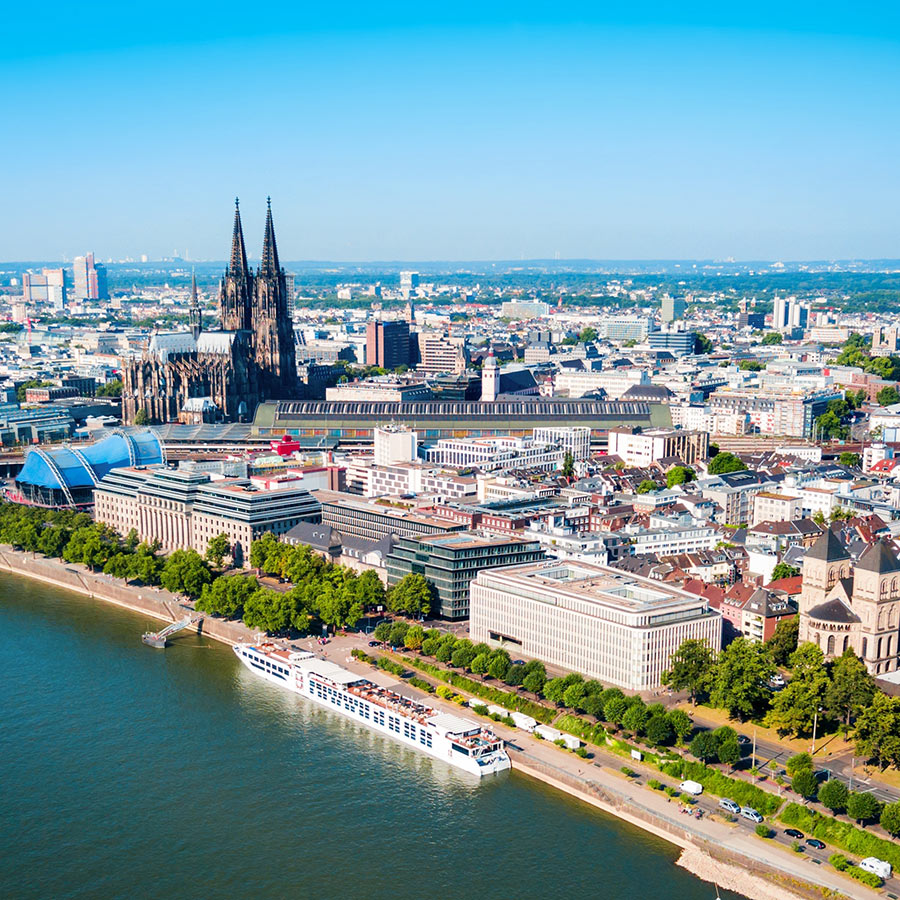
From 14 to 16 September 2026, the 19th Federal Congress on National Urban Development Policy will take place in Cologne. The theme is “Act together, act faster, think further: shaping cities for everyone”. This event will bring together stakeholders from local governments, politics, public administration, academia and civil society to discuss innovative approaches to sustainable, resilient and forward-looking urban development.
For the first time this year, Connective Cities will have a stand at the event run by the Service Agency Communities in One World (SKEW). The congress offers an excellent opportunity to raise the profile of the international city network and its services for facilitating professional exchanges between local authorities. We will be focusing on discussions with local authority experts from the fields of urban development, mobility, climate adaptation and sustainable transformation.
At the SKEW stand, we particularly want to show experts what Connective Cities has to offer and discuss potential opportunities for participation and cooperation. We will also present selected examples of good practice from the relevant specialist areas, as well as the Connective Cities Media Centre as a knowledge platform. We warmly invite network members attending the Federal Congress to take this opportunity to speak to the team at the stand. We look forward to exchanging ideas, making new contacts, and generating new impetus for municipal development cooperation.
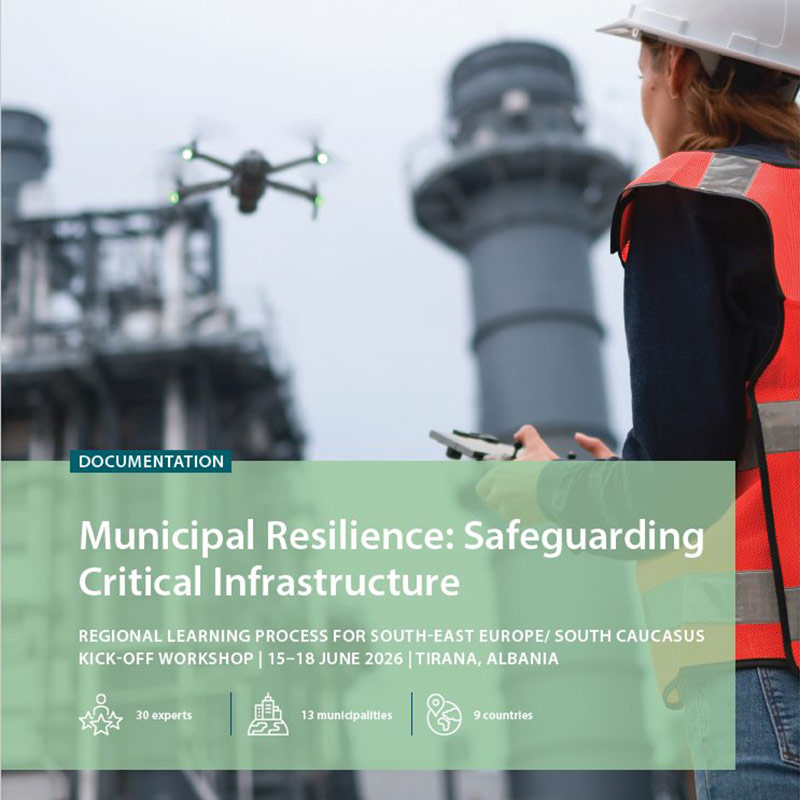
When electricity fails, water pumps stop working. When communication networks are disrupted, emergency response slows down. Critical infrastructure is interconnected—and so are the risks municipalities face.
Across South Eastern Europe and the South Caucasus, municipalities are increasingly confronted with complex and interconnected risks. Climate change, ageing infrastructure, cyber threats and geopolitical instability are placing growing pressure on the systems that provide essential public services.
To support municipalities in addressing these challenges, Connective Cities launched the regional learning process Planning for Municipal Resilience: Safeguarding Critical Infrastructure through Risk-Informed Development.
At the kick-off of the regional Connective Cities Learning Process in Tirana, 30 experts from 13 municipalities and nine countries worked together to identify local vulnerabilities and develop practical solutions. The result: eleven municipal action plans – ranging from backup power and digital infrastructure monitoring to flood prevention, crisis communication and new approaches to municipal coordination.
What challenges do municipalities share, what solutions are they developing – and what can other local governments learn from them? Read more in this full documentation.
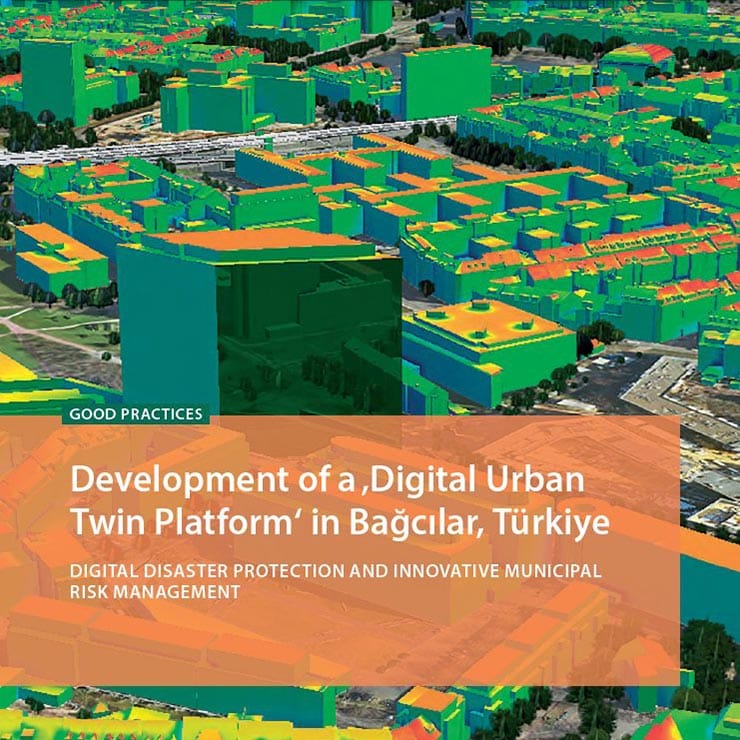
Bağcılar is one of Istanbul’s most densely populated districts, with approximately 710,000 inhabitants. Located on the coast of the Sea of Marmara, it covers an area of about 22 square kilometers. As a municipality in a region with a high risk of earthquakes, Bağcılar faces the urgent task of taking precautions to protect its population and urban systems in the event of a crisis. To this end, the municipal administration has been driving digital transformation since the 2000s and has conducted a comprehensive inventory of existing building structures – information that has been incorporated as data into a digital 3D model of the municipality.
With this ‘Digital Urban Twin Platform’, the administration aims to enable faster assessment of situations in emergencies and disasters. Digital simulation of risk scenarios – such as tsunamis following earthquakes – allows for improved civil protection measures and necessary adjustments to urban systems. Furthermore, continuous digital monitoring of the building stock enables targeted on-site inspections of building regulations, thereby increasing administrative efficiency. Citizens can access the platform via an app to book various municipal services.
According to Cüneyt Yilmaz, head of the IT Department at Bağcılar, the central criterion for the applicability of the platform is the creation of a sustainable data foundation.
The documentation describes in detail the development process, activities and future application areas of the continuously evolving digital twin platform.
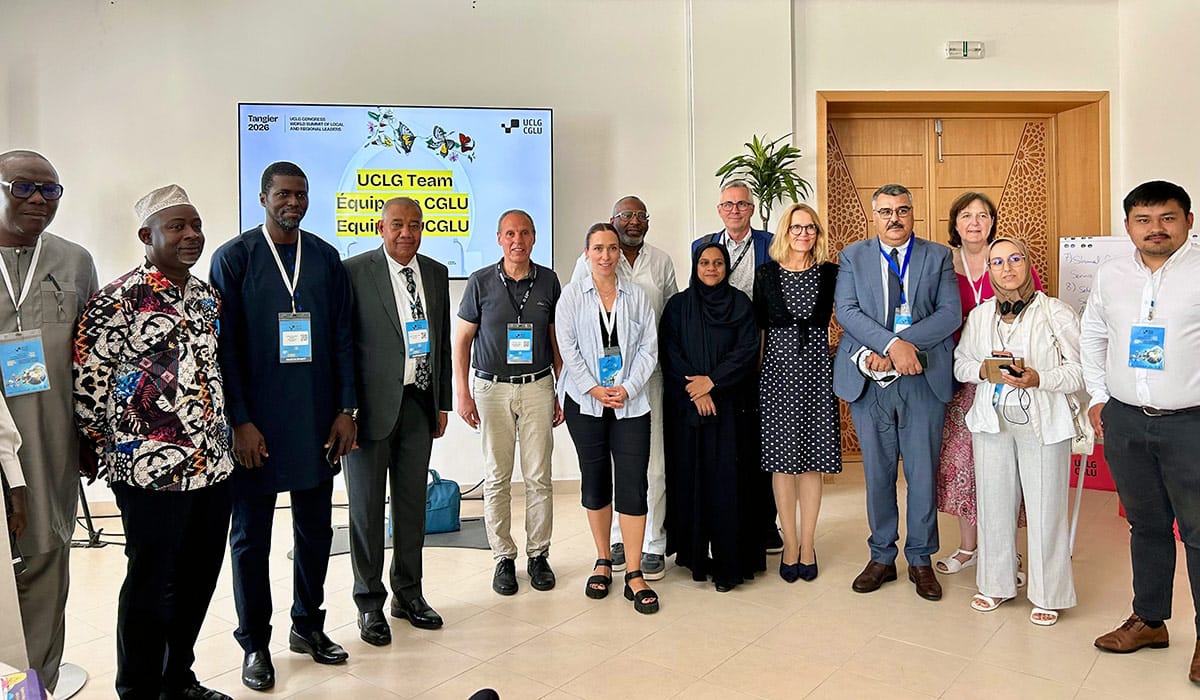
Connective Cities participated in the United Cities and Local Governments (UCLG) World Congress 2026, held from 22–25 June in Tangier, Morocco. Under the overarching theme “A New Generation of Universal Local Public Services,” the Congress brought together more than 3,000 local and regional leaders, municipal practitioners, city networks and development partners from around the world.
As part of the Local4Action Track, Connective Cities, together with the Association of German Cities, organised the 90-minute Lab “From Challenge to Practice: How Municipalities Turn Local Plans into Public Services.”
From Planning to Implementation
The Lab addressed a challenge shared by municipalities worldwide: while local strategies and development plans are often well designed, translating them into effective, inclusive and sustainable public services remains a complex task. Rather than focusing solely on success stories, the session encouraged municipalities to share real implementation experiences, discuss practical challenges and learn from one another.
Gabi Schock from the City of Krefeld (Germany) opened the session with insights into strategic municipal waste management, demonstrating how citizen participation can become a key success factor in planning and implementing public services. Using Krefeld’s waste management strategy as an example, she illustrated how local government, political representatives, businesses and citizens were involved at an early stage of the planning process. The presentation showed that participation not only increases public acceptance of new measures but also helps integrate local knowledge into decision-making, identify potential conflicts early on and develop sustainable long-term solutions. Krefeld’s experience highlighted that successful municipal service delivery is built on transparent governance, continuous dialogue and trust-based cooperation with citizens.
The second case was presented by H.E. Governor Issa Timamy of Lamu County (Kenya), who introduced the Kiunga Solar-Powered Desalination Initiative. The project addresses the challenge of providing reliable access to clean drinking water in a remote border region. By using solar-powered desalination technology, Lamu County has not only improved water supply but also reduced dependence on fossil fuels and strengthened resilience to climate change. Governor Timamy emphasised that the initiative’s success was made possible through close cooperation between the County Government, local communities and development partners. The project demonstrates how integrated municipal planning can simultaneously contribute to improved public services, better health outcomes, social cohesion and local economic development. In recognition of these achievements, Lamu County received the UCLG Peace Prize, accompanied by prize money of €20,000.
The two presentations highlighted a common message: effective public service delivery is achieved where technical solutions are combined with good governance, active citizen participation and strong local partnerships.
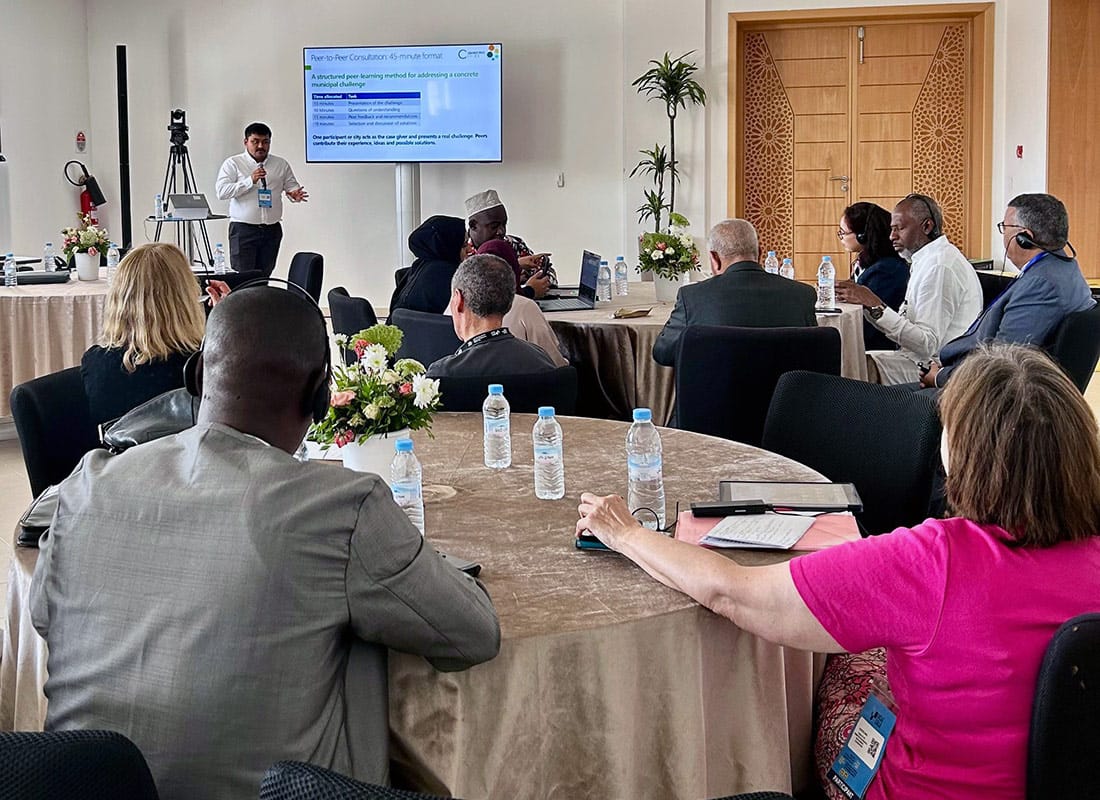
Peer-to-Peer Consultation: Developing Solutions Together
The second half of the Lab shifted from presentations to collaborative problem-solving.
An Introduction to the Peer-to-Peer Consultation Methodology | Photo: Connective Cities
A representative of the Municipality of Pékine (Senegal) presented a real implementation challenge: complex procurement procedures, lengthy administrative processes and staff turnover were delaying infrastructure projects and slowing down municipal service delivery.
Participants jointly analysed the challenge during a facilitated Peer-to-Peer Consultation and developed a range of practical recommendations. Proposed solutions included:
strengthening knowledge management to preserve institutional memory;
developing clearer procurement roadmaps and process guidelines;
improving coordination across municipal departments;
establishing clear responsibilities and accountability mechanisms;
promoting knowledge exchange with neighbouring municipalities;
investing in continuous capacity development for municipal staff;
creating databases of qualified service providers;
introducing minimum quality standards for contractors and service providers; and
assessing the political and institutional context at an early stage to identify opportunities for implementation.
The discussion demonstrated that municipalities across different regions often face remarkably similar implementation challenges. This is precisely where the Connective Cities approach creates value: structured municipal exchange enables practitioners to jointly develop practical solutions that can be adapted to their respective local contexts.
The Lab also illustrated how international municipal exchange can move beyond traditional good practice presentations. By openly discussing implementation challenges and working together to identify solutions, peer learning becomes a practical instrument for strengthening local public service delivery.
The Connective Cities team and participants in the Lab | Photo: Connective Cities
From 22 to 25 June 2026, the World Organisation of Local Authorities (UCLG) held its World Congress in Tangier, Morocco. With the theme of ‘A New Generation of Universal Local Public Services’, over 3,000 delegates from around the world gathered.
The organisation brings together national associations of local authorities, as well as over 1,000 local authorities from seven regions of the world: Africa, the Asia-Pacific region, Europe, Eurasia, the Middle East and West Asia, and Latin America and North America. The UCLG therefore represents around five billion people, accounting for 70 per cent of the world’s population.
The UCLG World Congress is held every three years. Alongside the technical discussions held in numerous Barcamps and side events, and the many networking opportunities, the Congress marked the start of a new governance cycle for the international local government movement. The Presidium, which consists of a President and six Co-Presidents representing different regions, was re-elected. The delegates elected Uğur İbrahim Altay, Mayor of Konya, Turkey, as the new UCLG President for the 2026–2029 term.
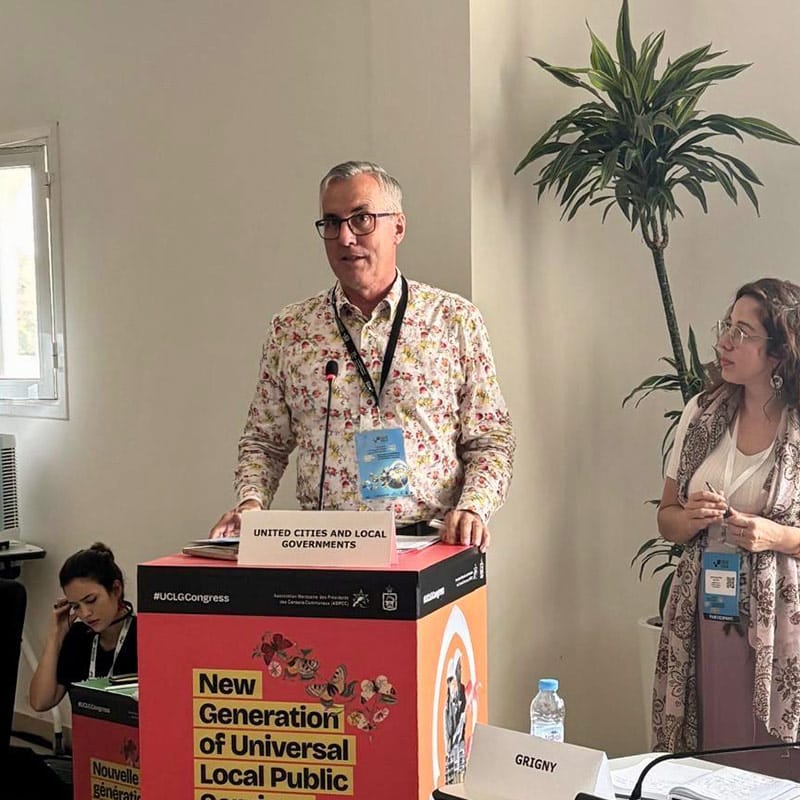
Andreas Wolter, a Cologne city councillor, represents the German side on human rights issues | Photo: Connective Cities
The Congress also renewed UCLG’s governing bodies, including the World Council and the Executive Bureau. Representing Germany on the new World Council are Dr Ursula Sautter (Mayor of Bonn), Jörk Cardeneo (City Councillor, Düsseldorf) and Andreas Wolter (City Councillor, Cologne). The election process reflects UCLG’s commitment to balanced regional representation and shared political leadership within the global municipal movement.
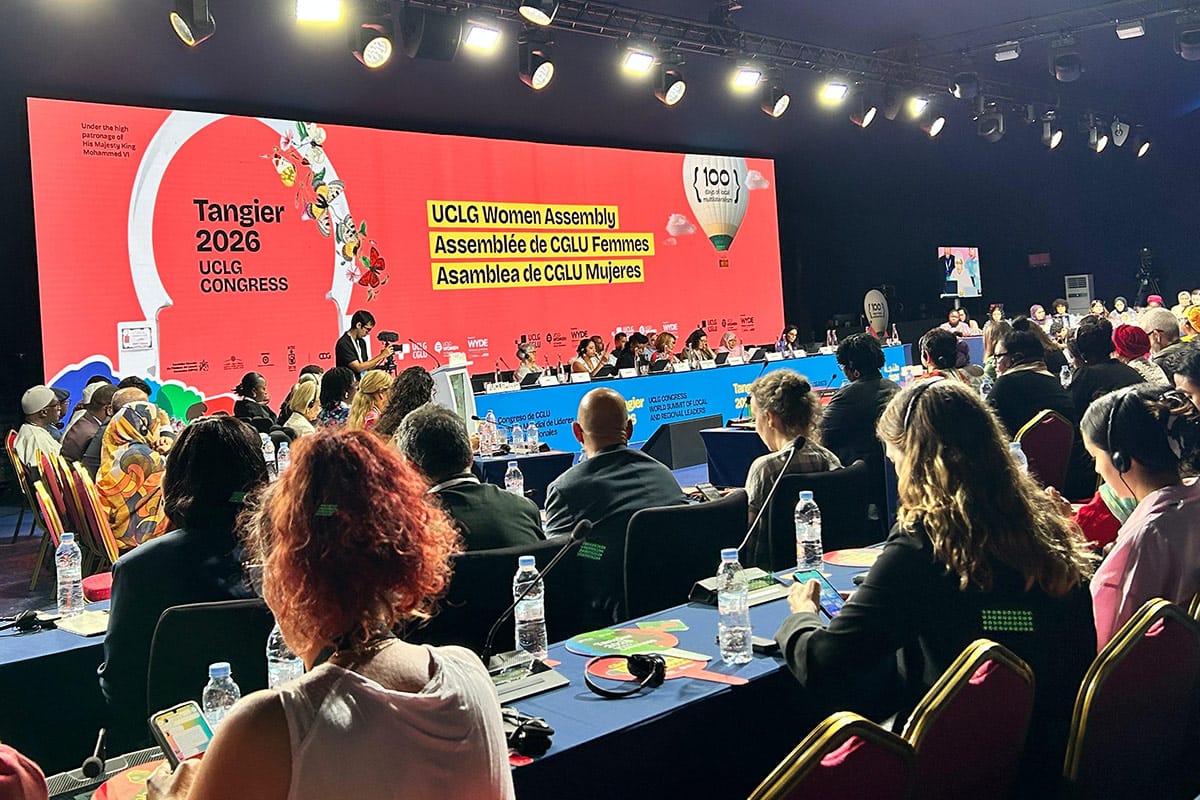
Another milestone was the first-ever UCLG Women’s Assembly, which brought together women mayors, governors and local leaders from around the world. Discussions focused on advancing gender equality in local governance, strengthening women’s political leadership and further developing the Feminist Municipal Movement within UCLG. The Assembly reaffirmed that gender equality is a fundamental component of resilient, inclusive and future-oriented local governance. During the Assembly, Mayor Dr Ursula Sautter also proposed introducing a gender-balanced co-presidency model for the next UCLG mandate.
UCLG Women Assembly | Photo: Connective Cities
In the ‘Tangier Outcome Document – A New Generation of Universal Local Public Services’, the delegates also reaffirmed the central role of local and regional governments in providing inclusive, accessible and resilient public services. The focus was on issues such as affordable housing, climate resilience, digital transformation, social inclusion and international municipal cooperation.
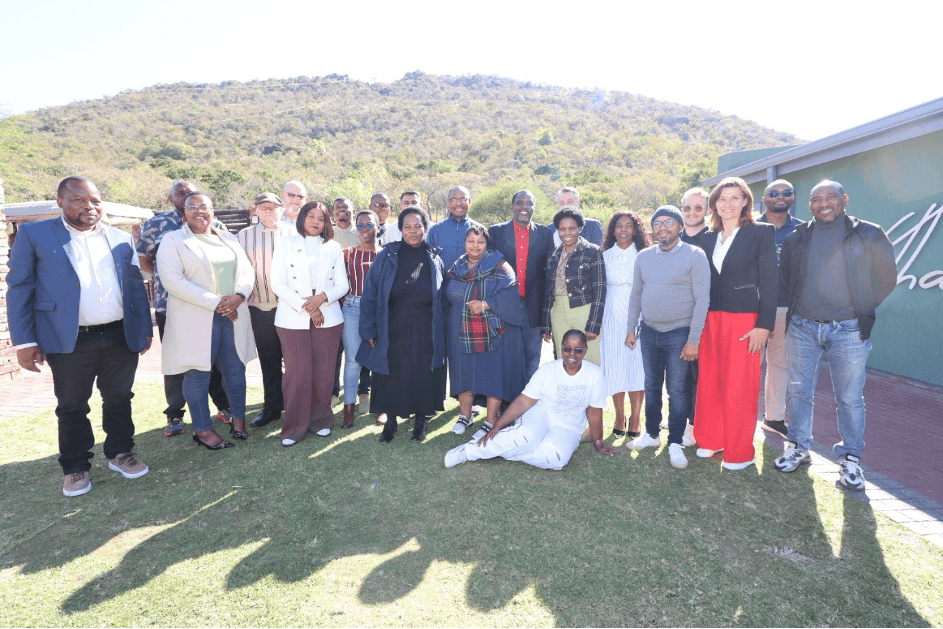
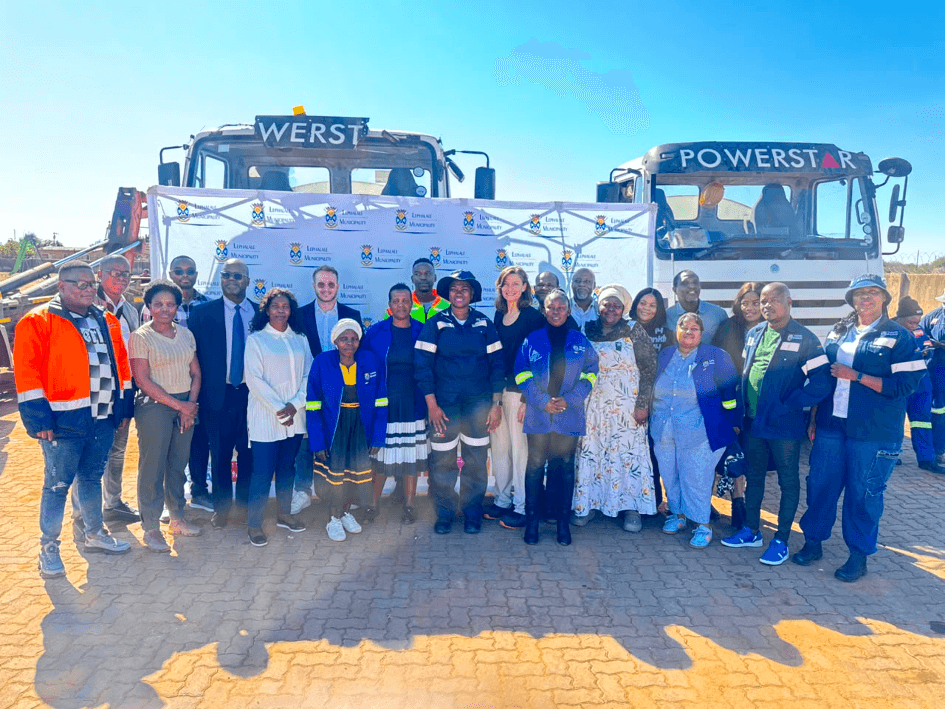
From 8 to 12 June 2026, Connective Cities, in partnership with the South African Local Government Association (SALGA) and the Waterberg District Municipality, organised an international expert mission on economic transition and green industrial development at the municipal level. The mission brought together municipal representatives, researchers, and experts from industry and practice from South Africa (SALGA, Waterberg District Municipality, and the local municipalities of Lephalale and Mogalakwena), Germany (the Economic Development Agencies of the Cities of Karlsruhe and Heilbronn, as well as the Baden-Württemberg RegioClusterAgency), Namibia (Lüderitz Town Council), and Kenya (the County Government of Nakuru). Participants exchanged experiences, discussed shared challenges, and explored the opportunities that the emerging green hydrogen economy—based on the production of hydrogen using renewable energy sources—offers for local and regional development.
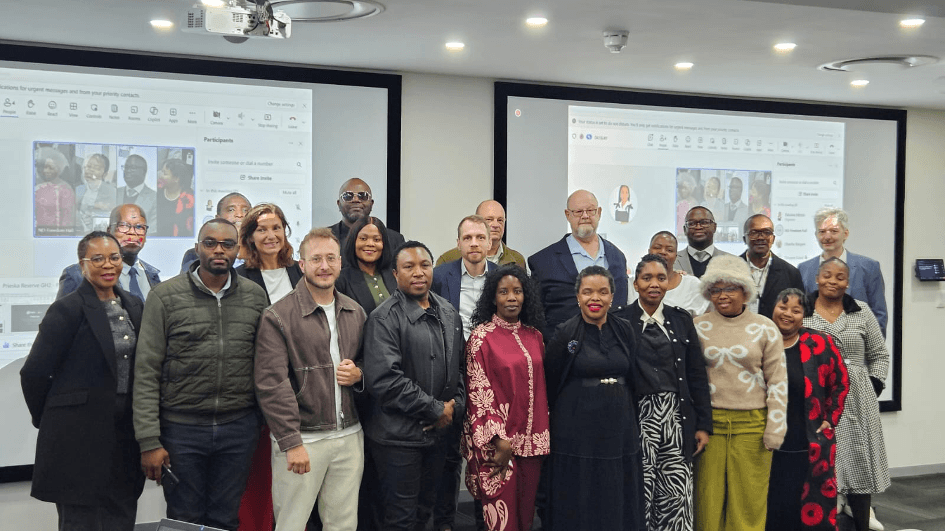
Visit at SALGA | Photo; Grace Karanja
The mission formed part of broader efforts for the Just Energy Transition and complemented the work of South Africa’s Just Energy Transition Municipal Council (JETMC), which is strengthening municipal readiness for a shift toward cleaner and more sustainable energy systems. Through policy discussions, technical presentations, and site visits to strategic infrastructure such as the Eskom Matimba Power Station and Exxaro Solar Power Station, participants gained valuable insights into the challenges and opportunities facing regions transitioning from coal-dependent industries.
Central themes of the mission were the role of green hydrogen in driving local economic development, industrial diversification, and job creation. Waterberg District Municipality highlighted the importance of ensuring that the transition is both environmentally sustainable and socially inclusive. Participants learned about progress made in Waterberg District municipality in cooperation with both Lephalale and Mogalakwena Local Municipalities, including municipal skills development initiatives, governance structures, funding mobilization efforts, and partnerships supporting green hydrogen capacity building.
The Waterberg Development Initiative (WDI) presented its vision for a coordinated regional development model that aligns municipalities, industry, and communities around shared economic and sustainability goals. Discussions also featured contributions from national government representatives, development partners, and municipalities already advancing hydrogen-related projects, demonstrating growing momentum behind South Africa’s hydrogen economy.
Final workshop with stakeholders in Waterberg | Photo: Elwin Gaoseb
The mission concluded with a strategy workshop, where participants jointly developed a 36-month roadmap for regional development. The roadmap identified priority actions in infrastructure development, skills readiness, investment attraction, and partnership building to support the creation of a future “Waterberg Hydrogen Corridor.” These outcomes complemented Hydrogen Cities Working group discussions on municipal capability development, finance mobilization, and energy access, while addressing challenges such as financing constraints and uneven municipal preparedness.
The expert mission reinforced the critical role municipalities play in South Africa’s energy transition. Through international collaboration, knowledge exchange, and practical planning, the initiative demonstrated how green industrialization can drive sustainable economic growth while ensuring communities remain at the center of the transition to a cleaner, more resilient future.
Meeting with Mayor and Employees at Lephalale Municipality | Photo: Elwin Gaoseb
How can municipalities translate strategies and local development plans into effective public services? This question lies at the heart of the Connective Cities Lab “From Challenge to Practice: How Municipalities Turn Local Plans into Public Services”, organised in cooperation with the Association of German Cities.
Municipalities around the world face similar challenges when implementing local development plans. In this Lab, municipal representatives from different regions will share practical experiences: What obstacles had to be overcome? Which approaches proved successful? And what lessons can be adapted to other local contexts?
Following a series of short case presentations, participants will engage in a moderated peer-to-peer exchange to discuss challenges and jointly explore practical solutions for effective local public service delivery.
Objectives of the Lab
Exchange experiences on challenges related to local public service delivery
Share practical and transferable implementation approaches
Promote international networking and peer learning
We look forward to welcoming municipal practitioners, experts, and partner organisations from around the world.
Participation: The Lab will take place exclusively in person as part of the UCLG World Congress 2026. All participants and speakers must register through the official Congress registration system: https://registration.uclgcongresstangier2026.com/
Water is becoming a key challenge for an growing number of local authorities worldwide. On the one hand, they are increasingly exposed to heatwaves and drought. But on the other hand, heavy rain and high water levels are leading to more frequent flooding. These risks come together to not only impact public health, but jeopradize private property and public infrastructure. Global water demand could significantly exceed available supplies by 2030. Water is thus becoming a strategic resource. It is therefore critical for municipalities to strengthen their water resilience.
Examining their own challenges regarding water resilience, learning from experiences on other continents and developing the courage to implement innovative ideas – all these were the ingredients of the first in-person meeting as part of the Connective Cities Deep Dive, held from 5 to 7 May 2026 in Wuppertal. The group had already met for a virtual kick-off in March 2026. In early 2026, a total of 16 experts from the German municipalities of Dresden, Wunstorf and Wuppertal, as well as from Akkaraipattu (Sri Lanka), Homa Bay (Kenya), Hyderabad (India), Natitingou (Benin) and Niš (Serbia) have started a two-year long working together to explore and analyse innovative approaches such as sponge city concepts, blue corridors and integrated blue-green-red infrastructure, and the possibilities for their implementation. On this basis, they develop and implement locally adapted solutions to address their specific challenges.
The report describes practical examples from Wuppertal and Leipzig, outlines the planned pilot projects of the six municipalities and summarises the key takeaways from the process so far.
Kisumu, a port city on the shores of Lake Victoria and one of Kenya’s largest cities, is becoming increasingly important for the movement of goods and trade between Kenya and its neighbouring countries, Tanzania and Uganda. With an annual population growth rate of just under 4 per cent, the population has more than doubled in 15 years, rising from around 205,000 in 2001 to at least 422,000 in 2025. This has led to a series of major infrastructure projects, which, however, have primarily focused on motorised transport, even though 53 per cent of residents’ daily journeys are made on foot.
One project under the ‘Kisumu Sustainable Mobility Plan’ is the ‘Walkable Triangle’: the pedestrian-friendly redesign of the three main streets—Oginga Odinga, Ang’awa Ave and Jomo Kenyatta Ave—in a commercial district in the city centre. These streets form a triangle around a sports and park area and are used by over 2,200 pedestrians every day. The aim is to promote non-motorised transport along the 1.5-kilometre stretch, making it safer, more pleasant and accessible, whilst preserving and integrating the existing tree population.
In addition, the city is promoting e-mobility in public transport through a battery-swapping system for motorcycle taxis, known as ‘boda-bodas’, and three-wheeled taxis, known as ‘tuk-tuks’.
The documentation describes the approach as well as the outcomes achieved by this good practice.
The Connective Cities learning process on “Nature at the Heart of Urban Resilience” was officially launched through a three-day kick-off workshop held in Naivasha, Kenya from 21 to 23 April 2026, bringing together 20 municipalities and cities from across Sub-Saharan Africa and Germany, alongside over 40 urban practitioners, technical experts, and institutional partners.
The workshop marked the starting point of a longer-term engagement aimed at supporting local governments in translating their urban challenges into concrete, implementable solutions through structured peer exchange and technical support.
Cities at the Frontline: Climate Pressures and the Need for Nature-Based Solutions
Urban areas are increasingly where the impacts of climate change are most visible—and most intensely felt. Across Sub-Saharan Africa, cities and municipalities are facing a convergence of pressures: rapid urbanisation, environmental degradation, and growing exposure to climate risks such as flooding, drought, and heat stress. These pressures are not isolated; they interact in complex ways, amplifying vulnerabilities and placing strain on already limited infrastructure and institutional capacities.
At the same time, local governments are not passive actors. As highlighted in the opening of the workshop, they are at the forefront of both experiencing and addressing climate challenges.
Andreas Wolter, President of Climate Alliance and City Councilor of Cologne, emphasized the critical importance of ensuring that cities are actively represented in the global climate discourse, as municipalities are where climate impacts are most immediate and where solutions must ultimately be implemented.
Complementing this perspective, Dr. Nelson Maara, representing Nakuru County, highlighted the importance of preserving ecosystem services as a foundation for resilience, drawing on local experience to illustrate how the degradation of natural systems directly translates into increased urban vulnerability for climate-related risks.
Together, these perspectives reinforce a growing recognition that municipalities must play a stronger role in shaping climate action, as they are responsible for translating high-level commitments into practical, locally grounded solutions. In this context, Nature-Based Solutions (NbS) offer a critical pathway—enabling cities to address environmental, social, and economic challenges simultaneously through the restoration and sustainable management of ecosystems. However, while the relevance of NbS is increasingly acknowledged, the ability to move from concept to implementation remains a complex issue. This is where the Connective Cities learning process plays a critical role, equipping municipal practitioners with the technical capacities and knowledge required through structured exchange formats.
From Exchange to Implementation: The Role of the Learning Process
The learning process is built on the principle that cities and municipalities learn most effectively when they engage directly with one another on real, shared challenges. Rather than focusing on abstract knowledge transfer, it creates a structured space for practitioners to jointly analyse their challenges, exchange experiences, and progressively develop reform measures—concrete actions or project concepts that can be taken forward within their local contexts.
Additionally, another key component of the Learning Process methodology is to strengthen the capacities of urban practitioners to design, plan, and advance these measures within their institutional environments. The peer-to-peer approach is particularly important given the diversity of participating municipalities, bringing together different governance structures, capacities, and experiences while highlighting that many of the underlying challenges are fundamentally shared.
The learning process is therefore not about transferring solutions from one context to another, but about enabling cities to adapt and refine ideas through dialogue, ensuring that they are both context relevant and practically implementable.
From Framing to Practice: Expert Inputs and Panel Insights
Building on the broader objectives and structure of the learning process, the kick-off workshop in Naivasha marked the first step in translating this approach for peer learning into practice. Over the course of three days, participating cities and municipalities engaged in a structured exchange that combined expert inputs, panel discussions, and peer learning sessions, allowing them to ground NbS in their own urban realities.
The expert inputs provided the theoretical basis for the participants to better understand the importance of NbS for sustainable municipal development:
Prof. Johanes Belle introduced NbS through the lens of ecosystem services, highlighting how natural systems provide essential functions such as flood regulation, water purification, and climate moderation.
In addition to their core infrastructural functions, Nature-Based Solutions also generate co-benefits, including improvements in psychological well-being of local residents, increased soil quality, and opportunities for job creation. By framing NbS in terms of these services, Dr. Belle underscored that ecosystems should be understood as functional infrastructure, central to urban resilience rather than peripheral environmental assets.
For example, wetlands and urban green spaces can absorb excess stormwater, reducing flood risk while simultaneously improving water quality in rapidly growing urban areas. This perspective was particularly relevant for participating cities, many of which are experiencing the direct consequences of ecosystem degradation in the form of increased flood risk, declining water quality, and heightened climate vulnerability.
The input from Deputy Mayor William Wolfgramm, from the City of Cologne’s Climate Department demonstrated how such concepts of NbS can be translated into practice within a structured comprehensive planning framework by presenting the City of Cologne’s ‘urban green space masterplan’. Drawing on concrete examples, the presentation showed how NbS are embedded within long-term planning instruments and supported through institutional coordination, data-driven analysis, and dedicated funding mechanisms.
Measures such as de-sealing urban surfaces, expanding green corridors, and promoting green roofs and rainwater retention systems illustrated how NbS can be systematically implemented at scale when anchored in governance structures, through long-term planning processes and through taking a ‘whole-of-society’ approach.
The panel discussion further reinforced this shift from concept to application. Drawing on experiences from cities that had previously engaged in similar processes, panelists demonstrated through experiences from previous Connective Cities learning processes how initial ideas developed through peer exchange can evolve into tangible outputs—whether through feasibility studies, planning instruments, or pilot interventions. The discussion highlighted various concrete lessons:
eThekwini (South Africa): Emphasised the importance of adopting an all-of-society approach to disaster risk management, bringing together local government departments, technical experts, and communities. Particular attention was given to strengthening communication channels with local populations and ensuring that NbS are embedded within long-term, city-wide programmes and institutional frameworks.
Abelkuma, Accra (Ghana): Highlighted the importance of breaking down institutional ‘silos’ and ensuring coordination across departments in the development of foundational instruments such as urban greening guidelines and implementation plans. The intervention further underscored the need to strengthen technical detailing, local ownership, and financing pathways in order to move from concept to implementation.
Berlin (Germany): Emphasised the importance of clearly scoping technical challenges, anchoring them within appropriate institutional frameworks, and establishing clear lines of accountability. They further highlighted how inclusive, participatory processes—bringing together multiple stakeholders, including local communities—can strengthen implementation, supported by robust control mechanisms such as data systems, continuous monitoring, and regulatory frameworks.
Lusaka (Zambia): Emphasised the critical role of data collection and feasibility studies in advancing projects from concept to implementation. They highlighted the importance of partnerships in mobilising financing and noted the value of city networks in providing technical support and facilitating access to funding opportunities.
Commonly shared among the panelists was the insight, that while ideas often originate through exchange, their success depends on strong ownership —both in terms of institutional anchoring and the involvement of all relevant stakeholders— alongside the ability to translate concepts into structured an financeable interventions.
Cities in Dialogue: From Individual Challenges to Shared Patterns
With these insights in mind, the workshop moved into the peer learning phase, where participating cities and municipalities began to unpack their own challenges in greater detail. To facilitate focused exchange, participants were organised into five moderated working groups:
Group 1: Babadjou (Cameroon), Méagui (Côte d’Ivoire), Natitingou (Benin), Commune de Nanga-Eboko (Cameroon)
Group 3: Tanga City (Tanzania), Köln (Germany), Mazabuka (Zambia), Ilemela (Tanzania)
Group 4: Embu (Kenya), Nakuru (Kenya), Mwanza (Tanzania), Tarkwa-Nsuaem (Ghana)
Group 5: Bosaso (Somalia), Sinda Town Council (Zambia), Kimberley (South Africa), Berlin (Germany)
Within these groups, municipalities presented their challenges, received peer feedback, and began refining possible directions for action. While the discussions initially reflected diverse local contexts, a clear pattern of shared challenges quickly emerged.
Across the groups, municipalities repeatedly highlighted issues related to ecosystem degradation, water management, waste systems, and rapid urbanisation. These challenges were often closely interconnected. For instance, inadequate waste management was identified as a key contributor to flooding, as blocked drainage systems exacerbate water accumulation during heavy rainfall. Similarly, unplanned urban expansion into wetlands and riverbanks was found to increase exposure to climate risks.This reinforced the understanding that urban challenges are not isolated, but rather systemic in nature, requiring integrated responses that address environmental, institutional, and social dimensions simultaneously.
As discussions progressed, cities began to move beyond describing their challenges and toward identifying more structured pathways forward.
From Challenges to Action: Peer Recommendations and Emerging Directions
Through structured peer exchange, participants worked to refine and prioritize potential solutions. Rather than introducing entirely new ideas, this process helped cities to clarify the thoughts broad to the workshop and translate broad concepts into more concrete directions.
Key recommendations emerging from the discussions included the need to strengthen the evidence base for planning, through baseline studies, risk assessments, and feasibility analyses. Cities were also encouraged to integrate NbS within urban planning and governance frameworks, ensuring that interventions are embedded within long-term strategies rather than implemented as isolated projects.
Another strong theme was the importance of community engagement and behavioral change, particularly in areas such as waste management and environmental protection. Many cities recognised that technical solutions alone would not be sufficient without local ownership and awareness building measures.
Finally, there was a clear emphasis on the need to move toward structured project development, including cost-benefit analysis, clearer project definition, and preparation for financing.
From Ideas to Implementation: What Comes Next
While the initial phases of the workshop focused on understanding challenges and identifying potential solutions, time was also dedicated to looking ahead within the year-long learning process. The emphasis shifted towards how these ideas can be further developed into implementable and financeable interventions.
To support this, inputs were provided by the City Climate Finance Gap Fund and the Covenant of Mayors in Sub-Saharan Africa (CoM SSA). Both initiatives outlined their approaches to supporting cities in developing climate projects, including their selection criteria, support mechanisms, and application processes. Emphasis was placed on the importance of strong technical preparation, clear project scope, and alignment with climate and development priorities.
These inputs directly responded to the needs expressed by cities, particularly in relation to moving beyond early-stage ideas and accessing financing. Building on this, the workshop concluded with a forward-looking exercise in which cities presented initial concepts for reform measures, beginning to articulate more concrete project ideas and potential pathways for implementation.
What the workshop demonstrated is that cities are not lacking solutions. Across contexts, there is already a strong foundation of ideas, experiences, and emerging practices. The key challenge lies in structuring these ideas, strengthening the enabling environment, and advancing them toward implementation.
The Connective Cities learning process provides a platform to do exactly that—turning exchange into collaboration, and collaboration into tangible action.