Startups and Innovation: Labour Market Opportunities and Prospects for Young People

Connective Cities invites two experts from your municipality to participate in the international exchange of expertise in Bremen and the subsequent learning process


Do you support the startup scene in your municipality? What opportunities do you offer young people in the job market? What challenges do you face in your work?  The City of Bremen is already well-connected on this topic—including internationally. Now, in cooperation with Connective Cities, the city invites you to join five other German and six international municipalities in Bremen to exchange expertise on startup initiatives and incubators, as well as municipal incentives and support programs for startups and new businesses.

Opening new perspectives and promoting skills development are equally important for young people in Germany and the Global South; the opportunity to enter the labour market is essential. In Bremen and Bremerhaven, the number of startups is high by national standards. The startup scene is vibrant, innovative, and well-connected. The Bremen Senate Chancellery also already has valuable international contacts: its partner cities Windhoek (Namibia) and Durban (South Africa) contribute experience with their own startup centres and instruments for startup support.

The goals of this dialogue event are to learn together by sharing good practices at the local level, to discuss challenges through peer consultations, to develop solutions to the challenges identified, and to foster networking among participants.

We look forward to the participation of two experts from your municipality, particularly from the fields of economic development, labour and social affairs, or youth work.

Further information: Call for Participation [PDF, 2 pages]

Application deadline: 26 April 2026

If you have any questions, please do not hesitate to contact us:
Marcella Sobisch, Project Coordinator, Connective Cities, marcella.sobisch@engagement-global.de,
+49 (0)228 20717 2658 and connective-cities@engagement-global.de .

Safeguarding Critical Infrastructure through Risk-Informed Urban Development

Municipalities and regions from Southeast Europe, the South Caucasus and Germany are invited to participate in the regional learning process “Planning for Urban Resilience” and jointly develop approaches to protect critical infrastructure and strengthen urban resilience.

Municipalities are increasingly facing complex risks: climate-related extreme events, technical disruptions, growing inter-dependencies between infrastructure systems and new security challenges threaten the functioning of urban areas. Protecting critical infrastructure – energy, water, transport, communication and health – has therefore become a central task of modern local governance.

The learning process brings together municipalities from Southeast Europe, the South Caucasus and Germany to exchange practical experience, develop joint solutions and strengthen local capacities for risk-informed urban development. The focus lies on integrated planning, multi-risk governance and the development of implementable project approaches to protect and strengthen critical infrastructure.

Who is the call for participation addressed to?

  • Professionals and managers from municipal administrations, municipal utilities and regional authorities
  • Staff working in planning, infrastructure, disaster risk management and municipal management
  • Cities, municipalities, districts and regions from Southeast Europe, the South Caucasus and Germany

Timeline and Format

  • Virtual kick-off meeting: End of April 2026
  • First face-to-face workshop (3 days): Beginning of June
  • Duration: approx. 1 year
  • Formats: on-site workshops, digital exchange modules and short expert missions (“peer visits”)


The learning process is structured in three phases:

  1. risk and vulnerability analysis,
  2. integrated planning and solution development, and
  3. implementation readiness and financing.
  4. Thematic priorities include urban systems and critical infrastructure resilience, integrated risk governance, and data, early warning and continuity management. The structured process promotes peer-to-peer learning and technical cooperation between municipalities in Europe and the partner regions.

Participation and Contact

The participation costs (accommodation and board) are covered. The conference language is English

Expression of interest deadline: 13 April 2026

Application: https://community.connective-cities.net/en/form/connective-cities-see-learning-p

Further information: Call for participation [pdf, 3 pages ]

Please do not hesitate to contact us if you have any questions:

Paulina Koschmieder – paulina.koschmieder@giz.de
Jimmy Yoedsel – jimmy.yoedsel@giz.de

Nature at the Heart of Municipal Resilience

Connective Cities invites municipal and regional authorities from Sub-Saharan Africa and Germany to participate in a new international Learning Process on Nature-Based Solutions (NbS).

Local and regional governments are increasingly at the forefront of addressing climate change, biodiversity loss, and environmental degradation. Intensifying floods, droughts, heatwaves, and land sealing are placing growing pressure on urban systems and governance capacities. Against this backdrop, Nature-Based Solutions offer a cost-effective, multi-benefit pathway to strengthen climate adaptation while also delivering mitigation co-benefits such as carbon sequestration, stormwater management, and urban heating and cooling regulation.

About the Learning Process

The one-year Learning Process will convene municipal practitioners, technical experts, and policymakers through three in-person workshops and continuous virtual collaboration. Participants will progress from problem identification to solution co-development and implementation readiness, supported by peer learning, technical input, and targeted coaching.

The process aims to:

  • Strengthen municipal and regional capacities to plan and implement NbS
  • Facilitate structured peer-to-peer learning between Sub-Saharan African and German authorities
  • Co-create actionable NbS project concepts ready for piloting, financing, or integration into planning frameworks
  • Generate knowledge products to support replication and scaling across city networks


Thematic Focus Areas

Participants will collaborate within demand-driven thematic working groups, including:

  1. Nature & Urban Ecosystems – Urban greening, biodiversity, de-sealing, urban forests, heat reduction
  2. Water & Sponge Cities – Flood management, river and wetland restoration, rainwater management
  3. Greening Municipal Infrastructure – Integration of green and grey infrastructure, ecological corridors, climate-adaptive mobility and energy systems


Timeline

  • March 2026: Virtual kick-off and insight session on Nature-Based Solutions
  • From 21 to 23 April 2026: First in-person workshop
  • October 2026: Second in-person workshop
  • January 2027: Final in-person workshop


 Who Can Apply

The call is open to:

  • Municipal and regional authorities from Sub-Saharan Africa
  • German municipalities and counties

Participation of two experts per authority is encouraged, with the option to involve partners from ministries, civil society, or the private sector.

 How to Apply

Interested authorities are invited to submit an Expression of Interest via the Connective Cities Community Platform:

👉 Application link:
https://community.connective-cities.net/en/form/connective-cities-ssa-learning-p

Application deadline: 30 March 2026

Contact

Skilled Immigration and Migrant Entrepreneurship for Local Economic Development

Migration policy may be a national matter – however, its success or failure is also determined at the local level. Convinced by this, around 50 local government professionals came together for a virtual Insight Session organised by Connective Cities. The focus was on the question of what role municipalities can play in the immigration of skilled workers and in supporting migrant entrepreneurship.

Unlocking linkages between international cooperation and economic development in local administrations. © Slido poll during the online event

The situation in a nutshell: Regions and countries facing a shortage of skilled workers (mostly high-income countries) contrast with regions and countries with a surplus of (skilled) workers (mostly lower-income countries). In Germany, a shortage of 768,000 skilled workers is expected by 2028. Skilled immigration offers great potential for all parties – provided the conditions are fair. Migrant entrepreneurship is also of interest, since it in turn creates jobs. In two-thirds of OECD countries, migrants are more willing to launch a start-up than the non-migrant population.

More: Thematic Framework [pdf]

An online study conducted in 2024 by the Institute for Employment Research (IAB) on the return and onward migration intentions of immigrants in Germany is encouraging. According to the findings presented during the Insight Session, around three-quarters (73.3 per cent) of the migrants surveyed had not considered leaving the country in the past 12 months and had no such plans for the next 12 months either. When skilled workers plan to leave the country, they primarily explain this by the complex bureaucratic processes, the tax burden and the general economic situation in Germany. 47 per cent would then return to their country of origin, while 53 per cent would move on to another country, primarily Switzerland, other European countries and the USA.

“Germany as a stop-over?” Dr Lukas Olbrich from the Institute for Employment Research (IAB) presented the findings of a study on return and onward migration intentions of immigrants in Germany. © Institute for Employment Research (IAB)

More:  Germany as a Stopover? IAB [pdf]

The political framework for skilled immigration is primarily provided by the United Nations’ 2018 ‘Global Compact for Migration’. The member states express their commitment to improving conditions for migrants – albeit not in a legally binding way. In Germany, the Skilled Immigration Act, passed in 2019, applies; it regulates and aims to facilitate the immigration of skilled workers from non-EU countries. A brand-new initiative in this area is the initiative ‘WE-Fair – Business and Development Policy for Fair Recruitment of Skilled Workers’, launched in March 2026 by the Federal Ministry for Economic Development and Cooperation (BMZ). Within this framework, private sector and development policy stakeholders are working together to promote fair recruitment and skilled migration.

At the Insight Session, four municipalities presented how they coordinate skilled immigration and migrant entrepreneurship.

Annika Abellán from the District of Pinneberg began by highlighting the wide range of stakeholders involved in the skilled immigration process, thereby illustrating its complexity. The focus is always on the migrant skilled worker and the employing company. Furthermore, while the individual is still in their country of origin, the German Embassy, the Federal Employment Agency and the local immigration authorities are involved. As preparations continue (and later in Germany as well), providers of language courses and intercultural training, as well as institutions responsible for the recognition of professional qualifications, come into the picture. Finally, when it comes to building a life in Germany, players such as housing providers, registration authorities, health insurance providers, tax authorities and – depending on the individual case – services for family members such as daycare centres and schools are relevant.

Each of these players involves a great deal of information, which is why the Pinneberg District Administration offers guidance as a key service. “Our goal is simple, yet ambitious: to share information where it is needed and to bring the right people together “, Annika Abellán explained. A key tool is the app ‘Integreat’, which is available to any interested municipalities. Through this app, the five-person team – drawn from various departments of the district administration—provides bundled access to all relevant information for skilled workers. In addition, information is shared via a dedicated newsletter, targeted mailings, the district’s online portal, social media and the local press. Furthermore, the district engages in regional networking and beyond and brings stakeholders together to discuss key issues, such as women in the labour market. To encourage the immigration of skilled workers, targeted projects are also being implemented: The “Skilled Care Workers Alliance” focuses on skilled workers in the healthcare sector. Planning to take part in the nationwide project “THAMM Plus,” the district intends to promote the immigration of skilled workers from North Africa for positions in local kindergartens in the future.

“In the end, it’s not just about work – it’s also about feeling at home in Germany.”
(Annika Abellán, District Administration Pinneberg)

More: Good practice presentation District of Pinneberg, Germany [pdf]

The City of Munich is tackling the challenge in a similar way: It also addresses all phases of skilled immigration and consolidates its activities within the “Munich Employment and Qualification Programme (MBQ)”. “What we intend to offer is a customer‘s journey: From pre-integration abroad to coming to Munich to hopefully a long-term perspective“, said Dr. Magdalena Ziolek-Skrzypczak from the Department of Labor and Economic Development (RAW). The “Make it in Munich” website provides skilled workers living abroad with information and advice, as well as – in cooperation with partners such as the Goethe-Institut – free language courses and IT training. A new feature is the job portal “Munich Job Board”, which boosts the visibility of Munich-based companies on the international labour market. Skilled workers arriving in Munich will find a central one-stop service for all work- and life-related queries at the “MBQ Munich Onboarding Hub”. It offers an After-Work Weekly Open House, a support programme for job search and the application process, and specific support for migrant communities through the Munich Global Village. In order to provide long-term support for migration entrepreneurship, the city has also been awarding the ‘PhoenixPrize’ since 2024. It recognises successful business development, the creation and safeguarding of jobs and apprenticeship, and diversity within migrant-owned companies.

Graphic: City of Munich

Mehr: Präsentation – Welcome to the City of Munich [pdf]

Local economic development in the context of migration is also a topic in municipal partnerships.

As an example, the partner cities of Mersin in southern Türkiye and Oberhausen in the Ruhr region presented a jointly conducted study from 2024. In both municipalities, and in their respective countries, migrant-led businesses contribute significantly to the gross domestic product. According to Elif Tanburoğlu from Mersin, this trend has been further exacerbated in Türkiye in particular by the recent influx of refugees. The aim of the study was to identify the specific challenges and needs faced by migrant entrepreneurs – based on the observation that these struggle particularly during the start-up phase and have poorer access to business support services and networks.

Key findings of the study are: The presence of other migrant communities and the attitude of the host society have a strong influence on the development of migrant-run businesses. Over the past decades, migrant enterprises in Oberhausen have gained stability. In Mersin, comparatively liberal conditions are accelerating the establishment of businesses.

More: Migrant entreprenuership and municipal measures to support migrant start-ups and their impact on local economic structures [pdf]

A second example is the project partnership between Gharb Irbid in Jordan and Munich. Together, they are working to build up local capacity to support women, young people and refugees in the labour market. To this end, a municipal company specialising in the production of waste containers was established in Gharb Irbid. A local business start-up centre for women offers training courses and marketing opportunities for craft products and also involves migrant women. A particularly favourable factor is that in Munich both the Unit for European and International Affairs and the Unit for Local Employment Policy and Qualification are located within the Department of Labor and Economic Development (RAW), allowing cross-border thinking and economic development to easily intertwine.

The final working groups distilled some of the key insights of the event:

Municipalities that are just beginning to address the issue of skilled immigration should start small: “Think big – start small!“, was the advice of the Insight Session. Networking is key; as well as streamlined information services through one-stop solutions. Programmes promoting social integration are crucial. “People will only stay if they can fully establish their lives here,” said a participant. A close collaboration between international offices and the economic departments is particularly effective. Moreover, international comparison serves as a stimulus: in Mersin, for example, migrants need only around three years to establish a business, whereas in Oberhausen it takes seven.

Companies should be approached proactively about recruiting foreign skilled workers and supported throughout the process to alleviate concerns about bureaucratic hurdles.

Migrant entrepreneurship needs support. The biggest challenges lie in bureaucracy, immigration law issues, and achieving long-term sustainability. Migrant communities are an important resource and should be included in the services offered by local administrations. It is important to note that integration into the labour market is a key factor in broader social integration – and vice versa.

The practical approaches and lively discussion during the Insight Session clearly demonstrated that local governments can play a crucial role in helping the economic potential of migration to be realized at the local level.


Further information

Greater Climate Protection and Quality of Life: Green Corridors in the MENA Region

On April 7, 2026, the new Connective Cities learning process on “Green Corridors in the city and its surroundings” was officially launched. The event was organised by Connective Cities in cooperation with the GIZ project Capacity Building through Urban Infrastructure Development (CBUID II) and was offered simultaneously in Arabic, French and English

The workshop was attended by around 70 representatives from eight countries: Algeria, Egypt, Germany, Jordan, Lebanon, Morocco, Palestine and Tunisia. Municipalities and partner institutions from the MENA region as well as the German city of Erlangen were represented. In addition to the official participants of the learning process, an extended circle of municipal representatives was further involved in the virtual exchange.

The kick-off served as technical and methodological introduction to the learning process. The aim was to set initial thematic priorities, to make municipal challenges visible and to create a common basis for further cooperation. At the same time, the event served to prepare the next steps in the process, in particular the in-depth phase and the planned face-to-face conference in Egypt.

AI-supported Visualization as Innovative Tool for Urban Planning

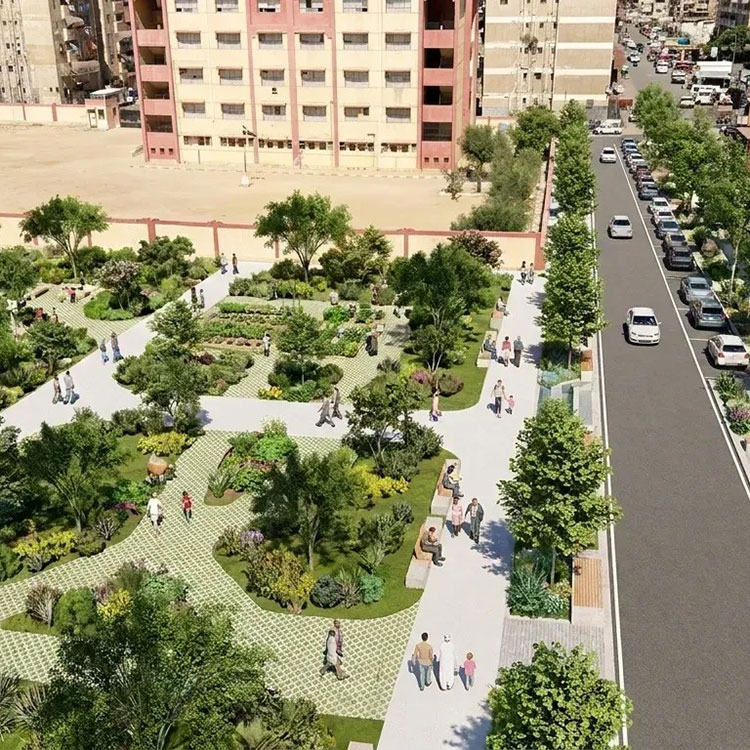
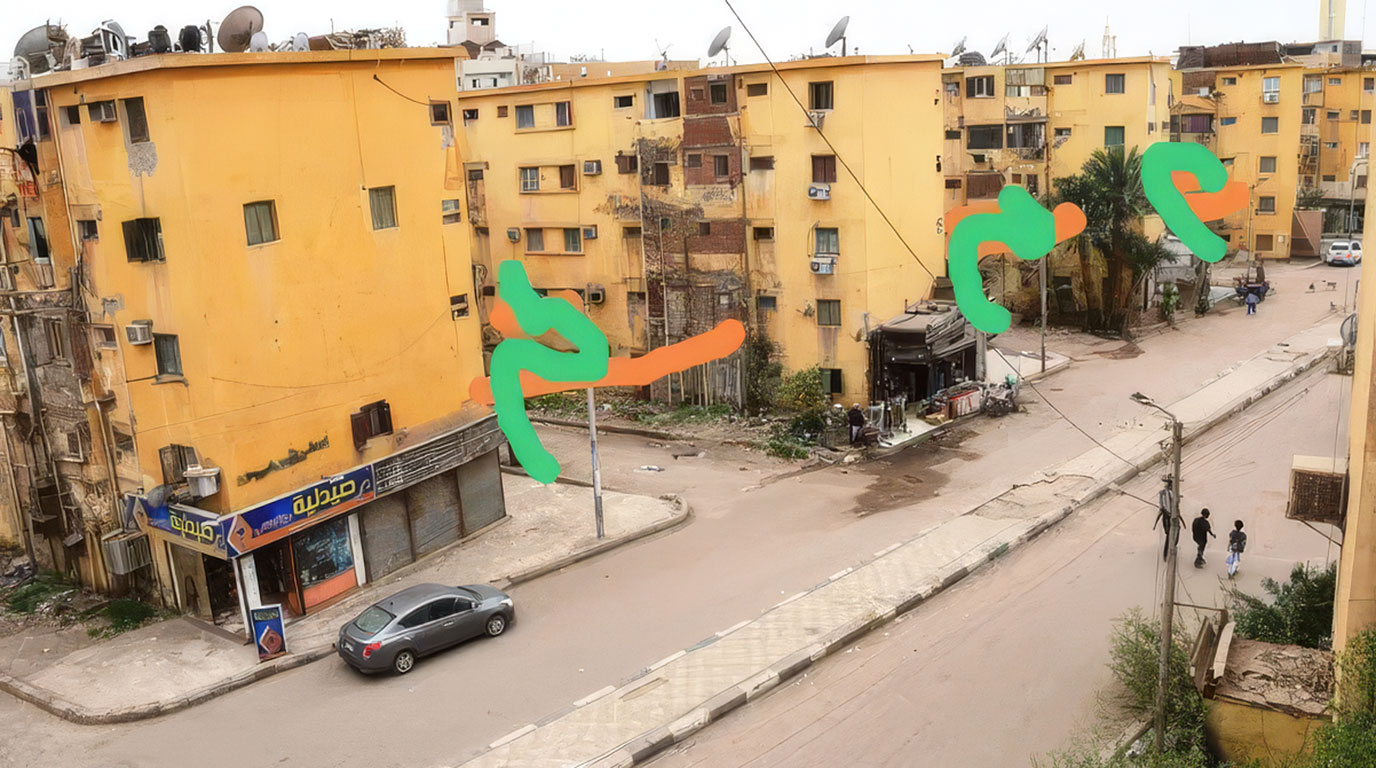
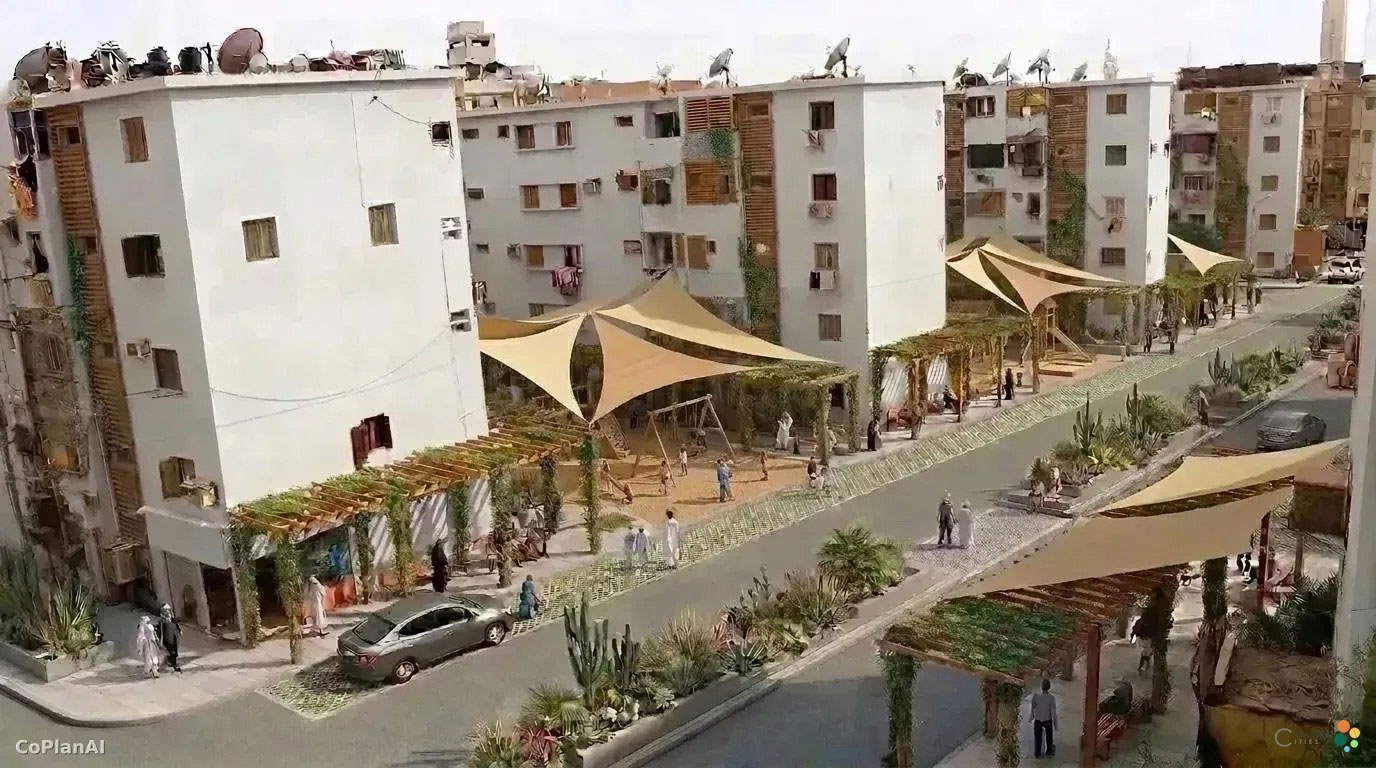
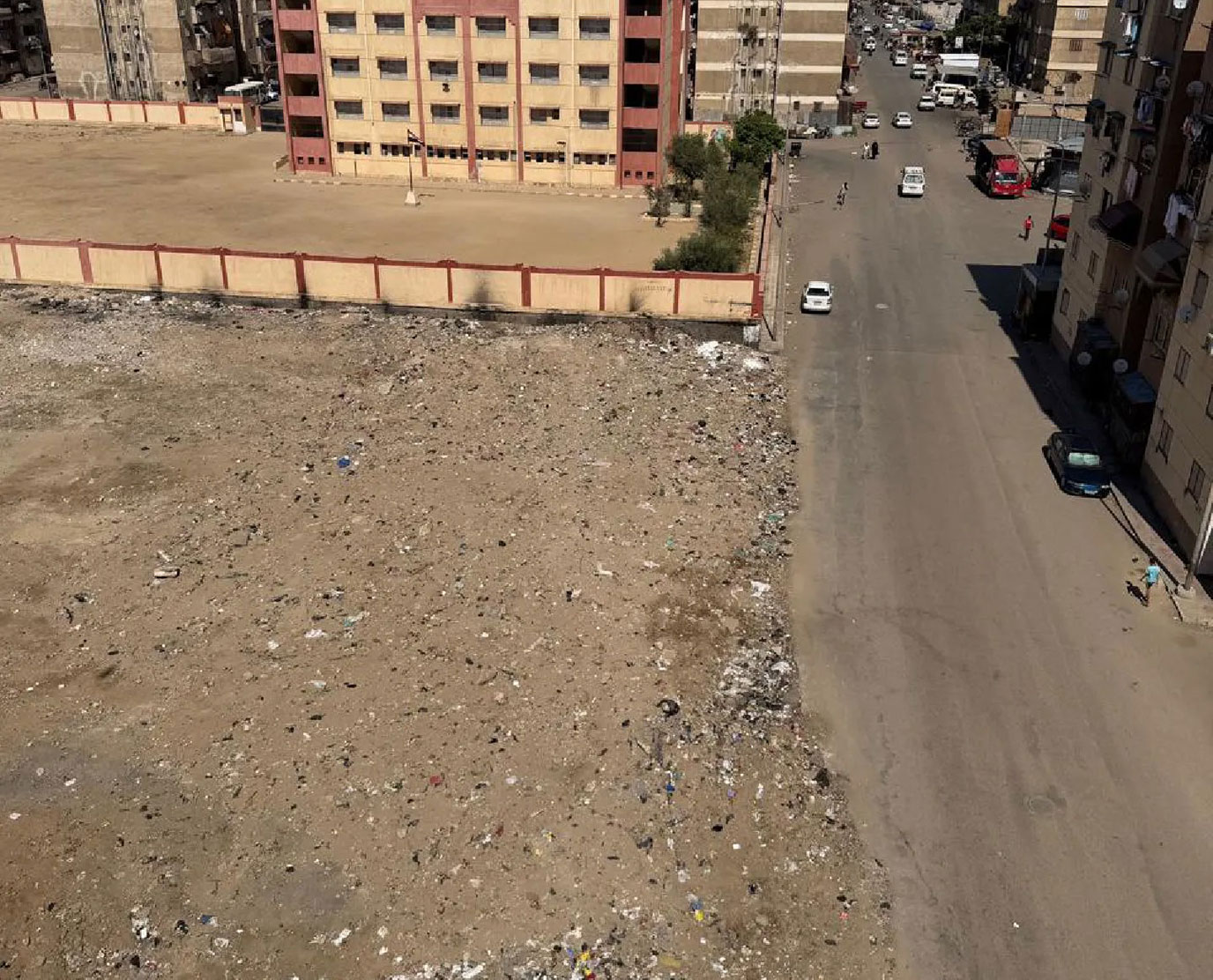
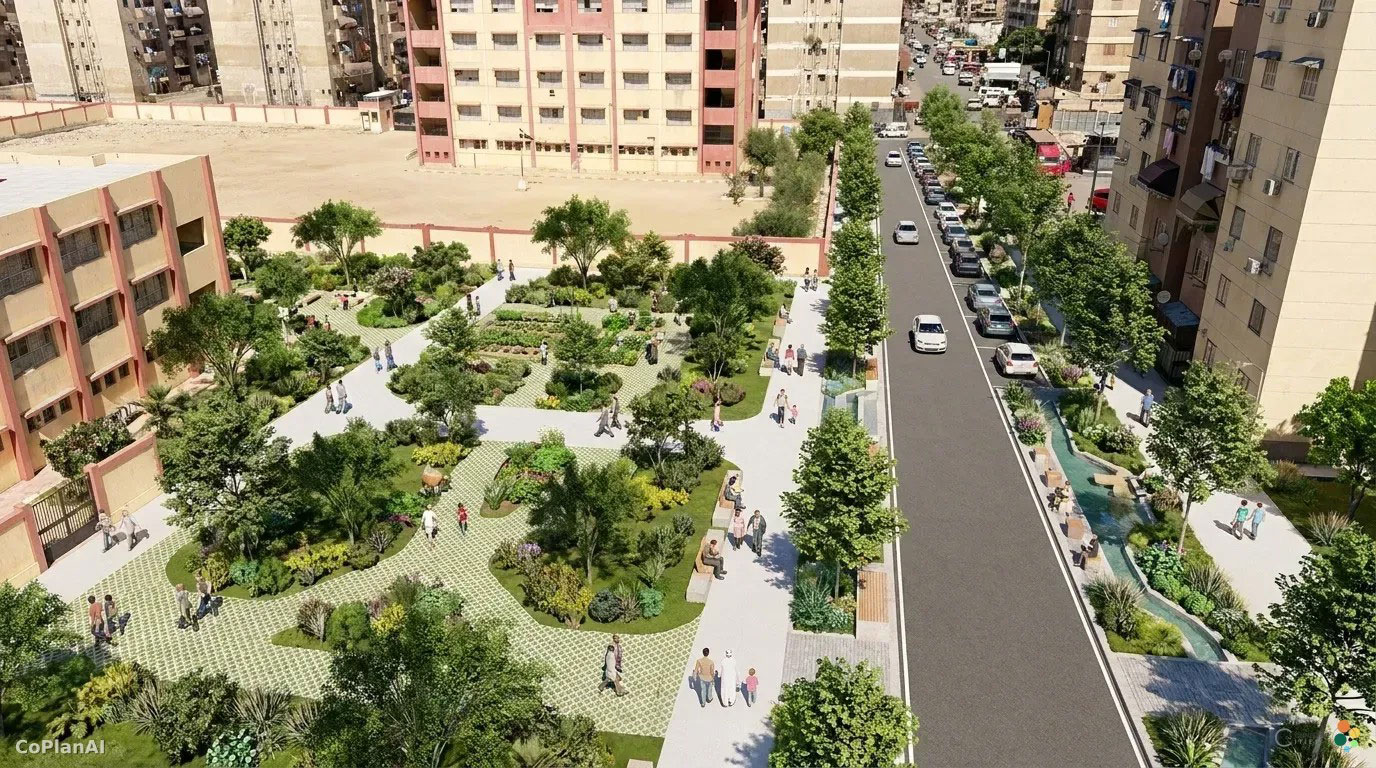
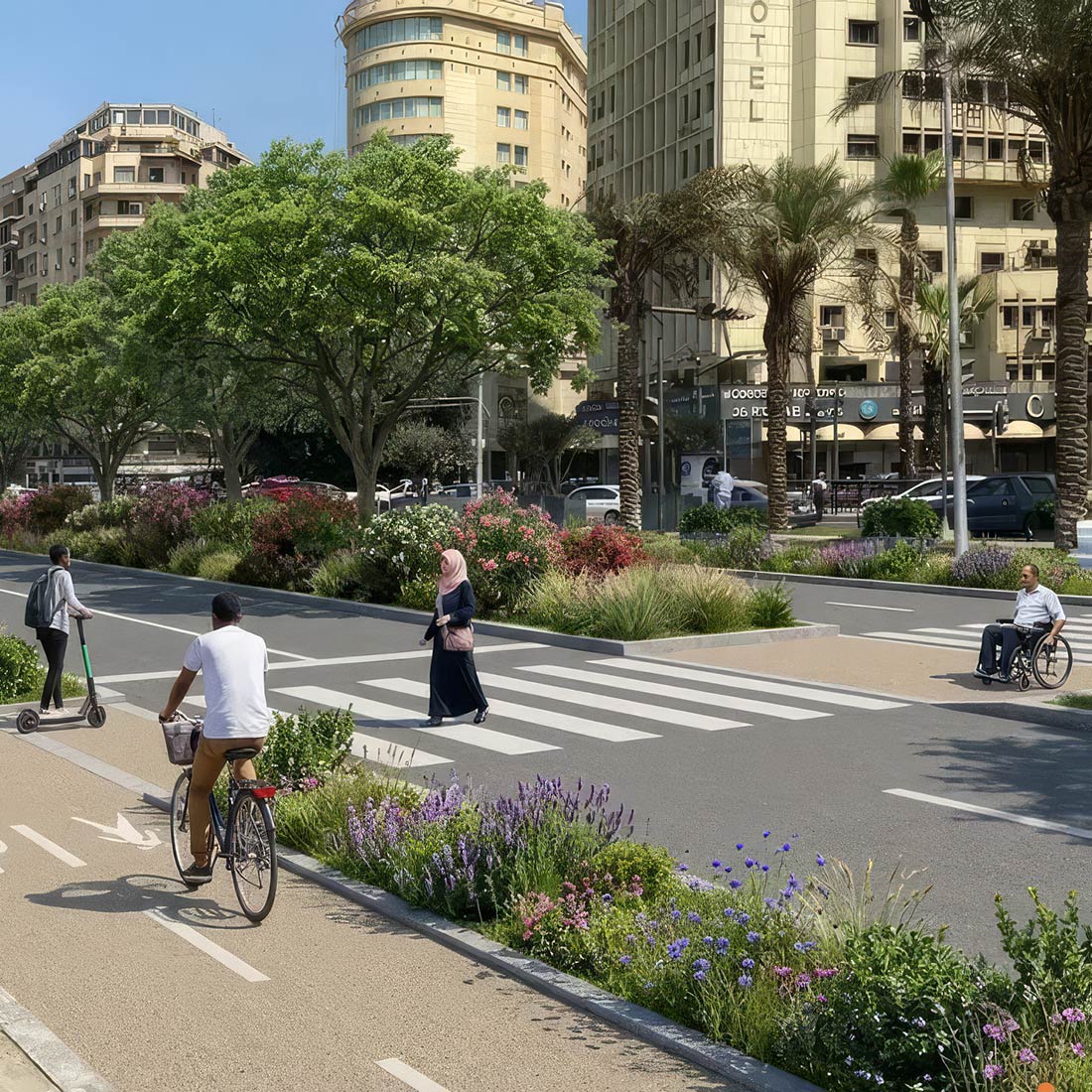
A central element of the kick-off was the joint AI visualization exercise on green corridors and green neighborhoods, implemented via the CoPlan AI platform. Based on images from urban contexts in the participating cities, spatial development future scenarios for climate-resilient, greener and more usable urban spaces were developed.

Around 550 images were produced as part of the exercise. The visualisation served not only to illustrate spatial changes, but also as a methodological tool to stimulate discussion about the feasibility of green corridors. In this sense, the exercise proved to be a suitable introduction for bringing together perspectives from administration, planning and local government practice.

Key Workshop Findings

The kick-off showed that green corridors and green neighborhoods in the participating cities are envisioned predominantly in urban districts and less in the cities’ surroundings. The focus is accordingly not on planning in undeveloped areas, but on the gradual further development of existing urban spaces in which housing, mobility, public use and social functions are already closely intertwined.

In that sense, it also became clear that green corridors have to fulfil several functions at the same time. They contribute to climate adaptation, for example through shading, cooling, better air circulation and water absorption. But they also contribute to the upgrading of public spaces by improving the quality of life and encounters within the city. Especially in dense neighborhoods, green corridors must therefore always be considered as social spaces of mobility and connection.

Another central aspect was the importance of participation and local acceptance. Since identified spaces are usually already intensively used, the involvement of the population is an essential prerequisite for successful implementation. This applies to the usability for distinct groups such as children, families and residents as well as the question of how green measures can be integrated into the everyday urban life.

Contribution from the Urban Development Fund (UDF)

The Urban Development Fund (UDF) underlined the importance of institutional approaches for integrated and climate-resilient urban development in Egypt. The examples presented showed how strategic urban development, upgrading of existing districts, heat reduction and public space can be more closely linked. The UDF thus not only contributed concrete experience from Egyptian practice, but also an important perspective on scaling, institutional anchoring and long-term implementation capability.

Contribution of the City of Erlangen

The city of Erlangen’s contribution illustrated that green corridors must be implemented in conjunction with traffic, accessibility and conflicts over the use of urban space. In their presentation of the local project ‘From two quarters to one campus’, Erlangen representatives demonstrated how a green boulevard, tram, bicycle, pedestrian and motorised traffic, and an existing pedestrian bridge could be brought together within one coherent planning task. Thus, the contribution from Erlangen provided important impetus for an integrated planning approach to green corridors.

Example Cities and Good Practices

During the kick-off, several municipal and institutional examples were presented that are of particular relevance for the further learning process:

  • Erlangen (Germany): integrated planning approach to green corridors in existing urban space, with a focus on Green Boulevard, multimodal mobility, land use and conflicts of use.
  • Aswan (Egypt): Development of the Heat Action Plan for El-Sail Elgadid, including cooling stations, shaded recreation areas and specific offers for children and women.
  • Port Said (Egypt): Approaches to climate-adapted urban development and the upgrading of urban spaces under the specific climatic conditions of a Mediterranean city.
  • Telal Al-Fustat Park, Cairo (Egypt): large-scale greening approach in historic Cairo with positive effects on cooling, air quality and biodiversity.
  • Reviving Historical Cairo (Egypt): Upgrading historic urban areas as a combination of urban renewal, public space and historical identity.
  • Al-Asmarat (Egypt): Participatory upgrading of public spaces in the residential environment as an example of the linking of green and social functions in existing neighbourhoods.

Outlook

Some of the participants at the launch event

The digital kick-off has created a reliable technical basis for the next steps of the MENA learning process. It became clear that the added value of the format lies particularly in synergy effects between concrete municipal examples, institutional perspectives, inter-municipal exchange and visual methods. In the coming phases, the identified topics will be further deepened, approaches between the cities will be further developed and jointly concretized during both online and face-to-face exchanges.

Online Kick-Off for Municipal Water Resilience

24 March 2026 was the big day! The in-depth learning process “Water Resilience: Strengthening Municipalities against Drought and Heavy Rainfall Events” kicked off shortly after the World Water Day. Droughts, heatwaves, heavy rainfall and flooding are on the rise, putting a strain on infrastructure, public health and municipal budgets. At the same time, urbanisation is intensifying competition for water.

Many major cities are already experiencing severe water stress, and the global demand for water could significantly exceed the available supply by 2030.
Water scarcity has long been an obstacle to development for countries in the Global South, but in the future, all regions worldwide will have to adapt to fluctuating water availability and growing conflicts over its use. Water is set to become the defining strategic resource of the 21st century.

Key solutions are emerging at a local level. Although the broader circumstances vary greatly, local authorities face similar structural challenges, making exchange and collaborative learning particularly valuable.

As part of our ‘Deep Dive’ on the topic of ‘Water-Resilient Municipalities’, we are bringing together experts from eight municipalities in Benin, Germany, Kenya, India, Serbia and Sri Lanka. Over a two-year period, they will discuss innovative approaches, such as sponge city concepts, blue corridors and integrated blue-green-red infrastructure, and develop and implement locally tailored solutions to their respective challenges.

During the initial virtual meeting, the municipalities presented their local challenges, identified initial similarities, and prepared for the first in-person working meeting in Wuppertal in early May. Further updates from our ‘Deep Dive’ project will follow from May 2026.

The participating cities are: Natitingou (Benin), Dresden, Wunstorf and Wuppertal (Germany), Homa Bay (Kenya), Hyderabad (India), Niš (Serbia) and Akkaraipattu (Sri Lanka).

Shaping mobility on a sound basis: decisions based on reliable information

What does it take to make mobility in our municipalities more sustainable? New technologies? More funding? The will of the citizens? One answer: We need reliable information to make informed decisions that can bring about targeted changes. At the dialogue event “Sustainable mobility—Combination of future-proof mobility forms” last November, 38 participants from 11 different countries identified data management and use as a central aspect of the transportation transition. On 23 March 2026, around 20 participants in the Connective Cities learning process came together again for an online follow-up session to engage in an in-depth discussion on the topic of ‘mobility data management’. During the two-and-a-half-hour exchange, a total of 5 municipalities presented aspects of their mobility data management as a basis for transportation planning decisions.


“Data (or the absence) can be a reason to unnecessarily delay important decisions. Also make sure you apply the correct data for the correct application.”

Participant as part of a survey conducted during the online event


Those with the capacity and financial resources can undertake the process of developing a Sustainable Urban Mobility Plan (SUMP). This multi-year, partly participatory data collection and analysis process includes a catalog of Sustainable Urban Mobility Indicators (SUMI) and concrete recommendations for action. Dr. Metin Mutlu Aydin, Associate Professor at Ondokuz Mayıs University, who provided academic guidance during the three-year development of the SUMP in Trabzon, Turkey’s easternmost major port city on the Black Sea, presented the process and the recently published results to the participants in his keynote speech:

SUMPs are strategic plans used to formulate concrete, participatory responses to the mobility needs of people and businesses. To this end, the team of experts responsible draws on primary and secondary data and bases its recommendations for action on a large-scale participatory process. The city of Trabzon utilized existing statistics but also invested in a variety of digital measurement methods that enable automated, real-time data collection and ensure the monitoring of set goals. The most comprehensive data was collected through participatory means, including institutional meetings, exchanges with professional and civil society organizations, and public engagement via online surveys and social media. In Trabzon’s case, a total of 95 institutions were consulted. Integrated scenario analyses highlight the need for action: in this coastal city with hilly topography, for example, day trips by car already result in high traffic volumes today. By 2040, this number is expected to nearly double. Therefore, the city must provide alternatives, particularly along the identified main corridors.

In Munich, data is continuously collected and analyzed using a multimodal traffic model (“M3”); the City of Munich places a high priority on its data strategy. Attila Lüttmerding, Head of the Fundamentals and Data Division in the City of Munich’s Mobility Department, emphasizes that data should not be collected for its own sake, but rather that efforts must be goal-oriented. In addition to climate neutrality and traffic safety, Munich aims to significantly improve the use of public transport, walking, cycling, and electric vehicles. The data clearly demonstrates this success: The “traffic jam capital” has been showing a clear trend toward becoming a “pedestrian-friendly city” for several years now; the use of sustainable modes of transportation is increasing despite rising car ownership. Especially in the city center, these options are now an alternative for many. To determine this, the city uses a variety of technologies and—pragmatically—continues to use manual counting methods. The robust data set enables Munich to provide accurate information, including regarding the EU’s mobility indicators, which are intended to ensure greater international comparability in the coming years.

Viktor Goebel, project manager in the City of Munich’s Mobility Department, highlighted how sharing services can become more user-friendly if they are tailored to user behavior and closely monitored. Operators must adhere to the rules imposed on them by the city: E-scooters may not be parked in certain areas, and there are also limits on, for example, the number of scooters per zone, so that pedestrian and bicycle traffic is not disrupted by the additional mobility option. Data analysis is used here to determine the needs of individual areas and identify which sustainable forms of mobility can be effectively implemented. The significant level of interest shown by Munich’s residents thus justifies municipal subsidies.

Bremen, Windhoek (Namibia), and La Paz (Bolivia) provided brief insights into how data is managed in other municipalities. While data in Bolivia is managed as open data and public portals facilitate its use, the digital ticketing system in Windhoek serves as a new source of important data, enabling, among other things, the identification of areas where fare evasion poses a financial risk to operators.

In subsequent breakout sessions, participants engaged in in-depth discussions and gained further insights:

“Companies are always asking for money, so you need to do your own research to be able to evaluate their offers”

Voice as part of a survey conducted during the online event


However, the group discussions also highlighted how varied the availability and resources for data analysis are, and that it is important to consider many suggestions within their respective individual contexts.

Green Corridors in the city and its surroundings

Kick-off Event: 7th – 9th April 2026 (TBC) in Egypt

Local authorities in Germany, North Africa, and the Middle East face similar challenges in the face of climate change. They are called upon to translate general strategies for climate change adaptation and climate protection into concrete local measures. One option is to develop green corridors – e.g., as green walkways in city centers or as green corridors in the surrounding areas and new neighborhoods. These enable improved fresh air supply, quality of life, and more efficient water management. Green corridors can also be used for local recreation and heat protection in municipalities.

Against this backdrop, Connective Cities offers experts from local governments in Gemany, North Africa and Middle East the opportunity to develop concrete solutions for their own contexts and exchange ideas with each other as part of a one-year learning process.

Main areas of Work

The structured learning process will focus on:

  1. Green corridors as fresh air corridors between cities and their surrounding areas
  2. Green paths in cities and old city centers
  3. Green new and existing neighborhoods


The methodology

The learning process follows a modular approach with the following objectives:

  1. Supporting participating municipalities in developing solutions through peer learning and tailored technical advice to promote green corridor solutions.
  2. Developing the participants’ skills so that they are better able to implement organizational changes and improve procedures and methods in their own municipalities.
  3. Supporting participating municipalities in their methodological approach and the development of financially viable solutions.


As part of the learning process, best practices for green corridors and climate-friendly urban planning will be presented. Participating municipalities will engage in peer learning with others to develop concrete solutions for their individual contexts. These solutions can bring about organizational changes to improve procedures, methods, and data availability, as well as the concrete implementation of pilot measures.

Using a co-creative approach, participants will be involved in a structured creative problem-solving process. This includes

  1. observing and understanding current municipal practices to identify challenges and gaps,
  2. brainstorming and developing concrete solutions, and
  3. testing the solutions with a group of stakeholders, including citizens and experts, to obtain feedback.


Duration

The learning process will span a period of one year, beginning with a kick-off workshop in Egypt in April 2026. A total of two German and approximately 10 municipalities from the MENA region will participate in the learning process.

Participation and contact

We are looking for experts from local governments in Gemany, North Africa and Middle East (district offices, city administrations, municipal companies, etc.) who can contribute a project or idea for a solution for green corridors to the learning process. Ideally, two experts from one municipality will apply and be able to anchor the change process in the administration in the long term. The participation costs (accommodation and board) are covered. The conference language is English and French.

If you are interested in the learning process, please apply by February 20, 2026, via this link: Learning process MENA Green Corridors 2026/2027 | Connective Cities Network stating your municipality, position, and the project/challenge in the area of green corridors.

If you have any questions, please contact jelena.karamatijevic@giz.de

Further information about: Connective Cities’ learning processes

Local Economic Development through Skilled Immigration and Migrant Entrepreneurship

How can local governments take an active role in shaping skilled labour immigration and support migrant entrepreneurship in their municipalities?

This interactive online session by Connective Cities, on 25 March 2026, from 10:00 to 12:30 CET , will bring together German and international municipal practitioners to exchange experiences, learn from practical examples, and discuss innovative approaches to promoting local economic development through skilled labour immigration and migrant entrepreneurship.

Participants will benefit from good practice presentations and discussions, which will:

  • showcase effective municipal strategies for fostering successful and fair skilled labour immigration and migrant entrepreneurship
  • raise awareness of local governance challenges and opportunities
  • highlight transferable solutions for different local context
  • Strengthen local governments’ capacity to leverage their scope of action to support skilled worker immigration and migrant entrepreneurship as drivers of local economic development.


Event language is English.

Free of charge. Registration is necessary:

Event registration

Contact:

Nikola Krause
+49 228 20 717-2922
nikola.krause@engagement-global.de
The Hamburg Hydrogen Strategy

On 18 March 2026 from 10:00 to 11:30 CET, the Hydrogen Economy Unit of the Ministry of Economic Affairs and Innovation of the Free and Hanseatic City of Hamburg, Germany, will present the Hamburg Hydrogen Strategy in an Insight Session. The focus will be on how the Hamburg metropolitan region is positioning itself as a leading international hub for the hydrogen economy.

As a major port and logistics center, Hamburg plays a strategic role in linking global hydrogen supply chains with national demand. The strategy follows an integrated approach to scaling production, imports, infrastructure, and industrial applications, thereby making a key contribution to climate neutrality.

Through targeted investments, policy coordination, and international partnerships, Hamburg is strengthening its hydrogen ecosystem — from large-scale import corridors and hydrogen-ready infrastructure to innovation clusters. The overarching goal is to establish Hamburg as a gateway for hydrogen into Germany and Europe, as well as a center for industrial transformation and sustainable growth.

Join us to discuss how international cooperation, economic competitiveness, and sustainable transformation can work together to advance the hydrogen economy.

More information and registration: Hamburg Green Hydrogen Strategy: Catalysing Private Sector Involvement | Connective Cities Platform