Windhoek, capital and economic centre of Namibia as well as home to around 500,000 inhabitants, draws young people from all corners of the country seeking higher education and training, employment in government and corporate sector jobs, and entrepreneurial opportunities. Around 40 percent of the population of the capital region Khomas is aged between 15 and 34.
The regional and local authorities thus have made start-ups and entrepreneurship a strategic priority, significantly improving the political and regulatory framework for business creation. The Bokamoso Entrepreneurial Centre supports small and medium-sized enterprises, particularly start-ups run by young people. Over the past 16 years, the centre has reached out to and supported an estimated 1,200 young people aged between 18 and 35 in their entrepreneurial activities.
Initially, it operated primarily as a business incubator, providing basic infrastructure for SMEs. When, over time, it became clear that physical space alone was insufficient to enable businesses to operate beyond their day-to-day activities, the Centre introduced training, business development support and other capacity-building activities to foster sustainable business growth. Currently, the Centre is exploring its future strategic focus, undergoing an organisational development process supported through its sister city Bremen.
Connective Cities is pleased to once again support the call for applications for the Municipal Award 2027 of the Carl and Anneliese Goerdeler Foundation Fund (CAG), following its integration into the Leipzig Foundation. The award recognises outstanding achievements in local governance and administration.
The 2027 edition focuses on “Resilient Municipalities: Municipal Partnerships for Civil Protection, Critical Infrastructure and Crisis Preparedness.” It highlights innovative and transferable good practices developed through cooperation between municipalities—particularly in an international context.
A prerequisite for application is the involvement of a German municipality or a municipal alliance.
Across the world, municipalities are facing increasing challenges, from natural disasters and infrastructure disruptions to cyber risks and geopolitical tensions. Strengthening resilience at the local level requires not only technical solutions, but also strong collaboration between administrations, municipal services, civil society, and other local actors.
The award therefore seeks cross-border municipal partnerships that demonstrate practical and innovative approaches in areas such as:
civil protection and disaster preparedness
protection and development of critical infrastructure
digital security
crisis communication
Special attention is given to inclusive and participatory approaches that address the needs of different population groups, especially women, children, and other vulnerable groups.
The award includes a prize of EUR 2,000 and public recognition.
Application deadline: 18 September 2026
As part of its mission to foster international municipal exchange, Connective Cities encourages municipalities and municipal alliances within its network and beyond to apply and share their experiences.
Find out more about the call and application process here: CAG-Announcement [pdf, 3 pages, in German]
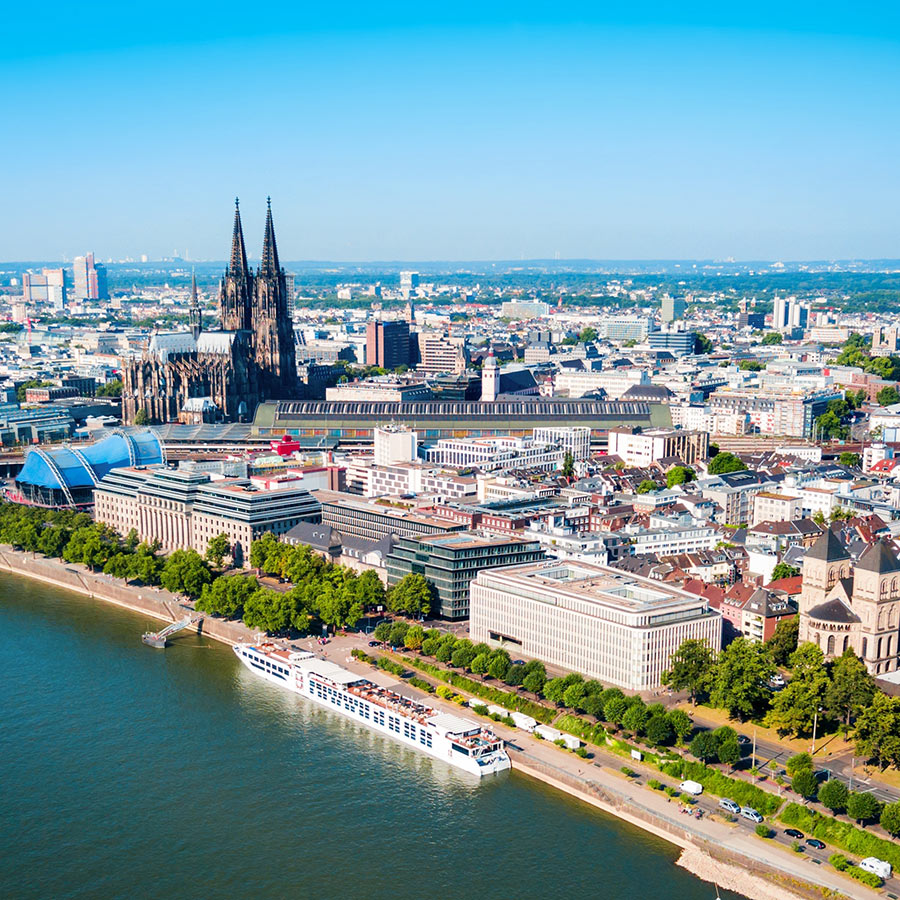
From 14 to 16 September 2026, the 19th Federal Congress on National Urban Development Policy will take place in Cologne. The theme is “Act together, act faster, think further: shaping cities for everyone”. This event will bring together stakeholders from local governments, politics, public administration, academia and civil society to discuss innovative approaches to sustainable, resilient and forward-looking urban development.
For the first time this year, Connective Cities will have a stand at the event run by the Service Agency Communities in One World (SKEW). The congress offers an excellent opportunity to raise the profile of the international city network and its services for facilitating professional exchanges between local authorities. We will be focusing on discussions with local authority experts from the fields of urban development, mobility, climate adaptation and sustainable transformation.
At the SKEW stand, we particularly want to show experts what Connective Cities has to offer and discuss potential opportunities for participation and cooperation. We will also present selected examples of good practice from the relevant specialist areas, as well as the Connective Cities Media Centre as a knowledge platform. We warmly invite network members attending the Federal Congress to take this opportunity to speak to the team at the stand. We look forward to exchanging ideas, making new contacts, and generating new impetus for municipal development cooperation.
International Community of Practice for Sustainable Municipal Development
NEWSLETTER – ISSUE NO. 97, August 2026
Dear Readers,
“Nothing in life is to be feared; it is only to be understood,” French physicist Marie Curie once wrote. With this in mind, this issue takes a focused look at how municipalities can better protect their residents from extreme heat, make critical infrastructure more resilient, and create new opportunities for young people.
Safeguarding critical infrastructure together is at the heart of our new Learning Process in South-Eastern Europe and the South Caucasus. Eleven municipalities are working on their action plans and will further develop them into concrete pilot measures to better prepare for power outages, extreme weather events and cyberattacks.
Promoting start-ups, entrepreneurship and young people’s participation in society is the focus of the Learning Process “Start-ups, Innovation and Opportunities for Young People”. Thirteen good practices provide the starting point for deeper peer-to-peer exchange and collaboration among municipal practitioners.
With 17 expert forums, six arenas and several symposia, the 19th Federal Congress on National Urban Development Policy offers a wide range of opportunities for exchange. It will take place from 14 to 16 September 2026 at the Palladium in Cologne. Connective Cities will also be there – come and meet us!
We wish you an inspiring read.
Your Connective Cities Team
INSIGHTS
Start-ups and Innovation: Labour Market Opportunities and Prospects for Young People
International Municipalities Exchange Ideas in Bremen, Germany
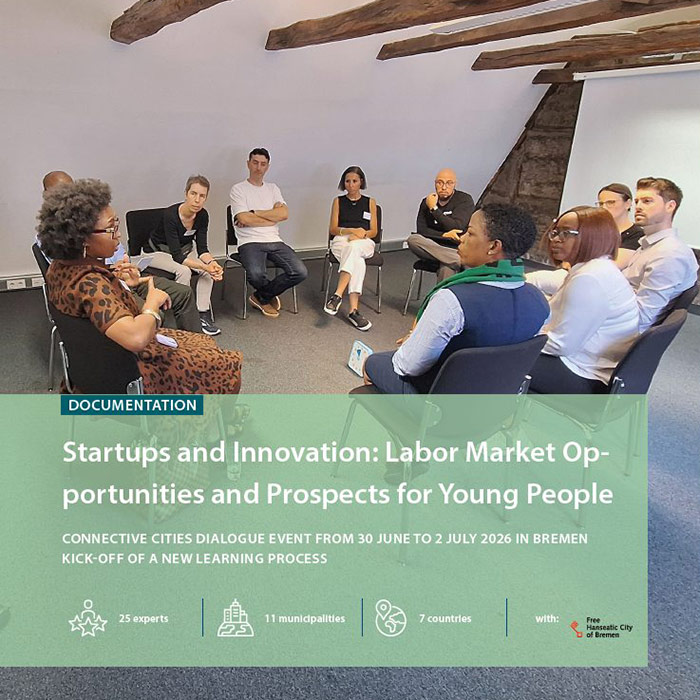
From 30 June to 2 July 2026, around 25 experts from 11 local authorities and seven countries gathered in Bremen to exchange experiences, learn from one another, and develop new approaches together. The focus was on the opportunities that start-ups and entrepreneurship offer for employment, economic development, and the social inclusion of young people. Despite their different circumstances, many municipalities worldwide face similar challenges, such as a lack of role models and networking opportunities, bureaucratic hurdles, and inadequate infrastructure. However, 13 examples of good practice also demonstrated how these challenges can be overcome. The event marked the launch of a new Connective Cities learning process. Take a look at our comprehensive documentation!
Good Practices, a Guidebook and Recommended Reading
Heat affects us all. It is one of the world’s fastest-growing and deadliest climate risks.
However, we are not powerless against it. Municipalities around the world are developing and sharing comprehensive strategies and ideas – including through Connective Cities. We have compiled a selection of good practices from this context, as well as additional resources, ranging from heat protection plans and green and blue infrastructure planning to smart rainwater management, AI use and digital twin creation for risk-informed crisis management.
Municipal Resilience: Safeguarding Critical Infrastructure Together
From local vulnerabilities to concrete action
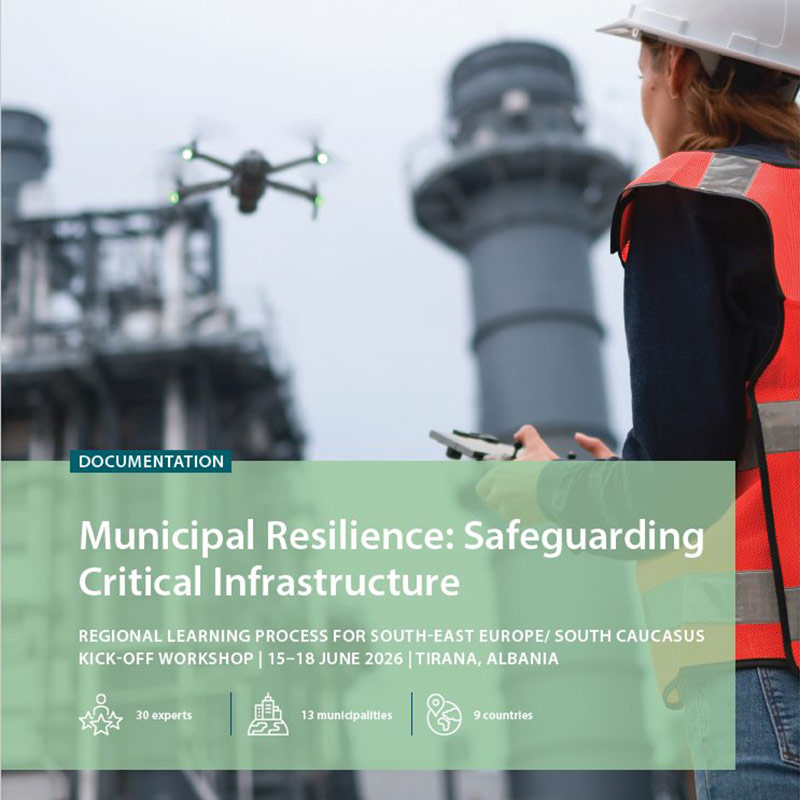
What happens when a power outage also disrupts water, communication or other essential services? Critical infrastructure systems are closely interconnected – and these dependencies can amplify the impacts of crises. At the kick-off of the regional Connective Cities Learning Process in Tirana, 30 experts from 13 municipalities and nine countries worked together to identify local vulnerabilities and develop practical solutions. The result: eleven municipal action plans – ranging from backup power and digital infrastructure monitoring to flood prevention, crisis communication and new approaches to municipal coordination. What challenges do municipalities share, what solutions are they developing – and what can other local governments learn from them?
Connective Cities at the 19th Federal Congress on
German National Urban Development Policy
“Act together, act faster, think further: shaping cities for everyone”
The 19th Federal Congress on National Urban Development Policy will take place in Cologne from 14 to 16 September 2026. The congress brings together stakeholders from local authorities, politics, public administration, academia and civil society to discuss innovative approaches to sustainable, resilient and forward-looking urban development. This year, for the first time, Connective Cities will have a stand at the event organised by the Service Agency for Communities in One World (SKEW). The focus will be on discussions with local government experts in the fields of urban development, mobility, climate adaptation and sustainable transformation.
Engagement Global gGmbH
Service Agency Communities in One World
Friedrich-Ebert-Allee 40, 53113 Bonn | Deutschland
Contact: Sibylle Loyeau
Email: sibylle.loyeau@engagement-global.de
Deutsche Gesellschaft für Internationale Zusammenarbeit (GIZ) GmbH
Friedrich-Ebert-Allee 32 + 36, 53113 Bonn | Deutschland
Contact: Ricarda Meissner
Email: ricarda.meissner@giz.de
Startups and entrepreneurship offer young people opportunities to secure their livelihoods and advance their careers, while also serving as crucial factors for the well-being of local communities and for local economic development.
Municipalities play a central role: They engage in networking with stakeholders, provide advice and support to founders, provide infrastructure and resources, and facilitate access to funding or contacts with investors. In short, they create a founder-friendly climate and ecosystem at the local level.
From 30 June to 2 July 2026, around 25 experts from 11 local authorities and seven countries gathered in Bremen to exchange experiences, learn from one another, and develop new approaches together. The focus was on the opportunities that start-ups and entrepreneurship offer for employment, economic development, and the social inclusion of young people. Despite their different circumstances, many municipalities worldwide face similar challenges, such as a lack of role models and networking opportunities, bureaucratic hurdles, and inadequate infrastructure. However, 13 examples of good practice also demonstrated how these challenges can be overcome. The event marked the launch of a new Connective Cities learning process. Take a look at our comprehensive documentation!
When electricity fails, water pumps stop working. When communication networks are disrupted, emergency response slows down. Critical infrastructure is interconnected—and so are the risks municipalities face.
Across South Eastern Europe and the South Caucasus, municipalities are increasingly confronted with complex and interconnected risks. Climate change, ageing infrastructure, cyber threats and geopolitical instability are placing growing pressure on the systems that provide essential public services.
To support municipalities in addressing these challenges, Connective Cities launched the regional learning process Planning for Municipal Resilience: Safeguarding Critical Infrastructure through Risk-Informed Development.
At the kick-off of the regional Connective Cities Learning Process in Tirana, 30 experts from 13 municipalities and nine countries worked together to identify local vulnerabilities and develop practical solutions. The result: eleven municipal action plans – ranging from backup power and digital infrastructure monitoring to flood prevention, crisis communication and new approaches to municipal coordination.
What challenges do municipalities share, what solutions are they developing – and what can other local governments learn from them? Read more in this full documentation.
Heat affects us all. It is one of the world’s fastest-growing and deadliest climate risks.
However, we are not powerless against it. Municipalities around the world are developing and sharing comprehensive strategies. These range from heat action plans and green and blue infrastructure planning to smart rainwater management, the use of AI, and the creation of digital twins for risk-informed crisis management.
Naturally, municipalities have also been tackling this crucial topic within the Connective Cities framework. We’ve put together a selection of examples from the Connective Cities context along with additional resources for you.
Heat in the City – The Connective Cities Deep Dive Learning Process From 2023-2025, six municipalities joined forces to analyse the impact of heatwaves and heat islands, and developed solutions tailored to local conditions.
Detailed interim report: https://www.connective-cities.net/en/media-center/heat-in-the-city-2/
Cities Leading by Example
This guidebook on risk-informed planning and heat mitigation, developed by the Connective Cities’ Deep Dive, serves as a practical guide for municipal actors, urban planners, policymakers and community leaders who wish to adopt a risk-informed approach and integrate heat adaptation into their planning processes. https://www.connective-cities.net/wp-content/uploads/2025/10/cities-leading_guidebook.pdf
Ibero-American Urban Climate Atlas
This project covers 11 cities in Spain and South America. The research aims to analyse the local context of each city with regard to the impact of heat islands. The objective is to assess changes in temperature patterns and their territorial effects within cities.
Union of Ibero-American Capital Cities (UCCI) and ICLEI South America https://e-library.iclei.org/uploads/IBER_ATLAS_EN_2.pdf
Financing heat resilience How governments can finance heat resilience through risk-informed investments, innovative financing mechanisms, and resilient infrastructure.
United Nations Office for Disaster Risk Reduction (UNDRR), Centre for Disaster Protection, National Disaster Management Authority (India) https://www.undrr.org/publication/documents-and-publications/financing-heat-resilience
Heat Action Plans in Local Government Practice (in German)
Implementation of the recommendations for drawing up heat action plans in local government practice (Plan°C)
German Institute for Urban Studies (Difu) https://repository.difu.de/items/c805c6fb-c3c1-4288-b1c9-eff356fb04bd
International Community of Practice for Sustainable Municipal Development
NEWSLETTER – ISSUE NO. 96, July 2026
Dear Readers,
‘A ship in harbour is safe, but that’s not what ships are built for,” wrote the American author, John A. Shedd. In keeping with this motto, this issue shows how plans are turned into concrete actions, taking into account all risks and side effects. As always, we rely on dialogue among experts.
We provide insight into the development of a 36-month roadmap for the implementation of green hydrogen and sustainable economic development in South Africa, which was created during a five-day expert mission and through inter-municipal cooperation. At the UCLG World Congress, our Lab addressed the question of how municipalities can transform local plans into public services, with a deliberate focus on the challenges involved. A three-day open exchange among 11 municipalities from seven countries on startup support, innovation and career prospects for young people in Bremen has now formed the basis for further collaboration as part of a new learning process. This process is aimed at developing concrete, future-oriented measures and preparing them for implementation.
Best practices can be a source of inspiration. For instance, the municipality of Bağcılar, a district of Istanbul, has developed a digital twin for disaster management in this earthquake-prone region. This digital twin is now also being used for infrastructure planning, particularly with regard to climate resilience, and provides digital citizen services.
Municipal partnerships for civil protection, critical infrastructure, and crisis preparedness are also recognized by the 2027 Goerdeler Prize. In addition to the prize money, the award offers high-profile recognition.
We hope you find this an inspiring read.
Your Connective Cities Team
REVIEW
Driver of Green Transformation: Connective Cities Expert Mission in Waterberg
Communal Dialogue on Green Hydrogen and Sustainable Economic Development
From 8 to 12 June 2026, Connective Cities organised an international expert mission in partnership with the South African Local Government Association (SALGA) and the Waterberg District Council. The mission aimed to support economic transformation and green industrial development at a local government level. The mission brought together municipal representatives, researchers, and experts from industry and practice from South Africa and Germany to share knowledge and identify the economic potential of green hydrogen. The mission concluded with a strategy workshop, during which participants created a 36-month regional development roadmap.
From Challenge to Practice: How Municipalities Turn Local Plans into Public Services
Connective Cities Lab at the UCLG World Congress 2026
The lab focused on a challenge shared by local authorities worldwide: strategies and development plans are in place – yet translating them into effective, inclusive and sustainable public services is often a complex task. The session therefore deliberately centred on concrete experiences of implementation, challenges and collaborative learning. Among other things, the discussion covered examples from waste management in the city of Krefeld, the Kiunga Solar-Powered Desalination Initiative in Lamu County, Kenya, and the implementation of infrastructure projects in the municipality of Pékine in Senegal. The lab highlighted how international municipal exchange can go beyond traditional ‘good practice’ presentations, with local authorities speaking openly about challenges and working together to find solutions.
Start-ups and Innovation: Labour Market Opportunities and Prospects for Young People
International Municipalities Exchange Ideas in Bremen, Germany
From 30 June to 2 July 2026, around 35 experts from 11 local authorities and seven countries gathered in Bremen to exchange experiences, learn from one another, and develop new approaches together. The event focused on the opportunities that start-ups and entrepreneurship create for employment, economic development, and social participation among young people. A key finding was that, despite differing local conditions, municipalities around the world face many similar challenges. Young entrepreneurs need access to advisory services, networks, financing, suitable infrastructure, and practical education. Municipalities play a crucial role as facilitators, supporters, and enablers of thriving local entrepreneurial ecosystems. The event marked the launch of a new Connective Cities learning process.
How a municipality in Istanbul combines citizen services with data-driven urban risk management
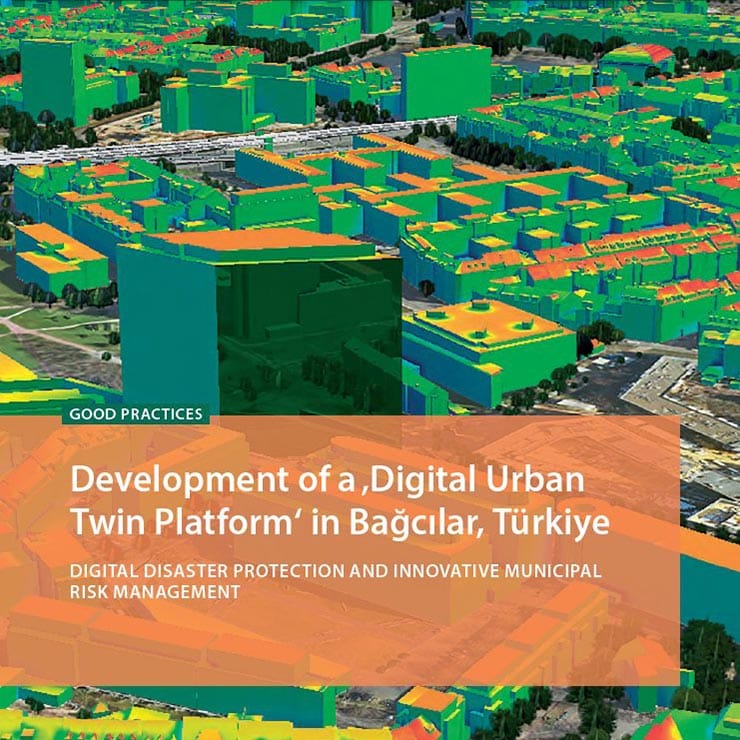
Bağcılar is one of Istanbul’s most densely populated districts, with approximately 710,000 inhabitants. Located on the coast of the Sea of Marmara, it covers an area of about 22 square kilometers. As a municipality in a region with a high risk of earthquakes, Bağcılar faces the urgent task of taking precautions to protect its population and urban systems in the event of a crisis. With their ‘Digital Urban Twin Platform’, the administration aims to enable faster assessment of situations in emergencies and disasters. Digital simulation of risk scenarios – such as tsunamis following earthquakes – allows for improved civil protection measures and necessary adjustments to urban systems. Furthermore, continuous digital monitoring of building conditions enables the identification of heat islands, for example, and supports the efficient planning of photovoltaic systems.
Public service delivery, local gender equality policy and the start of a new governance cycle
From 22 to 25 June 2026, the World Congress of the World Organisation of Local Authorities (United Cities and Local Governments, or UCLG) took place in Tangier, Morocco. With the theme of ‘A New Generation of Universal Local Public Services’, the event attracted over 3,000 delegates from around the world. Alongside the technical discussions in numerous barcamps and side events, and the many networking opportunities, the Congress marked the beginning of a new governance cycle for the international local government movement. Another significant event was the inaugural UCLG Women’s Assembly, which convened female mayors, governors, and other female local decision-makers from across the globe. The focus was on exchanging views on local gender equality policies, empowering women in political leadership roles and developing the Feminist Municipal Movement within the UCLG further.
Resilient Municipalities: Municipal Partnerships for Civil Protection, Critical Infrastructure and Crisis Preparedness
Connective Cities is pleased to once again support the call for applications for the Municipal Award 2027 of the Carl and Anneliese Goerdeler Foundation Fund (CAG), following its integration into the Leipzig Foundation. The award recognises outstanding achievements in local governance and administration. It highlights innovative and transferable good practices
on the theme of ‘Resilient Communities’ developed through cooperation between municipalities — particularly in an international context. The award therefore seeks cross-border municipal partnerships. A prerequisite for application is the involvement of a German municipality or a municipal alliance.The prize includes a high-profile award and is endowed with 2,000 euros. The deadline for applications is 31 August 2026.
Engagement Global gGmbH
Service Agency Communities in One World
Friedrich-Ebert-Allee 40, 53113 Bonn | Deutschland
Contact: Sibylle Loyeau
Email: sibylle.loyeau@engagement-global.de
Deutsche Gesellschaft für Internationale Zusammenarbeit (GIZ) GmbH
Friedrich-Ebert-Allee 32 + 36, 53113 Bonn | Deutschland
Contact: Ricarda Meissner
Email: ricarda.meissner@giz.de
Bağcılar is one of Istanbul’s most densely populated districts, with approximately 710,000 inhabitants. Located on the coast of the Sea of Marmara, it covers an area of about 22 square kilometers. As a municipality in a region with a high risk of earthquakes, Bağcılar faces the urgent task of taking precautions to protect its population and urban systems in the event of a crisis. To this end, the municipal administration has been driving digital transformation since the 2000s and has conducted a comprehensive inventory of existing building structures – information that has been incorporated as data into a digital 3D model of the municipality.
With this ‘Digital Urban Twin Platform’, the administration aims to enable faster assessment of situations in emergencies and disasters. Digital simulation of risk scenarios – such as tsunamis following earthquakes – allows for improved civil protection measures and necessary adjustments to urban systems. Furthermore, continuous digital monitoring of the building stock enables targeted on-site inspections of building regulations, thereby increasing administrative efficiency. Citizens can access the platform via an app to book various municipal services.
According to Cüneyt Yilmaz, head of the IT Department at Bağcılar, the central criterion for the applicability of the platform is the creation of a sustainable data foundation.
The documentation describes in detail the development process, activities and future application areas of the continuously evolving digital twin platform.
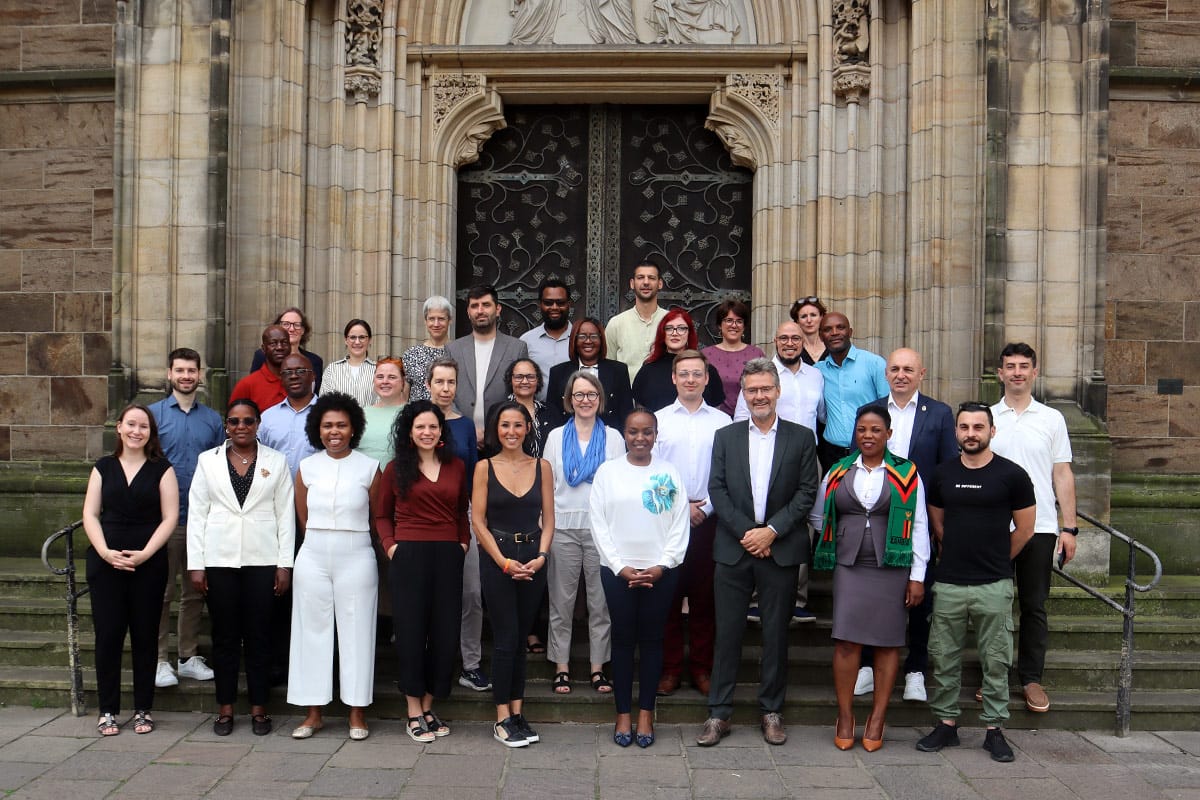
How can municipalities help young people successfully start businesses while also driving local development? This question was at the heart of the international Connective Cities dialogue event “Start-ups and Innovation: Labour Market Opportunities and Prospects for Young People”, held in Bremen from 30 June to 2 July 2026. Around 35 experts from 11 municipalities and seven countries came together to exchange experiences, learn from one another, and jointly develop new solutions.
The event focused on the opportunities that start-ups and entrepreneurship create for employment, economic development, and social participation among young people. A key finding was that, despite differing local conditions, municipalities around the world face many similar challenges. Young entrepreneurs need access to advisory services, networks, financing, suitable infrastructure, and practical education. Municipalities play a crucial role as facilitators, supporters, and enablers of thriving local entrepreneurial ecosystems.
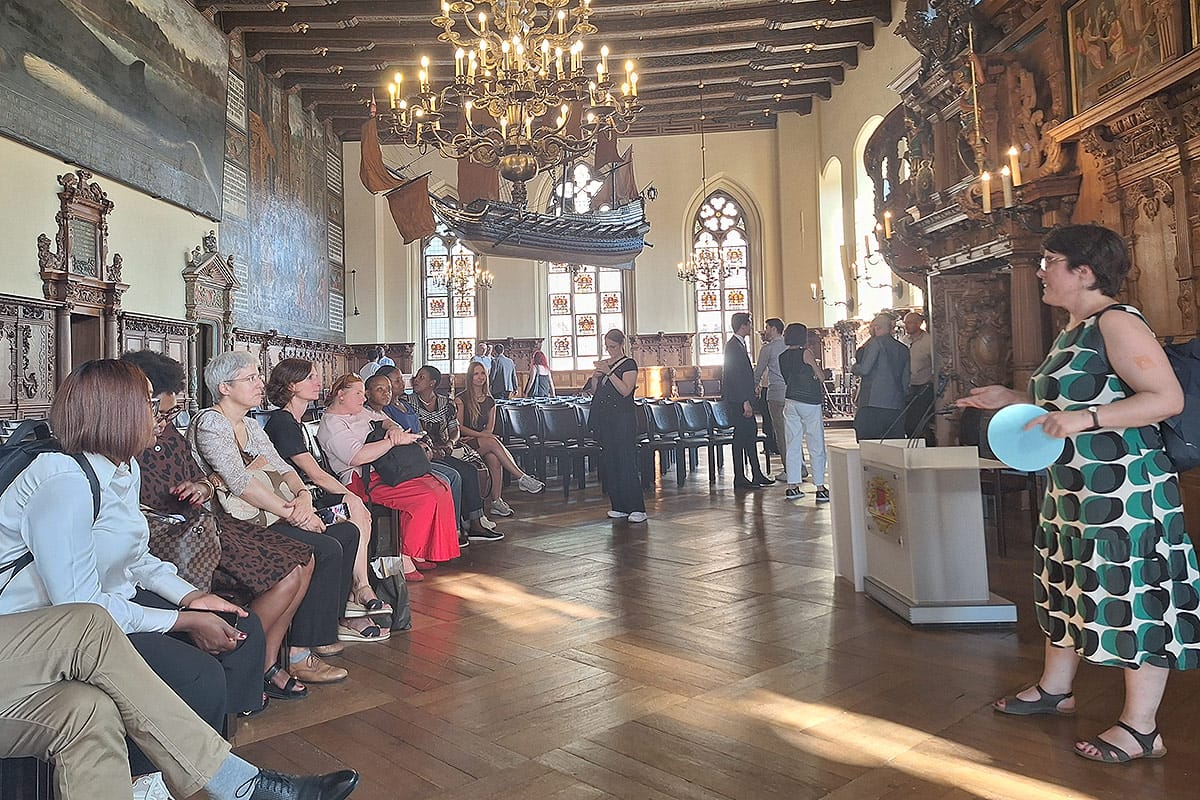
Reception for participants at Bremen City Hall | Photo: Connective Cities
Participants gained insights into successful municipal approaches from Germany, Namibia, North Macedonia, Rwanda, Serbia, South Africa, and Zambia. Examples included business incubators, one-stop shops for advisory services, digital platforms, mentoring programmes, and initiatives supporting women, migrants, and young people in rural areas. Particularly impressive was the diversity of solutions tailored to local challenges.
“We use storytelling and share the stories of start-ups so that others can see: this could be my story as well.” Oliver Götz, Gründungswerft e.V., Germany
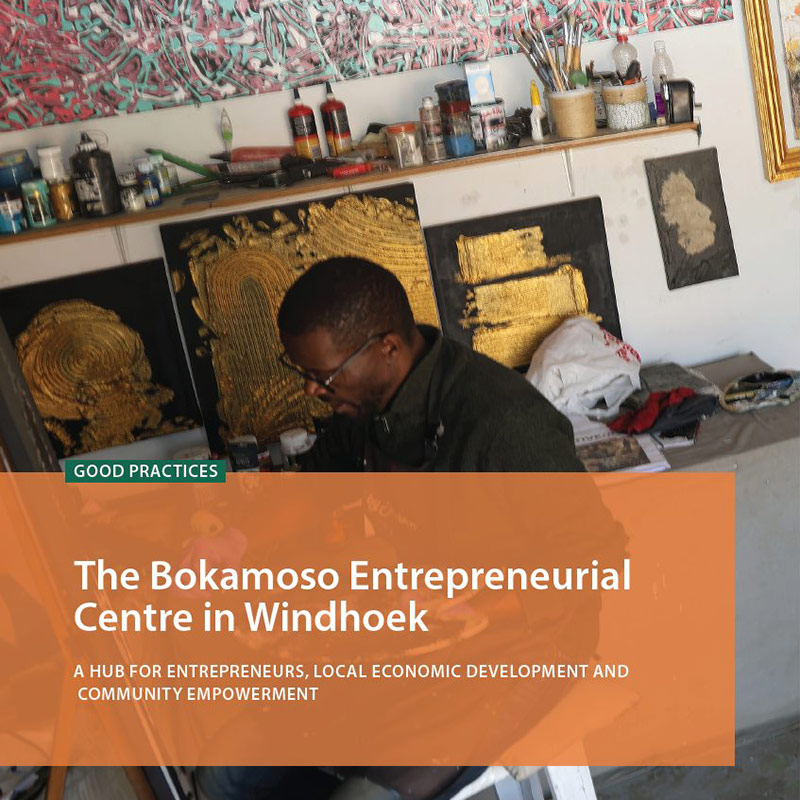
One example from the Global South came from Windhoek, Namibia. The Bokamoso Entrepreneurial Centre supports young businesses with affordable infrastructure and training opportunities to help them enter national and international markets. The centre has successfully assisted companies in sectors such as crafts, the creative industries, and food production. It also specifically promotes business concepts focused on resource efficiency and recycling, thereby strengthening the circular economy in Windhoek.
From Germany, Bremen presented its closely connected start-up ecosystem, which brings together stakeholders from business, academia, and public administration. Through Starthaus Bremen & Bremerhaven, the city offers a central point of contact supporting aspiring entrepreneurs with advice, networking, financing, and funding opportunities. Bremen also promotes entrepreneurship awareness among young people through partnerships with schools and universities.
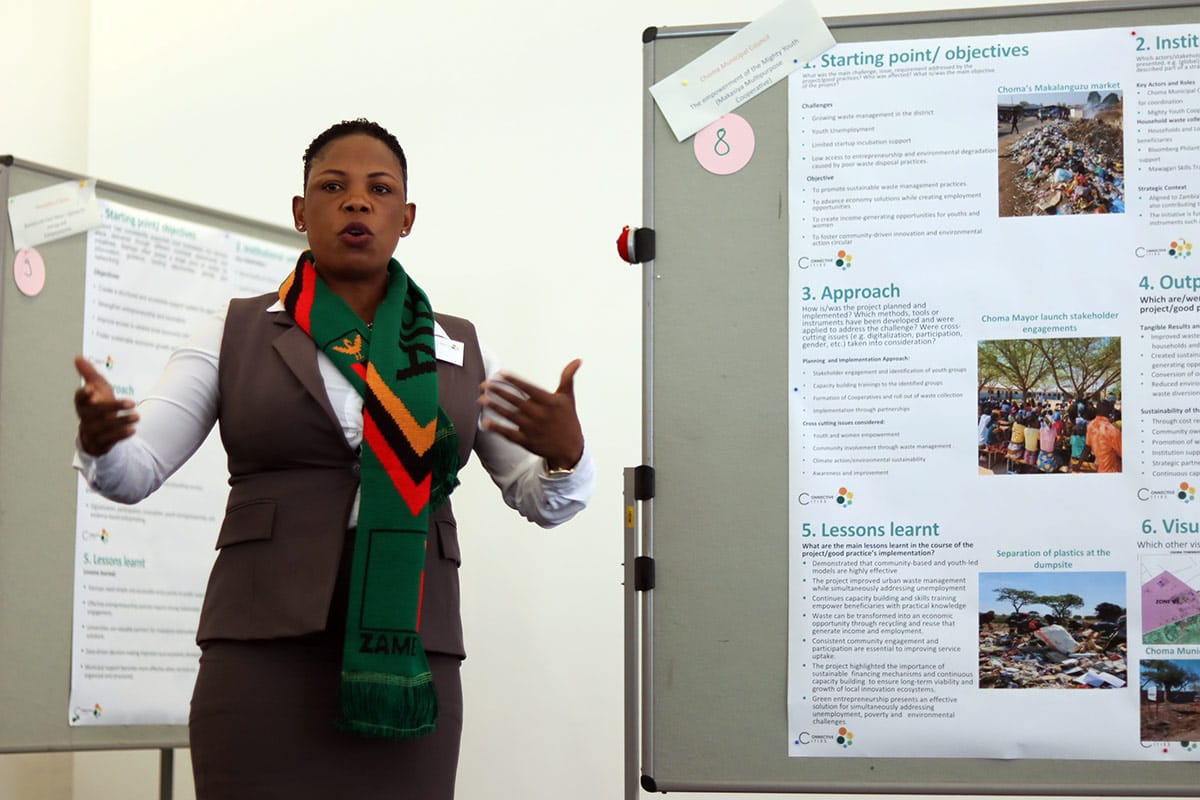
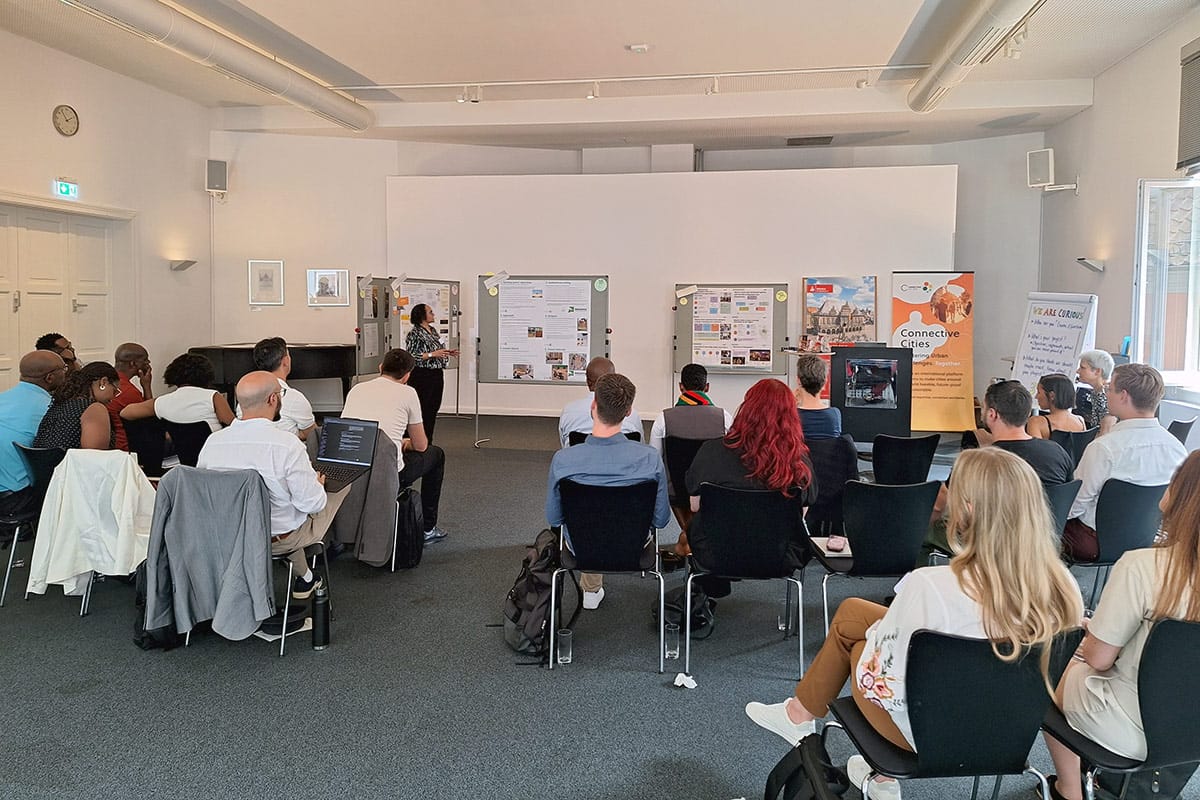
Project presentation from Choma, Zambia | Photo: Connective Cities
The connection between education and entrepreneurship was a central theme throughout the event. Professor Dr. Jörg Freiling of the University of Bremen emphasized that young people today need skills such as creativity, initiative, problem-solving abilities, and entrepreneurial thinking to succeed in an increasingly complex world. Universities, schools, and companies must therefore work more closely together and expose young people to real-world challenges and innovation processes at an early stage.
“I often tell my students: you are the innovators in our society.” Professor Dr. Jörg Freiling, University of Bremen
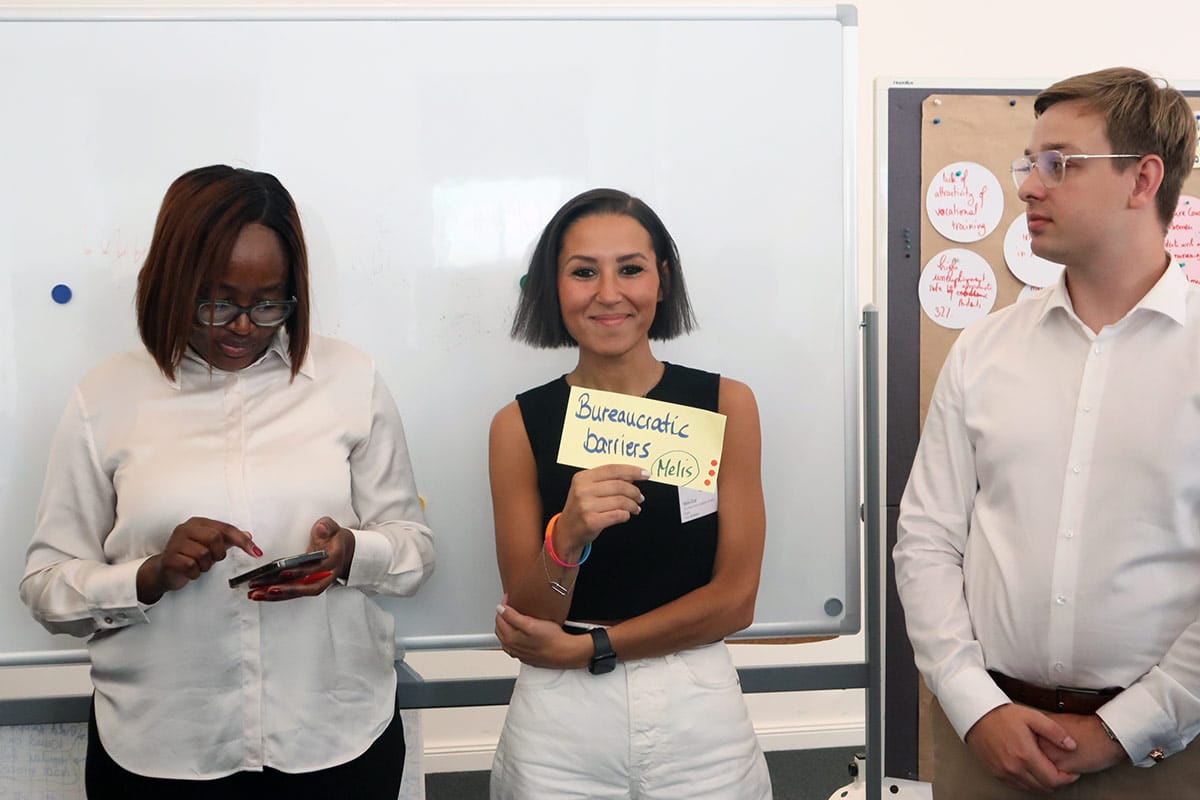
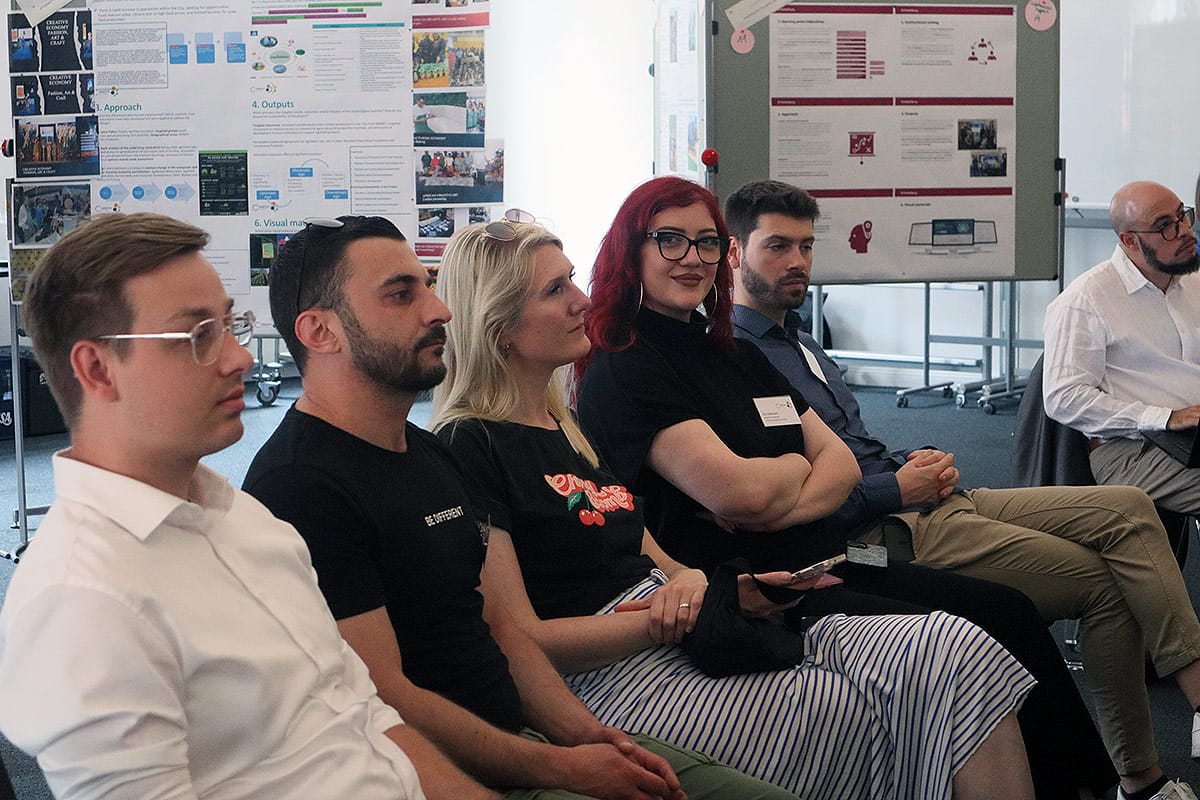
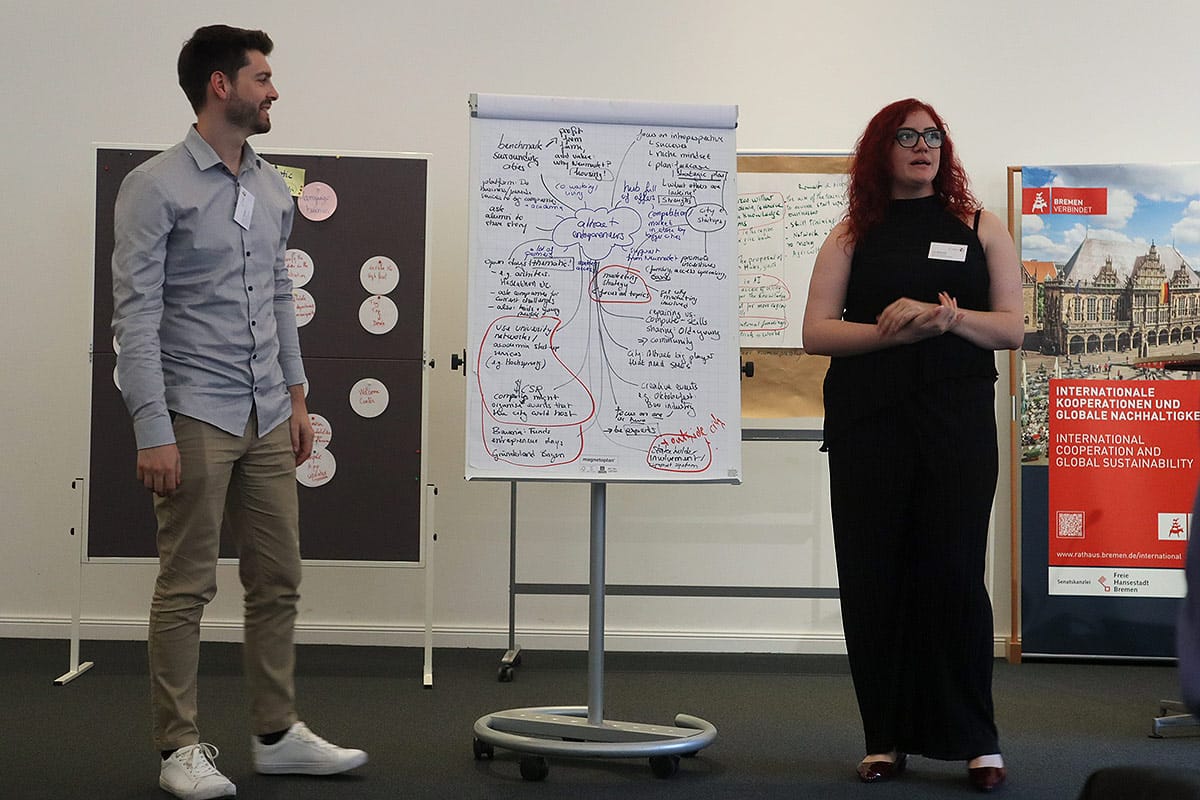
During the working groups and peer-to-peer consultations, participants developed numerous practical solutions. Topics included strengthening the links between education and business, creating new training and mentoring formats, introducing mobile advisory services for remote regions, and reducing bureaucratic barriers for entrepreneurs.
Presentation of the group work | Photo: Connective Cities
Representatives from Munich contributed ideas on how to better support entrepreneurs with migration backgrounds. Proposed measures included multilingual information services, mentoring programmes to help navigate administrative procedures, and closer cooperation with Welcome Centres and other advisory institutions.
Another widely discussed solution came from eThekwini, South Africa, addressing the challenges faced by remote and rural communities. Participants explored the concept of mobile hubs—vehicles that regularly deliver advisory services, training, digital infrastructure, and information on funding opportunities directly to hard-to-reach communities. This approach would allow young people outside major urban centres to access essential support services.
We need to encourage young people to not just work for self-sustenance, but to create jobs to the local communities as well.“
Dumisani Nhlengethwa, eThekwini Municipality, South Africa
The dialogue programme was complemented by study visits to Bremen and Bremerhaven’s start-up ecosystem. Visits to Starthaus Bremen & Bremerhaven, the hoi startup factory, and other local initiatives demonstrated how a well-connected innovation ecosystem can support entrepreneurs throughout their journey.
The event marked the beginning of a new Connective Cities learning process. Additional online formats, expert exchange visits, and a closing online event will continue the collaboration among municipalities in the coming months. The strong interest and vibrant discussions highlighted that supporting youth entrepreneurship is increasingly seen worldwide as a key driver of sustainable economic and social development.
“This event gave me a bird’s-eye view. It is often difficult to see what is truly important when you are deeply involved in projects.”
Era Bektashi, Neumarkt in der Oberpfalz, Germany