


"Heatwaves are deadly and their impacts are on the rise globally due to climate change. People living in urban areas are amongst the hardest hit when a heatwave occurs because these are hotter than the surrounding countryside. Along with climate change, urbanization is one of the most transformative trends of this century and the last. Over half the world now lives in urban areas and this is projected to increase to two-thirds by 2050. It is crucial that cities incorporate heat-reduction tactics such as green spaces into their plans for growth or retrofit them in built areas. […] This practical guide is designed with, and for, people working in city government to understand, reduce the risk of, and respond to, heatwaves in their cities."
Category: Public space
The Silent Revolution of Public Spaces in Afghanistan

"The Silent Revolution of Public Spaces in Afghanistan is the untold story of hope and peace in urban areas. The provision of public spaces in cities across Afghanistan is shaping the lives of the citizens, especially women and the poor, and the relationship with their cities. It is a social and cultural revolution that has empowered women, created jobs for the poor and improved the living standards of the citizens. It is a silent and peaceful revolution that has transformed the people and the city, building trust and confidence in public institutions. The photobook serves to portray the Afghan government’s response to the immediate urban challenges through impactful photos and stories. […]"
The 8 Principles of Sidewalks

"Walking is the most democratic way to commute. It is the oldest and most common mode of transport in the world, not to mention being a far healthier option – for both people and cities. The 8 Principles of Sidewalks systematizes the most relevant Brazilian and international references into a single publication about the planning, design and construction of sidewalks that meet the needs of people walking. The goal of this guide is to provide deeper insight into the role of sidewalks in spaces that provide opportunity for social interaction among people."
Solutions for and by cities

"The Guangzhou International Award for Urban Innovation is dedicated to decentralised, city-to-city cooperation and sharing lessons learned from experience. Its focus covers the three pillars of sustainability: social, economic and environmental, and two additional domains – governance and technology.
The fourth edition of the Guangzhou Award was a remarkable show of these links between innovation and learning from different stakeholders. This publication is an attempt to extend the prestige of the initiatives that were shortlisted for the award, and to spread their legacy to even broader audiences."
Together, equal and self-determined
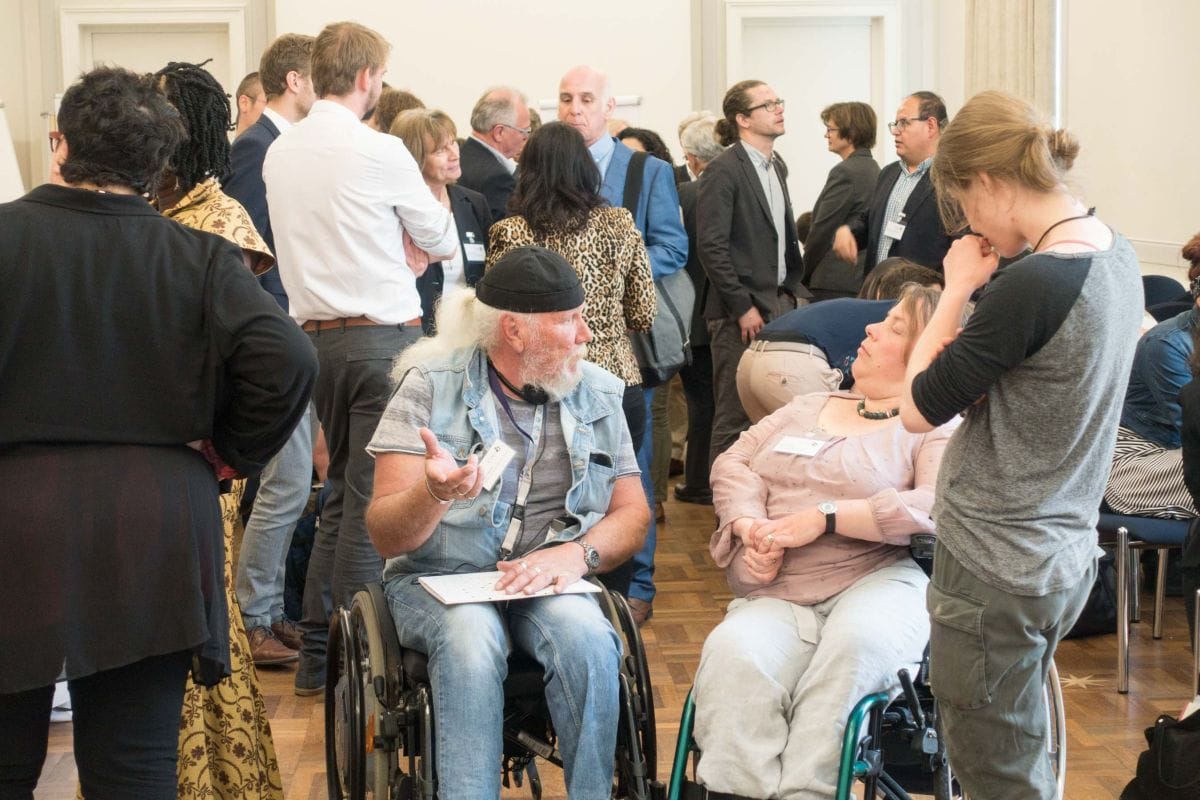
Citizens of Bonn with disabilities should be fully included in city life in every circumstance, just like everyone else: That is the goal of the Federal City of Bonn. To this end, it has developed the “Disability Policy Participation Plan for the Federal City of Bonn” – participatory and inclusive.
Guadalajara: Revisiting Public Space Interventions through the Via RecreActiva

"Every Sunday, Guadalajara closes more than 60 kilometers of streets to car traffic, opening them up for public use by pedestrians, cyclists and performers. Since starting the "Via RecreActiva," Guadalajara has more open space for recreation, a new collective image of public space and a revitalized movement for transit equity.
The Via RecreActiva has had a clear “before” and “after” effect on the surrounding community. It marks the consolidation of both political and economic power around the importance of and investment in public space. The momentum created by civil society groups that advocated for the Via RecreActiva shifted demand for basic public infrastructure leading to new political commitments. This has increased transparency, created new roles for public space activists in municipal institutions, and institutionalized participatory processes."
Cleverly threaded
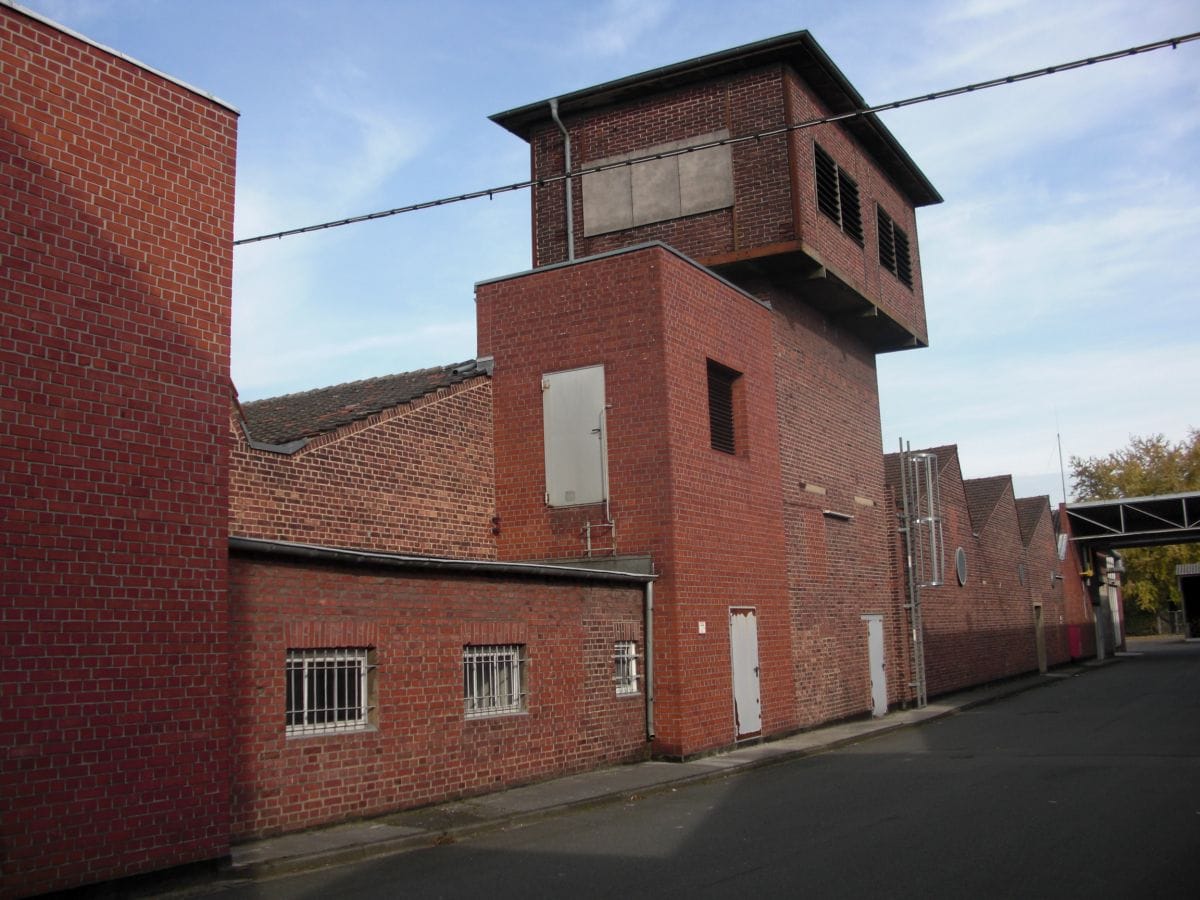
The industrial wasteland around Bocholt’s old spinning mills was almost exclusively used as a warehouse and was considered a “forbidden city”. Bocholt envisioned its conversion into a lively residential and cultural quarter. Now the first construction phase for urban living and working has started with private investment.
Safety and public space

Around the world, troubling levels of violence against women result in a restricted or complete lack of rights and opportunities for women and girls. For a majority of the world’s population, who is increasingly concentrated in large cities, this violence takes place in public spaces which are not restricted by jurisdictional borders, i.e., the metropolitan territories that to a great extent are managed by the members of Metropolis.
This report addresses the lack of safety that women and girls face in public spaces, and presents the findings of a review of the policies and programmes that metropolitan governments have established to proactively respond to these concerns. It sheds light on the involvement of Metropolis members to ensure that women and girls have the right to the metropolitan city, by mapping policies, strategies and instruments that foster safer and more accessible streets, squares, parks, neighborhoods and eventually the totality of metropolitan public spaces.
Culture in City Reconstruction and Recovery

Tackling the impact of destructions – whether they stem from natural hazards, armed conflict, or acute urban distress – requires responses that consider the needs of all social groups and provides opportunities for social inclusion and economic development, while also acknowledging the specific needs, priorities, and identities of communities.
For this reason, culture – including tangible and intangible cultural heritage and creativity – is essential both as an asset and as a tool for city reconstruction and recovery. Placing culture at the heart of urban reconstruction and recovery strategies and processes is critical to effectively restoring the physical and social fabrics of cities.
Culture – an often overlooked and underestimated framework and value – is the foundation upon which cities are built. Cities are not just a collection of buildings but are people, their stories, and how they interact with each other through their cultural identity and sense of place.
Investing in cultural institutions, spaces, and heritage can help build bridges between sparring communities in post-conflict urban areas and make disaster recovery quick, sustainable, and more effective.
This joint Position Paper of World Bank and UNESCO serves as a guide for urban practitioners, operating on the ground, as well as national and local authorities, to integrate culture, both as an asset and as a tool, in all phases of city reconstruction and recovery.
Festivals as Integrative Sites Valuing Tangible and Intangible Heritage for Sustainable Development

The city is always suspended as a case of ‘heres’ and ‘elsewheres’, connected … and that is why artists may be doing a better job than southern, or northern, theorists in ‘painting’, ‘composing’, ‘dancing’ and ‘writing’ cities into being.
Festivals provide a window onto practices which integrate tangible and intangible heritage in the context of wider sustainable development challenges.
This report presents an anthology of festivals, collated by researchers and practitioners, which reveals the possibilities, promise and pitfalls of planning for culture and sustainable development.