Innovative financial instruments in urban development and housing policy

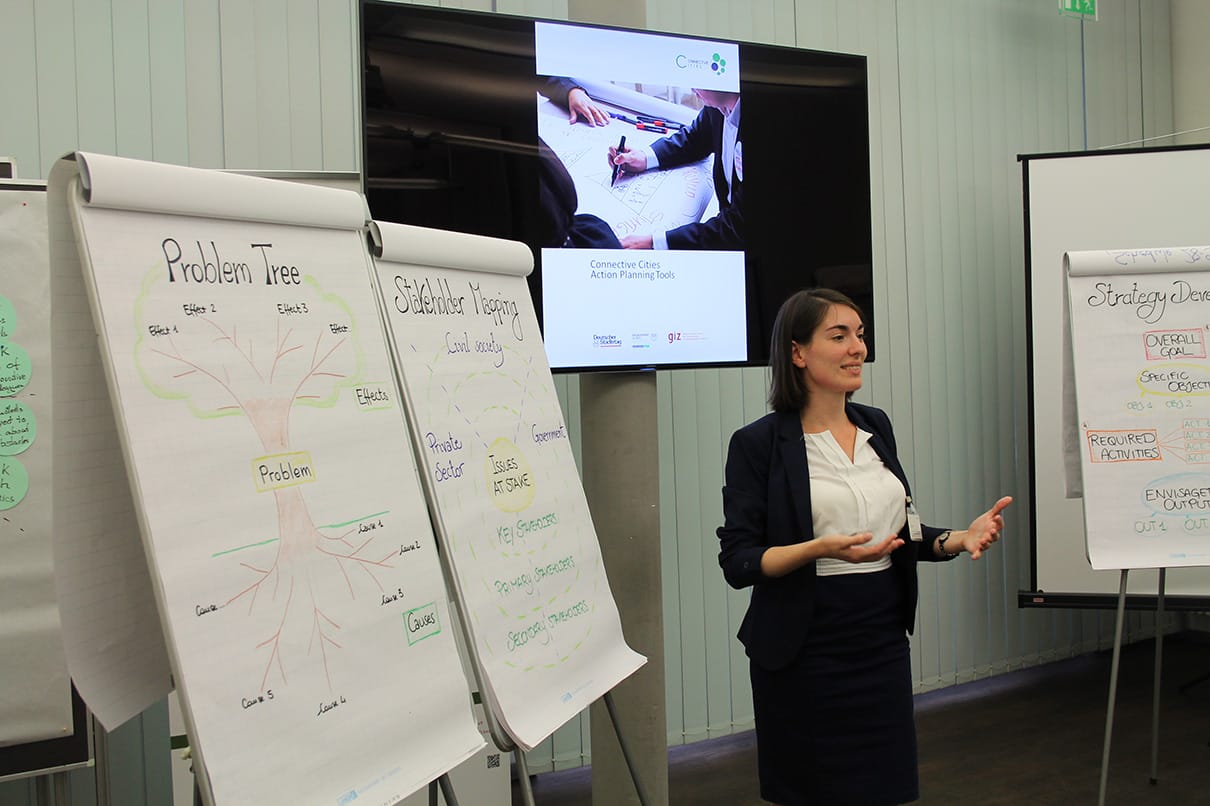
November 24-26, 2014 for the 3rd Connective Cities Dialogue Event to exchange on innovative financial instruments in urban development and housing policy.

Revolving Funds, Microcredits and other innovative financial instruments are relevant in urban development as well as in housing policy. They are of highest concern if no sufficient classical funding is available, where self-help approaches are to be strengthened and where unprofitable real estates are supposed to be brought back to the markets. Local actors from developing and emerging countries were asked to contribute to the Dialogue with their vast experience regarding instruments such as micro-credits, small scale support of housing and further innovative financing instruments.

The Dialogue’s event objective was to provide all participants with good insight to good practices in the field and to invite them on the other hand to contribute to the dialogue with their experience. Based on examples, the practitioners introduced during the workshop, the experts discussed challenges and needs for improving urban financing practice and governance.
Promoting Innovative and Sustainable Start-ups

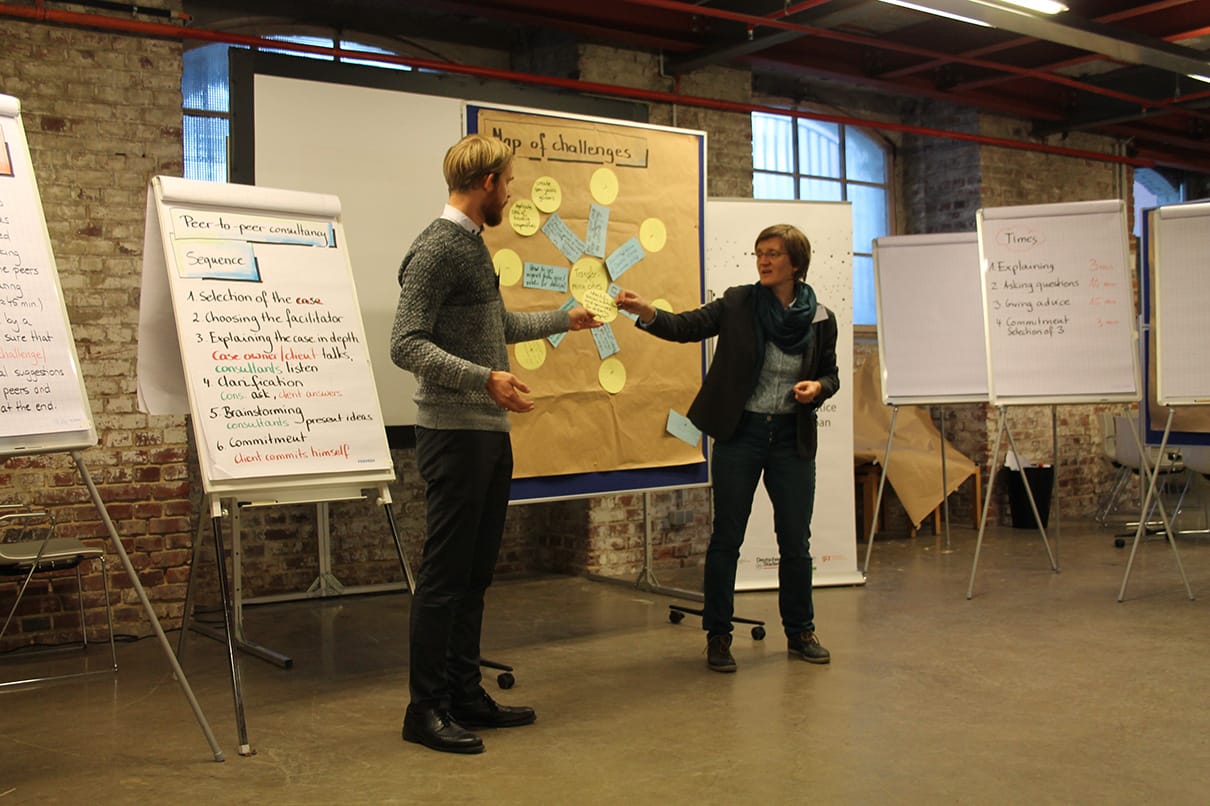
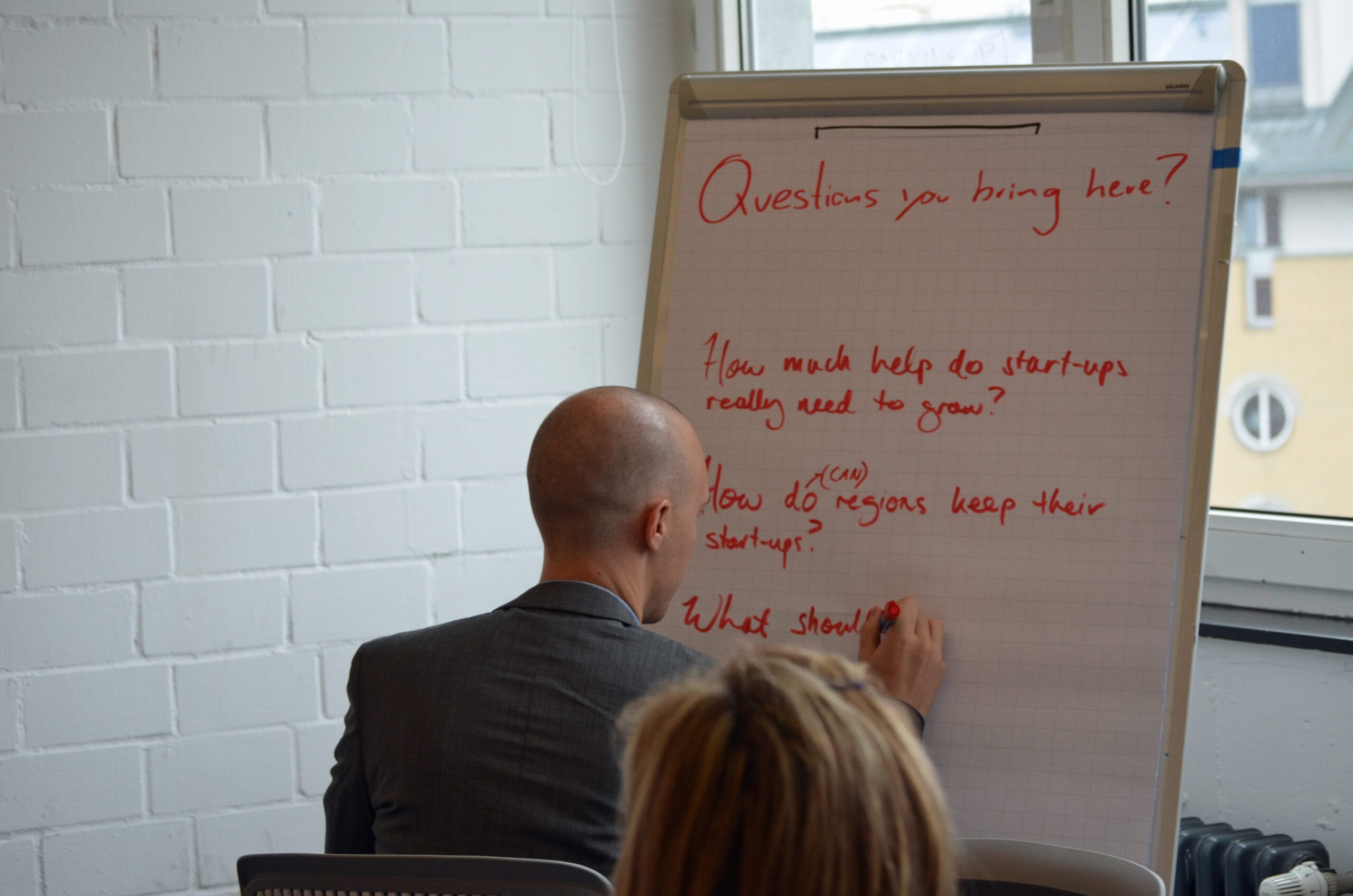
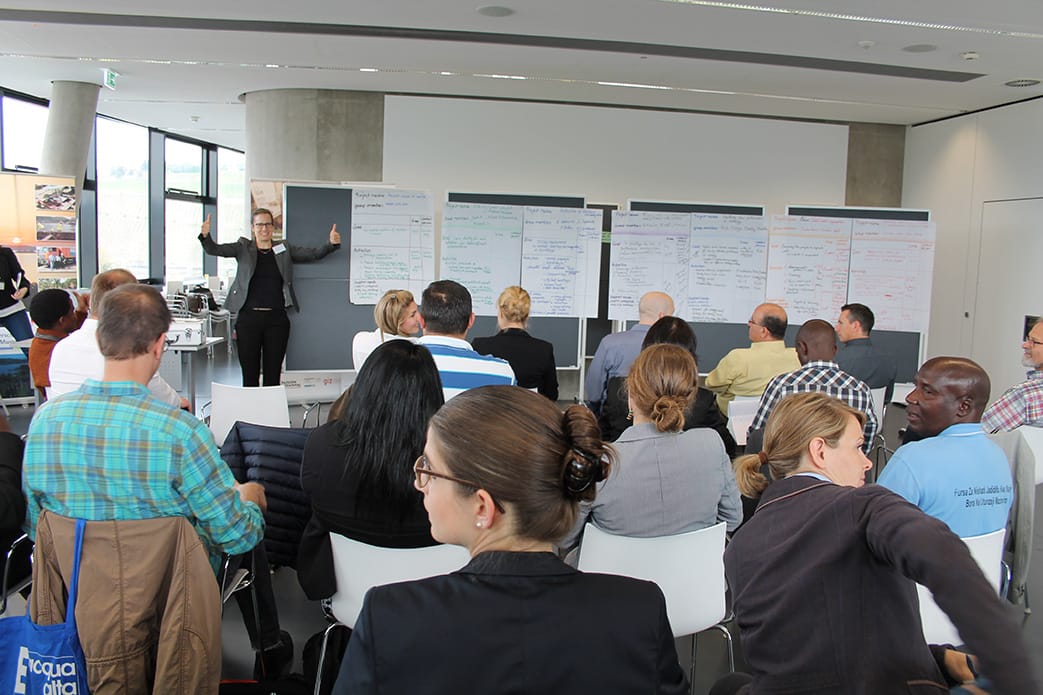
From the 11th to 13th of December, 2014, the 4th Connective Cities Dialogue Event took place at Betahaus, Berlin and brought together German and international local stakeholders who are directly connected to the field of local economic development and start-up promotion.

The participants consisted of city officials in charge of economic development and representatives of start-up promoting institution from German and Asian cities.

For urban socio-economic cooperation, applied research and knowledge work, as well as for the creation of new labour ecosystems or community-based businesses, co-working spaces, incubators and innovation labs are increasingly relevant concepts. They demonstrate new ‘grassroots-driven’ practices of urban coordination, collaboration-centric architecture and technology-based work. The co-creation of socio economic environments following principles of e.g. peer-to-peer commerce and collaborative consumption, is a blooming phenomena that demonstrates the demand for new approaches of life long learning, urban development as well as regional economic development support practice. These functions state that mentioned approaches are relevant and integrative instruments for fostering urban initiatives.  

Municipal sustainable energy production and efficiency: planning and implementing innovative solutions

Energy is a major component for both local and global economic development. It is needed for transport, industrial and commercial activities, buildings and infrastructure, water distribution, and food production. Most of these activities take place in or around cities, which are on average responsible for more than 75% of a country’s Gross Domestic Product (GDP) . With their high concentration of industry, transport systems, buildings and households, municipalities consume large amounts of energy (estimated between 60 and 80% of the global primary energy) and emit between 50 and 60% of the world’s total greenhouse gases. The majority of this energy consumption goes into buildings and transport. 
Despite the increasing energy demand in cities, it is at the municipal level that considerable potential to plan for and to produce energy sustainably and strengthen energy efficiency exists.

The international exchange platform Connective Cities and its initiators, the Deutsche Gesellschaft für Internationale Zusammenarbeit (GIZ) GmbH, the German Association of Cities and Engagement Global / Service Agency Communities in One World, organized a Dialogue Event on “Municipal sustainable energy production and efficiency: planning and implementing innovative solutions” from  9 to 11 May 2016 in Würzburg, Germany to specifically look into good practices, challenges and solutions to this crucial topic. 

The event took place at the Fraunhofer Institute for Silicate Research ISC in Würzburg and was organized in cooperation with the City of Würzburg.

Planning integrated solid waste management at the municipal level

In cooperation with the Hanseatic City of Rostock, the international urban networking platform Connective Cities and its initiators, the Deutsche Gesellschaft für Internationale Zusammenarbeit (GIZ) GmbH, the German Association of Cities and Engagement Global / Service Agency Communities in One World, invited German and international stakeholders from Tunisia, Morocco, France, Italy, Zimbabwe, Austria, Albania and Egypt to exchange their experience and showcase their good practices in Rostock from 26 to 28 September. The dialogue event on ‚Planning integrated solid waste management at the municipal level‘ was hosted by the Hanseatic City of Rostock.

The dialogue event attracted German and international municipal actors with first-hand experience in solid waste management including representatives of municipalities, municipal companies as well as representatives from civil society, academia and business, active in municipal projects in this thematic area.

The main objective of the exchange was to showcase examples of good practices on implementing integrated solid waste management in each municipality and to check the regional applicability of the presented solutions. The event in Rostock could furthermore foster learning among participants through discussions of current challenges, such as the involvement of the informal sector and approaches to waste separation and recycling. In smaller working groups, experts and practitioners exchanged views on obstacles that municipalities face in practice and discuss possible solutions.

Transforming cities: from industrial centres to sustainable urban areas

Industrial urban areas in Europe and North America as well as in several Asian and Latin American countries are facing huge spatial challenges in restructuring their urban centres and regions after having lost their traditional economic base. Integrated urban development schemes are needed to make this transformation sustainable and to introduce new urban functions while preserving the industrial heritage. The spatial implication of structural change and the organisation of such transformation call for innovative strategies to revitalise the areas and uses of the traditional manufacturing cores, economically, socially and environmentally. 

The international exchange platform Connective Cities and its initiators, the Deutsche Gesellschaft für Internationale Zusammenarbeit (GIZ) GmbH, the German Association of Cities and Engagement Global / Service Agency Communities in One World, organized a Dialogue Event on “Transforming Cities: From Industrial Centres to Sustainable Urban Areas” from 5 to 7 December 2016 in Bocholt, Germany to specifically look into good practices, challenges and solutions to this crucial topic. The event was organized in cooperation with the City of Bocholt which shared its own experience with urban transformation by hosting the event in one of the former textile factories of the city, now converted into a textile museum. The dialogue event attracted German and international municipal actors with first-hand experience in the transformation of post-industrial urban areas, its planning and its implementation, including representatives of municipalities, municipal institutes as well as representatives from civil society, academia and business, active in municipal projects in this thematic area. Urban practitioners from Germany, Ukraine, Brazil, Colombia, Cuba, Bosnia and Herzegovina, Belgium, the Netherlands and China joined together to present their good practices but also to share their challenges and discuss viable practical solutions for their local needs.

The Voice of the Cities

As cities become more important, so do their associations: Local Government Associations are more and more recognized nationally and internationally as the “Voice of the Cities”. They articulate the local governments’ interests, exert pressure on the national level to create suitable frame conditions, provide information and support the capacity building of their members.

25 experts from 11 local government associations met in the Cologne Headquarters of the Association of German Cities from 9 to 11 July 2018 to exchange their practical knowhow of the daily associative work. They focused on four concrete areas of LGA action:

  • Structure, processes and financing of LGA
  • Representation of local government interests and influence on law-making
  • Thematic members’ committees and working groups
  • Membership services for training and exchange of municipal knowhow

For each topic, the participants from Austria, Belgium, Germany, Ghana, Lebanon, Moldova, Mozambique, Peru, Serbia, South Africa and Tanzania presented their good practices and gave mutual advice on concrete challenges and developed action plans for further cooperation.

The event also included a question-and-answer-session with Vice-Mayor Mr Andreas Wolter and a guided thematic tour on local self-administration.

Würzburg and Mwanza share a gift from the sky

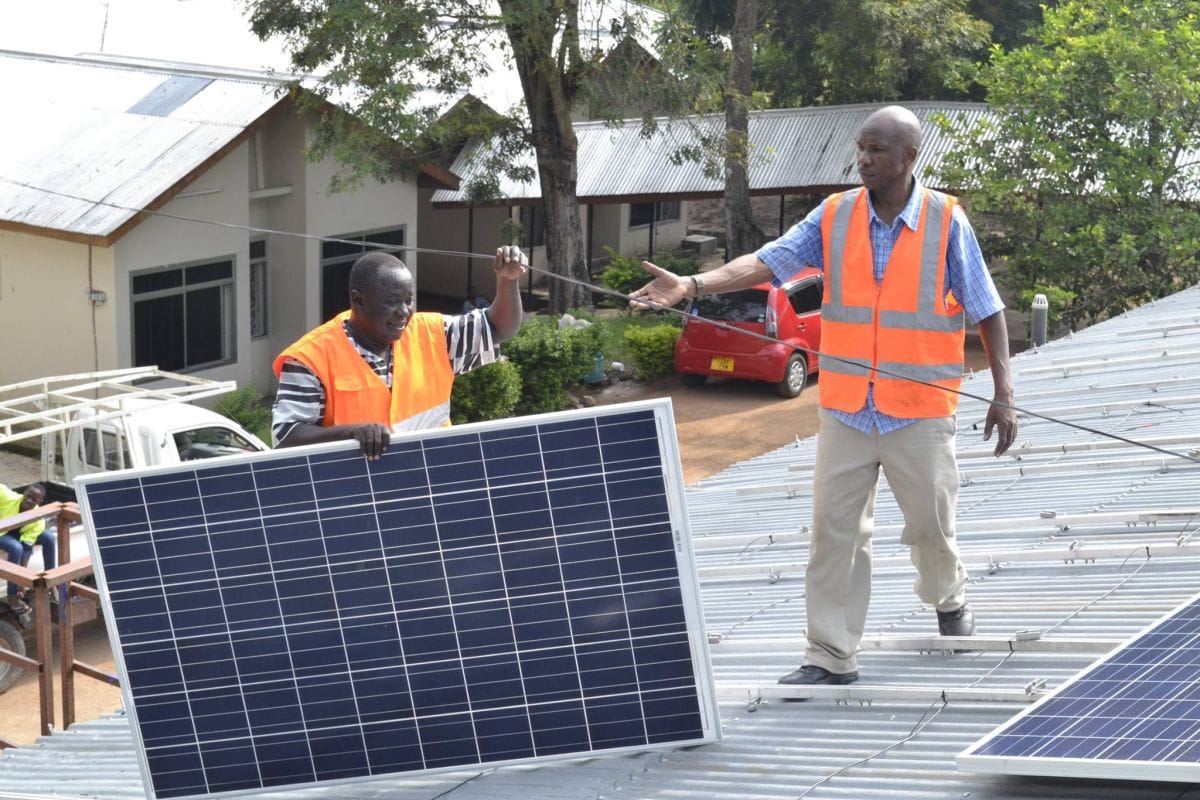
Climate change affects all cities. Anyone who wants to do something about it must reduce CO2 emissions. This can be achieved by increasingly replacing fossil fuels with renewable energies and generating solar power, for example. In Tanzania’s Mwanza, this is particularly worthwhile – and has welcome side effects.

…smart, smarter, Nuremberg: Where progress is tradition

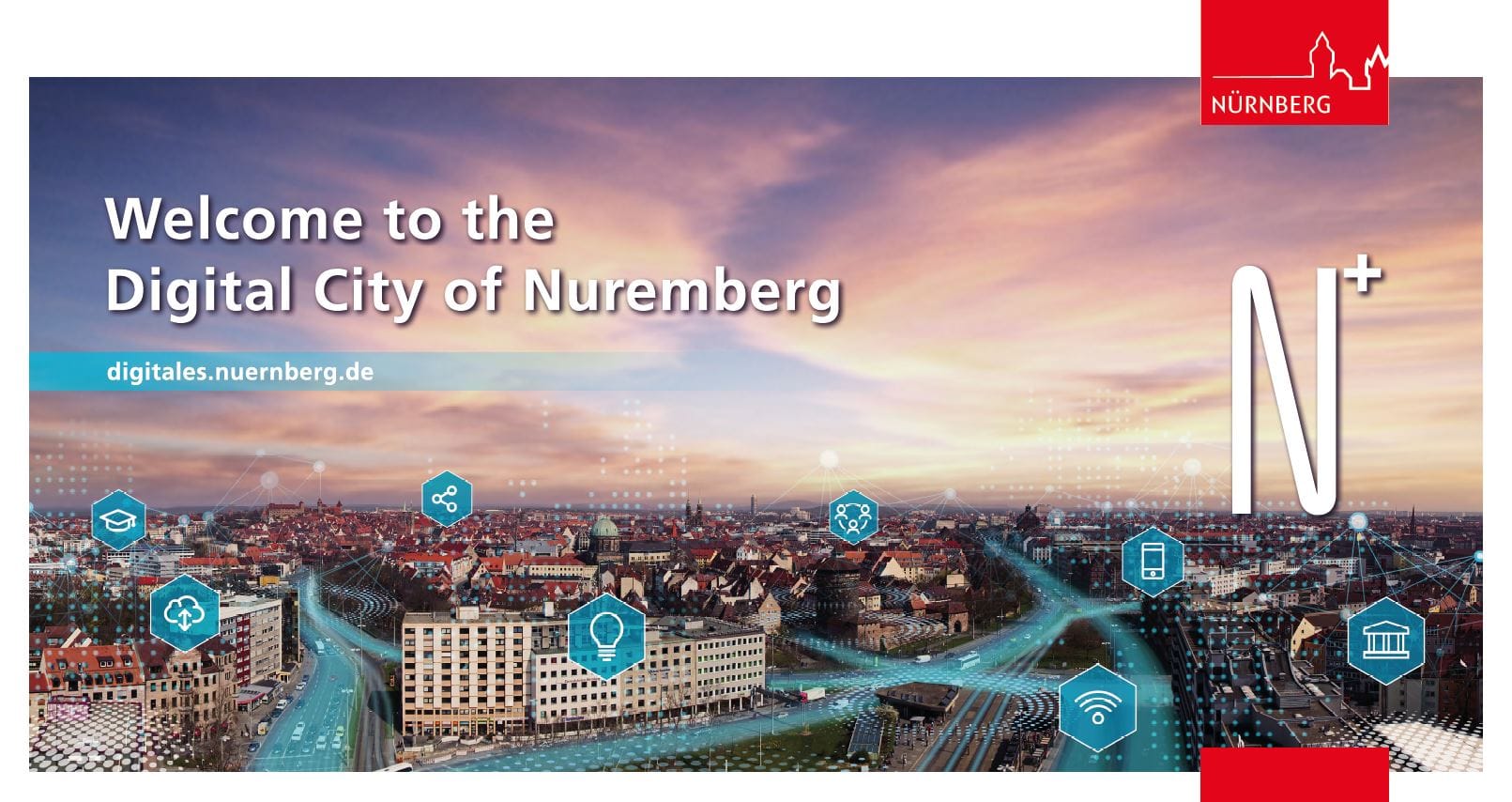
Germany’s first railway departed from Nuremberg. Today new points are set here: The administration is developing a municipal digital strategy because major issues of our time, such as mobility, can no longer be solved otherwise. The city is networking and shaping digital Change.

Safety and public space

Around the world, troubling levels of violence against women result in a restricted or complete lack of rights and opportunities for women and girls. For a majority of the world’s population, who is increasingly concentrated in large cities, this violence takes place in public spaces which are not restricted by jurisdictional borders, i.e., the metropolitan territories that to a great extent are managed by the members of Metropolis.
This report addresses the lack of safety that women and girls face in public spaces, and presents the findings of a review of the policies and programmes that metropolitan governments have established to proactively respond to these concerns. It sheds light on the involvement of Metropolis members to ensure that women and girls have the right to the metropolitan city, by mapping policies, strategies and instruments that foster safer and more accessible streets, squares, parks, neighborhoods and eventually the totality of metropolitan public spaces.

Culture in City Reconstruction and Recovery

Tackling the impact of destructions – whether they stem from natural hazards, armed conflict, or acute urban distress – requires responses that consider the needs of all social groups and provides opportunities for social inclusion and economic development, while also acknowledging the specific needs, priorities, and identities of communities.
For this reason, culture – including tangible and intangible cultural heritage and creativity – is essential both as an asset and as a tool for city reconstruction and recovery. Placing culture at the heart of urban reconstruction and recovery strategies and processes is critical to effectively restoring the physical and social fabrics of cities.
Culture – an often overlooked and underestimated framework and value – is the foundation upon which cities are built. Cities are not just a collection of buildings but are people, their stories, and how they interact with each other through their cultural identity and sense of place.
Investing in cultural institutions, spaces, and heritage can help build bridges between sparring communities in post-conflict urban areas and make disaster recovery quick, sustainable, and more effective.
This joint Position Paper of World Bank and UNESCO serves as a guide for urban practitioners, operating on the ground, as well as national and local authorities, to integrate culture, both as an asset and as a tool, in all phases of city reconstruction and recovery.