


New ways of measuring the climate footprint of cities show that urban consumption is a key driver of global GHG emissions. Cities therefore have a responsibility to significantly reduce their GHG emissions. This work has mostly focused on transport, buildings, energy and waste. This report assesses the impact of urban consumption on climate breakdown and explores the type and scale of changes needed to ensure that cities reduce their GHG emissions in line with internationally agreed, climate-safe limits.
Category: Local economic development
Solutions for and by cities

"The Guangzhou International Award for Urban Innovation is dedicated to decentralised, city-to-city cooperation and sharing lessons learned from experience. Its focus covers the three pillars of sustainability: social, economic and environmental, and two additional domains – governance and technology.
The fourth edition of the Guangzhou Award was a remarkable show of these links between innovation and learning from different stakeholders. This publication is an attempt to extend the prestige of the initiatives that were shortlisted for the award, and to spread their legacy to even broader audiences."
Promoting Innovative and Sustainable Start-ups
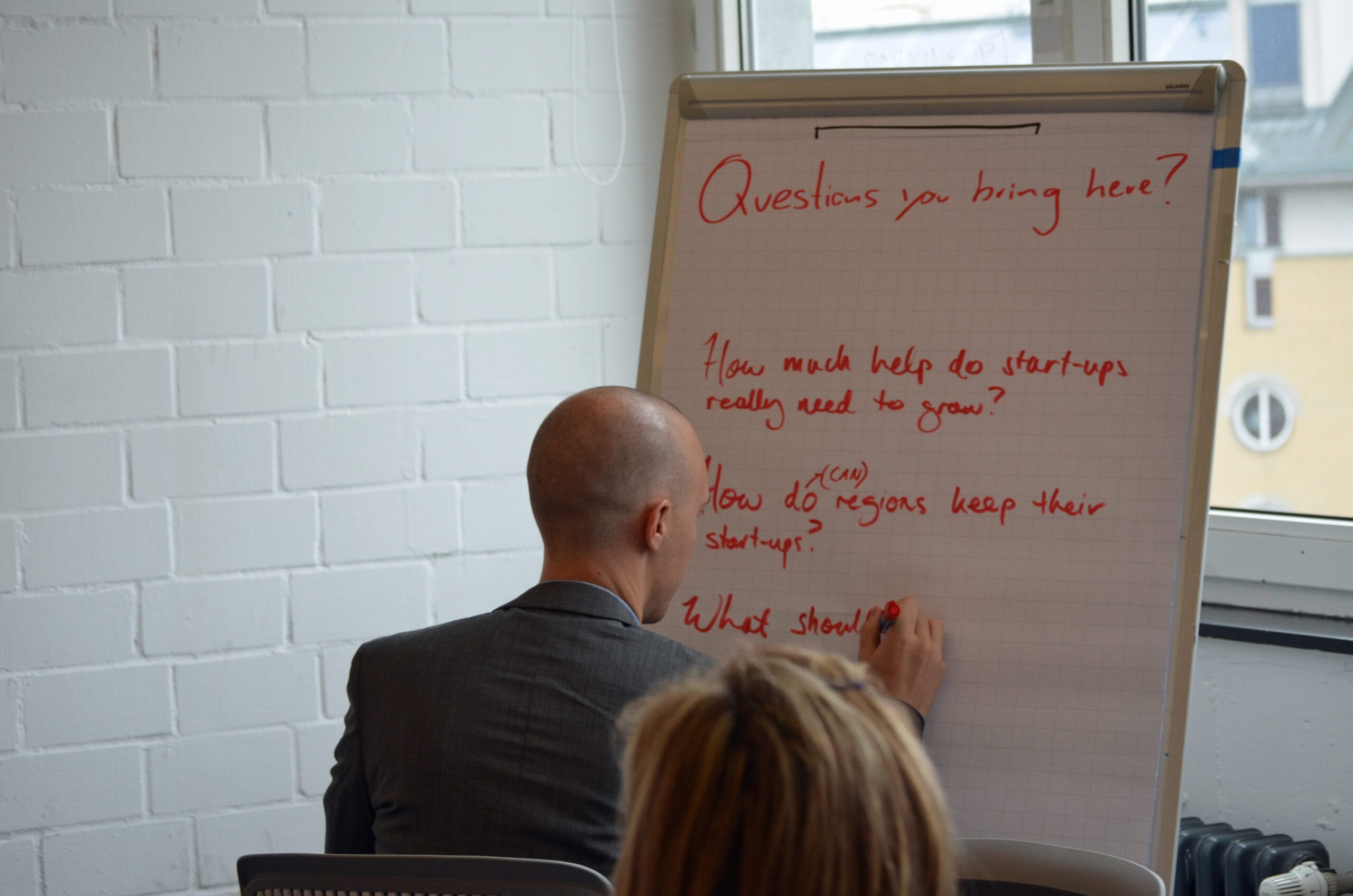
From the 11th to 13th of December, 2014, the 4th Connective Cities Dialogue Event took place at Betahaus, Berlin and brought together German and international local stakeholders who are directly connected to the field of local economic development and start-up promotion.
The participants consisted of city officials in charge of economic development and representatives of start-up promoting institution from German and Asian cities.
For urban socio-economic cooperation, applied research and knowledge work, as well as for the creation of new labour ecosystems or community-based businesses, co-working spaces, incubators and innovation labs are increasingly relevant concepts. They demonstrate new ‘grassroots-driven’ practices of urban coordination, collaboration-centric architecture and technology-based work. The co-creation of socio economic environments following principles of e.g. peer-to-peer commerce and collaborative consumption, is a blooming phenomena that demonstrates the demand for new approaches of life long learning, urban development as well as regional economic development support practice. These functions state that mentioned approaches are relevant and integrative instruments for fostering urban initiatives.
The State of African Cities 2018

The aim of The State of African Cities 2018: The geography of African investment report is to contribute to development policies that can turn African cities into more attractive, competitive and resilient foreign direct investment (FDI) destinations. Attracting global FDI is highly competitive and crosses various geographic scales, therefore regional cooperation by cities and nations is critical. But FDI is not a panacea since it has both positive and negative effects and careful choices need to be made by cities in their pursuit of FDI, if it is to lead to inclusive economic growth. This report aims to provide guidance on these choices and to facilitate understanding of the complexity of global investment in Africa.
Solutions for gender fair cities

"This report is the product of the Womanability research-action project. It reveals the numerous, and sometimes unexpected, obstacles to the equal access and enjoyment of public spaces by women, from a lack of green spaces, accessible public transportation, and public toilets, to persistent harassment and outright violence. Building on these experiences and observations, the report offers a series of recommendations and best practices, many developed by women themselves, for creating the gender equal cities of the future. […]"
Planning Integrated Solid Waste Management at Municipal Level
Rostock hosted and co-organised the event, and provided conference rooms in Rostock’s city hall. Representatives of the city gave interesting insights into the city’s solid waste management strategy and presented innovative projects on how to organise waste management in an environmentally safe and efficient way. They also organised highly informative site visits to illustrate different aspects of the city’s waste management system.
The Dialogue Event was attended by about 35 urban practitioners from Morocco, Tunisia, Egypt, Italy, France, Austria, Zimbabwe, Albania, and Germany. Two waste management experts respectively from the German Association of Cities (Deutscher Städtetag) and from the German Association of Local Public Utilities (Verband kommunaler Unternehmen e.V.) also contributed to the three-day exchange. Discussions benefited greatly from the vast experience of participants with different regional perspectives.
The publication documents the main results of the event. It contains a brief introduction to major aspects of Integrated Solid Waste Management and summarises local experiences presented at the event. The report also highlights key outcomes of the peer learning and action planning sessions. Action planning resulted in the development of four project ideas to improve waste management in different cities. These ideas are outlined briefly at the end of the publication.
The documentation also seeks to inform readers about the way Connective Cities works. It describes the approach as well as the methodology used at the event and explains how the initiative supports joint learning, knowledge exchange and municipal cooperation across the world.
City region food systems and food waste management
Rapid urban growth; growing food and nutrition insecurity; unbalanced food availability, distribution and access; environmental degradation, resource scarcity and climate change; unsustainable production and consumption patterns, including generation of food waste – all of these have important developmental implications for both urban and rural areas alike. It is increasingly recognised that in order to respond to these challenges, integrated territorial development and balanced urban-rural linkages must be pursued for the benefit of both urban and rural populations. City region food systems (CRFS) offer concrete policy and programme opportunities within which these developmental issues can be addressed and through which rural and urban areas and communities in a given city region can be directly linked. These specifically address Sustainable Development Goal (SDG) Target 11a – to support positive economic, social and environmental links between urban, peri-urban and rural areas – and are instrumental in linking SDG 11 with SDG 2 (on sustainable agriculture and food and nutrition security) and SDG 12 (on sustainable production and consumption).
This publication documents thirteen case studies from city regions around the world which are developing CRFS projects, programmes, and policies, including those related to the prevention, reduction and management of food waste. Lessons learned from the case studies for sustainable development of CRFS call for local, city regional, and (sub) national governments to institutionalise city region food systems, providing them an institutional setting and budget, linking them to larger city region development plans, and monitoring their developmental impacts across urban and rural areas.
Greening Cities and Promoting Urban Green Growth
Representatives of municipalities, business and science from Asian countries and from Germany met in Chiang Mai from the 4-6 November 2014 for the first Asian Dialogue Event of the International Community of Practice for Sustainable Urban Development, Connective Cities, to exchange experience on “Greening Cities and Promoting Urban Green Growth”.
How to make cities safer

This report presents the key insights, lessons and recommendations of a South African delegation that participated in a study tour on urban safety and violence prevention to Brazil and Colombia in April 2014. The study tour was organised by the Deutsche Gesellschaft für Internationale Zusammenarbeit (GIZ), as part of the Inclusive Violence and Crime Prevention Programme (VCP), in partnership with the South African Cities Network (SACN) and the Department of Cooperative Governance (DCoG). The delegation consisted of representatives from the member cities of the SACN as well as selected national government departments (see annexure A for the list of participants).