Education during and after the pandemic – how to prevent a ‘lost generation’ of students

Many schools around the world were closed during the COVID-19 pandemic, which has reversed years of progress in education and exacerbated existing inequalities in this field. Municipalities have had to react quickly to implement digital solutions for learning. However, for many, especially vulnerable students remote learning remains hard to reach. Therefore, municipal actors need to be supported in developing strategies to close potential learning gaps and support vulnerable groups in order to prevent a “lost generation” of students.

Connective Cities cordially invites you to participate in the workshop on Education during and after the pandemic – how to prevent a “lost generation” of students on September 14, 2021 from 15:30 to 18:00 CEST. The workshop will cover the following topics:

  • Good examples and challenges for digital and remote learning
  • Possibilities to assist vulnerable children in filling their learning gaps

The event is aimed at international municipal actors from local governments, civil society, business and academia who wish to share their challenges and good practices in planning and implementing education initiatives.

The aim is to present municipal challenges and practical examples and to develop new solution approaches through a joint exchange. The kick-off event lays the foundation for the formation of working groups that will further develop these solutions through collective consultation and with the support of regional and international experts.

To register for the workshop and stay updated on the agenda, the announcement of speakers and further details of the session, please visit our Connective Cities Community.

We are looking forward to a valuable exchange!

Education during and after the pandemic Kick-Off Workshop

Date: Tuesday, 14th of September 2021

Time: 15:30 – 18:00 CEST (Berlin Time)

Event Language: English (translation into German and Spanish)

If you have any further questions, please do not hesitate to contact us.

Contact: Paulina.koschmieder@giz.de

Greater Accra Metropolitan Area (GAMA) Sanitation and Water Project for Ghana

Ghana’s Ministry of Sanitation and Water Resources came up with a Rural Sanitation Model and Strategies (RSMS) to support rural communities with basic sanitation using the Community-Led Total Sanitation (CLTS) concept in efforts to eliminate open defecation. This approach has also been applied in the cities also with an emphasis on the low income urban communities. The project, Greater Accra Metropolitan Area (GAMA) Sanitation and Water Project was launched to increase access to improved  and affordable (from an average bill of $600 to about $50) sanitation and water supply facilities  in the GAMA.

Good Practice from Landshut, Germany: Assisted Learning

We visited Landshut, where we talked with various actors involved in and crucial for the successful running of the project project Betreutes Lernen. “Betreutes Lernen” translates to “Assisted Learning” in English and offers children overwhelmed by the challenges of digital learning, a possibility to catch up on their curriculum and regain an urgently needed daily structure. Since the beginning of the project, it has been perceived as big success by pupils, teachers and staff hence ensuring the learning progress of children during the lockdown when schools are closed.

Watch video at YouTube: https://youtu.be/1uDJCkrC-ok

More videos, interviews and podcasts at our COVID-19-topical page

Tackling drug addiction and drug use through an innovative partnership

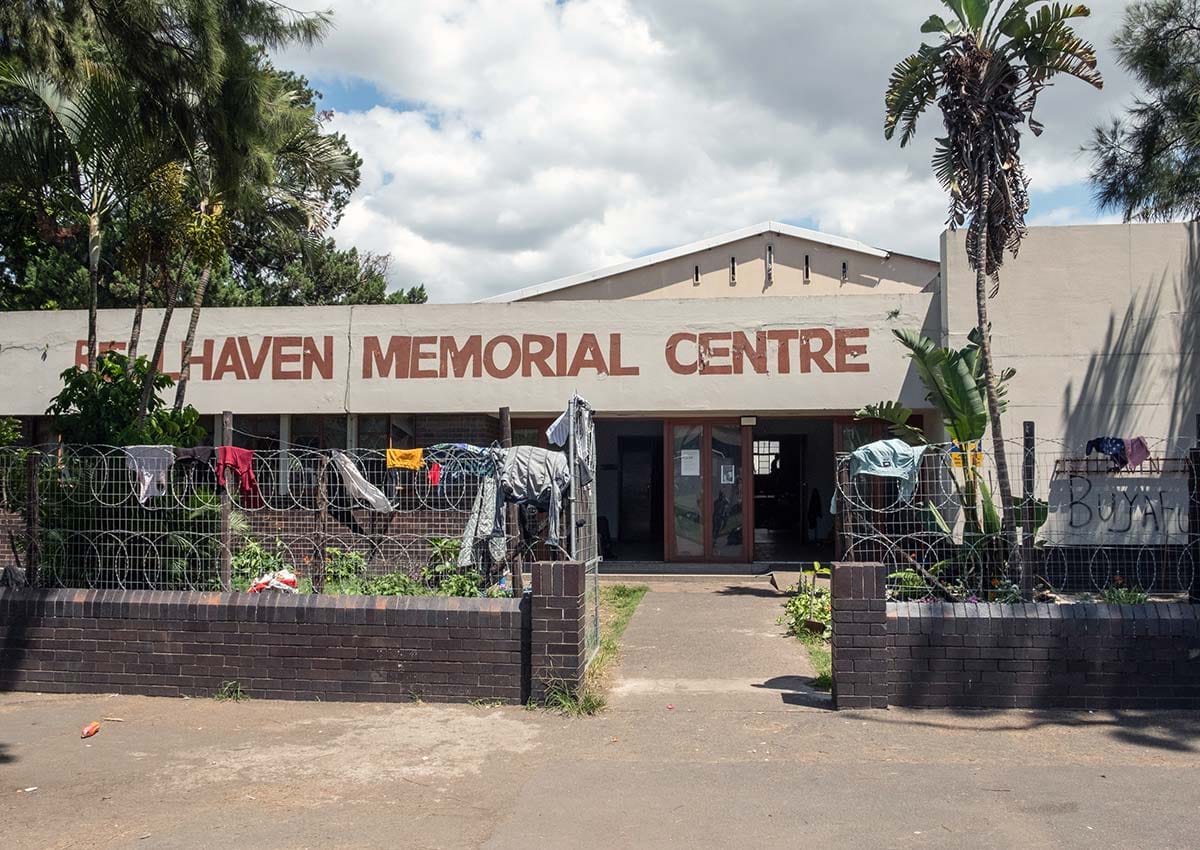
Drug addiction or drug use disorder is a major issue facing our cities and in fact, all parts of societies. During South Africa’s toughest lockdown, an innovative partnership with the city government, academics, NGOs, businesses, the police led to the setting up of a rehabilitation centre inside the iconic Moses Mabhida  Stadium for homeless people with drug use disorder called Bellhaven Harm Reduction Centre.

Early warning systems and disaster preparedness to protect against forest fires and preserve biodiversity

The virtual kick-off event of the Biodiversity and Environmental Protection Working Group of the Connective Cities network in MENA was held on the 9th August 2021. The event aimed at initiating a practice–oriented knowledge exchange between urban practitioners in the field of biodiversity and environmental protection, facilitating peer learning on state-of-the-art technology to increase resilience and improve disaster preparedness related to forest fires, fostering development of concrete projects ideas related to forest fires prevention and raising awareness of the importance of biodiversity and the value of ecosystem protection, risk factors, and the protection and preparedness tools.

Two examples on the deployment of early warning systems for forest fires from Lebanon (SBR experience in forest fires prevention in Shouf Biosphere Reserve, by Mr. Nizar Hani) and Germany (Early warning system of forest fires in Lower Saxony, by Mr. Helmut Beuke) were presented. The event was attended by 20 municipalities joining from Jordan, Palestine, Lebanon, Algeria, Tunisia, and Germany. The participants showcased the progress achieved by local disaster management offices and engaged in peer learning for additional improvement of the local and national capacities. In addition, the participants shared practice-oriented experience, which facilitated transferring, sustaining and innovating effectively applied solutions.

A second virtual session for this working group will be held on the 8th September 2021, showcasing good practice examples from Hannover-Germany and Menjez-Lebanon on municipal leadership and commitment to improve biodiversity protection and successful local actions in the field of biodiversity management.

Female power at the Insight Session on digital literacy

On August 18, the event “Digital literacy and digital municipal service design” took place virtually in the Connective Cities Community, with over 45 participants from Lebanon, Azerbaijan, Iraq, Germany, Kenya and Zambia, among others. Particularly noteworthy was the high level of female participation at the event. All three presentations were given by women, a good sign that the once purely male-dominated IT sector is slowly opening, and that people of all genders can contribute their innovative ideas. The event is part of the series “Insight Sessions: (Post-)COVID Urban Futures”, which facilitates a recurring exchange on various topics of sustainable urban development in the (post-)COVID-19 era between urban practitioners worldwide. In brief and concise exchange formats space is created to initiate reflection and present innovative solutions to local challenges.

The focus of the current event was on how municipal practitioners deal with the topic of digital literacy. The rapid digitisation process during the COVID-19 pandemic has excluded large parts of the population who either lack digital literacy or do not have access to the hardware to participate. This problem is particularly relevant for municipalities as they have an obligation to include all citizens in their activities and enable them to participate in society. The (new?) digital divide is evident in education, communication and many other aspects.

Programme

After a short insight into this year’s Connective Cities COVID-19 programme, Eva Schweitzer from the German Federal Institute for Research on Building, Urban Affairs and Spatial Development (BBSR) introduced the topic in her keynote “Smart cities and digital literacy”. In addition to a brief presentation of the Smart City Charter, which aims to ensure the digital inclusion and integration of citizens, she also presented the Civic Living Lab in Oldenburg as a positive example, where the digital skills of the population are to be strengthened through digital scavenger hunts, among other things.

Afterwards, Josephine Miliza, co-founder of TunapandaNET, presented a good practice on community networks in Kibera, Kenya. TunapandaNET is a low-cost community network run by the Tunapanda Institute that aims to build a digital ecosystem to address digital inequalities. TunapandaNET has 30 hotspots within the community, with each centre serving 50 to 500 users.

Another good practice was presented by Samar Baba, co-founder and former chair of IEEE Sight Tunisia. SIGHT is a network of IEEE volunteers worldwide that works with underserved communities and local organisations to use technology for sustainable development. In Tunisia SIGHT implemented the Tawasol project, which aims to create a connected Tunisia through the creation of digital infrastructure and educational projects and develop new leaders who can bring about effective social change.

Finally, the Connective Cities working groups on digitalisation in the context of the COVID-19 pandemic were presented. Among other things, they deal with the digital divide and public service design optimisation. Click here for more information if you want to be part of one of the working groups.

Presentations

Keynote Smart Cities and digital literacy, Eva Schweitzer

Good Practice: Keeping communities online during the COVID-19 pandemic in Kibera, Kenya, Josephine Miliza

Good Practices from IEEE worldwide on digital literacy, Samar Baba

The recording of the event can be found here: Insight Session: Digital literacy and digital municipal service design | Connective Cities Network (connective-cities.net)

Outlook

In the coming weeks, more Insight Sessions on exciting topics around COVID-19 Recovery will take place:

08.09.2021: Insight Session: Pop-up bike lanes – Long-term opportunities for green urban development?

29.09.2021: Insight Session: Crisis Management – Cross Border Solidarity in time of crisis

Wir laden Sie herzlich ein, an diesen Veranstaltungen teilzunehmen!

Pop-up bike lanes: long-term opportunities for green urban development after the Covid-19 pandemic?

The event series “Insight Sessions: Post-COVID Urban Futures” is part of this year’s Connective Cities COVID programme and facilitates a regular, open exchange on relevant topics of the post-COVID-19 era for municipal practitioners and relevant experts worldwide. Different topics of sustainable urban development during and after the COVID-19 pandemic will be discussed and innovative approaches in this regard will be shared in brief and concise virtual exchange formats. The aim of these events is to provide impulses that encourage participants to reflect on their progress so far and think about innovative solutions. The open discussion rounds will take place on Wednesdays once every three weeks. 

We are pleased to invite you to the fourth event in the series on “Pop-up bike lanes: long-term opportunities for green urban development after the Covid-19 pandemic?” on Wednesday, September 8th, 2021, from 15:30 to 17:00 CEST.

They appeared suddenly: bike lanes separated by yellow markings and conspicuous warning bars, replacing parking lanes, parts of the roadways or even the entire right lanes on busy roads. Following the example of the Colombian capital Bogotá, dozens of kilometers of new bike lanes have been built in cities around the world after the outbreak of the COVID-19 pandemic. The bike lanes allow urban residents to get more physical activity and offer hope for a shift towards a more sustainable urban mobility and transportation and a reduction of CO2 emissions in cities. As a result, many users want the pop-up bike lanes to remain in place after the pandemic and urban researchers and practitioners value them as a great opportunity for a more climate friendly and healthy urban development and a paradigm shift in urban mobility in the post-COVID era.

However, there is also criticism on the new bike lanes. Motorists fear more congestion and longer travel times with increased traffic after the COVID-19 pandemic, as the pop-up bike lanes lead to fewer lanes are available for cars. This would also contradict the plan to improve air quality. This would also contradict the plan to improve air quality. There are also fears of more accidents when cars and bicyclists meet in close quarters. As a result, the cities of Berlin and Munich, for example, have had to contend with lawsuits against the preservation of pop-up bike lanes.

In this session insights into good practices of cities and the challenges they are facing will be presented. Discussions on the pop-up bike lanes and their long-term preservation will be stimulated and urban practitioners worldwide will exchange and be made aware of the opportunities of more bike lanes for green urban development in the post-COVID era.

To register for the event and stay updated on the agenda, the announcement of speakers and further details of the session please follow:  

Insight Session: Pop-up bike lanes - Long-term opportunities for green urban development? | Connective Cities Network (connective-cities.net)  

Date: Wednesday, September 8th

Time: 15:30-17:00 CEST

Event language: English (translation tba)

If you have any further questions, please do not hesitate to contact us.

Contact: angela.beckmann-wuebbelt@giz.de

Crisis Management – Cross Border Solidarity in time of crisis

The event series “Insight Sessions: Post-COVID Urban Futures” is part of this year’s Connective Cities Corona programme and facilitates a regular, open exchange on relevant topics of the post-COVID-19 era for municipal practitioners and relevant experts worldwide. Different topics of sustainable urban development during and after the COVID-19 pandemic will be discussed and innovative approaches in this regard will be shared in brief and concise virtual exchange formats. The aim of these events is to provide impulses that encourage participants to reflect on their progress so far and think about innovative solutions. The open discussion rounds will take place on Wednesdays once every three weeks. 

We are pleased to invite you to the fifth event in the series on „Crisis Management – Cross Border Solidarity in time of crisis“ on Wednesday, September 29st, 2021 from 10:00 – 11:30 CEST.

The Covid-19 pandemic challenge international cooperation. Namely, border closure at the beginning of the pandemic, different national regulations and the lack of adequate communication tools made collaboration difficult. Moreover, not only the pandemic but also conflicts and political dynamics challenge cooperation between cities, countries, and neighbour regions. Cities cooperation can play and certainly played an essential role during the pandemic. Cooperation between cities can strenghen multilaterlism as municipalities have, in comparison to national governance, often a closer partnership with other cities and can react faster to crises. At the beginning of the Covid-outbreak, cities worldwide supported each other, e.g., by admission of patients in hospitals and donations.

The session will focus on international cross-border solidarity among cities in times of crisis and beyond. Challenges and opportunities from cities cooperation will be discussed, and best practices and lessons learned will be presented from different world regions.

A detailed agenda will be provided shortly. The event will take place virtually in the Connective Cities Community.

Date: Wednesday, September 29th

Time: 10:00-11:30 CEST (tba)

Event language: English, German

If you have any further questions, please do not hesitate to contact us.

Contact: paulina.koschmieder@giz.de

Support for the “Encosta Verde” project in Morro da Boa Vista in Niterói, Brazil

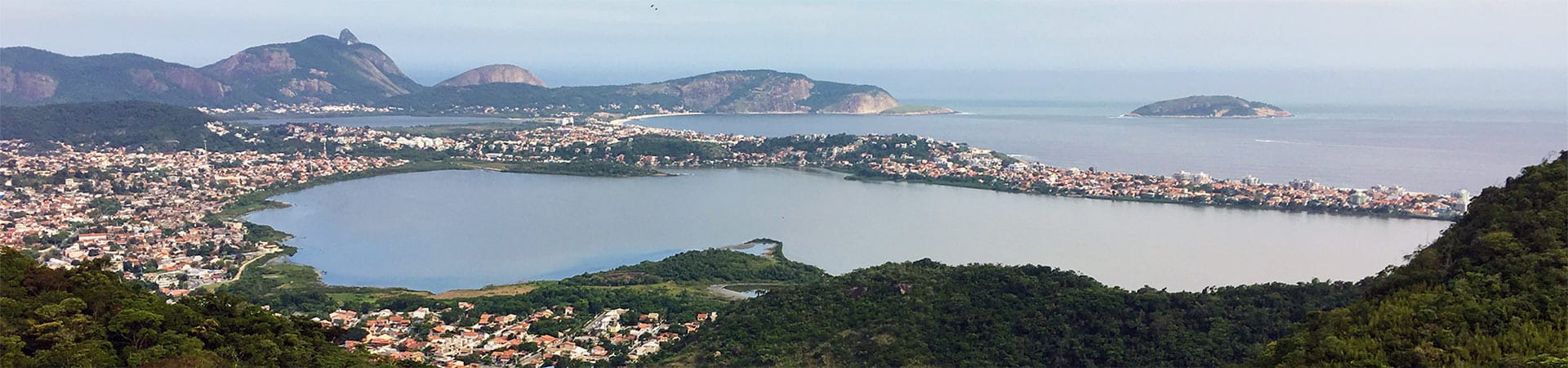
As part of the learning process “Climate-proof and Resilient Urban Development in Latin America”, virtual secondments of experts took place on August 11 and 18, 2021 to support the municipality of Niterói in Brazil in the further development of its project “Encosta Verde – Strengthening the security situation through risk reduction of landslides and fires in the community Morro da Boa Vista”. 

The community Morro da Boa Vista is located in a hilly zone in the São Lourenço district in the north of Niterói, Brazil. Niterói is experiencing increased rainfall and droughts due to climate change. In addition, the informal settlements of the hilly zones are increasingly suffering landslides and wildfires. The latter are partly caused by the informal energy supply of the inhabitants themselves. The “Encosta Verde” project aims to improve the security situation of the community with the help of participatory solutions for climate adaptation measures, including reforestation and the installation of photovoltaic systems in the hill region. These measures will help prevent informal settlement in the hill region, reduce the risk of landslides and fires, and strengthen the community’s energy supply.

During the virtual events on August 11 and 18, experts from Marburg in Germany consulted with representatives of the Niterói city government on ways to involve affected citizens in the project.

Supporting municipal digitalisation projects and strengthening digital participation

The last few years and their rapid turn of events have posed significant transformation challenges not only for individuals and companies, but also for municipalities and their teams. Digitalisation is one of them. Understanding what it means, what it demands and the opportunities and risks it implies are some of the topics addressed including discussing challenges and their solutions in the digitalisation cluster.

We are pleased to invite you to the kick-off event of our COVID Cluster “Digitalisation” on Tuesday, August 31st, 2021, from 14:00 to 16:00 CEST. The event promotes the exchange of challenges and good practices in the planning and implementation of municipal digitalisation measures by focusing on the following topics:

  • Digital divide
  • Digital literacy
  • Public service design optimization
  • Digitalisation of municipal services
  • City Lab collaborations

The cluster kick-off is the starting point for a journey of activities to support municipalities in their digitalisation efforts. The kick-off event will introduce the cluster working groups and will give an overview over the future roadmap. In addition, good practices will be shared, and the innovative City Lab will be presented.

The event brings together municipal representatives and urban practitioners to present and discuss their challenges and good practices and to develop new project ideas through peer-learning and exchange. This session will also set the ground for the formation of different working groups which will aim at further developing these project ideas by peer-to-peer exchange formats and with the support of relevant regional and international experts.

To register for the event and stay updated on the agenda, the announcement of speakers and further details of the session please follow the designated page in the Connective Cities Community: COVID Digitalisation Cluster kick-off

If you are interested in getting involved in one (or more) working group/s within the digitalisation cluster, please fill out the Open Call for Participation.

The event at a glance:

COVID Digitalisation Cluster Kick-off
Date: Tuesday, 31 August 2021
Time: 14:00-16:00 MESZ
Venue: Connective Cities Community (Online)
Event Language: English, simultaneous translation: Arabic, (Russian tbc.)
Contact: Fatina Toukan  fatina.toukan@giz.de