


A combined system of thermal panels (SWH) with heat pumps (HP) and photovoltaic panels (PV) was installed on the site of Navahrudak district hospital. It was the first time that such a combined project using SWH, HP and PV was implemented in Belarus. Now two buildings of the district hospital have independent heating, electricity system and hot water supply.
Category: Municipal services
Renewables in Cities

The report gives an overview of the status, trends and developments of renewable energy in cities, using the most up-todate information and data available. The REC’s neutral, fact-based approach documents in detail the annual developments in policies, markets, investments and citizen action, with a particular focus on renewables in public, residential and commercial buildings as well as public and private urban transport. The REC complements REN21’s Renewables Global Status Report, which covers renewable energy market, industry and policy trends. Jointly, these reports contribute to making renewable energy visible in the global debate, drawing decision makers’ attention to renewables and continuously providing better data and tracking to inform energy decisions worldwide.
REC 2021 is the result of a collaborative effort, building on REN21’s unique data and reporting culture (p see Data Collection and Validation section), with more than 330 data contributors and peer reviewers and over 30 individual interviews from around the world.
City Practitioners Handbook: Circular Food Systems

This handbook provides local governments with concrete tools their peers are using to facilitate the transition to circular food systems, from stakeholder engagement to designing effective policies. It draws on experiences from the ICLEI network and its Circular Development pathway, learnings from the ICLEI-RUAF CITYFOOD Network and best practices from the Milan Pact Awards. This publication features experiences from 50 local governments and was designed by ICLEI experts in collaboration with champion cities for the benefit of city practitioners.
Creating sustainable cities through low-carbon freight

Freight transport demand is expected to triple and its associated emissions to more than double by 2050 compared to the 2015 levels, if left unchecked.To reverse this trend, cities and companies need to turn promises into actions.
The purpose of this report is to review existing urban freight movement characteristics across the nine project cities in Argentina, Colombia and India, provide an account of baseline GHG emissions (2019) from urban freight and identify possible interventions to minimize its negative impacts. The emissions have been established using the EcoLogistics Self-monitoring Tool.
Drawing on the analysis, policy recommendations and interventions are also presented in this report and will be used as part of the Low Carbon Action Plan for Urban Freight (LCAP-UF) in the cities.
Communicating clearly on multiple channels

How can municipalities reach out to their residents to inform them about their COVID-19 strategy?
The key to the City of Stuttgart’s successful strategy for passenger transport and communicating with people with disabilities or a migrant background is: keep messaging simple and provide information in several languages and on various channels.
Bremen: Good crisis management pays off in times of COVID-19
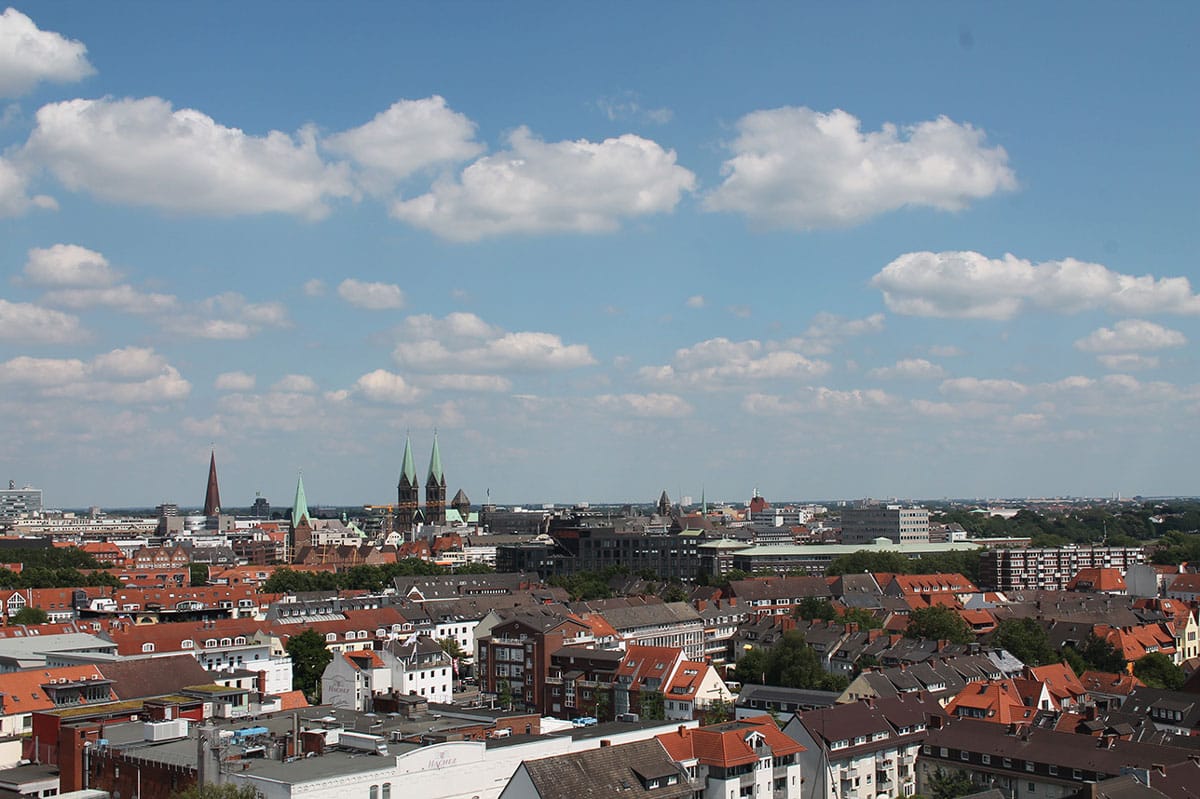
For years now, the Bremen-based wastewater utility company hanseWasser has been investing in efficient crisis and emergency management. Now, during the COVID-19 pandemic, its preparedness is paying off. The company is able to adapt its operations quickly and efficiently in line with new demands.
Municipal Response to COVID-19 for Sustainable Urban Development in Southeast Europe and Caucasus
The COVID-19 pandemic tested the robustness and resourcefulness of mostly all municipal services, from transportation and waste management to recreation and communication, pushing cities to reinvent new ways to serve their citizens. Besides, pandemic-centered protocols set new behavioral patterns – many of which were quite stressful for urban economies. Others, on the contrary, made both city leaders and citizens rethink the status-quo regarding sustainability and resilience. They created the opportunity for a green and circular economy to determine the mood of the recovery. Thus, a deep and better understanding of a city’s systems and operation is required in order to move towards sustainable development and greater resilience. If cities manage to learn from the COVID-19 crisis and proactively apply long-term prevention and risk reduction approaches, they will meet future emergencies better prepared or avoid some of them.
The following report summarizes the study on municipal response to COVID-19 pandemic. The study was conducted in September 2020, more than half a year after the global emergency was announced. It covers cities of Albania, Armenia, Azerbaijan, Belarus, Bosnia and Herzegovina, Georgia, Kosovo, North Macedonia, Moldova, Montenegro, Serbia and Ukraine.
Interview with Awande Buthelezi: Crisis Management and Digitalisation

Awande Buthelezi from Johannesburg, South Africa, shows how did he and his NGO handled to know who was in need of essential supplies such as water when there was no existing data about the precise locations.
More: https://youtu.be/r4WG9clnn40
Join us and watch a special series of videos and podcasts that will show how to overcome a crisis from many different points of view. More videos, podcasts and interviews on our COVID-19 page.
Provision of basic services: solid waste management

Effective solid waste management service is vital in ensuring a sanitary environment for any population. With changes in lives and partial or total lock-downs, the provision of this crucial service was interrupted. With the spread of the virus, the general public is now using a lot of medical equipment including surgical gloves and masks. The unsafe disposal of this waste including the increase of medical waste, increases the risks and hazards especially to the waste handlers both formal and informal.
The virtual session on the 29th of October, 2020 was to highlight the issues that cities/municipalities are grappling with to ensure that this service is adequately provided, the workers are safe, and minimize the spread of the virus through the medical waste. Through cross-pollination kind of exchange between cities/municipalities in SSA and Kosovo, a very insightful discussion was experienced. 14 participants from Ghana, Kenya, Kosovo and Zambia with representatives from Nairobi, Kisumu, Accra, Kiambu, Gjilan and Vushtrri cities/ municipalities actively engaging.
Program
5 presentations from cities/municipalities and input from UNEP defined the discussions. The presentations were from Nairobi City, Accra, Municipality of Vushtrri, Municipality of Gjilan and then we got the recommendations from UNEP on how cities can improve solid waste management during the pandemic. The session was moderated and provided an opportunity for discussion and exchange among the participants. The cities/municipalities sought to answer the following questions:
- What have been the core challenges for the municipalities?
- What measures have municipalities put in place?
- How do the municipalities deal with vulnerable groups which were most affected by the pandemic?
- Have there been any lessons learned already for long term strategies to improve cities’ resilience (i.e. preparedness for pandemics or similar events in the future)?
Presentations
Solid waste management in Nairobi during the Covid-19 period
Ms. Patricia Akinyi
Covid-19 and solid waste management in Ghana
Ms. Charlotte Akwaah-Adjei
Current situation in the Municipality of Vushtrri – waste management system
Mayor Xhafer Tahiri
Solid waste management in the Municipality of Gjilan
Mayor Lutfi Haziri
UNEP’s recommendation to cities on solid waste management
Mr. Muhammed Omotola
Results
Different cities/municipalities are at different levels in solid waste management with Municipalities like Vushtrri having waste separation and recycling practices. Nairobi City had a lot to learn from the two municipalities in Kosovo. Cities need to be intentional about continuous improvement in the waste management chain. With the rich and diverse input, the discussions were beneficial.
The highlights of the session were:
- The pandemic led to increase in domestic waste as lock downs loomed and also use of medical equipment (masks & gloves) by the public.
- Financial constraints were a hindrance to ensuring timely provision of this basic service. There is need for budgeting and allocation of resources.
- Intensive communication and education of the public and the municipal staff on proper handling of waste including promoting waste separation even at household level.
- Digitalization of systems and procedures to minimize contact including payment for services.
- Need for effective environmental policies and guidelines on management of waste especially the hazardous medical waste.
- Coordination of the different levels of government and other sector players.
- How past pandemics/ disasters have helped municipalities like Gjilan prepare for covid-19. We shouldn’t waste this pandemic and instead use the lessons learnt to prepare for future emergencies.
- Establishing of emergency preparedness facilities and crisis management teams.
Provision of basic services: water supply

Water has been a critical commodity in the fight against the Corona. It has been used in regularly washing hands and maintaining hygiene. Cities/ municipalities therefore, have been in the forefront in ensuring that there is enough supply of water.
On the 27th of October, 2020, 13 participants from various cities/ municipalities in Kenya, South Africa, Tanzania, Zambia and Zimbabwe came together to engage on the subject of water supply. The composition of the participants varied from cities/municipalities to local government associations including Kiambu, Lusaka, Mbeya, Nairobi and Pretoria. The aim was to engage each other on the challenges being faced and the changes that need to be adopted going forward in the Water, Sanitation and Hygiene (WASH) sector.
Program
Four presentations were made in this session and the scope covered views and experiences from the cities (Nairobi City County), research work and civil society organizations (Ferrial Adam – researcher & Water and Sanitation for the Urban Poor- WSUP). The session was moderated and gave room for response to the presentations and sharing of experiences from other cities. The session sought to respond to the following questions:
- What have been the core challenges for the municipalities?
- What measures have municipalities put in place?
- How do the municipalities deal with vulnerable groups which were most affected by the pandemic?
- Have there been any lessons learned already for long term strategies to improve cities’ resilience (i.e. preparedness for pandemics or similar events in the future)?
Presentations
A Civil Society Response to the Water Crisis During Covid-19 – a Place for Activist Citizen Science
Ms. Ferrial Adam
Nairobi City County Response to Covid-19
Mr. Mario Kainga
How can the Global WASH Sector Respond Better in Future Crises?
(Blog: https://www.wsup.com/blog/how-can-the-global-wash-sector-respond-better-in-future-crises/)
Mr. Kariuki Mugo & Ms. Eden Mati
Results
The presentations and discussions confirmed that most cities in SSA have inadequate coverage of the basic service; water. The sector players need to look into more sustainable solutions to the gap in provision of the service as opposed to short term measures in response to emergencies that are not long lasting. The highlights of the session were:
- most of the countries in Africa are still water scarce.
- there had to be sporadic interventions to reach the vulnerable in society who had no water & that the actors should not ignore the poor at their peril.
- water has value hence encouraging the consumers not to pay has a negative impact on the service providers.
- water utilities need operational sustainability plans that will stand in emergencies.
- need for structured mandates & coordination mechanisms for institutions.
- ensure equity in access to basic urban services.
- the mapping of the water stressed communities using online tool by the activists is commendable and worth upscaling and replicating.