Dortmund and the Ghanaian municipality of Kumasi used a dialogue event organised by Connective Cities in September 2019 to reactivate their climate partnership, which began in 2011. They focus on the climate-adapted development of their cities and on the greening of school grounds in Kumasi.
Category: Public space
Urban development for all in Vienna
In the field of gender planning, Vienna is accorded a top position at the European level regarding both the conceptual depth and thematic width of its activities. This is also evidenced by the great international interest in the experience “made in Vienna”.
Living alongside water instead of fearing it
Bangkok’s first significant piece of green infrastructure, Chulalongkorn Centenary Park (CCP), aims to lessen the risk of flooding in the city and other ecological issues. The Park can store up to one million gallons of water during periods of heavy rainfall. The Park is an example of alternative landscape strategies for reducing urban flooding and, a reminder of the city’s ability to live alongside water rather than fear it in the face of climate change.
Envisaging the Future of Cities
Urbanization is intertwined with several existential global challenges: Cities do not exist in isolation from global challenges. The emergence of urbanization as a global megatrend is intertwined with the existential challenges that the world has faced in the last 50 years, including climate change, rising inequality and the rise in zoonotic viruses with the latest being the novel coronavirus pandemic, which triggered the worst public health crisis in a century and the worst economic recession since the Great Depression. These challenges will in different ways, leave their imprints on the future of cities.
In UN-Habitat’s new World Cities Report 2022 – Envisaging the Future of Cities, three scenarios, or three paths were identified, that the world’s cities could take at this critical juncture.
- In the worst-case or “high damage” scenario, we assume that policy-making and governance will become even weaker and more ineffective. The destructive effects of the pandemic, climate change, inequality, poverty, and long-running conflicts, if not adequately addressed, will have disastrous consequences for cities in both developed and developing countries, though the latter would suffer most because of existing vulnerabilities. If 80 per cent of the economic damage inflicted by COVID-19 persists for a decade, then the number of people living in poverty could increase by more than 200 million by 2050.
- The middling, or “pessimistic scenario”, foresees a reversion to the status quo before the pandemic. This business-as-usual approach would be characterised by exploitation and exclusion of informal sector workers, systemic discrimination of the urban poor, unimaginative policies and poor implementation on the climate crisis, public transport, or urban regeneration programmes and renewal. Cities could be locked into cycles of poverty, poor productivity, unhealthy living conditions and become inequality traps for decades.
- The report, however, also envisages an optimistic future. Governments and donors would invest in urban development sufficiently to create just, resilient, healthy, and prosperous cities everywhere. By 2050, there could be 260 million people lifted out of poverty compared to the pre-COVID baseline. National governments would embrace peace and diplomacy to resolve their differences rather than pursuing military action, avoiding drastic global economic consequences such as those inflicted on the supply of food and energy by the war in Ukraine. Governments would manage the remainder of the COVID-19 pandemic competently, balancing health outcomes and economic recovery, and thus smoothing out global supply chains. They would also prepare adequately for the next pandemic.
Safe, colourful, liveable streets and places in Belo Horizonte, Brazil
Two 30 km/h zones were planned in Belo Horizonte as traffic calming measures and successfully implemented in 2019 to reduce car traffic and make neighbourhoods safer and more liveable. This change process took place with the broad participation of the local retail community, the residents and, in particular, the local schools. The public acceptance was very high. The project was inspired by peer-to-peer consultations during a dialogue event in Bremen and a subsequent expert mission of German experts to Belo Horizonte. The project now serves as a model for further similar action in other districts.
Seeds for the Future
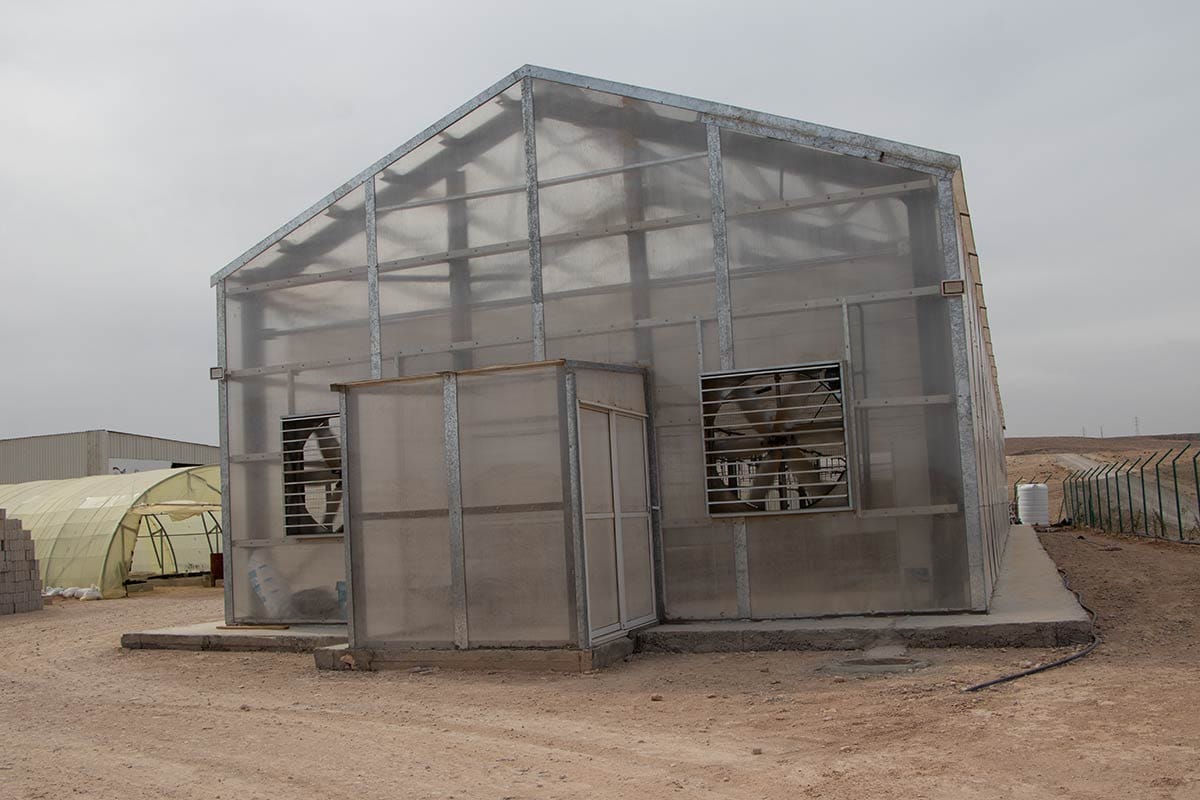
To address environmental challenges related to the loss of native species as well as the increasing CO2 emissions due to urbanisation, Karak municipality in Jordan constructed a nursery that aims at growing trees from native species. Besides demonstrating environmental protection and the transition into renewable energy sources, the project will have an economic impact resulting from the savings in the municipal budget as well as job creation for the local community.
A city designed for and with children: Quelimane, Mozambique
The economy of Quelimane is dependent on rain-fed agriculture and fishing. This has led to some families falling into extreme poverty due to the effects of climate change. Children, an important part of the population, have been affected as well. The good practice aims to promote children’s participation in the governance and planning of Quelimane city.
Wildflower meadows, sports, music festivals, health
Through a crowdfunding platform, the Metropolitan Borough of Sefton in the UK is involving the whole of society, including local business, in initiating, implementing and financing social projects. This promotes citizens’ initiative, and ensures a higher quality of life.
Planning by doing – Tactical Urbanism during the COVID-19 pandemic
On 16 February 2022 Connective Cities invited three experts on tactical urbanism to share their insights with over 55 participants from Jordan, Ukraine, Nepal, Germany, Namibia, Burkina-Faso, Congo RDC and Spain, among others. In the one-and-a-half-hour session the benefits of using tactical urbanism as a new approach to shaping the urban space were presented via examples form Barcelona, New Delhi, Chennai, Kochi and Coimbatore. Particularly noteworthy was the great interest shown by practitioners from city administration, especially from German municipalities, who were astonished that radical planning approaches can be implemented in large cities without major judicial disputes. The event forms part of the series “Insight Sessions: (Post-)COVID Urban Futures”, which facilitates recurring exchange on various topics of sustainable urban development in the (post-)COVID-19 era. The brief and concise format of exchange is intended to initiate reflection and present innovative solutions to local challenges.
Urban Gardening Guidebook
From July to December 2020, an initial intensive global programme on ‘municipal response to the pandemic’ was conducted by Connective Cities that has been augmented with the programme ‘municipal recovery from the pandemic’ starting August 2021. The working group “Biodiversity and Environmental Protection” was the first group to be established as part of this programme.
This Guidebook is one result of an extensive exhange. It explains, why Urban Gardening Matters? and guides the reader through all steps of an urban gardening project – from the first situational analysis, over the preparatory and implementation phase up to a final monitoring and evaluation.