


The economy of Quelimane is dependent on rain-fed agriculture and fishing. This has led to some families falling into extreme poverty due to the effects of climate change. Children, an important part of the population, have been affected as well. The good practice aims to promote children’s participation in the governance and planning of Quelimane city.
Category: Public space
Wildflower meadows, sports, music festivals, health

Through a crowdfunding platform, the Metropolitan Borough of Sefton in the UK is involving the whole of society, including local business, in initiating, implementing and financing social projects. This promotes citizens’ initiative, and ensures a higher quality of life.
Planning by doing – Tactical Urbanism during the COVID-19 pandemic

On 16 February 2022 Connective Cities invited three experts on tactical urbanism to share their insights with over 55 participants from Jordan, Ukraine, Nepal, Germany, Namibia, Burkina-Faso, Congo RDC and Spain, among others. In the one-and-a-half-hour session the benefits of using tactical urbanism as a new approach to shaping the urban space were presented via examples form Barcelona, New Delhi, Chennai, Kochi and Coimbatore. Particularly noteworthy was the great interest shown by practitioners from city administration, especially from German municipalities, who were astonished that radical planning approaches can be implemented in large cities without major judicial disputes. The event forms part of the series “Insight Sessions: (Post-)COVID Urban Futures”, which facilitates recurring exchange on various topics of sustainable urban development in the (post-)COVID-19 era. The brief and concise format of exchange is intended to initiate reflection and present innovative solutions to local challenges.
Urban Gardening Guidebook

From July to December 2020, an initial intensive global programme on ‘municipal response to the pandemic’ was conducted by Connective Cities that has been augmented with the programme ‘municipal recovery from the pandemic’ starting August 2021. The working group “Biodiversity and Environmental Protection” was the first group to be established as part of this programme.
This Guidebook is one result of an extensive exhange. It explains, why Urban Gardening Matters? and guides the reader through all steps of an urban gardening project – from the first situational analysis, over the preparatory and implementation phase up to a final monitoring and evaluation.
Unturning the Stones – Exploring Climate Finance for Asian Cities

In the event 25 urban practitioners and experts from 6 countries exchanged on innovative and efficient financing approaches to build climate resilient and low-carbon cities. They were united by the fact that all of them are working at the forefront of climate change mitigation and adaptation measures in their cities. The event was jointly organised by Connective Cities, TURBOCLIC (Transformation – Urban Opportunities – Climate Change), an initiative from GIZ’s sector networks TUEWAS (Transport Environment Energy and Water in Asia) and SNGA (Governance Asia).
Integration of nature based solutions in land use planning
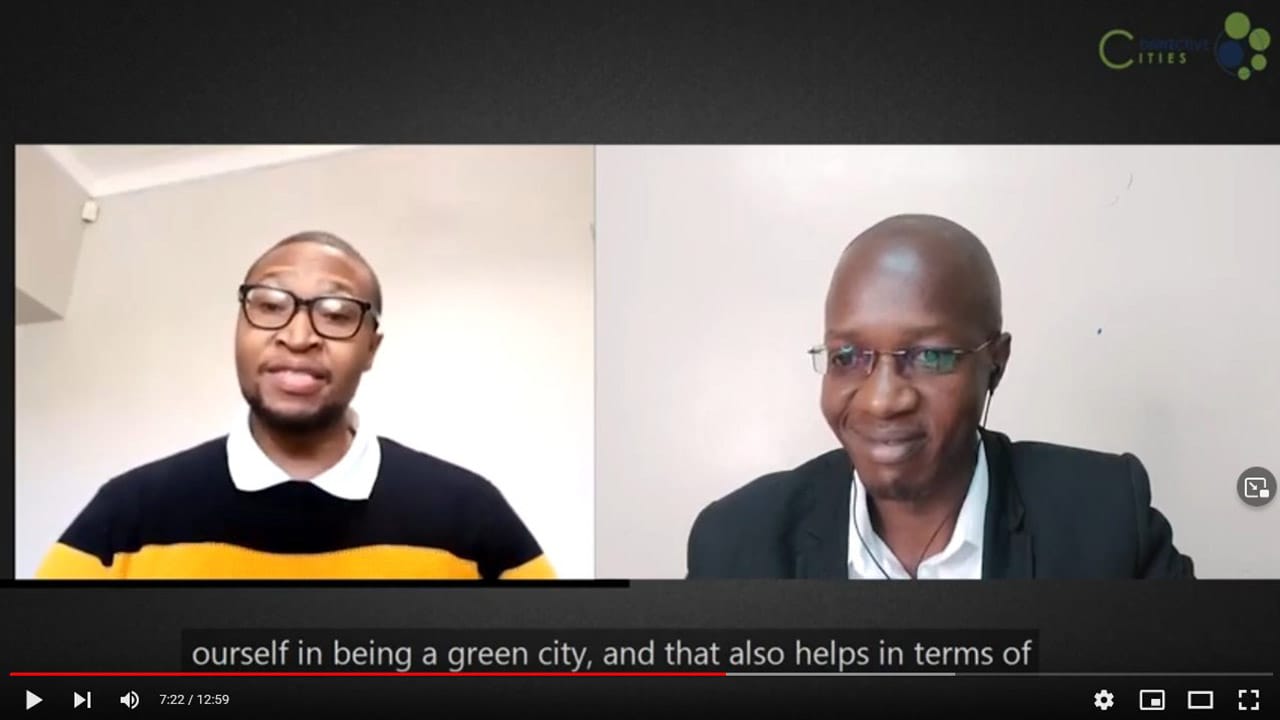
The citizens of Durban are proud of their “green” metropolis. The fact that public spaces have been kept green or have been restored to their natural state is the result of a movement with its origins in the 1980s, the “Open Space Network”. In this podcast, Sabelo Nkosi, responsible for biodiversity planning at eThekwini Municpality, describes the work of the network, in which communities, science, SMEs and the city administration are equally involved. The green spaces not only provide biodiversity, they also mitigate the impacts of climate change and help people adapt more easily.
Watch the video on YouTube:
The Integrated Development Plan of Livingstone Municipal Council, Zambia

Prior to the introduction of the Integrated Development Plan in 2015, all departments of Livingstone Municipal Council had their own isolated planning process, resulting in a waste of resources. In 2015, an integrated planning approach was introduced for a 10-year period with broad participation of residents. Stan Mwanakayaya, Director of Urban Planning at Livingstone Municipal Council, describes the experience of the first five years in this podcast.
View podcast at YouTube:
Cities Challenge: 2030 Agenda meets Urban Climate Action

What does a climate-friendly, inclusive, safe, resilient and sustainable city look like in practice? In 2019, GIZ’s CitiesChallenge 2030 ideas competition set out to showcase and support examples for this all over the world. More than 30 projects replied to the calls for application. GIZ and BMZ selected four winning projects to be Urban Living Labs:
- In Portoviejo, Ecuador, women in a poor peri-urban settlement acted as guardians to support the vulnerable and the sick, working together with the municipal disaster management department. With the help of students and experts from universities and professional organisations, they managed to secure paths and public spaces from landslides.
- In Jordan’s capital Amman, an NGO created microforests in high-density, precarious neighbourhoods. This triggered cross-sectoral cooperation between stakeholders, who together tested novel planting methods to improve air quality, combat heat islands and create rainwater storage.
- In Windhoek, Namibia, slum dwellers on the outskirts of the city created a neighbourhood park that invites people to stay and play while protecting their homes from seasonal flooding. They also planned the future development of their own settlement through a participatory process, supported by the municipality.
- In the Serbian capital Belgrade, food service operators and digital start-ups in the Serbian capital Belgrade saved food from being destroyed. Instead, they made it available to families in need while improving urban food security and reducing the burden on landfills.
These four Urban Living Labs show some of the many ways that interventions in cities bring local governments, experts, communities and entrepreneurs together. By working together with local partners, they improved the resilience and quality of life for vulnerable groups, ensured access to public services, used resources more sustainably, and promoted climate change mitigation and adaptation.
Tianjin Daqiuzhuang Eco-City: green, ecological and low carbon

Daqiuzhuang has traditionally been an important industrial site, especially for the steel industry.
The Sino-German Tianjin Daqiuzhuang Eco-City has developed an overarching indicator system with 20 ecological indicators, 50 percent of which are from the areas of energy saving and emission reduction. Modern concepts and technologies from Germany serve as a reference and the Energy and Climate Protection Management System (EKM) of the German Energy Agency (DENA) as a basis. The modern indicator systems for regional development of the China-Singapore Tianjin Eco-City, the Xiong’an New District and the Beijing Municipal Administrative Centre are also used as a basis. The Eco-City indicator system is divided into three areas: green ecology, liveable life and innovative production; of which 11 are control indicators and 9 are leading indicators. The indicator system thus guides the construction and development of the Eco-City throughout its life cycle.
Tackling drug addiction and drug use through an innovative partnership
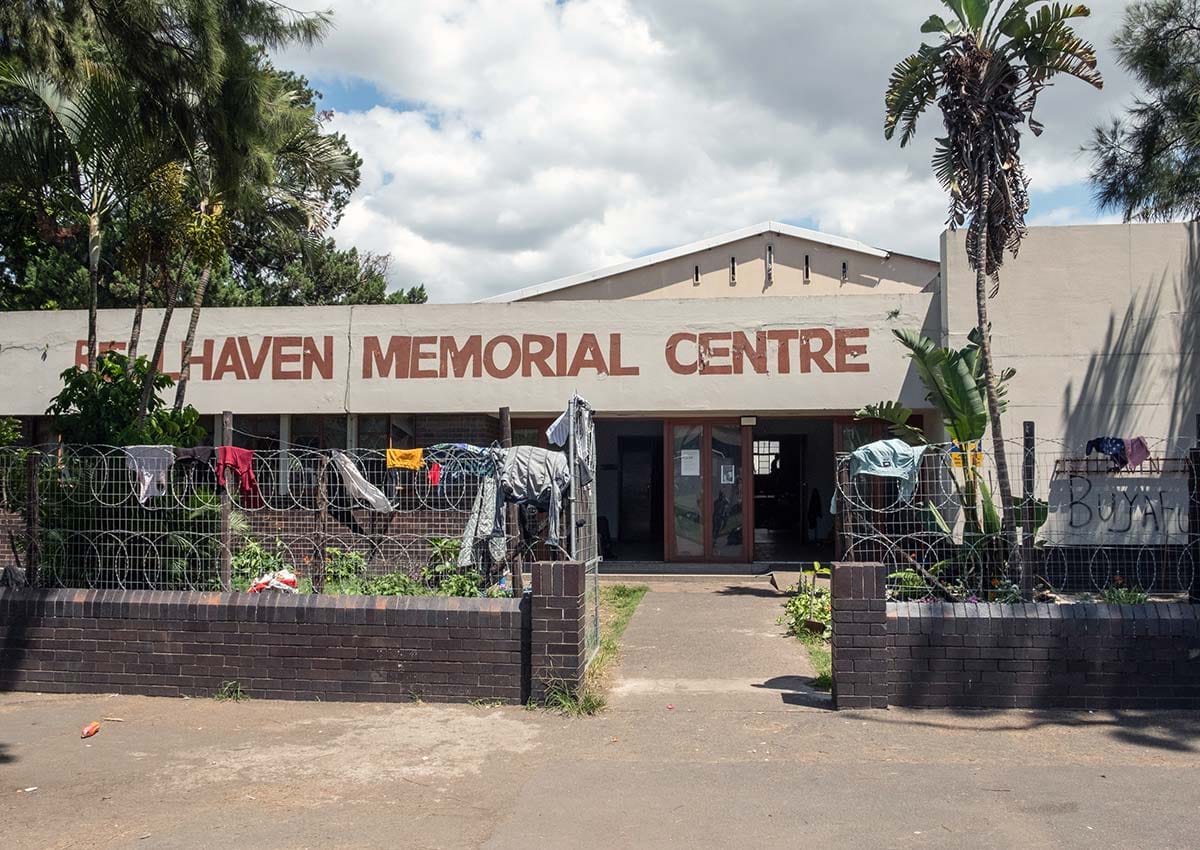
Drug addiction or drug use disorder is a major issue facing our cities and in fact, all parts of societies. During South Africa’s toughest lockdown, an innovative partnership with the city government, academics, NGOs, businesses, the police led to the setting up of a rehabilitation centre inside the iconic Moses Mabhida Stadium for homeless people with drug use disorder called Bellhaven Harm Reduction Centre.