Call for Participation: Join the Connective CitiesCity Lab

A open and flexible online program for local municipal employees and urban practitioners around the world.

Municipalities around the world are affected by the impact of the COVID-19 pandemic. Therefore, Connective Cities is organising a series of virtual formats to discuss and develop measures, challenges, and solutions to overcome the pandemic and support the municipal recovery.

By joining the Connective Cities Lab, you get full access to international experts and urban practitioners from other cities, who will support you to develop solutions and prototypes to the challenges you are working on in your local community.

Qaraoun Future Hope Project

Amidst the energy crisis that Lebanon is facing, the municipality of Qaraoun has succeeded in overcoming major impediments to the provision of renewable energy to its residents. The renewable energy project ‘PV SOLAR SYSTEM- OUR FUTURE HOPE’ has addressed local needs for renewable energy, technical and vocational education and training, as well as community awarness raising. The project has adopted an inclusive approach that ensured gender-sensitivity throughout its components.

Invitations to meetings of the digitization cluster working group

as part of this year’s special programme on the subject of “Post-COVID-19 Recovery Measures” the International Community of Practice for Sustainable Urban Development Connective Cities and its initiators, the Deutsche Gesellschaft für Internationale Zusammenarbeit (GIZ) GmbH, the Association of German Cities (DST) and Engagement Global / Service Agency Communities in One World, cordially invite you to actively participate in the working groups:

  • Digital Literacy
  • Digital Divide
  • Digitalisation of Public Services

The Digitalisation Cluster is an open and flexible online space for local municipal employees and urban practitioners around the world that offers support to municipal teams who are dealing with digital transformation projects and programs in their municipalities.

Urban practitioners and municipal representatives from around the world are coming together online to develop digital solutions for measures regarding the local economy, public services, communication, education, public health services, data management, and digital literacy. In addition to that, advisory on relevant funding options for these digital transformations will be shared and discussed.

Join the cluster in one of the upcoming sessions:

Wed., 3 Nov. 2021 at 11:00-12:30 (CET):
Digitalisation of Services & Digital Transformation
https://community.connective-cities.net/en/node/906

Thu., 4 Nov. 2021 at 11:00 – 12:30 (CET):
Overcoming the Digital Divide & Access to Technology
https://community.connective-cities.net/en/node/907

Tue., 9 Nov. 2021 at 11:00 – 12:30 (CET):
Digital Literacy – Strategies Design
https://community.connective-cities.net/en/node/908.

Strengthening Local Economic Development

In the framework of the “Municipal know-how for host communities in the Middle-East programme”, the international community of practice Connective Cities and its initiators, the Deutsche Gesellschaft fuer Internationale Zusammenarbeit (GIZ) GmbH, the German Association of Cities (DST) and Engagement Global gGmbH / Service Agency Communities in One World (SKEW), organized an International Dialogue Event on “Strengthening Local Economic Development” in Lebanon, that was held in Beirut on October 24-26, 2017. The workshop addressed urban practitioners from Lebanon and Germany to share good practices and learn from each other.

Given the impacts of economic globalisation on local development worldwide, local governments play a crucial role in enabling more sustainable growth of urban areas. Local Economic Development (LED) is particularly important when it comes to strengthening the capacity of individual cities and regions to foster their resilience under the pressure of growing global competition. The LED approach encourages establishment of multi-actor partnerships and ensures joint development of local solutions to the existing economic challenges. Through multi-stakeholder dialogues as well as thorough analyses of current economic situations and conditions of public services and infrastructure at local level, LED helps identify concrete development opportunities and create competitive business locations at local level. This consequently can lead to a reduction in poverty as well as geographic disparities and enable sustainable economic growth.

The dialogue event was geared specifically towards supporting the analysis and planning of local economic development based on good practices up to the formulation of ideas for local projects to foster the local economy. Discussion of good practices that are relevant to the local urban context in Lebanon followed by peer-to-peer advice on actual challenges in a creative and interactive workshop environment constituted the main features of the event.

Subjects of exchange comprised

  • Improvement of municipal infrastructure and public services;
  • Development of local marketing concepts and sectoral economic strategies;
  • Enhancement of innovation and value chains in a context of regional urban-rural linkages
  • Provision of learning opportunities for entrepreneurs and integration of the informal sector

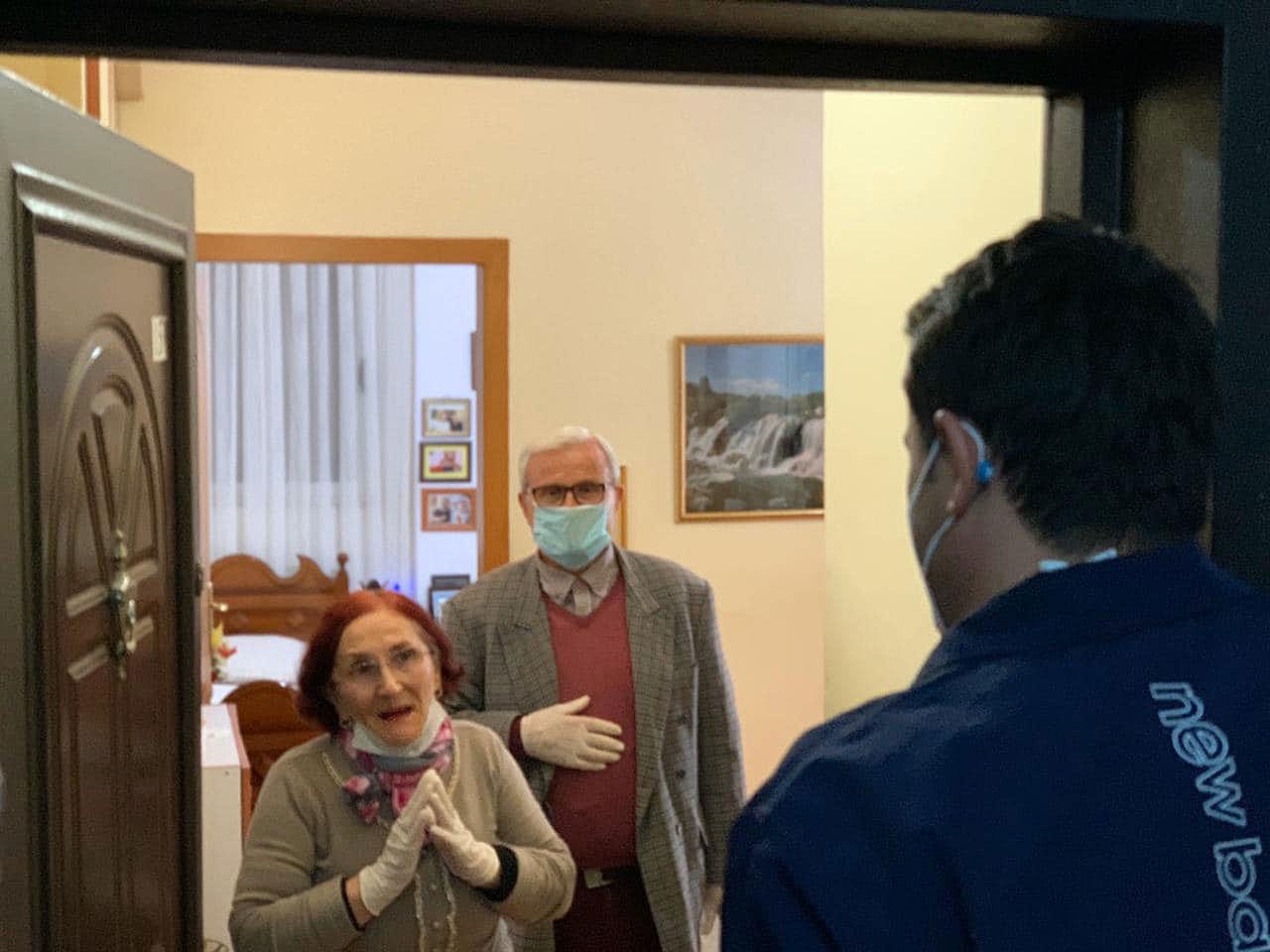
Adopt a grandparent, the theme of solidarity in Tirana, Albania

The project ‘Adopt a grandparent’ is an initiative to help the lonely older people by providing groceries and medical care to their homes, helping those who live alone around their house, or merely accompanying them during difficult times.

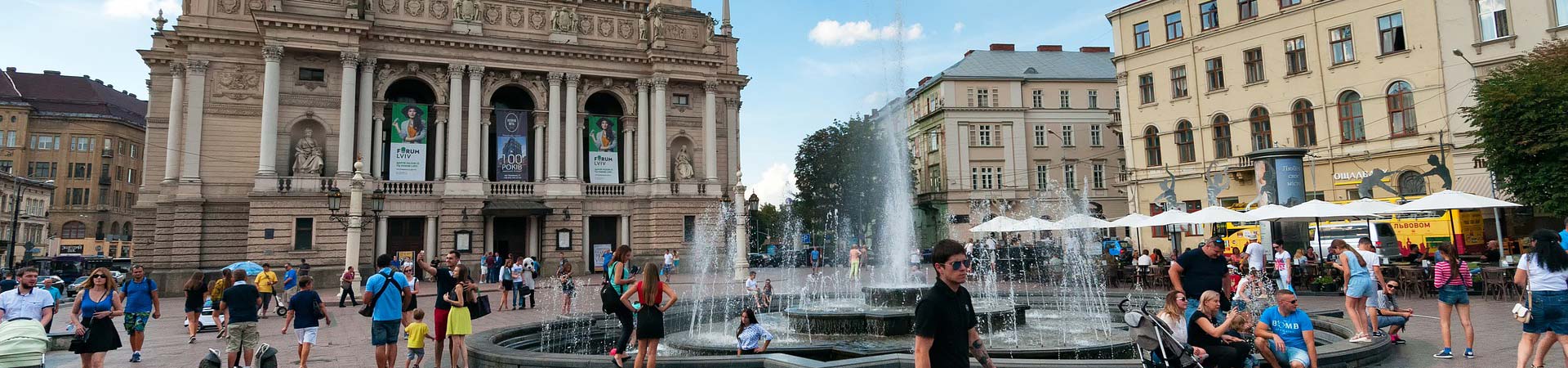
Supporting the Ukrainian city of Lviv in localising the 2030 Agenda

As part of the learning process “Strengthening Local SDG Implementation through Reporting and Monitoring”, virtual exchanges of expertise were held on 23 and 30 September 2021 to support the city of Lviv in the Ukraine in developing its first VLR.

As part of the outcome of one working group during the dialogue event in April, the city of Lviv, together with other participants, exchanged possible ideas on how to raise awareness of sustainable development in the city administration in order to ensure sustainable strategic planning.  A first step was to develop a City Booklet to bring the Sustainable Development Goals (SDGs) closer to city administration. For this, the team reviewed and consulted some existing booklets and good practice examples from other cities and organisations. As a result, the Lviv team developed an SDG City Booklet that contains a brief general introduction to sustainable development, the SDGs and the importance of localising the SDGs. Besides, each SDG is briefly introduced and examples of actions to meet the 2030 Agenda are given. The key to this process was to translate the examples to the local context and highlight the importance of city targets.

Integration of nature based solutions in land use planning

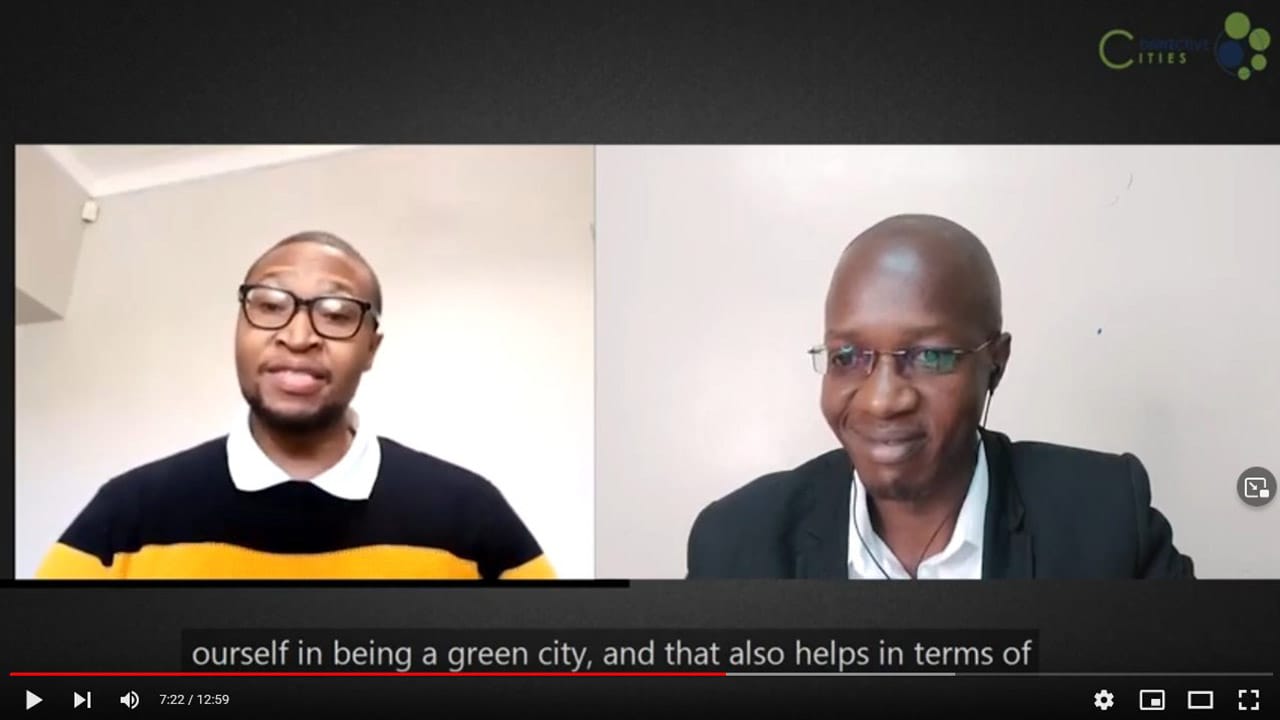
The citizens of Durban are proud of their “green” metropolis. The fact that public spaces have been kept green or have been restored to their natural state is the result of a movement with its origins in the 1980s, the “Open Space Network”. In this podcast, Sabelo Nkosi, responsible for biodiversity planning at eThekwini Municpality, describes the work of the network, in which communities, science, SMEs and the city administration are equally involved. The green spaces not only provide biodiversity, they also mitigate the impacts of climate change and help people adapt more easily.

Watch the video on YouTube:

https://youtu.be/8rOm9WgRzHo

Launch of Digitalisation working group in Southeast Europe (SEE)

Taking place on 21 September 2021, the Kick-off event of SEE digitalisation working group gathered 29 urban practitioners from all over the region, coming together to embark on a journey of capacity building, peer-to-peer exchange and project development on various topics of digitalisation.  Participants from 19 municipalities from 7 countries – Albania, Bosnia and Herzegovina, Georgia, Moldova, North Macedonia, Serbia and Ukraine – are targeted as main participants of the group.

This initiative, that is part of Connective Cities COVID-19 Programme, is dedicated to supporting cities’ resilience during the COVID-19 pandemic by providing capacity-building activities in the directions of Digitalization.  For this objective several primary aims have been designed in collaboration Ms. Yulia Besplemennova, International Expert, who will be guiding participants on the journey of capacity development.

This working group will allow participants to learn from each other and build network of peers with similar initiatives, giving space for potential future collaborations, while focusing mainly on several prime goals:

  •  Improving cities’ ability to envision and design public digital services with a design-driven approach applying both human-centred and systemic lenses.
  • Learning the principles of stakeholders and user’s engagement in design and validation processes and of co-design practices.
  • Stimulating peer-to-peer exchange and hands-on learning dynamics.

Programme

During the session, Action plan of the group, upcoming activities, general methodology and tools were introduced to be used during working process of the group.

Along with presenting theoretical outline of the Action Plan, participating urban practitioners were introduced to one another, highlighting their interest and motivation for participating in the process.

Dates and themes of upcoming workshops were settled among the members of the group. These workshops (in the form of presenting ideas, ideations and breakout sessions) will be used for identifying the citizens needs and their profiles, mapping stakeholder and system maps and analysing the problematics involved, developing co-design initiatives to actively engage users for the delivery of the better digital services. Recording of the Kick-off event can be found here.

In the following weeks, the following workshops have already been held (a short review will be published soon):

Workshop I: Ideation

Workshop 2: Consolidation

Workshop III: Solutions & Opportunities

Successful Launch of Crisis Management working group in Southeast Europe (SEE)

On 20 September, the working group of crisis management, consisting of urban practitioners from 14 municipalities across 9 countries in Southeast Europe (SEE), was set in motion.  The Event gathered 22 participants from Armenia, Bosnia and Herzegovina, Bulgaria, Georgia, Kosovo, Moldova, Montenegro, Serbia and Ukraine. The kick-off introduced participants to the work plan, designed by two international experts, who will be leading the effort and learning process of the group. The event was also dedicated to familiarizing group members with one another and their common challenges or interests in the field of crisis management.

This initiative is part of Connective Cities COVID-19 programme and its objective is to strengthen the cities’ resilience during the COVID-19 pandemic by providing capacity-building activities in the direction of crisis management. For reaching this objective a working group is formed with several primary aims:

  1. identification of crisis management, resilience and Covid-19 response challenges in participating municipalities,
  2. analysis and definition of the challenges based on experiences, knowledge transfer and international discussion,
  3. solutions scan, assessment of resources and support of municipalities in development of applicable actions.

This working group will also allow participants to learn from each other and build a peer network with similar initiatives, giving space for potential future collaborations.

Programme

After a short welcome and insight into this year’s Connective Cities COVID-19 programme, Dr. Irakli Samkharadze, Regional Coordinator, GIZ gave word to representatives of Policy and Management Consulting Group (PMCG),  a consultancy agency managing two COVID response working groups in SEE region, who introduced the timeline and the international experts who would be working with the participants throughout the following three months.

Afterwards, the action plan of the group and its goals were introduced by the international consultants Mr. Edmunds Akitis and Mr. Sjirk Meijer. They set the scene for upcoming activities and explained the general methodology and tools to be used during the working process of the group.

As a getting to know each other activity, every urban practitioner participating in the event was given spotlight to introduce themselves, their municipalities and challenges they have come across during their work related to dealing with crises.

Finally, three upcoming workshop dates and themes were agreed upon by the members of the group. These workshops (in the form of presenting ideas and best practices, including the round table discussions) will be a combination of knowledge transfer and stepwise working towards the programme of projects exploiting the crisis management cycle – prevention, preparedness, response and recovery.

The recording of the Kick-off event can be found here.

Outlook

In the coming weeks planned workshops will take place on following occasions:

Workshop 1: identification of crisis management, resilience and Covid-19 response challenges

Workshop 2: analysis and definition of the challenges based on experiences, knowledge transfer and international discussion