


In the field of gender planning, Vienna is accorded a top position at the European level regarding both the conceptual depth and thematic width of its activities. This is also evidenced by the great international interest in the experience “made in Vienna”.
Category: Participation and urban planning
Living alongside water instead of fearing it

Bangkok’s first significant piece of green infrastructure, Chulalongkorn Centenary Park (CCP), aims to lessen the risk of flooding in the city and other ecological issues. The Park can store up to one million gallons of water during periods of heavy rainfall. The Park is an example of alternative landscape strategies for reducing urban flooding and, a reminder of the city’s ability to live alongside water rather than fear it in the face of climate change.
Safe, colourful, liveable streets and places in Belo Horizonte, Brazil

Two 30 km/h zones were planned in Belo Horizonte as traffic calming measures and successfully implemented in 2019 to reduce car traffic and make neighbourhoods safer and more liveable. This change process took place with the broad participation of the local retail community, the residents and, in particular, the local schools. The public acceptance was very high. The project was inspired by peer-to-peer consultations during a dialogue event in Bremen and a subsequent expert mission of German experts to Belo Horizonte. The project now serves as a model for further similar action in other districts.
Creating inclusive public spaces for women

Public spaces can bring together communities and facilitate cultural expression and diversity, so it is important to look at how public spaces can promote women-city relationship building. Femmedina, a combination of the terms “femmes” (women) and “medina” (historical city), is the name of a project implemented in the historic center of Tunis. The project has the ambition to foster this relationship building.
Frankfurt (Oder) – Slubice: Together against the pandemic
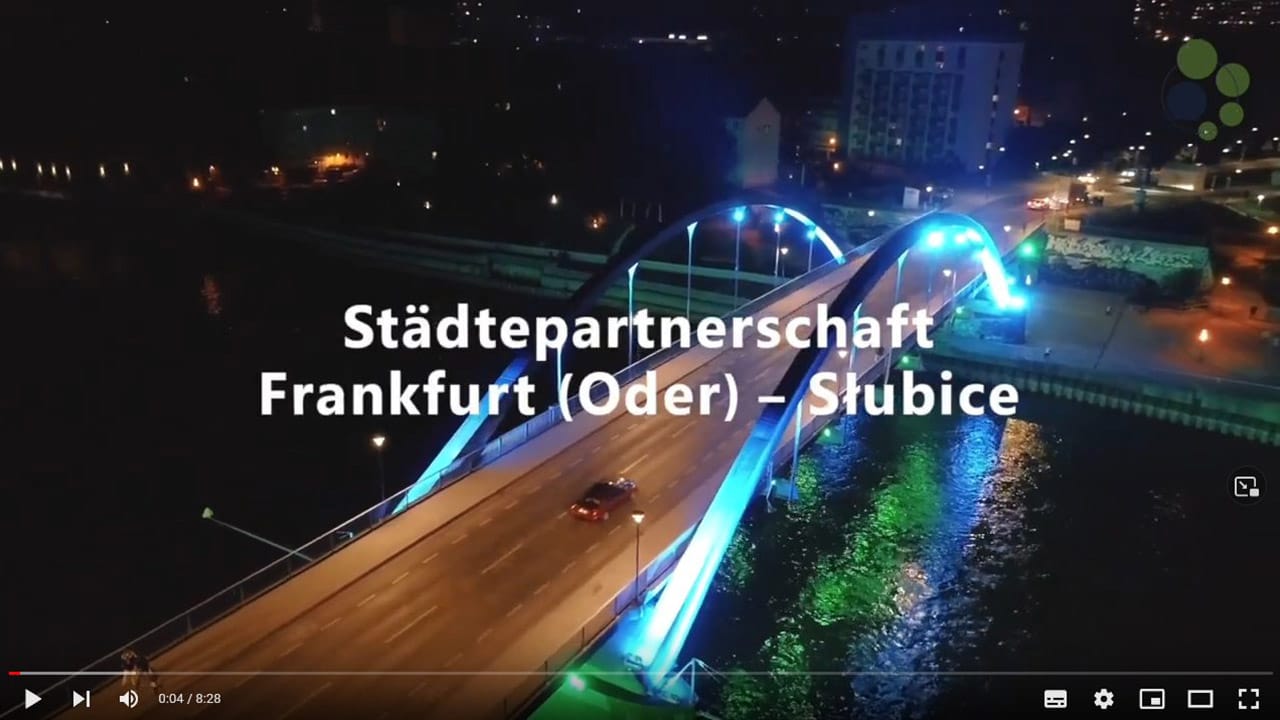
The Corona pandemic had a great impact on the lives of people in the partner city of Słubice and Frankfurt (Oder). Especially citizens living at the border area were impacted by the restrictions – commuters could no longer pass to the other side of the river for work, families could no longer see each other. Despite all this, it was possible to organise support with great civil society commitment through direct and rapid communication, which underlined the importance of cohesion at the boarders.
Learn how the two cities have worked together to tackle the challenges of the pandemic and successfully strengthened their partnership!”
Watch Video at YouTube: https://youtu.be/k0uCJE_yCac
The 15-Minute City: A Feminist Utopia?

To realize the positive intersection of feminism and the 15-minute city, concrete and inclusive land-use and mobility policies are necessary.
In many cases, a lack of clear social policies and guardrails to ensure the accessibility and maintenance of social and rental housing, allow for meaningful mixed-use zoning, and provision of well-integrated and diverse transportation networks, such investments have often resulted in gentrification, often pushing out those who would benefit most from a walkable, cyclable community. This is particularly true for women living alone, single mothers, and those from marginalized communities. Therefore, in order for there to be a positive intersection between feminism and the 15-minute city concept, a truly inclusive and equitable approach, coupled with concrete policies, needs to be adopted.
Scaling up cycling infrastructure in Lindau, Germany

As cycling is becoming increasingly popular for leisure and as an alternative to using the car, municipalities have to adapt their cycling infrastructure. However, they should not forget to involve their citizens in the planning process.
A city designed for and with children: Quelimane, Mozambique

The economy of Quelimane is dependent on rain-fed agriculture and fishing. This has led to some families falling into extreme poverty due to the effects of climate change. Children, an important part of the population, have been affected as well. The good practice aims to promote children’s participation in the governance and planning of Quelimane city.
Wildflower meadows, sports, music festivals, health

Through a crowdfunding platform, the Metropolitan Borough of Sefton in the UK is involving the whole of society, including local business, in initiating, implementing and financing social projects. This promotes citizens’ initiative, and ensures a higher quality of life.
Planning by doing – Tactical Urbanism during the COVID-19 pandemic

On 16 February 2022 Connective Cities invited three experts on tactical urbanism to share their insights with over 55 participants from Jordan, Ukraine, Nepal, Germany, Namibia, Burkina-Faso, Congo RDC and Spain, among others. In the one-and-a-half-hour session the benefits of using tactical urbanism as a new approach to shaping the urban space were presented via examples form Barcelona, New Delhi, Chennai, Kochi and Coimbatore. Particularly noteworthy was the great interest shown by practitioners from city administration, especially from German municipalities, who were astonished that radical planning approaches can be implemented in large cities without major judicial disputes. The event forms part of the series “Insight Sessions: (Post-)COVID Urban Futures”, which facilitates recurring exchange on various topics of sustainable urban development in the (post-)COVID-19 era. The brief and concise format of exchange is intended to initiate reflection and present innovative solutions to local challenges.