


Amidst the energy crisis that Lebanon is facing, the municipality of Qaraoun has succeeded in overcoming major impediments to the provision of renewable energy to its residents. The renewable energy project ‘PV SOLAR SYSTEM- OUR FUTURE HOPE’ has addressed local needs for renewable energy, technical and vocational education and training, as well as community awarness raising. The project has adopted an inclusive approach that ensured gender-sensitivity throughout its components.
Category: Energy efficiency and renewable energy
Municipal Energy Efficiency Projects Workshop in MENA

The international community of practice for sustainable urban development, Connective Cities in the MENA region, organized a virtual projects workshop under the topic “Municipal Energy Efficiency Projects in the MENA Region” on the 14 and 15 September 2021. The workshop was preceded by a day on financial advisory services for municipal energy efficiency projects in the MENA region.
The workshop has been a follow-up to the dialogue event held virtually in May 2021. This project workshop aimed at facilitating exchange of know-how and experience through peer learning among urban practitioners in MENA and Germany, supporting the project owners to define a roadmap and appropriate measures to progress with the development of the project ideas into bankable project proposals (technical advisory), as well as supporting consensus building among different stakeholders engaged in the planning and implementation of the project ideas, and determining future support needed to implement project ideas, which includes support from the Connective Cities network and German municipalities.
Nine Municipalities from Jordan, Lebanon, Palestine, and Tunisia presented their project ideas and had a chance to further develop them in the fields of: improving energy efficiency in municipal buildings, energy efficiency via reduction of fuel consumption in waste management and energy efficient street lighting.
Energy efficiency for rural development in the municipality of Keda
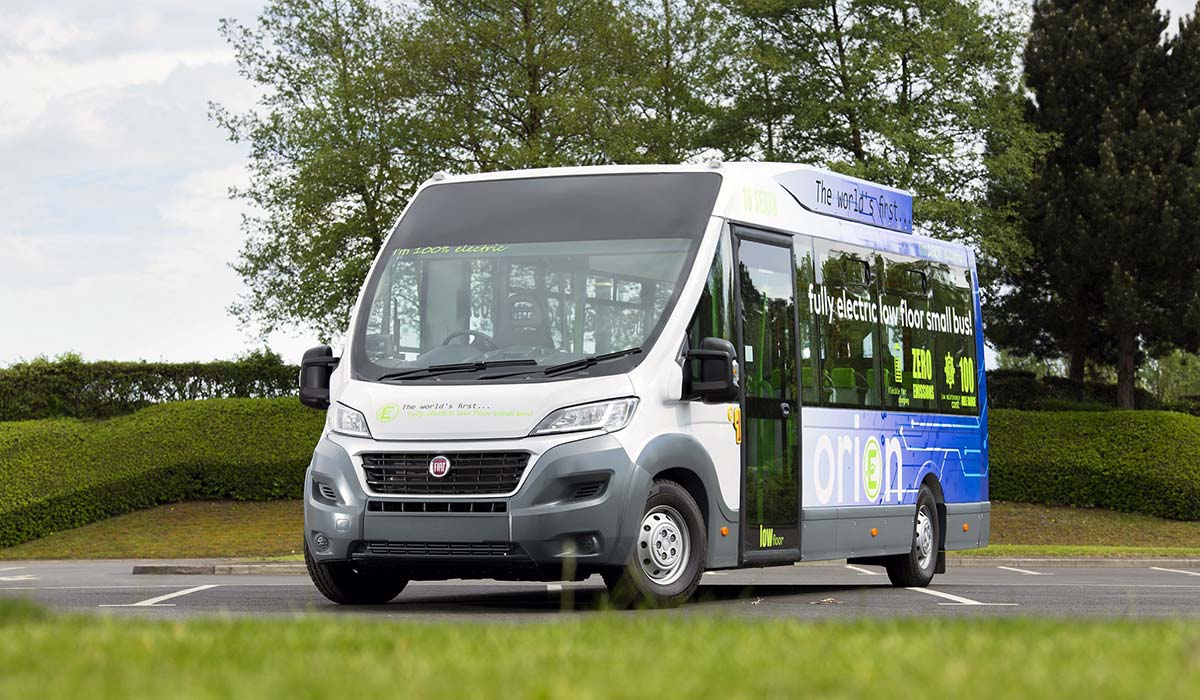
Several projects have helped to make the community of Keda in Georgia greener by enabling innovations in infrastructure and transport and raising citizens’ awareness of available energy efficient (EE) and renewable energy (RE) solutions.
Tianjin Daqiuzhuang Eco-City: green, ecological and low carbon

Daqiuzhuang has traditionally been an important industrial site, especially for the steel industry.
The Sino-German Tianjin Daqiuzhuang Eco-City has developed an overarching indicator system with 20 ecological indicators, 50 percent of which are from the areas of energy saving and emission reduction. Modern concepts and technologies from Germany serve as a reference and the Energy and Climate Protection Management System (EKM) of the German Energy Agency (DENA) as a basis. The modern indicator systems for regional development of the China-Singapore Tianjin Eco-City, the Xiong’an New District and the Beijing Municipal Administrative Centre are also used as a basis. The Eco-City indicator system is divided into three areas: green ecology, liveable life and innovative production; of which 11 are control indicators and 9 are leading indicators. The indicator system thus guides the construction and development of the Eco-City throughout its life cycle.
Sustainable Urban Energy Planning – Road to Energy Efficient and Renewable Energy powered municipalities

Approximately 90 experts and urban practitioners from more than 30 municipalities within 9 countries of Southeast Europe, gathered to discuss major opportunities and challenges convoked by the shift towards greener energy consumption around the world. As major countries of the world come out with bod statements of reaching climate neutrality by 2050, all of us need to keep up the pace and start acting on the promised shift. The Dialogue event held during the week of 17-21 May focused on discussions of energy efficient solutions, innovative renewable energy sources as well as on getting some new insights into the EU Green Deal.
This event offered a virtual platform to discuss these challenges and supported municipalities in developing locally adapted solutions for climate challenges, specifically those related to energy efficiency and renewable energy sources.
During these 5 days of asynchronous and synchronous digital meetings participants listened to inspiring Keynote presentations from leading European scientists and shared insights with peers.
This report is the detailed documentation of the event.
2021 State of Cities Climate Finance

The 2021 State of Cities Climate Finance Report examines the current state of urban climate investment, the barriers to reaching the needed investment levels, and the steps to overcoming these challenges. Produced by the Cities Climate Finance Leadership Alliance (the Alliance), the report contributes to the Alliance’s mission to mobilize city level climate finance at scale by 2030. The report also contributes to the Leadership for Urban Climate Investment framework initiative hosted by the Alliance, which aims to create a strong global architecture for subnational climate finance and tracking.
The COVID-19 pandemic brought unprecedented challenges for cities globally. Cities have borne the brunt of the COVID-19 pandemic, with high mortality and infection rates and staggering economic losses. Many residents have and continue to endure months of pain. Job losses, most especially among women and young people, have led to stunning increases in poverty and hunger, threatening decades of development gains.
The pandemic recovery, however, opens a once in a generation opportunity to build sustainable, clean, inclusive, green cities that are fit for an imminent, unprecedented wave of urban growth. How we design power generation, transport and buildings in cities will be decisive in getting on track to achieve the Paris Agreement and the Sustainable Development Goals.
The report delivers its findings in two parts:
- The Landscape of Urban Climate Finance (Part 1). Authored by the Cities Climate Finance Leadership Alliance Secretariat (Climate Policy Initiative) in partnership with the Atlantic Council’s Adrienne Arsht-Rockefeller Foundation Resilience Center, Part 1 presents for the first time a comprehensive estimate of global urban climate finance. The Landscape was developed by tracking all sources of climate finance flows to urban areas and estimating urban climate investments in the buildings and transport sectors. Part 1 also presents some of the Alliance’s activities to address barriers to investment.
- The Enabling Conditions for Urban Climate Finance (Part 2). Authored by the World Bank, Part 2 analyzes enabling frameworks and presents solutions for mobilizing climate finance for low-carbon, climate-resilient urban development pathways. It seeks to provide a common level of understanding of the terminologies, knowledge, and themes used by climate policy and climate finance practitioners, city-level urban planners, and municipal finance officials.
The Executive Summary summarizes the key findings from both Parts, including the current context for city-level climate action, estimated urban climate finance flows, the enabling conditions needed to mobilize more finance, and steps to address the urban climate investment gap.
Bizerte – pioneering municipal energy efficiency in Tunisia
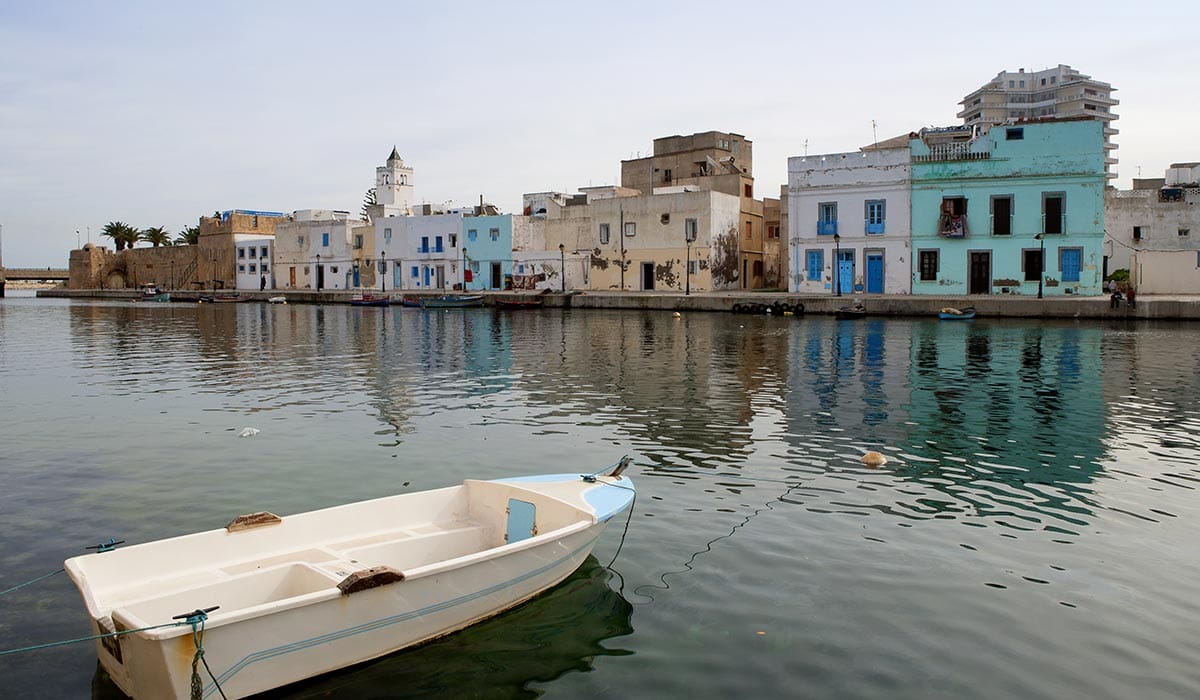
Bizerte municipality in Tunisia has set an ambitious vision to transition into a smart municipality by 2050. The municipal plan integrates smart components into the development of future projects, namely in the management of mobility, energy, building and housing, public services, and integrated management. In order to concretize this vision, the municipality has partnered with a wide spectrum of stakeholders including representatives of civil society (the Association Bizerte 2050, the association Hippo Dirutus), development agencies, research institutions as well as companies and regional representatives of the private sector. As part of the action plan towards this vision, the municipality has successfully piloted a number of projects including the energy retrofitting of municipal building and improving energy efficiency in municipal vehicular fleet.
Towards Climate Neutrality in Lviv
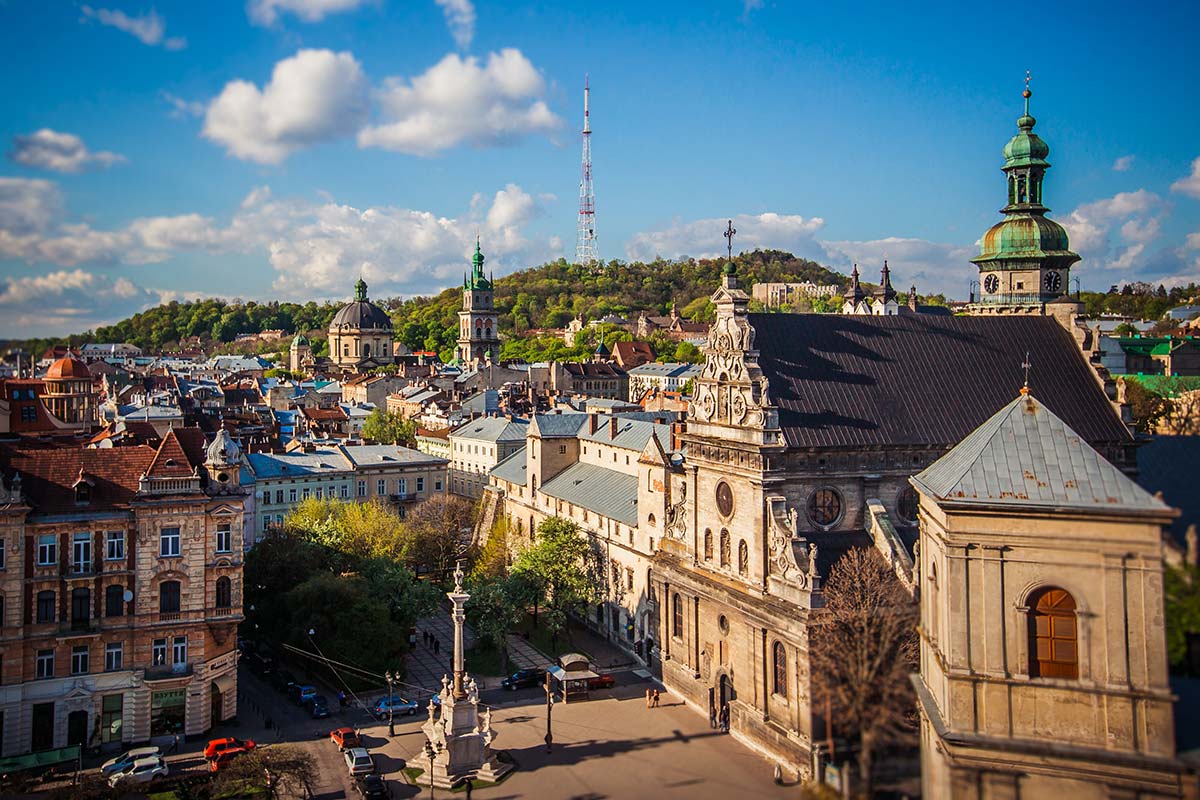
Lviv has the vision to become a climate neutral city. Starting off with the systemic implementation of energy solutions, Lviv has developed a concept of energy efficient districts Sykhiv and Ryasne. Now Lviv is moving towards climate neutrality with a Positive Energy District concept within a SPARCS project.
Karak in Jordan: local actions for climate protection

In line with the Nationally Determined Contribution (NDC) of Jordan for 2030, Karak municipality has committed to a 14% reduction of the municipality’s greenhouse gases (GHG) emissions with an aim to counteract climate change. Besides the capital city Amman, Karak municipality is the first municipality in Jordan to construct renewable energy projects and is committed to a sustainable future for the city. This objective is expressed through the actions agreed upon in the city’s Sustainable Energy & Climate Action Plan (SECAP), focusing not only on reducing the energy consumption through energy efficiency, or producing more clean energy, but also on improving the existing infrastructures in the city.