


The economy of Quelimane is dependent on rain-fed agriculture and fishing. This has led to some families falling into extreme poverty due to the effects of climate change. Children, an important part of the population, have been affected as well. The good practice aims to promote children’s participation in the governance and planning of Quelimane city.
Category: The social city
Keeping the Community of Kibera online

We spoke to Josephine Miliza, co-founder of TunapandaNET, to find out how the NGO has scaled up its activities to ensure that people in Kibera, an informal settlement in south-west Nairobi, have a reliable internet connection – and thus access to crucial information during the pandemic.
It became apparent that the internet is one of the most important sources of information. Listen in to know how Kibera is keeping online and how this could shape digital literacy and digital municipal service design in a post-COVID-19 future!
Listen to the podcast at YouTube: https://youtu.be/oirb3zEsyXA
Wildflower meadows, sports, music festivals, health

Through a crowdfunding platform, the Metropolitan Borough of Sefton in the UK is involving the whole of society, including local business, in initiating, implementing and financing social projects. This promotes citizens’ initiative, and ensures a higher quality of life.
Support for vulnerable groups in Tbilisi, Georgia

As part of its support during the COVID 19 pandemic, Tbilisi has adopted a number of measures and social projects to support vulnerable groups during the pandemic and has involved businesses, the Red Cross and many volunteers in its implementation.
Turning social business ideas into reality with yooweedoo

Founders of social start-ups – so-called social entrepreneurs – have a one-stop contact point in Schleswig-Holstein: the yooweedoo programme. Based at Kiel University, yooweedoo facilitates social entrepreneurship with workshops, project advice, an ideas competition and an active network for sharing lessons learned.
The sixth Global Environment Outlook (GEO) for Cities report

GEO for Cities aims to inform, engage and support dialogue among city decision makers and other actors involved in urban issues. The GEO-6 report identified urbanization as one of five main drivers of environmental change and also looked at the impact on cities and city residents of related challenges such as climate change, biodiversity loss and pollution.
The GEO for Cities looks at these issues but also presents the types of solutions that can lead to environmentally sustainable and just cities. The GEO for Cities process is led by two co-chairs, guided by an Advisory Committee of organizations focused on urban and environment solutions (ICLEI, C40, Cities Alliance, IIED, ODI, IIHS, GCSE), has been drafted by around 20 expert authors and supported by the GEO Secretariat. The environmental and urban challenges outlined in this report require urgent and sustained attention from everyone involved in building or managing cities.
Some of the questions explored here concern the past and present. What are the urban dynamics that have resulted in environmental degradation and inequality? How can we overcome barriers to create a more sustainable future in different types of cities? How are cities affecting fresh water, land, biodiversity, the oceans and air? And how are changes in these dimensions of the environment affecting cities?
Other parts of the report address the future: What are innovative, ground-breaking visions for an environmentally sustainable and just future in cities for both people and nature? What are some of the pathways for transformative actions in cities and where can we find stories of success and hope? The report covers a wide range of environmental, social and economic issues while providing key starting points to take action and convert transformative visions into reality.
Adopt a grandparent, the theme of solidarity in Tirana, Albania
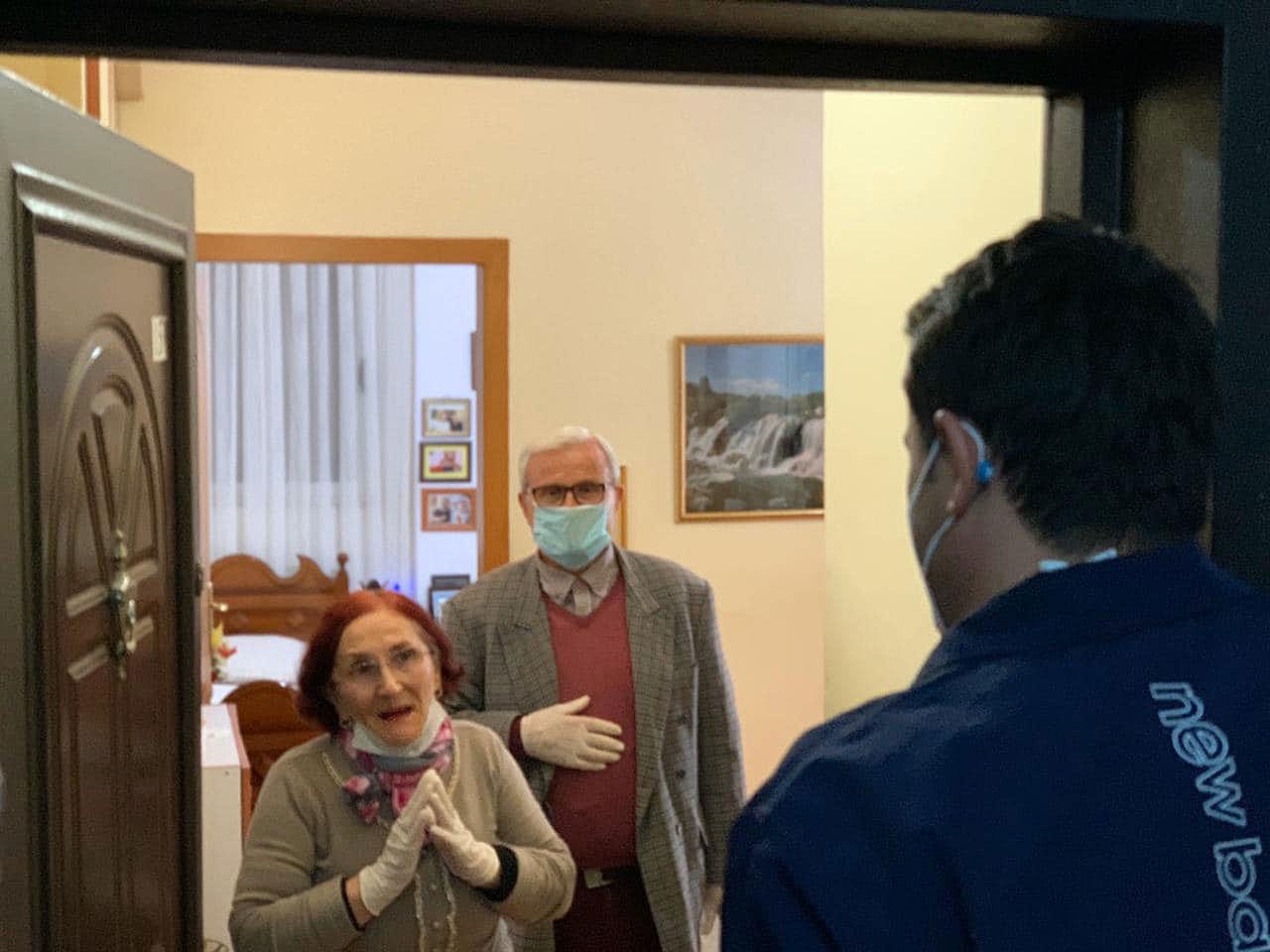
The project ‘Adopt a grandparent’ is an initiative to help the lonely older people by providing groceries and medical care to their homes, helping those who live alone around their house, or merely accompanying them during difficult times.
The Integrated Development Plan of Livingstone Municipal Council, Zambia

Prior to the introduction of the Integrated Development Plan in 2015, all departments of Livingstone Municipal Council had their own isolated planning process, resulting in a waste of resources. In 2015, an integrated planning approach was introduced for a 10-year period with broad participation of residents. Stan Mwanakayaya, Director of Urban Planning at Livingstone Municipal Council, describes the experience of the first five years in this podcast.
View podcast at YouTube:
Providing access to cycling as a sustainable and affordable form of transport

Mzikhona Mgedle, a local resident in Langa township (Cape Town, South Africa), founded Langa Bicycle Hub in 2020 with a vision of positively influencing the community of Langa while providing access to a sustainable and affordable form of transport by using bicycles to move people and basic goods and facilitate community building. This project is in partnership with Open Streets Cape Town, Darrvin Ebikes Africa, Langa Safety Patrol and Langa Community individuals.
Tackling drug addiction and drug use through an innovative partnership
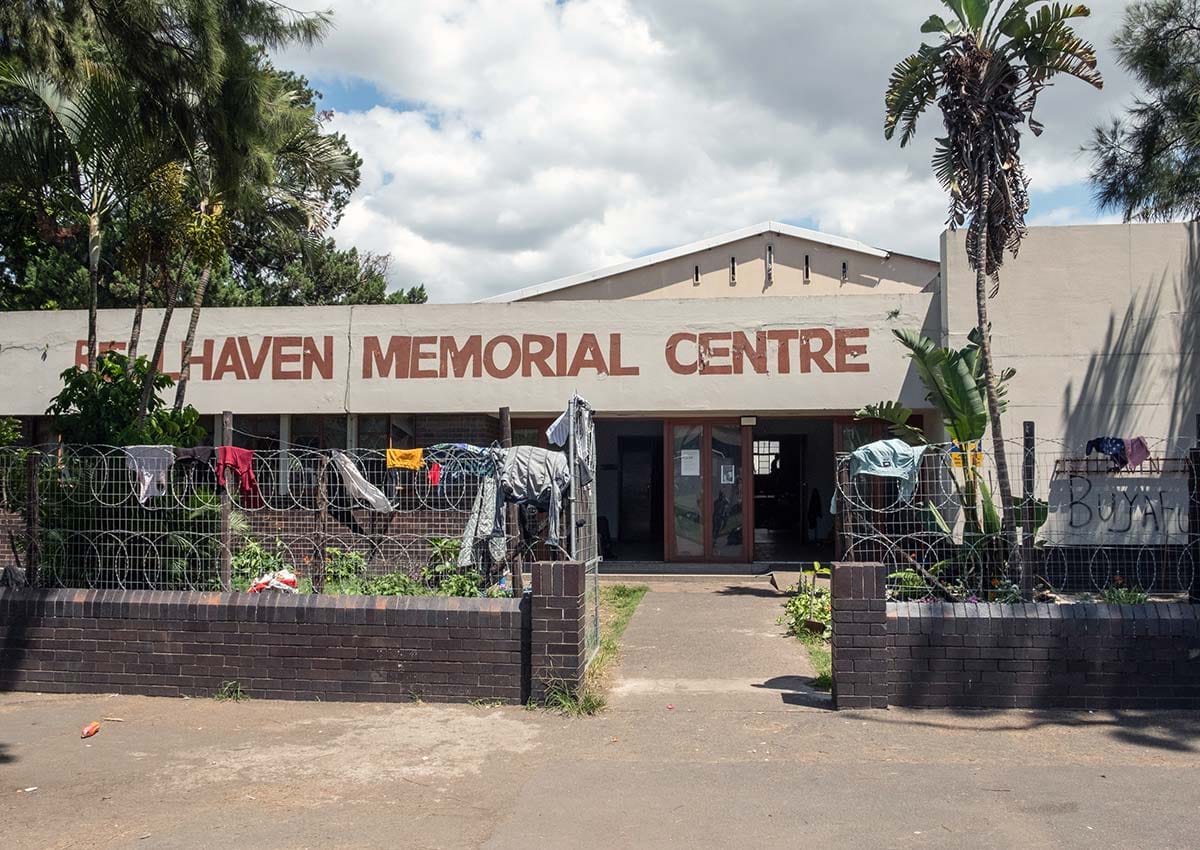
Drug addiction or drug use disorder is a major issue facing our cities and in fact, all parts of societies. During South Africa’s toughest lockdown, an innovative partnership with the city government, academics, NGOs, businesses, the police led to the setting up of a rehabilitation centre inside the iconic Moses Mabhida Stadium for homeless people with drug use disorder called Bellhaven Harm Reduction Centre.