New working groups in the MENA network: Municipal recovery from the pandemic

Following the intensive knowledge-exchange program on municipal response to the pandemic that was conducted in 2020 to support the Connective Cities network in MENA, several working groups are being established to sustain the results of the peer learning activities. The working groups consist of municipal representatives and partners from the business sector, civil society, and academia. From a thematic standpoint, the topics under focus are:

  • Waste management and circular economy
  • Digitalisation for resilient cities
  • Biodiversity and environmental protection (kick-off event: August 9, 2021)
  • Crisis management in Palestinian municipalities
  • Social entrepreneurship and local economic development (kick-off event: August 12,2021)

Several meetings and preparatory activities have been conducted to formulate the road map of each working group. The core working group on ‘biodiversity and environmental protection’ has developed and submitted a concept note to the EU Call for Proposals on Biodiversity and Ecosystems Protection in Lebanon. In order to be eligible for this call, an effective consortium was established under the umbrella of Connective Cities network. The consortium members included Saint Joseph University (represented by Dr. Jocelyne Gerard and Dr. Zaarour), Green Line environmental NGO (represented by Dr. Ali Darwish), and Menjez municipality (represented by its Mayor Dr. Georges Yousef). Other potential local authorities’ beneficiaries include Beit Meri, Jezzine, Al Buhayra Union of municipalities, which will join at a later stage of the project.  

We are looking forward to include new members to these working groups. If you would like to be an active member of these working groups, please contact us at: muna.shalan@giz.de

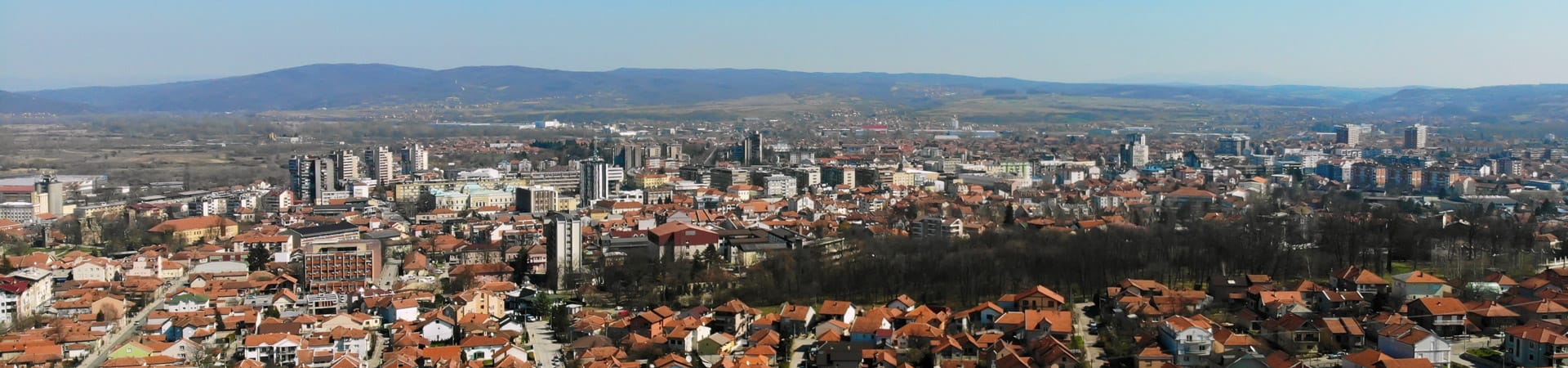
Kruševac’s Vision – “A city accessible to all”

The Vision of Kruševac’s SUMP is that the urban environment and traffic should contribute to the city’s development. The aim is to make traffic accessible to all, regardless of age, gender, income, physical or mental ability. The target from the Agenda 2030 is „80:20“, namely that citizens will walk, cycle or use public transport to cover 80% of the trips they need to make.

Successful pandemic response in the slums of Lusaka, Zambia

Lusaka, the capital of Zambia, is growing rapidly. Within the last 20 years the number of inhabitants has risen from one million to over three million in 2020. The city’s formal housing could not be expanded fast enough, which is why especially the slums experience fast growth. Today around 70 percent of the city’s population is living in slums. 

In Zambia, COVID-19 primarily affects densely populated areas and especially the capital city of Lusaka, where more than half of the country’s recorded corona infections have been counted.

Lusaka’s slum dwellers are particularly vulnerable to the effects of the pandemic due to a high population density and an often insecure employment situation. In particular, the unemployment caused by Corona measures and the subsequent inability to pay has multiple broader consequences for slum dwellers, including: 

  • Food insecurity
  • Threats of eviction and forced evictions by landlords
  • Inability to pay for water supply and land rent to the city council. 

The Lusaka City Council took broad measures to address this. For example, land rents owed to the city council were reduced by 50 percent and fees for legalizing land ownership were sharply reduced. This relieved the burden on landowners and landlords, who were thus able to partially forgo rental income and refrain from evicting residents.  

Also, water access was no longer cut due to lack of payment, as water is particularly crucial for hygiene and thus for pandemic control.

In addition, food was distributed, and digital aid was disbursed to combat the acute effects of the pandemic. Decentralization helped to avoid crowded distribution points. High-traffic locations such as markets are regularly being disinfected so that the population can work and shop there with minimized risk. 

It became apparent that a multi-sectoral approach and the involvement of various stakeholders and local community leaders was necessary to pool resources and avoid duplication of effort

Further information

Urbanisation and proliferation of informal settlements in Lusaka, Zambia (PDF)

Recording of Event (Presentation on Lusaka starts min. 18): Urban Poverty and Living Conditions: Limiting COVID-19 Impacts in Densely Populated Backyard Rental Areas (only for those registered on the Connective Cities Platform) 

Contact

Danny Chibinda
Director of Housing and Social Services
Lusaka City Council, Zambia
info@lcc.gov.zm

Fangcang Shelter Hospitals in Wuhan, China

Like many other cities, the city of Wuhan, China, often referred to as the epicenter of the pandemic, faced severe challenges when being confronted with the outbreak of the virus at the end of 2019 and early 2020. A lack of medical supplies, doctors and nurses, and available beds made it impossible to contain the pandemic in its early stages by the means of traditional hospitals. To isolate COVID-19 cases from the rest of the population quickly and on a large scale, the city of Wuhan developed a novel concept in public health: Fangcang Shelter Hospitals.

During the outbreak of the pandemic in Wuhan, public facilities such as gymnasiums or stadiums were rapidly transformed into health facilities. Within ten days, these new medical shelter hospitals provided the basic functions of isolation, primary health care, disease surveillance and rapid referral, as well as food and shelter. Especially mild and moderate COVID-19 cases were treated and isolated quickly in these shelter hospitals, while severe cases were transported to traditional hospitals. This triage led to an enormous relief of the traditional hospitals and enabled the treatment and isolation of large numbers of patients.

Further, within the new health facilities, medical teams of different disciplines constantly generated new knowledge about the diagnostic and treatment options for COVID-19. These were permanently updated with the help of multidisciplinary collaborations and helped to inform other practitioners in the health sector on the city, national and international level. Through an innovative cloud-based medical service solution, hospitals were further able to provide online health advice.

A total of 16 such shelter hospitals enabled the isolation of thousands of patients within a very short time during the COVID-19 outbreak in Wuhan. They provided medical treatment and care and fulfilled an important function to relieve the burden on traditional hospitals and to efficiently avoid the spread of the disease. For the future post-epidemic era, psychological counselling of medical staff now plays an equally important role as follow-up research, evaluation and adjustment of processes in the shelter hospitals, so that Wuhan will be even better prepared for challenges to its health system in the future.

Further Information

How do we challenge the Covid-19? – Jun Wang [pdf 2,24 mb]

Event Recording in English and Chinese (Presentation on Wuhan starts min. 6): https://conference.meet-modular.com/playback/presentation/2.0/playback.html?meetingId=ffacab8b40bcf33de7da48374038a61adb2d30df-1606200349228

Contact

Dr. Wang Jun,
Tongji Medical College of Huazhong University of Science and Technology in Wuhan,
Huabei Province, P.R. of China
brendawj2006@163.com

Pandemic response in Aracaju, Brazil

Brazil is one of the countries most affected by the pandemic worldwide. Aracaju, the capital of the state of Sergipe in north-eastern Brazil, responded quickly and comprehensively to Covid-19.

In March 2020, a response plan was developed, and a crisis team was established. This meant that even before the first cases appeared in the region, people with symptoms could be isolated, tested and followed up. Random testing of citizens, for example, in public places, markets and train stations, was also very successful. Through this strategy, around 3,600 PCR tests and 1,200 rapid tests were conducted weekly in all 44 neighbourhoods of Aracaju. Testing allowed a-symptomatic cases to be detected and isolated. In addition, the protection of at-risk groups was vital for the Brazilian city. Therefore, they were tested especially frequently and at home. The prevention measures also included registering travellers at the airport.

In March 2020, the Aracaju city government set up eight medical centres, of which around 130,000 patients were cared for by October 2020. Furthermore, hospitals were equipped with respirators and beds were increased. The field hospital opened in May 2020 treated more than 450 patients. Thanks to these measures, the city’s health system was relieved.

Crisis communication was another key component in the strategic management of the pandemic in Aracaju. The citizens were informed about infection numbers in a daily briefing. Another concern of the city was to support the citizens emotionally. Therefore, Aracaju offered psychological counselling by telephone, an offer that was taken up more than 4000 times. Thanks to these comprehensive measures, Aracaju has recorded one of the lowest mortality rates in Brazil concerning Covid-19.

Further Information

Gestão Estratégica e medidas inovadoras no enfrentamento à pandemia em Aracaju/SE  –  Präsentation in Portugiesisch [PDF, 1,96 mb]

Event Recording in German, Spanish, and Portugiese (Presentation on Aracaju starts min. 73): Strategisches management zur Bekämpfung der Pandemie in Aracaju (Only for those registered on the Connective Cities Platform)

Contact

Frau Waneskade Souza Barboza,
Representative of the National Front of Mayors (FNP)
Secretary of Health of Aracaju Prefeitura Municipal de Aracaju, Aracaju, Brazil
waneska.barboza@aracaju.se.gov.br

Connecting mobility, waste management and other public services

On 25 May, representatives of Kruševac in Serbia, Ms. Jelena Nikolić, Ms. Jelena Brković, and an expert Dr. Haris Piplas met virtually to discuss multi-faceted project being developed for the city of Kruševac. Project connects mobility, waste management and other public services and entails measures such as:

  • introduction of integrated ticketing system (can be used for several public services, such as public transport, library, sport services, reduction of bills for waste collection, donation for greenery etc.)
  • development of the app for integral services
  • Installation of the equipment that pays for the received plastics bottles

Rationale of the project is to reduce plastic waste in the city and integrate the recycling habit into everyday lives of the citizens. Since public transport is an indispensable feature, accumulating thousands of users, redesigning it into a smart solution of the problem can lead to better adaptability and results when shifting to waste reduction processes.

Municipal response to COVID-19 in the MENA region

Sharing of good practices and lessons learned and providing peer to peer consultation on seven topics in a series of events with over 150 participants from 54 cities across nine countries in the region.

Mehr: https://youtu.be/uzxS9j3Lfug

Weitere Videos und demnächst auch Interviews und Podcasts auf unserer COVID-19-Themenseite.

Municipal Response to COVID-19 in Business Sector

On 27th of May virtual workshop on Municipal Response to COVID-19 in Business Sector took place as part of the ongoing Event series “Municipal Response to COVID-19”.  It is commissioned by the GIZ project “Connective Cities – The Community of Practice for Sustainable Urban Development”.

The Workshop was dedicated to exploring municipal initiatives and measures taken to address economic and business sector challenges caused by the COVID-19 pandemic. Its aim was to review how municipalities have managed to support vulnerable businesses during this period. Moreover, the web-seminar explored innovative private-sector support schemes responding to COVID-19, outlined the actions and strategies deployed by cities to communicate with the private sector, and highlighted the importance of business recovery plans.

Approximately 40 participants from Armenia, Azerbaijan, Moldova, Georgia, Germany, Peru and South Africa took part in the workshop.

Program

This virtual event was opened by welcoming remarks made by Dr. Piotr Żuber. Dr. Żuber provided background information of the workshop and briefly overviewed the agenda. Following the introduction, Mr. Irakli Samkharadze, Regional Coordinator, Connective Cities, GIZ, thanked all attendees for their participation and briefly introduced Connective Cities project and its objectives.

Core part of the workshop was structured according to themes and went as follows:

  1. Presentation of the best practices in terms of innovative business approaches and business recovery plans in response to the COVID-19 crisis among Connective Cities network members.
  2. Detailed cases of municipal responses to COVID-19 in the business sector from Lima (Peru) presented by Ms. Patricia Talavera, Head of Economic Development Department at Lima
  3. Cases of Cape Town (South Africa) presented by Mr. Lance Greyling, City of Cape Town’s Director for Enterprise and Investment.
  4. Q&A session following themes of presentations, during which participants actively discussed their experiences and aspects that could be useful from introduced cases.
  5. Interactive discussion panel focusing on the effectiveness of business recovery plans at municipal level during the COVID-19 pandemic. The participants reviewed the role of business recovery plans at the local level and how these can ensure smoother and faster recovery in the post-pandemic era. The discussion was moderated by Dr. Giorgi Khishtovani, and panel participants were Dr. Piotr Zuber, Senior Lecturer at University of Warsaw (Poland), and Mr. Vakhtang Lomjaria, Head of Municipal Department of Economic Development, Tbilisi (Georgia).

Presentations

The main measures for Economic Reactivation
Ms. Patricia Talavera, Head of Economic Development Department, Lima, Peru

Enterprise & Investment, Support for SMME’s during COVID -19
Mr. Lance Greyling, City of Cape Town’s Director for Enterprise and Investment, Cape Town, South Africa

Methodology and Results of the Research on Covid-19 Responses
Mr. Giorgi Khishtovani, Research Director, PMCG

Results

During this online workshop representatives from multitudes of municipalities exchanged their experiences and insights on business recovery possibilities.

Participants were introduced to various already implemented recovery plans or activities from around the world. They were also given insight into some of future business recuperation possibilities and trends from around the world.  One such example, in particular plan for business support in Tbilisi, Georgia was delivered by the governmental body representative himself

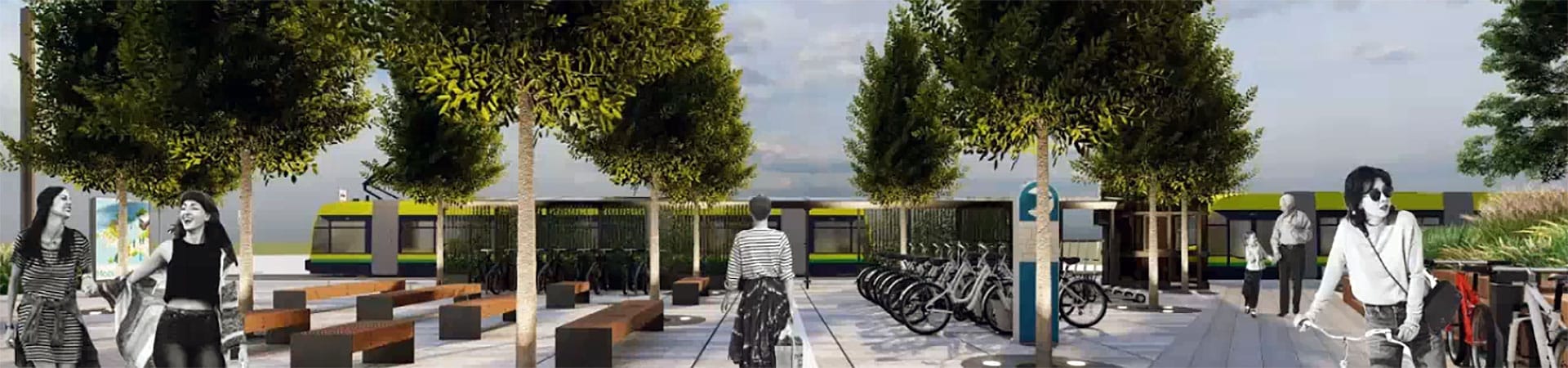
E-Mobility Hubs as Sustainable and Innovative Solutions

On May 14, 2021 representatives of Lviv in Ukraine and the expert Dr. Haris Piplas met virtually to discuss a pilot project of an E-Mobility Hub being developed by the City Institute and municipal authority of Lviv, Ukraine.  The envisioned E-Mobility Hub at the intersection of the Bandery and Chuprynky streets will become an inclusive public space invoking economic and social change in the everyday life of its citizens. The envisioned Hub captures vital aspects needed for the behavioral shift. City representatives have taken into account user-friendliness, safety, lighting as well as visual and digital prospects when developing the project. The goal is to achieve major public engagement and later replicability of hubs onto the whole city map.

 As this will be the pilot project with high stakes, city representatives were cautioned by the expert to cover all necessary grounds of contextualizing Hubs into city architecture by superimposing them onto existing infrastructure. Working closely into city planning as well as considering the agenda of street reconstructions in Lviv could lead to identification of possible spots for Mobility Hubs.  Tying in all above mentioned groundwork will simplify reproducibility of the project.

Institutional vision has been identified as another discussion topic during the meeting. Projects as such need integration of development banks as well as involvement of variety of partners to succeed and later scale up the project in the future. Dr. Haris Piplas advised project team to start by raising social awareness about the project first as citizens will aid in advocating for the project, when it will be presented to local or international funding institutions.  Success of this pilot project will act as a springboard to development of other Hubs.

Presentations:

Bandery – Chuprynky Hub Sketch project.     Ms. Olena Kuzhym, Investment Unit, City Institute, Lviv, Ukraine

Mobility Hubs as inclusive urban public spaces and sustainable economic catalysts Dr. Haris Piplas, Co-Director, Integrated Urban Solutions, Drees & Sommer Switzerland

Programme

This virtual event was moderated by Dr. Irakli Samkharadze, Regional Coordinator, Connective Cities, GIZ who introduced the participants of the meeting and gave floor to Ms. Olena Kuzhym, representative of Lviv city to display their sketch project and further elaborate on work being done. Virtual meeting featured two representatives of GIZ Ukrainian office representatives giving their suggestions and recommendations along the way.

Results

The expert talk was concluded with Mr. Maksym Terletsky, Deputy Director, City Institute, Lviv, Ukraine, highlighting some of the major takeaways that they will be further integrating into their project. At the same time, he emphasized that meetings of such kind as well as close cooperation will be inevitably essential. Ms. Marta Pastukh, project manager of Ukrainian-German cooperation project, “Municipal Development and Rehabilitation of the Old City of Lviv” and Mr. Terletsky agreed that their local cooperation will also continue and aid the project. Support proposition was also extended by Mr. Armin Wagner, head of the Sector Project “Sustainable Mobility” at GIZ.

Planning sustainable urban mobility

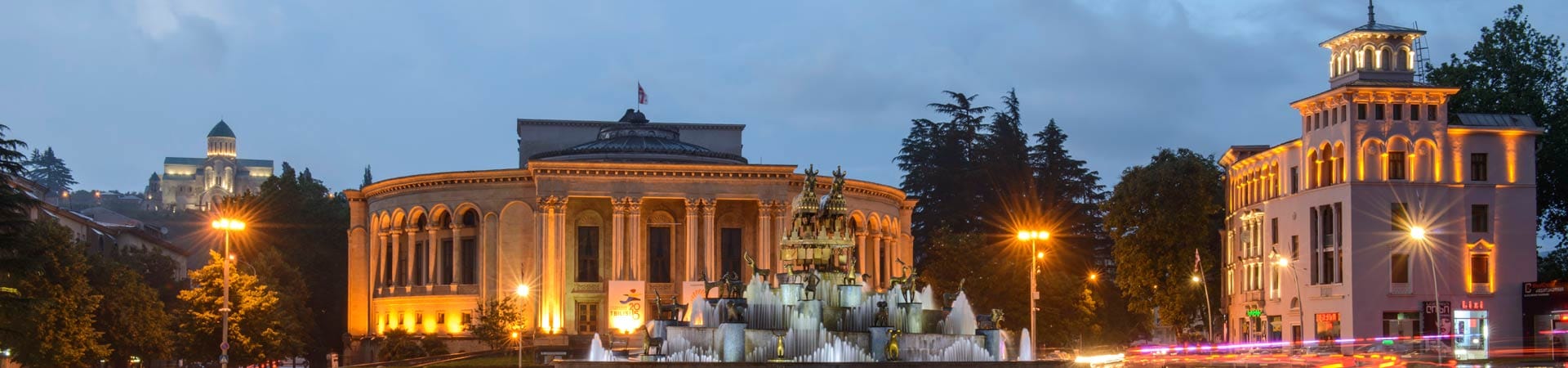
On 14 April, representative of Kutaisi in Georgia and an expert Dr. Haris Piplas met virtually to discuss Kutaisi’s project of SUMP development for their city.

The session focused on several vital aspects in the process of conducting a Sustainable Urban Mobility Plan for Kutaisi, these are:

  • Preliminary preparation phase, during which vison and plan should be envisaged, final working group should be identified and key messages for citizen participation should be drafted;
  • Analysis of the current mobility and urban development situation in the city should be prepared;
  • Scenarios of SUMP implementation should be identified.

Additionally, Dr. Haris Piplas stressed the importance of expertise mobilization as city will need to gather and unfortunately due to lack of data develope a lot of preliminary documents, before jumping into the implementation phase.