Reclaiming the Streets of Fortaleza, Brazil

The Institute for Transportation and Development Policy works around the world to design and implement high- quality transport systems and policy solutions that make cities more livable, equitable, and sustainable.
Content of this issue:
The Effects of Transportation on Early Childhood Development
Fortaleza’s Progress Shows that Change is Still Possible in Brazil
Bucheon City Goes from a Car-Centric City to a People-Friendly Vision
In Cairo, ITDP Works to Improve Transport Access for Women
America, The Netherlands, and Oil Crisis: 50 Years Later
Frequency Is Freedom
Scooters, E-bikes, Rideshares, and More: Learning from Dockless Bikeshar
On Mexico City’s Buses, a Little Technology Goes a Long Way
MOBILIZE Dar es Salaam
In Jakarta’s Urban Villages Women Are Moving Mobility Forward
“Women-only” Transport: A "Solution" To What End?
As Cities in the US and Europe Explore Electrification, China Is Taking the Lead
Transforming Streets in São Pauo
From the Narrow Lanes of Agra to the BRT Lanes of Pune: 20 Years of the ITDP India Program
New Resources from ITDP
Gender-inclusive climate action in cities

"In recent years, a small number of extraordinary women have emerged as key leaders on global action to tackle climate change. However, more generally, women are grossly under-represented in high-level climate negotiations; tend to be disproportionately vulnerable to climate impacts; and climate solutions tend to ignore gender-specific issues, perpetuating a general bias of infrastructure and services designed predominantly for men. This report sets out proposals for how to correct these imbalances and, through focusing on an inclusive climate action approach, to ensure that investment to cut emissions and improve resilience will benefit the full diversity of urban citizens, rich and poor, men and women."

Upward and Outward Growth

„New analysis of the upward and outward growth of 499 cities over time confirms that the challenges of rapid outward expansion are greatest in lower-income cities that have weak planning and land governance and less mature financial markets. Unmanaged urban expansion increases the costs of service provision, deepens spatial inequities, and imposes heavy economic and environmental burdens. This paper highlights three key equity challenges linked to rapid outward expansion in cities of the global South: distorted land markets, deficient services in growing areas, and disjointed informal expansion. […]“

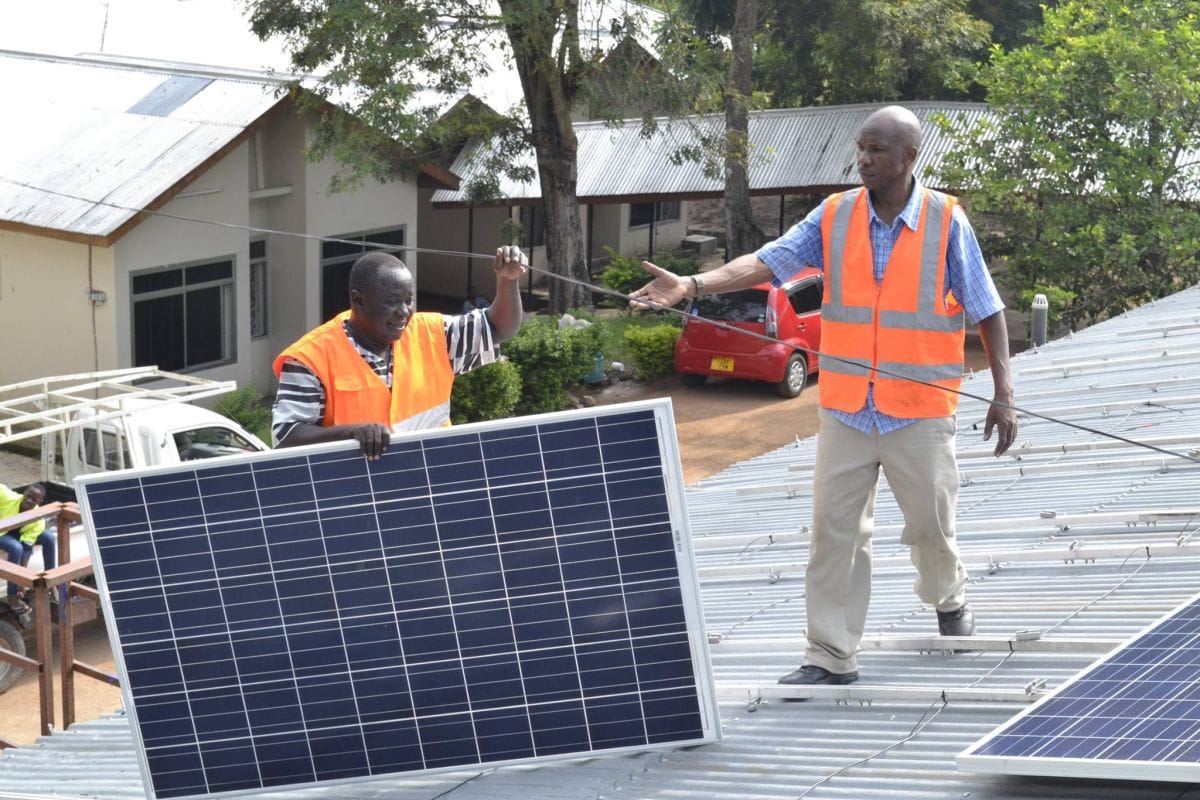
Würzburg und Mwanza teilen ein Geschenk des Himmels

Der Klimawandel trifft alle Städte. Wer dagegen etwas tun will, muss den CO2-Ausstoß vermindern. Das geht, indem man fossile Energieträger zunehmend durch erneuerbare Energien ersetzt und z.B. Solarstrom erzeugt. Im tansanischen Mwanza lohnt sich das besonderes – und hat erwünschte Nebeneffekte.

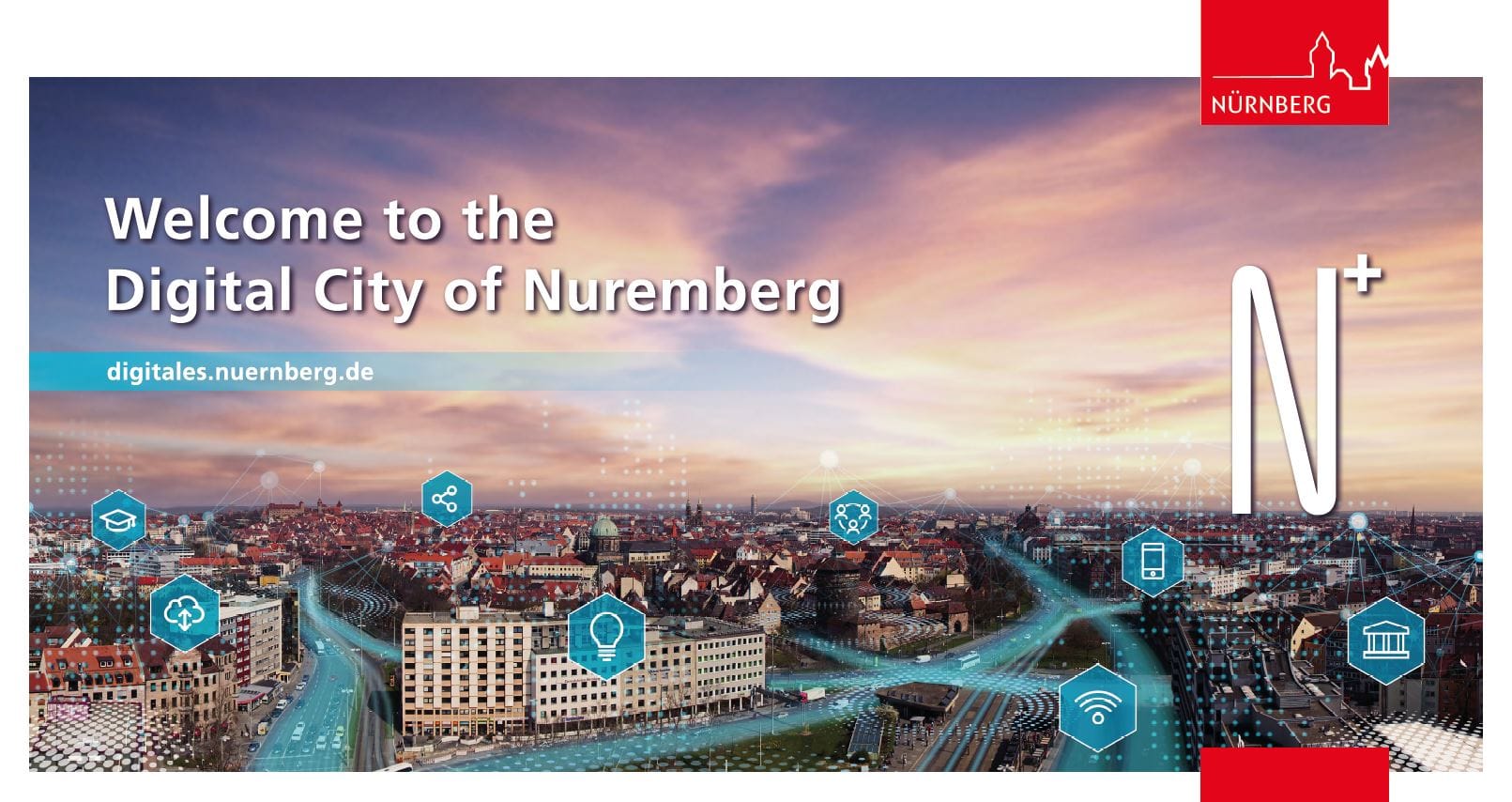
…smart, smarter, Nürnberg: Wo Fortschritt Tradition ist

Von Nürnberg aus fuhr Deutschlands erste Eisenbahn. Heute werden hier neue Weichen gestellt: Die Verwaltung erarbeitet eine kommunale Digitalstrategie, weil große Fragen unserer Zeit, wie Mobilität, anders nicht mehr lösbar sind. Die Stadt vernetzt sich und gestaltet den digitalen Wandel.

Safety and public space

Around the world, troubling levels of violence against women result in a restricted or complete lack of rights and opportunities for women and girls. For a majority of the world’s population, who is increasingly concentrated in large cities, this violence takes place in public spaces which are not restricted by jurisdictional borders, i.e., the metropolitan territories that to a great extent are managed by the members of Metropolis.
This report addresses the lack of safety that women and girls face in public spaces, and presents the findings of a review of the policies and programmes that metropolitan governments have established to proactively respond to these concerns. It sheds light on the involvement of Metropolis members to ensure that women and girls have the right to the metropolitan city, by mapping policies, strategies and instruments that foster safer and more accessible streets, squares, parks, neighborhoods and eventually the totality of metropolitan public spaces.

Culture in City Reconstruction and Recovery

Tackling the impact of destructions – whether they stem from natural hazards, armed conflict, or acute urban distress – requires responses that consider the needs of all social groups and provides opportunities for social inclusion and economic development, while also acknowledging the specific needs, priorities, and identities of communities.
For this reason, culture – including tangible and intangible cultural heritage and creativity – is essential both as an asset and as a tool for city reconstruction and recovery. Placing culture at the heart of urban reconstruction and recovery strategies and processes is critical to effectively restoring the physical and social fabrics of cities.
Culture – an often overlooked and underestimated framework and value – is the foundation upon which cities are built. Cities are not just a collection of buildings but are people, their stories, and how they interact with each other through their cultural identity and sense of place.
Investing in cultural institutions, spaces, and heritage can help build bridges between sparring communities in post-conflict urban areas and make disaster recovery quick, sustainable, and more effective.
This joint Position Paper of World Bank and UNESCO serves as a guide for urban practitioners, operating on the ground, as well as national and local authorities, to integrate culture, both as an asset and as a tool, in all phases of city reconstruction and recovery.

What the IPCC Special Report on Global Warming of 1.5°C means for Cities

"Climate science must be accessible to urban policymakers, because without them, there will be no limiting global warming to 1.5°C. In cities and urban areas, there are actions that policymakers—along with residents and stakeholders, such as civil society, the academic community, and those in business and finance—can take to help limit warming and adapt to the impacts of climate change. The effects of a city’s actions are not limited to its own borders or region, and, likewise, lessons learned in some cities and urban areas can serve as inspiration and resources for solutions in other urban areas. This Summary for Urban Policymakers is synthesised from SR1.5, the Fifth Assessment Report of the Intergovernmental Panel on Climate Change (IPCC), and relevant supporting research […]. It translates the key scientific
findings and policy observations of the IPCC Special Report on Global Warming of 1.5°C for officials and  policymakers of the world’s cities and urban areas."

International Evaluation of Public Policies for Electromobility in Urban Fleets

"Transportation electrification is commonly seen as a key measure to reduce greenhouse gas (GHG) emissions and mitigate climate change. Many urban environments are also grappling with severe air pollution and the resulting threats to public health, and cities are increasingly evaluating and implementing robust policies to encourage the adoption of electric vehicles (EVs). Governments are also interested in the economic, industrial, and employment benefits from local development and manufacturing of emerging technologies such as EVs and their supporting infrastructure. Research shows that countries that adopt stringent environmental standards and a coordinated strategy for electromobility secure early-mover advantage for their firms, leading to the conditions that allow for industrial competitiveness in international markets."